


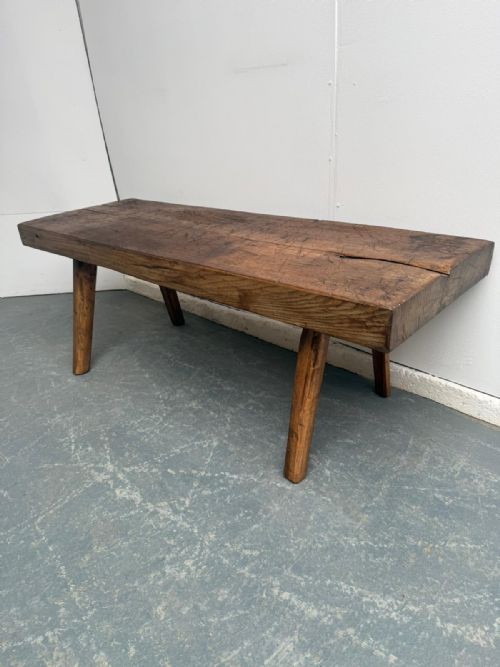

Farmhouse Low Coffee Table
A farmhouse low coffee table brings tactile grain and honest timber straight to the hearth, grounding a modern room with centuries of utility.
Farmhouse Low Coffee Table
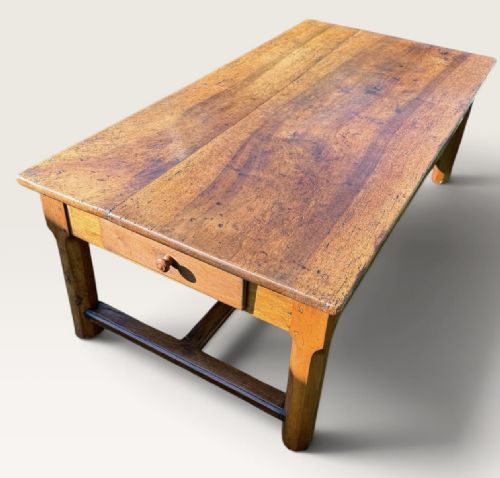
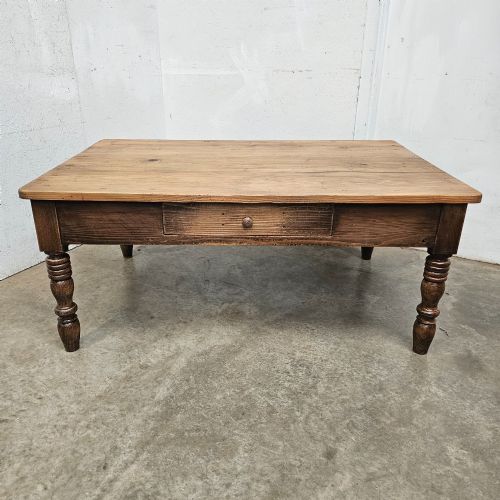
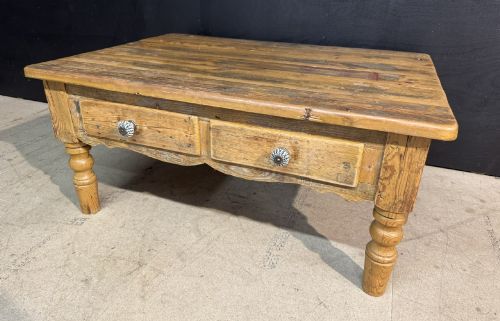
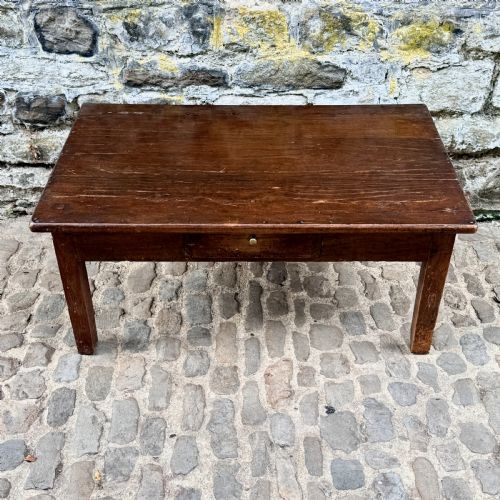
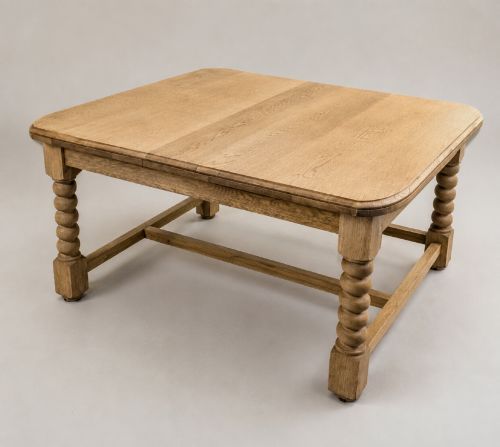
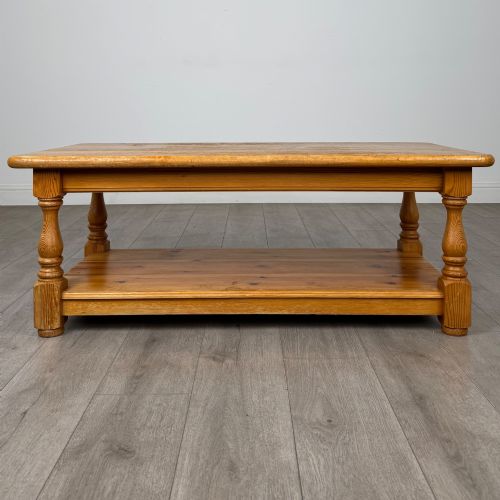
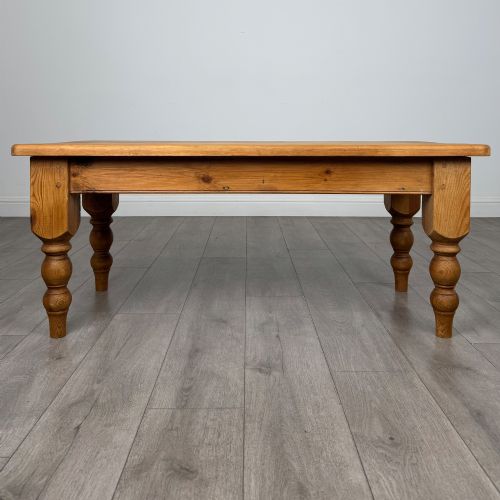
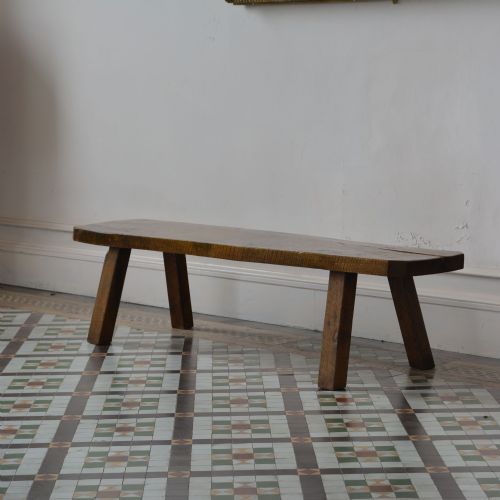
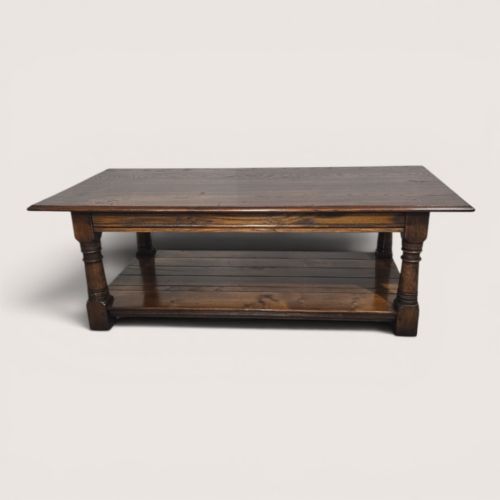
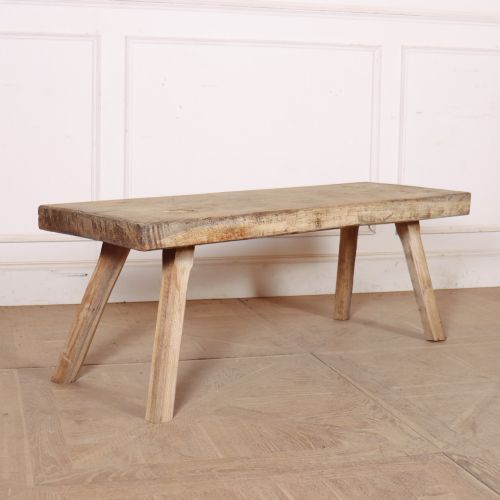
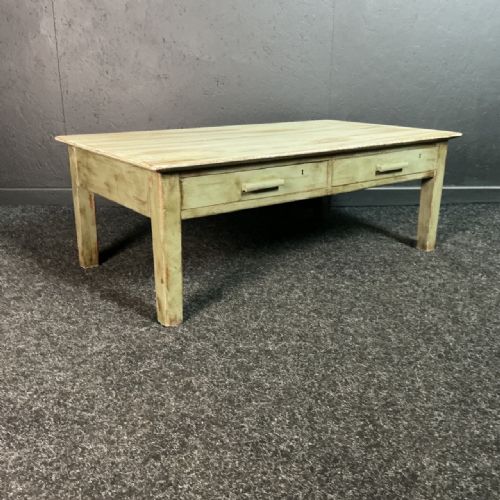
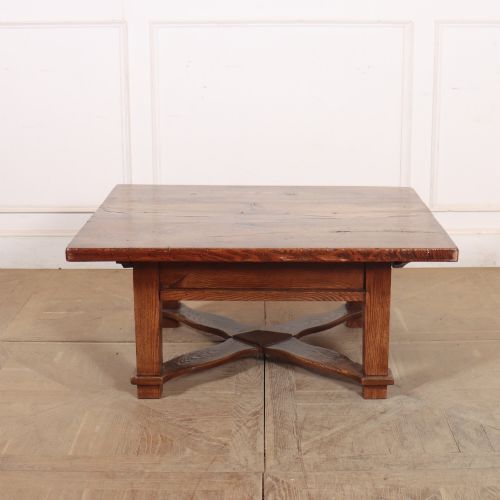
A farmhouse low coffee table takes utilitarian origins, such as country work tables, cheese presses and long oak pig benches, and adapts them for domestic sitting rooms. These pieces arrive from various regional traditions including English, French, Austrian and Hungarian workshops, spanning the eighteenth century through the Edwardian era.
Most examples found here utilise robust domestic hardwoods shaped for daily service rather than formal parlour display. Buyers encounter substantial plank tops, turned legs and trestle supports that retain the honest patina of rural labour.
Materials and Construction
Makers built these tables from solid timbers grown locally, relying primarily on oak, pine, elm and walnut alongside cherry, sycamore and chestnut. Planks were selected for durability and joined simply, often supported by heavy turned legs or trestle bases designed to withstand heavy weight.
Surfaces show the history of their working lives, from scrubbed finishes that reveal pale grain to original painted or bleached treatments. Joinery is straightforward and utilitarian, prioritising structural strength above decorative veneer.
Several heavy tables begin life as agricultural pig benches before finding a peaceful retirement holding tea cups.
Judging Quality in Country Tables
Quality rests in the integrity of the timber and the honesty of the surface rather than elaborate carving. The best examples exhibit deep, natural patination earned through long use, with thick plank tops that remain flat and stable.
Proportion and structural balance separate exceptional pieces from ordinary conversions. A well-proportioned base, original joinery without intrusive modern reinforcement, and timber with varied grain all elevate a piece.
The Farmhouse Low Coffee Table Glossary
- Pig bench
- A low wooden bench traditionally used in agricultural preparation, repurposed today as a narrow, long coffee table. These pieces usually feature thick plank tops and sturdy legs.
- Scrubbed finish
- A timber surface repeatedly washed with water and scrubbing brushes, removing old finishes to leave a pale, clean grain. This treatment is common on scrubbed elm and sycamore tables.
- Trestle table
- A table structure where the top rests on upright supports connected by a horizontal beam. This design provides sturdy stability without obstructing legroom.
- Patina
- The surface sheen and colour developed by wood over decades of handling, polishing and exposure to light. Good patina cannot be artificially duplicated.
- Cheese press table
- A heavy utilitarian table derived from dairy equipment used in cheese production. These pieces offer substantial proportions and robust timber construction.
Farmhouse Low Coffee Table: Frequently Asked Questions
What is a farmhouse low coffee table?
A farmhouse low coffee table is typically a converted country work table, pig bench or low occasional table adapted from eighteenth and nineteenth-century domestic use. These pieces feature solid timber construction and honest vernacular designs.
They serve as functional coffee tables in modern interiors, bringing warmth and historical character to a sitting room through varied woods like oak, pine and elm.
How do I care for antique timber?
Protect antique wood by avoiding direct sunlight and maintaining stable room humidity to prevent splitting or warping. Use dry cloths for dusting and apply natural beeswax occasionally to nourish the grain.
Keep hot mugs and wet glasses off bare wood surfaces by using coasters, preserving the natural patina developed over generations of use.
Are these tables original or conversions?
Many low coffee tables originate from taller work tables, cheese presses or benches that have been reduced in height to suit modern seating arrangements. This adaptation respects the original timber while fulfilling contemporary domestic needs.
Listings describe the specific form and period of each piece, indicating whether it retains its original height or represents a period conversion.
How do I identify French country tables?
French country tables often utilise fruitwoods like cherry, or feature scrubbed sycamore and elm tops paired with subtle frame construction. They tend to display lighter proportions compared to heavy English oak.
Details such as side drawers, pegged joinery and characteristic regional turnings help distinguish French provincial pieces from other European country styles.