
Low Upholstered Ottoman
A low upholstered ottoman is a versatile piece for seating or resting feet, bringing period character and comfort to any interior.
Low Upholstered Ottoman
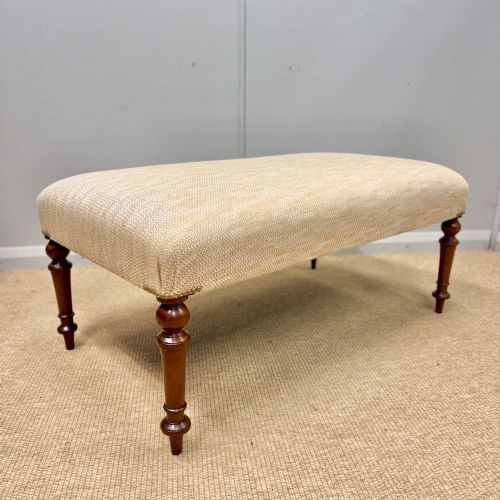
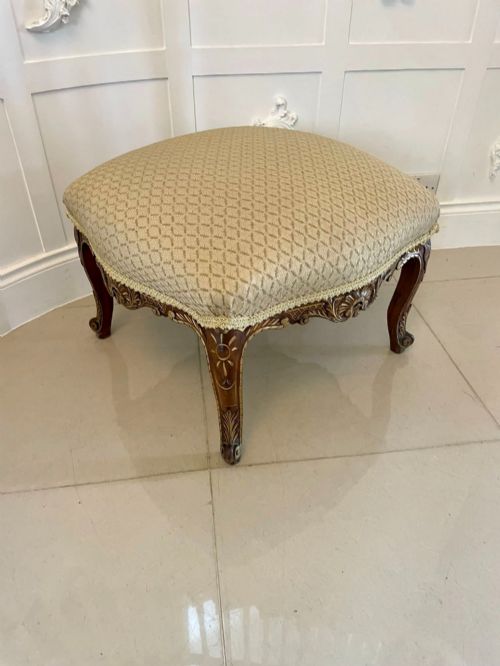
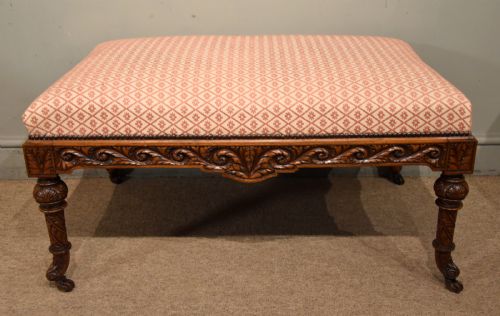
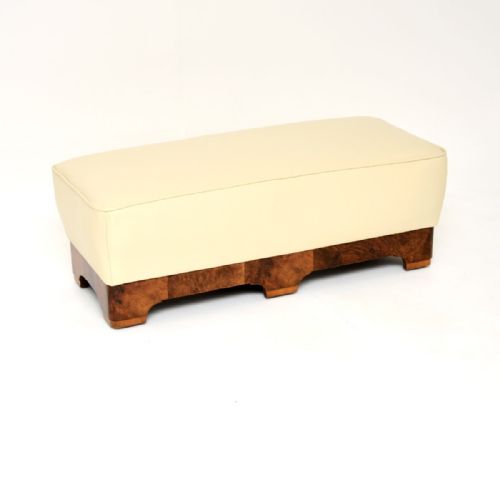
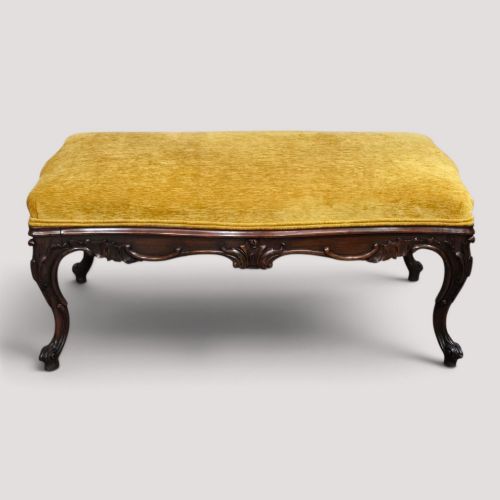
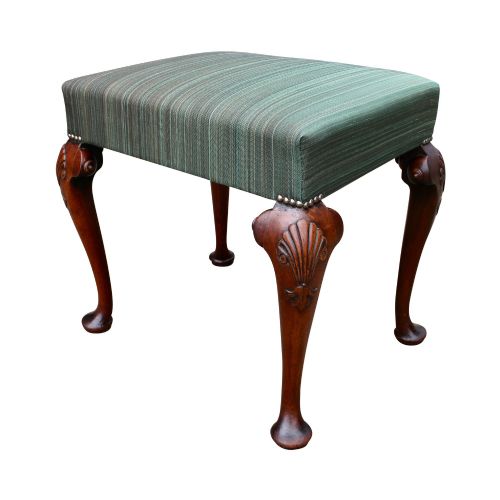
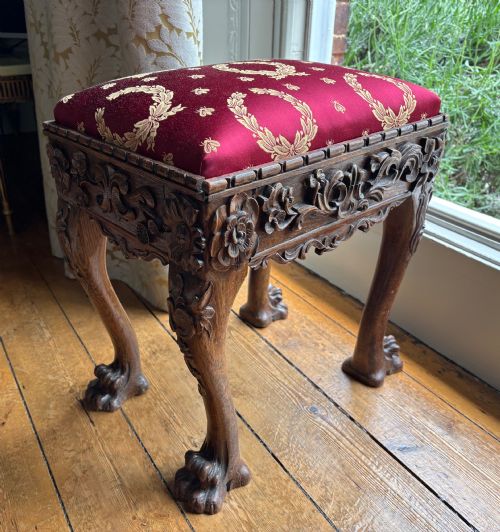
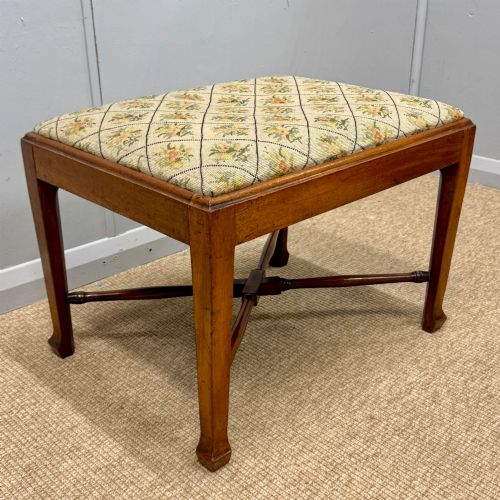
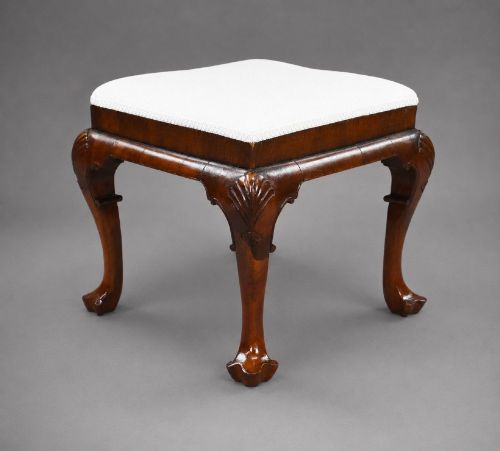
A low upholstered ottoman functions primarily as a footstool, dressing table seat, or small bench, sitting close to the floor. These pieces frequently appear in Victorian and 19th-century styles, alongside occasional 1930s Art Deco examples.
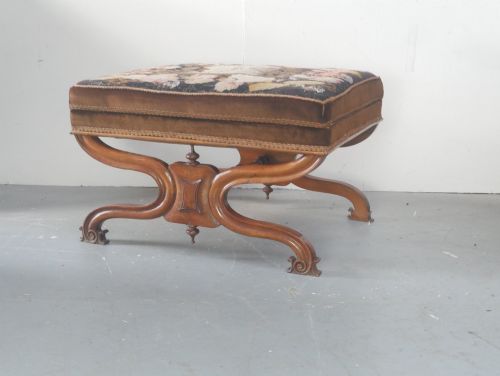
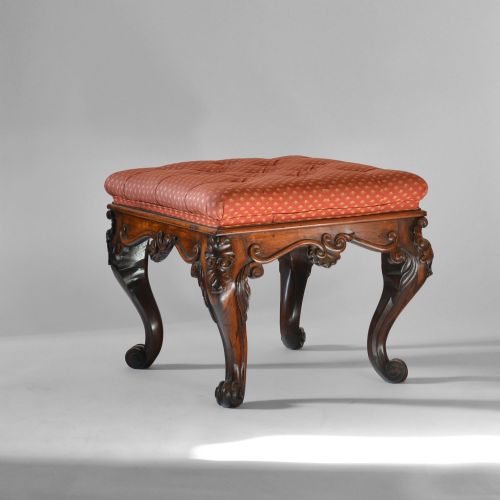
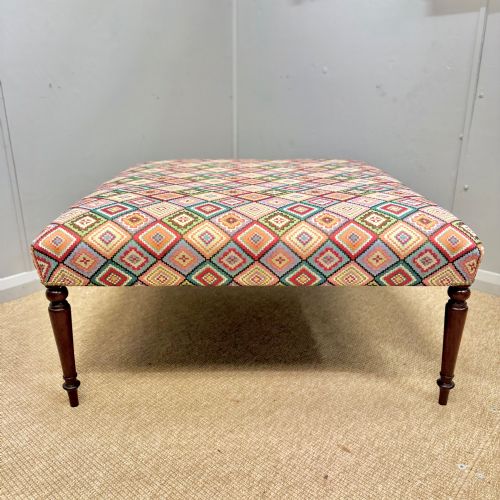
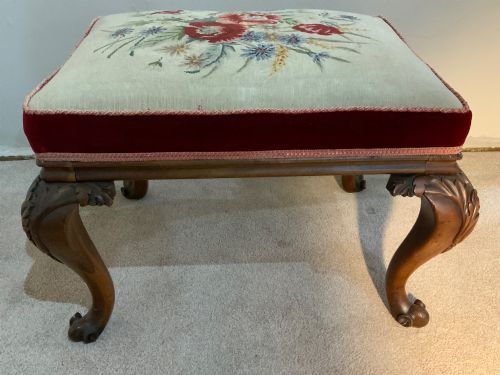
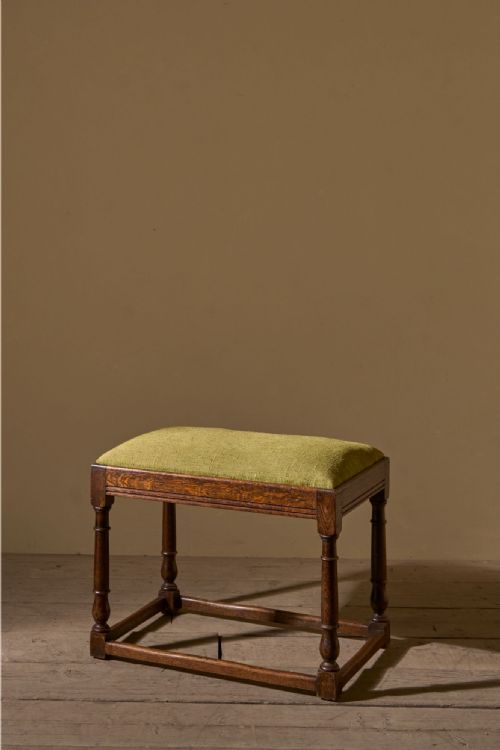
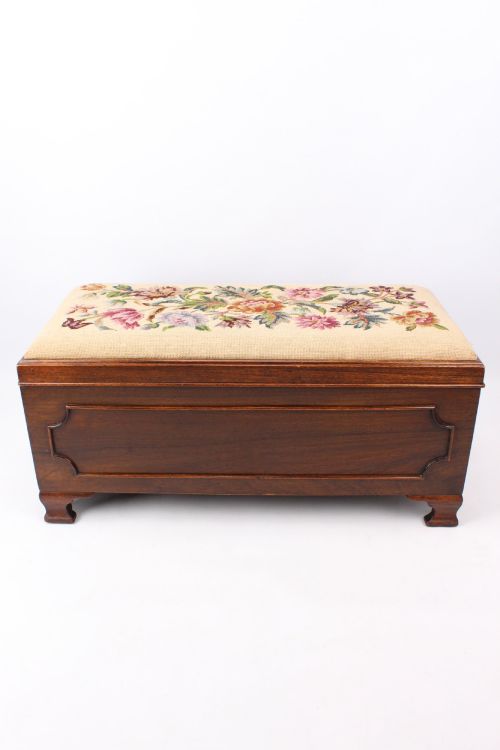
The form ranges from compact single footstools to large centre stools and ottoman box trunks with hinged lids. Walnut, mahogany, and rosewood timber frames support textile, velvet, leather, or tapestry upholstery.
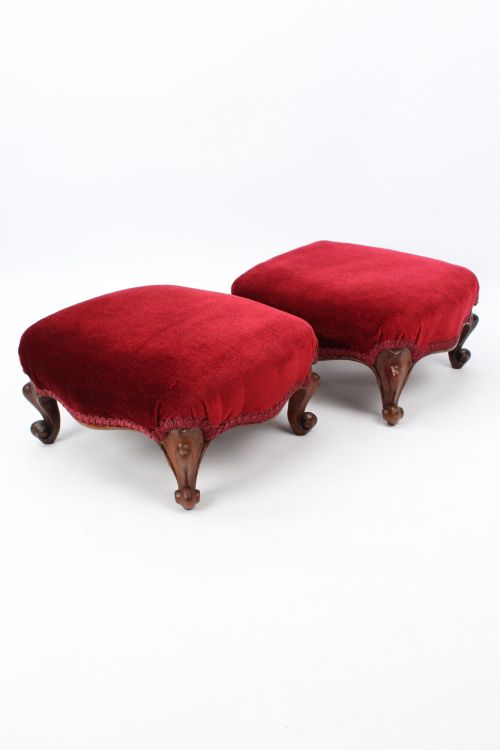
Buyers seeking this phrase most commonly encounter Victorian walnut or mahogany footstools and ottomans resting on short legs or brass castors.
How they were made
Carpenters constructed the low frames using hardwoods such as mahogany, walnut, rosewood, oak, and pitch pine. Decorative detailing often included carved foliage, giltwood accents, and barley-sugar turnings.
Upholstery techniques combined traditional webbing and stuffing with contemporary textiles, ranging from heavy green linen and needlework tapestry to smooth leather and patterned velvet.
Low Upholstered Ottoman Retail Price Guide 2026
Typical asking prices for low upholstered ottoman among the pieces listed under this phrase on Sellingantiques today, from the lower quarter to the upper quarter. They describe what is for sale here now, not the wider market.
What varies in quality
The refinement of the timber carving and the architectural proportion of the frame dictate the standard of the piece. Master craftsmen applied meticulous detail to show wood grain, such as burr walnut or birds eye maple, and balanced the scale of the legs against the upholstered top.
The integrity of the original frame construction and the quality of the textile covering determine the endurance of the ottoman. Pieces displaying stamped maker marks or sophisticated revival styles reflect higher workshop standards.
Harry & Lou Epstein·Mathew Gregson·Loidrault Freres Paris
The Low Upholstered Ottoman Glossary
- Centre stool
- A large freestanding stool designed to be viewed from all sides in the middle of a room. These frequently date from the Victorian period.
- Giltwood
- Wood that has been coated with a thin layer of gold leaf or gilt paint. This finish appears on decorative 19th-century frames.
- Castor
- A small wheel fitted to the base of furniture legs to aid movement. Brass castors frequently support large low footstools.
- Stretcher
- A horizontal wooden rail connecting the legs of a stool to provide structural stability. Some examples feature decorative oyster-veneered stretchers.
Low Upholstered Ottoman: Frequently Asked Questions
How are low upholstered ottomans used?
These pieces function primarily as footstools before armchairs or sofas, or as low seats beside dressing tables. Larger examples also serve as central room stools or low tables when paired with a tray.
Their compact height makes them suitable for placement in front of fireplaces or at the end of a bed for seating.
How do I care for antique upholstery?
Protect delicate textiles such as tapestry, needlework, and velvet by keeping them away from direct sunlight to prevent fading. Regular gentle vacuuming with a soft brush attachment removes surface dust without damaging the fabric.
Treat wooden frames periodically with suitable furniture wax to maintain the finish of the mahogany, walnut, or rosewood.
How do I identify a Victorian ottoman?
Victorian examples frequently utilise dense hardwoods like walnut and rosewood paired with deep buttoning or floral needlework upholstery. They often feature turned or carved legs, sometimes mounted on brass castors for mobility.
Proportions tend to be generous and heavy, reflecting the domestic comfort favoured during the mid to late 19th century.
What is the difference between a stool and an ottoman?
A traditional stool consists of an open wooden frame supporting an upholstered top used purely for seating or resting feet. An ottoman often incorporates an enclosed box base with a hinged lid designed for storage.
Both forms sit low to the ground and share similar stylistic revivals across the Georgian and Victorian eras.