

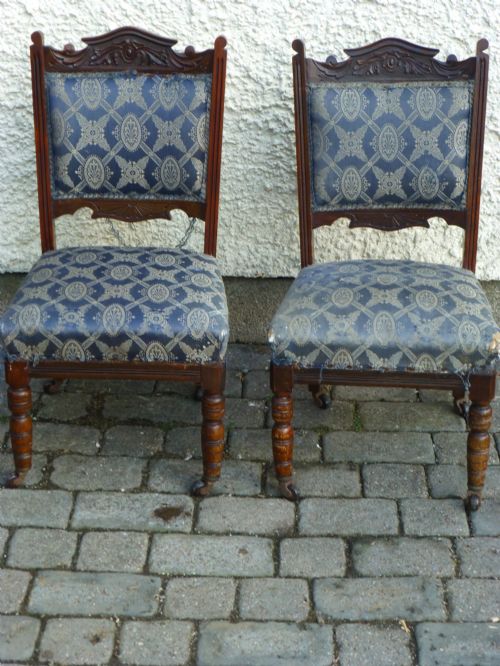
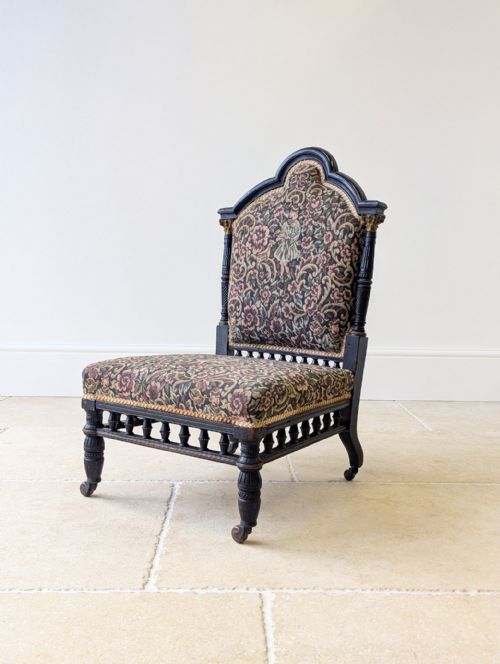
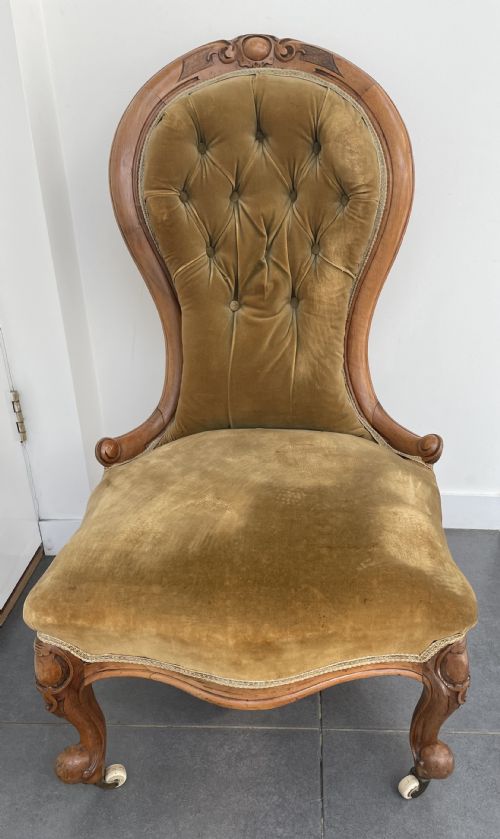
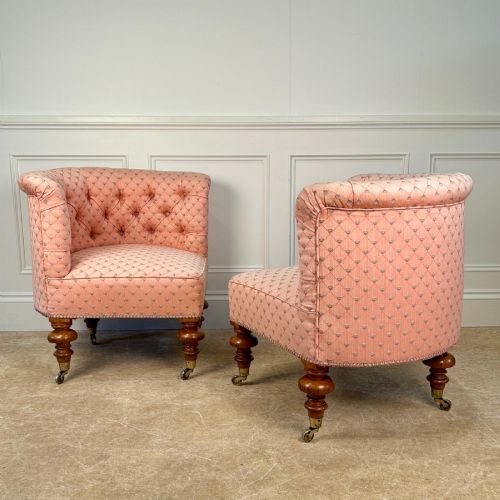
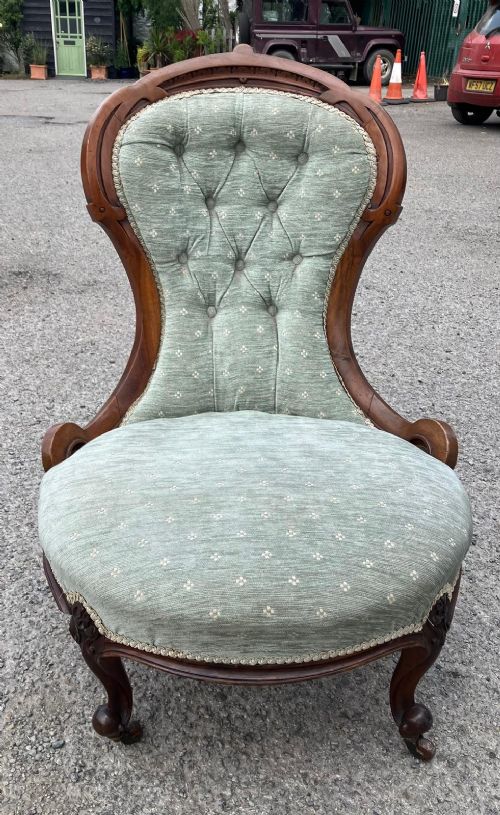
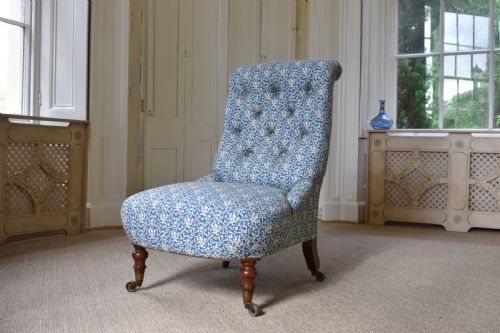
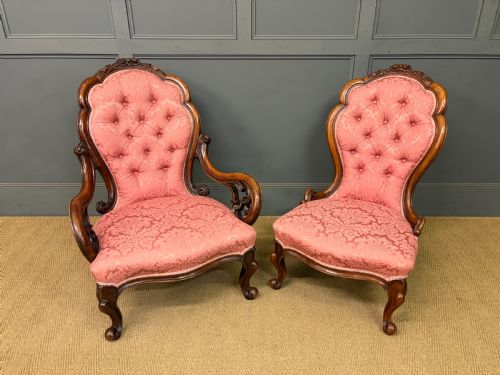
Low Bedroom Chair
A low bedroom chair offers a compact, intimate seat designed for dressing rooms and parlours across the nineteenth and early twentieth centuries.
Low Bedroom Chair
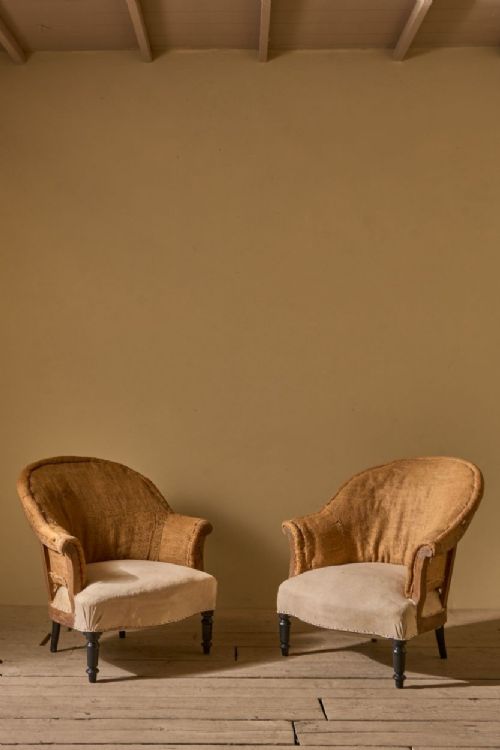
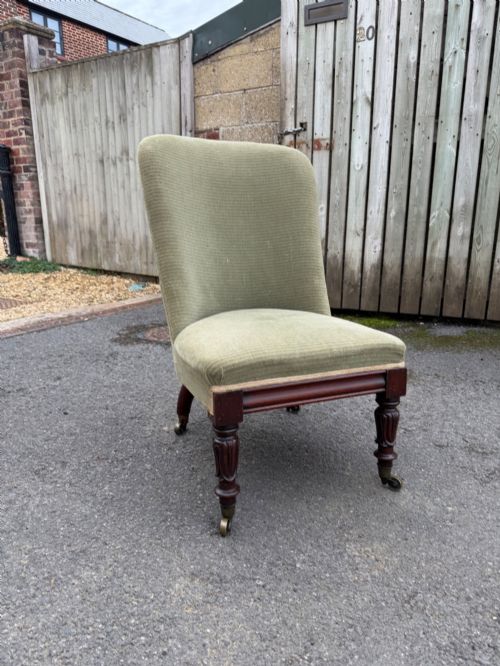
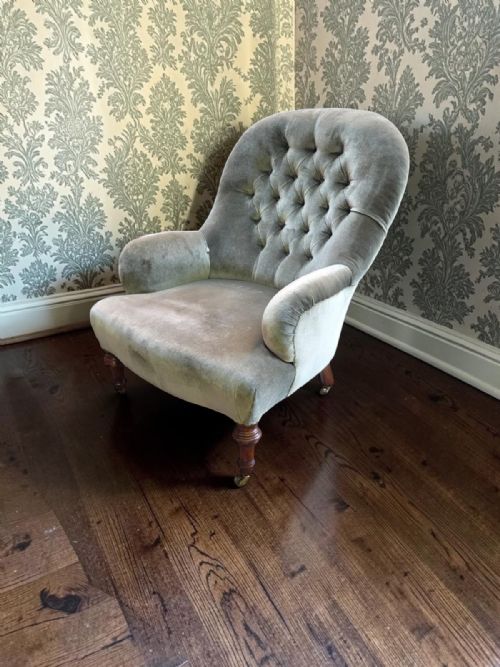
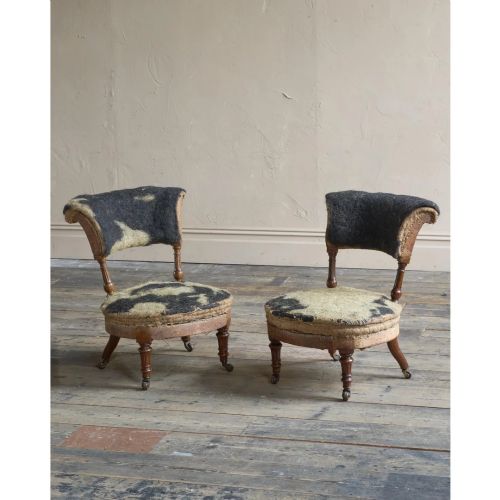
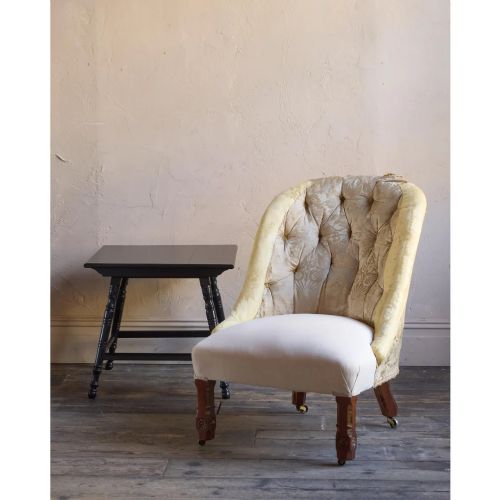
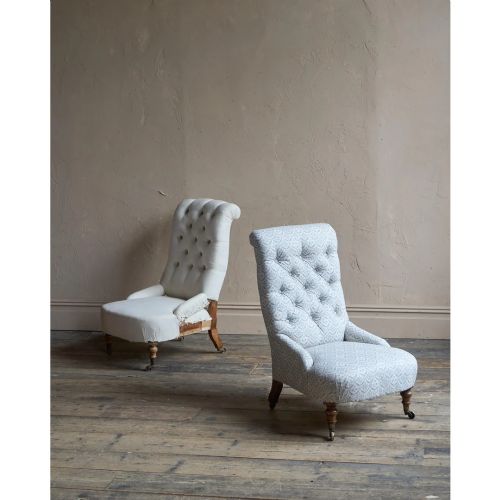
A low bedroom chair encompasses various nineteenth-century and Edwardian seating forms, including nursing chairs, slipper chairs, and small salon chairs designed with reduced seat heights. These pieces emerge predominantly from the Victorian and Edwardian eras, spanning decades from the 1850s to around 1910.
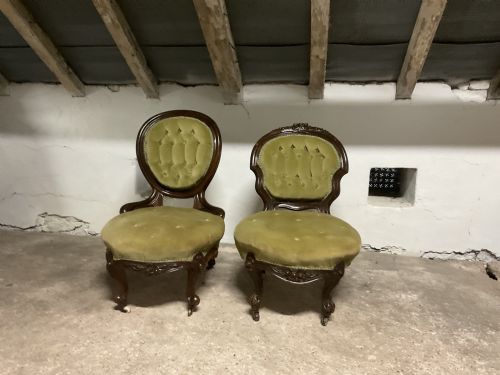
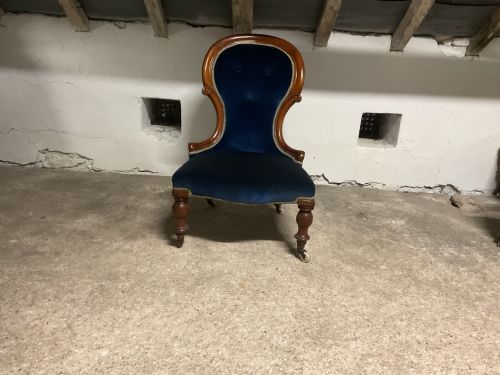
The evidence shows forms such as tub backs, scroll backs, and button-backed frames, frequently constructed in walnut, mahogany, oak, or ebonised wood. Alongside standard bedroom chairs, variants include French Napoleon III models, Aesthetic Movement designs, and George IV or William IV pieces.
Buyers regularly encounter chairs upholstered in velvet, fabric, leather, or tapestry, with several listed specifically for re-upholstering. The selection ranges from carved ladies chairs to bobbin-framed and barley-twist examples intended for intimate domestic spaces.
Materials and construction methods
Frames rely heavily on timbers such as walnut, mahogany, and oak, shaped into turned members like barley twists or bobbin frames, alongside exotic woods such as rosewood and bird's eye maple. Metal components appear in iron-backed structures and brass details.
Upholstery defines the typology, employing traditional stuffing techniques beneath fabrics like velvet, leather, and patterned textiles such as Robert Kime fabric or needlepoint. Button-backing and fringe trim finish many of the low frames.
Low Bedroom Chair Retail Price Guide 2026
Typical asking prices for low bedroom chair among the pieces listed under this phrase on Sellingantiques today, from the lower quarter to the upper quarter. They describe what is for sale here now, not the wider market.
Period styles stretch from George IV and William IV through Victorian and Edwardian eras, including Aesthetic Movement and French Napoleon III designs.
Distinctions in craftsmanship and material grade
Quality rests upon the crispness of timber carving, the structural integrity of the frame joints, and the selection of finer hardwoods like walnut or rosewood over basic softwoods. Maker attributions or stamps from prominent workshops elevate a piece.
The refinement of the turned woodwork, such as finely detailed barley twists or bobbin framing, separates standard production from superior work. Intact original frames retaining their proportions and supportive sprung or stuffed upholstery also distinguish better examples.
Howard and Sons·Gillows
The Low Bedroom Chair Glossary
- Nursing chair
- A low-seated chair traditionally used by women for feeding infants or dressing. These pieces feature compact proportions to allow close access.
- Slipper chair
- An upholstered chair with a very low seat designed for a lady's dressing room. The low stature made putting on shoes and slippers easier.
- Button back
- An upholstery style where depressions are created by pulling twine tightly through the padding and securing it with covered buttons. This technique shapes the fabric into rhythmic tufted patterns.
- Barley twist
- A turning technique resembling a twisted rope, carved into wooden chair legs and structural uprights. It became especially popular during the Victorian period.
- Bergere
- An enclosed upholstered armchair with cane work panels set into the wooden frame. The woven cane sides provide a lighter appearance than solid wood.
Low Bedroom Chair: Frequently Asked Questions
What is a low bedroom chair used for?
These seats were originally designed for private domestic quarters such as dressing rooms, boudoirs, and bedrooms. Victorian ladies utilised their lower stature for tasks like putting on footwear or tending to infants.
Today, modern homes use them as accent seating in smaller spaces or bedrooms where standard chairs would overwhelm the room.
How do I date a Victorian bedroom chair?
Dating relies on combining the wood type, frame style, and upholstery methods recorded across the mid to late nineteenth century. Earlier pieces often feature rosewood or mahogany with restrained lines, while later Victorian versions frequently employ walnut, ebonised finishes, or elaborate turned woodwork.
Looking for maker stamps or construction details helps narrow down the decade of manufacture.
Why are many listed for upholstery?
Many antique frames survive in sound structural condition while their fabric covering has degraded over more than a century of use. Sellers frequently offer these pieces in their original state so buyers can choose modern textiles that match their interior scheme.
This approach preserves the antique frame while allowing fresh fabric to be applied.
Are nursing chairs comfortable to sit in?
Their compact dimensions and low seats create a distinct seating posture compared to standard armchairs or lounge chairs. They work well for relaxing in a corner or at a dressing table, though taller individuals may find the low seat requires adjusting how they stretch their legs.
The deep padding on button-backed versions offers substantial support.