
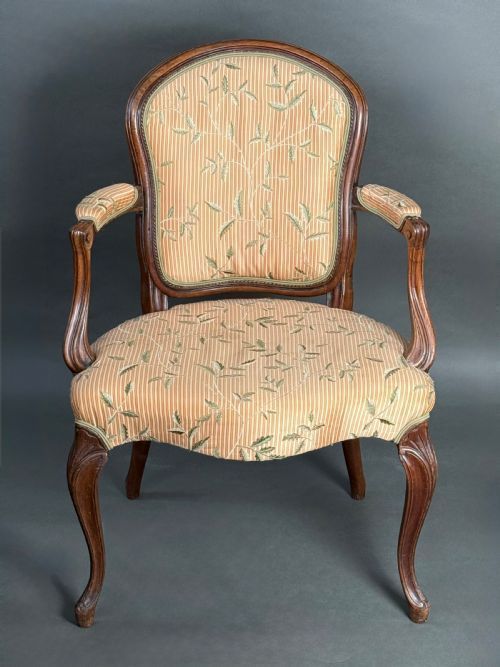
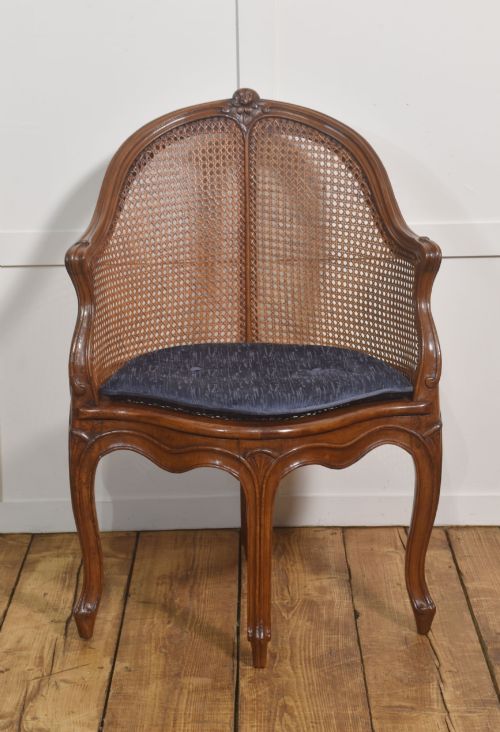
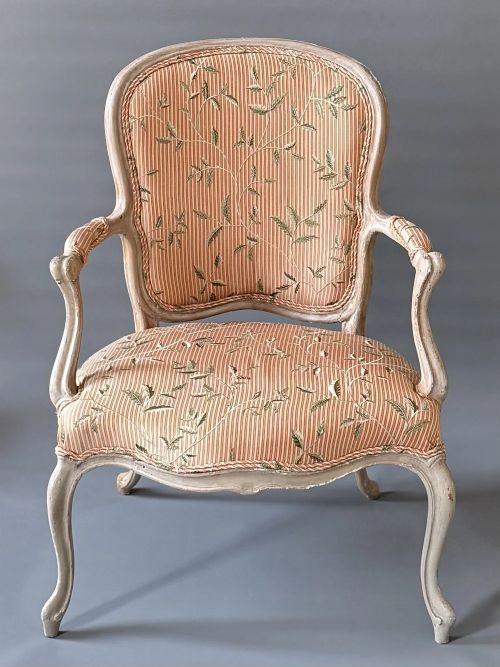
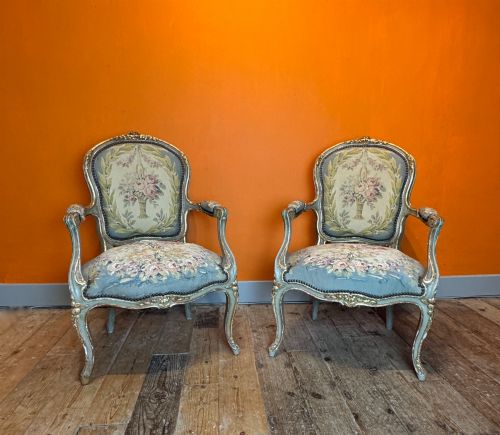
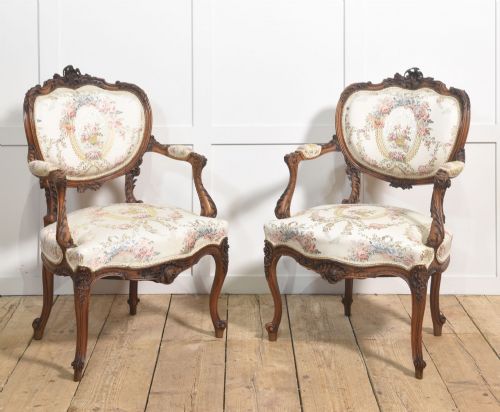
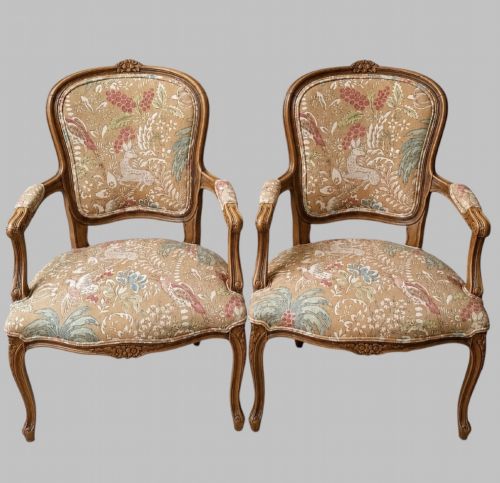
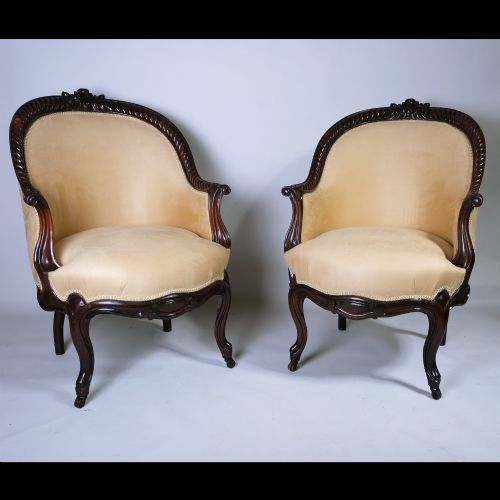
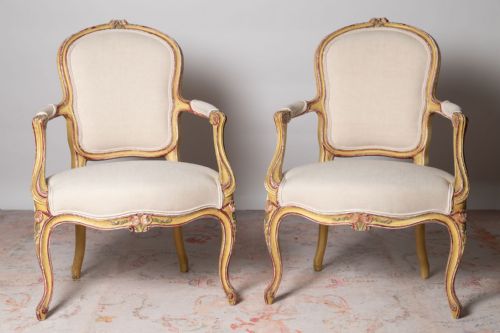
Louis XV Style Fauteuil
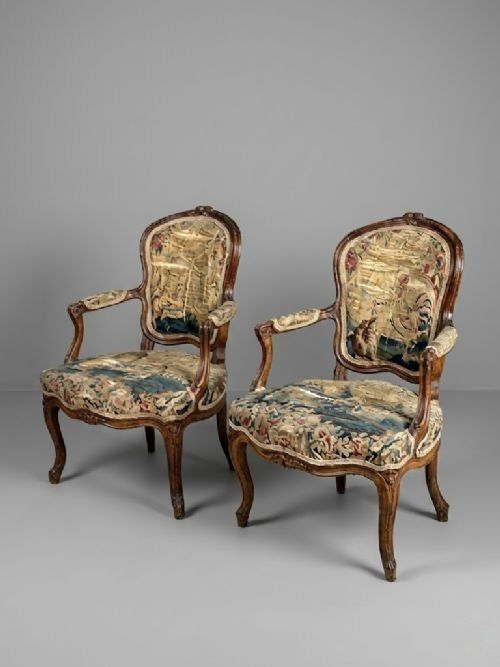
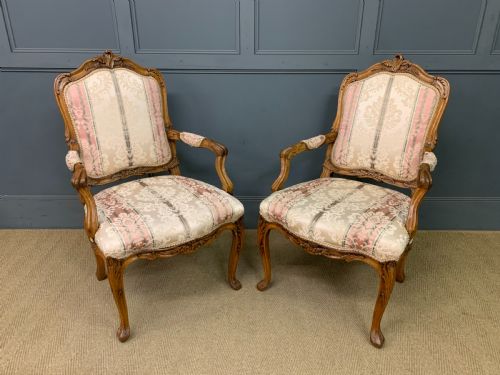
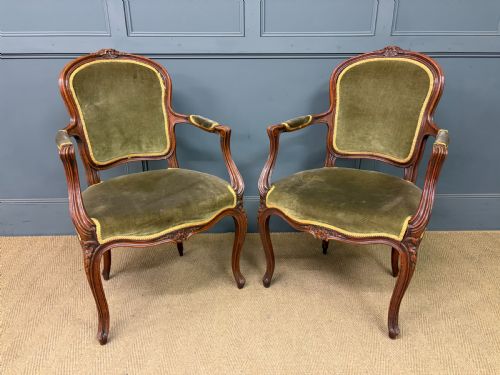
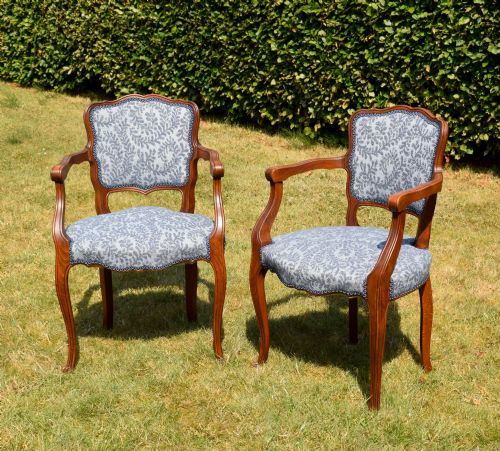
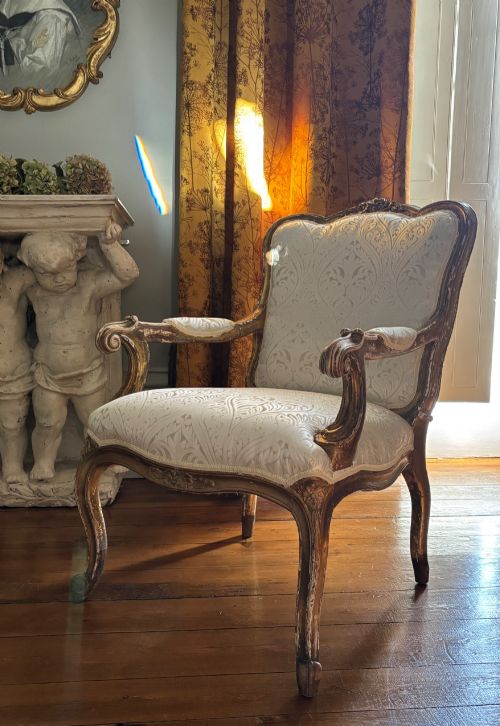
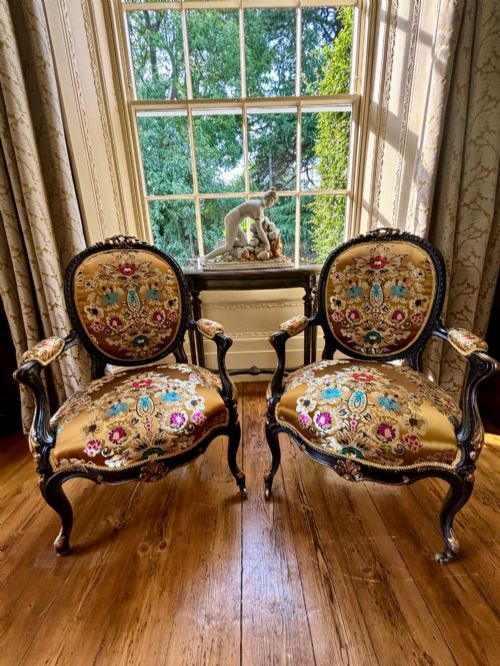
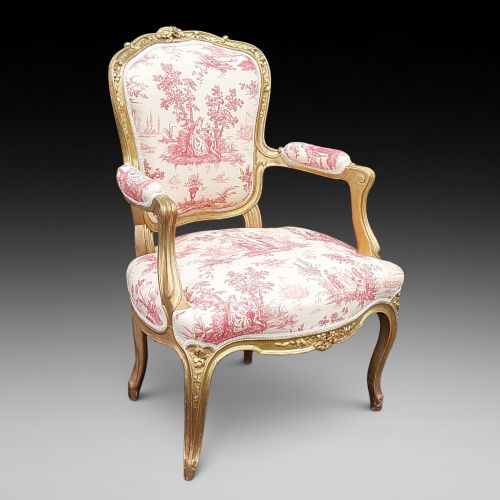
When you select a louis xv style fauteuil, you bring home an open-armed French seat defined by sweeping cabriole lines and carved organic motifs.
Louis XV Style Fauteuil
A louis xv style fauteuil is an upholstered open armchair characterised by curving structural lines, low armrests designed to accommodate voluminous skirts, and decorative carved woodwork originating from eighteenth-century France.
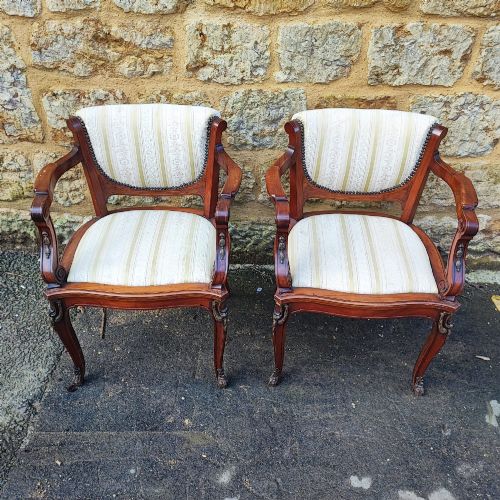
The selections encountered on this page span genuine eighteenth-century creations through to nineteenth-century revival pieces and early twentieth-century interpretations, frequently appearing in matched pairs or larger salon suites.
Formations vary from compact bedroom chairs and low tub chairs to grand throne armchairs, predominantly reflecting the French Rococo aesthetic alongside provincial regional variants.
How They Were Made
Frames are constructed from timbers such as walnut, beech, oak, and fruitwood, shaped by hand-carving to achieve the characteristic asymmetric scrollwork and floral details.
Surface treatments range from natural waxed or bleached wood finishes to layered gessoed giltwood and painted schemes, occasionally retaining parcel-gilt accents.
Upholstery techniques secure traditional fillings beneath silk, velvet, tapestry, needlepoint, or cane panels, fastened closely with decorative metallic tacks.
Louis XV Style Fauteuil Retail Price Guide 2026
Typical asking prices for louis xv style fauteuil among the pieces listed under this phrase on Sellingantiques today, from the lower quarter to the upper quarter. They describe what is for sale here now, not the wider market.
Listings feature walnut, giltwood, beech, and painted wood frames upholstered in silk, velvet, and tapestry across the eighteenth, nineteenth, and twentieth centuries.
What Varies in Quality
The crispness and depth of the hand-carving across the crest rail, arm terminals, and cabriole legs distinguish superior examples from simpler production.
Originality of surface finish, whether intact period paint, untouched gilding, or patinated timber, elevates the standing of an individual piece.
The harmony of proportion between the open frame and the supportive upholstery determines the overall structural success of the armchair.
Blaise Maucuy
The Louis XV Style Fauteuil Glossary
- Fauteuil
- An open-armed upholstered armchair with exposed wooden framing. This form became a staple of French interior design for receiving guests in formal salons.
- Cabriole leg
- A furniture leg that curves outward in a convex arc and then bends inward in a concave arc, terminating in a scroll or pad foot. It mirrors natural organic movement.
- Giltwood
- Timber coated with a thin layer of gold leaf applied over a prepared gesso ground. This luxurious finish reflects candlelight in eighteenth-century reception rooms.
- Aubusson
- A traditional hand-woven tapestry style originating from the French town of the same name. These pictorial textiles frequently cover seat backs and cushions.
- Cane
- Woven rattan material utilised for chair backs and seats to provide a lightweight and decorative panel. It appears frequently on provincial seating variants.
Louis XV Style Fauteuil: Frequently Asked Questions
What is a louis xv style fauteuil?
A louis xv style fauteuil is an open-armed French armchair featuring exposed carved wooden frames, curved cabriole legs, and upholstered components.
These chairs were originally designed for comfortable seating in eighteenth-century salons, allowing individuals to sit easily while wearing elaborate garments.
How do I identify the period?
Dating relies on examining the timber species, hand-carved joinery techniques, and the wear patterns on painted or gilded surface finishes.
Earlier eighteenth-century pieces display organic tool marks and native timbers, whereas nineteenth-century revival examples often incorporate machine assistance alongside period stylistic details.
Where should I place one?
These armchairs suit living rooms, bedrooms, or reading corners where their sculptural wooden frames and upholstered backs can be viewed from multiple angles.
Pairing them with matching side tables or placing them as accent seats creates a balanced interior arrangement.
Can I use them daily?
Daily utilisation is entirely practical provided the internal webbing, frame joints, and upholstery support remain stable and sound.
Checking the structural integrity of the open arms and legs ensures the seating safely accommodates routine domestic activity.