


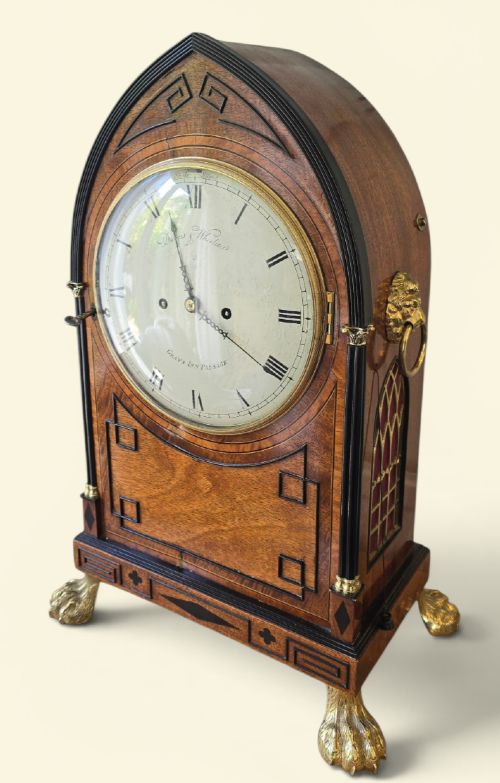
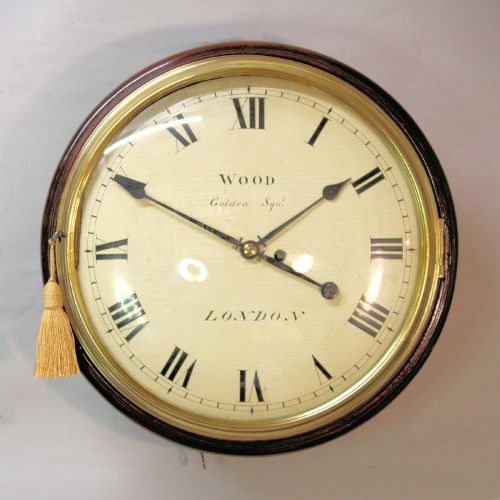
London Regency Clock
When you search for a London regency clock, you enter a world of precise brass movements and polished timber built by master horologists.
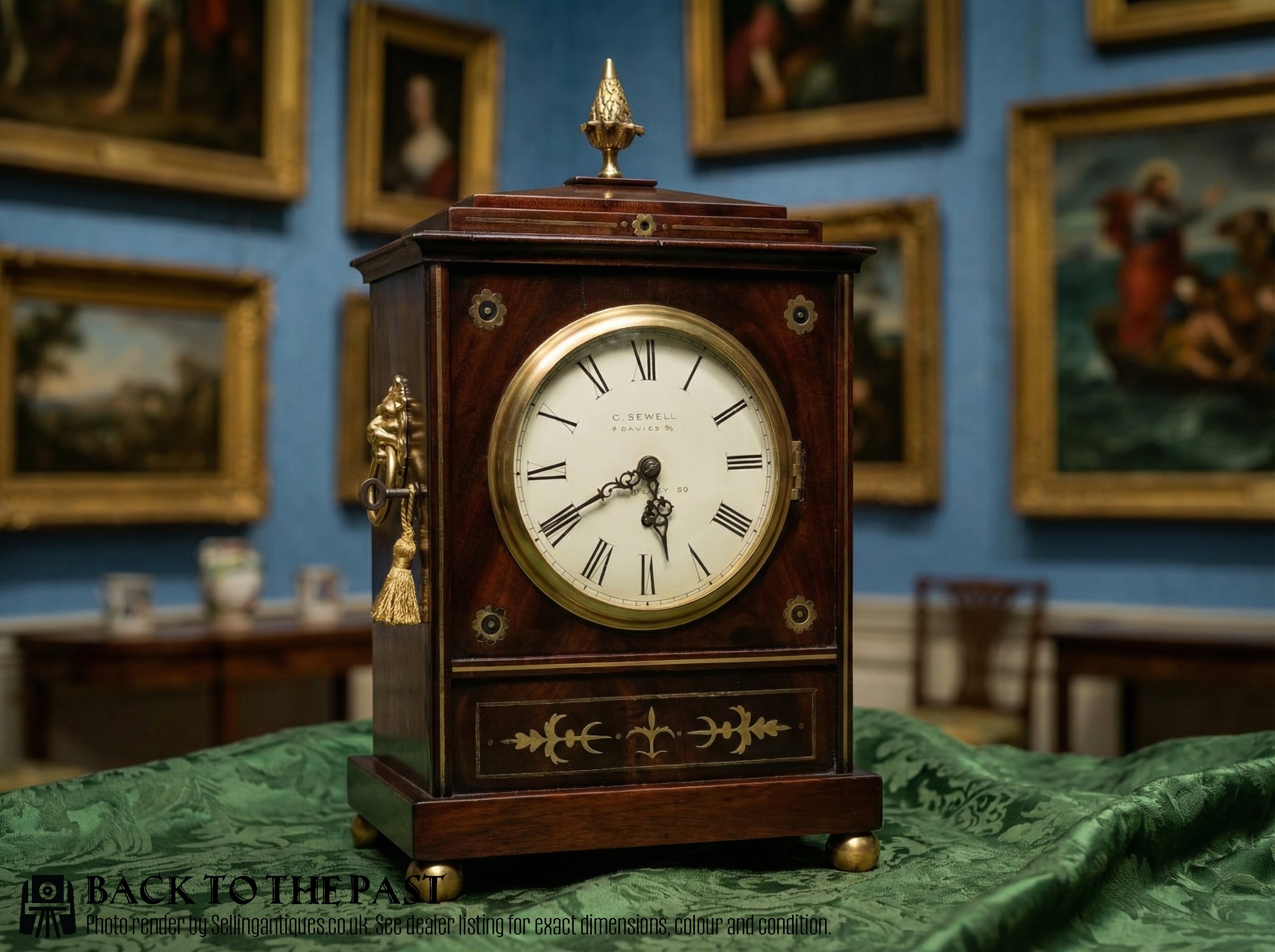
London Regency Clock
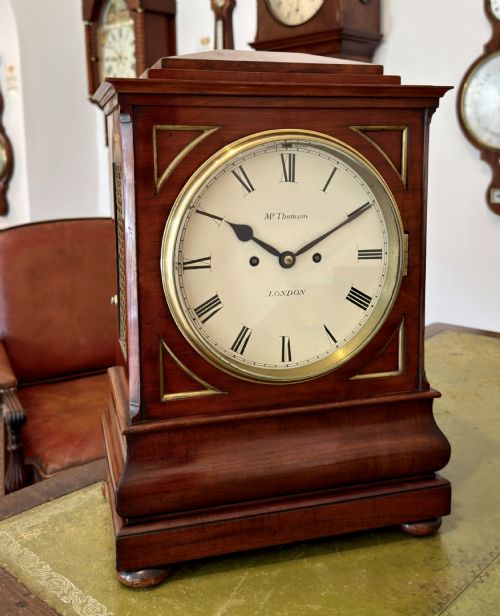
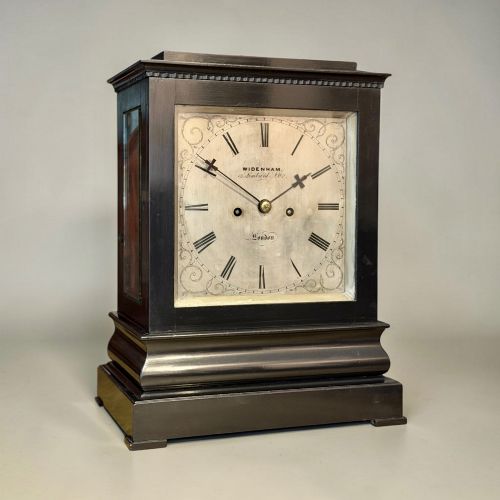
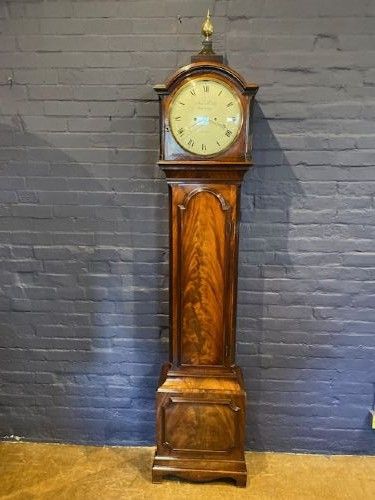
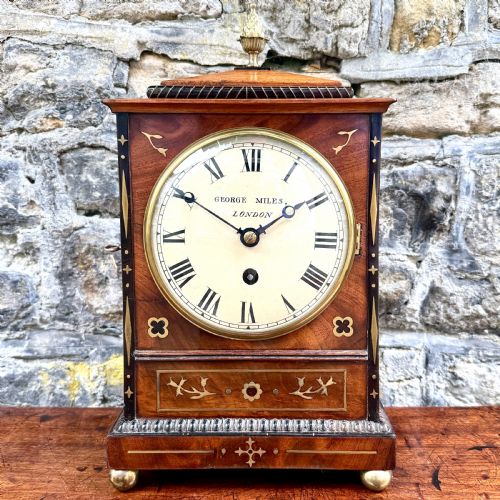
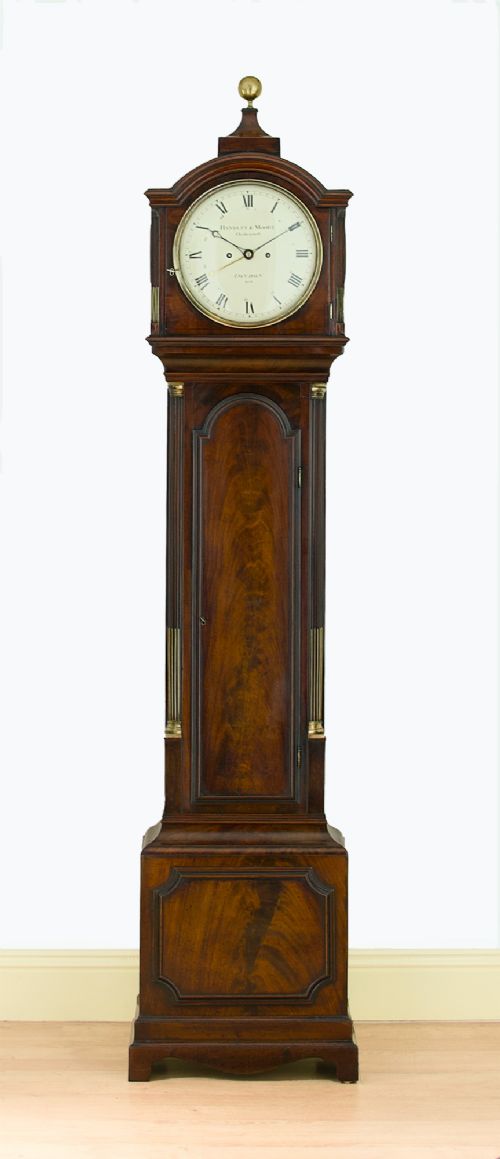
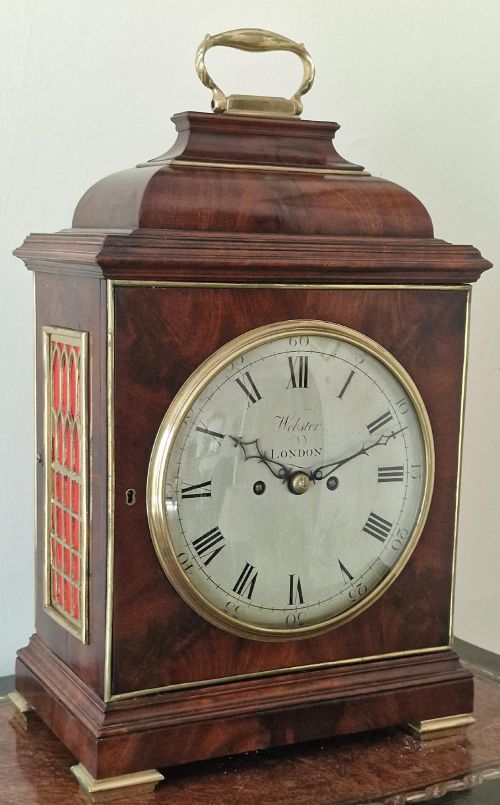
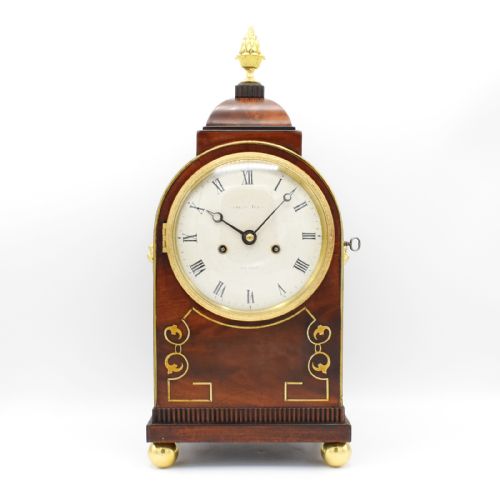
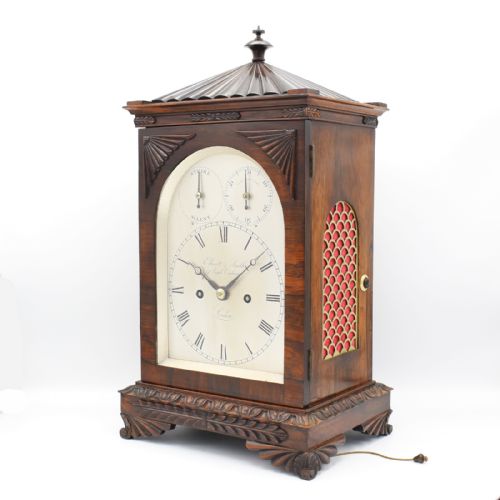
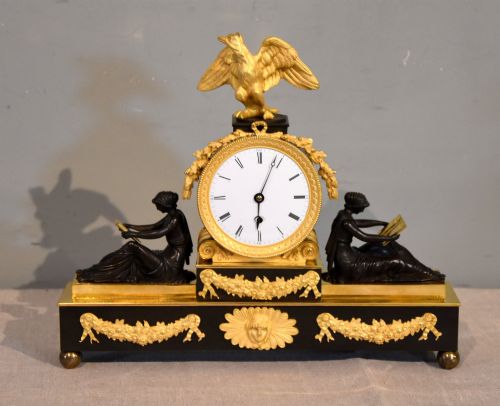
A London regency clock encompasses a range of timepieces made in the capital during the Georgian, Regency, and early Victorian periods, including mantel clocks, bracket clocks, wall clocks, and longcase clocks.
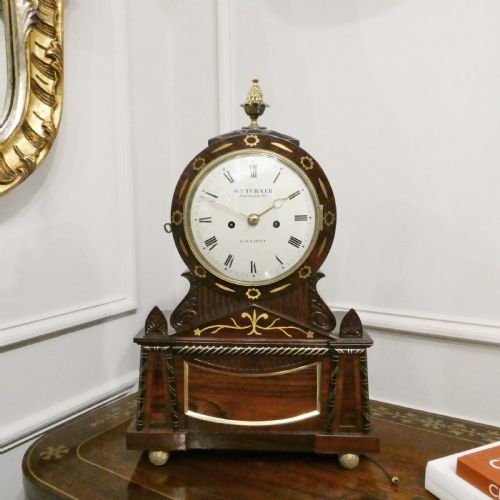
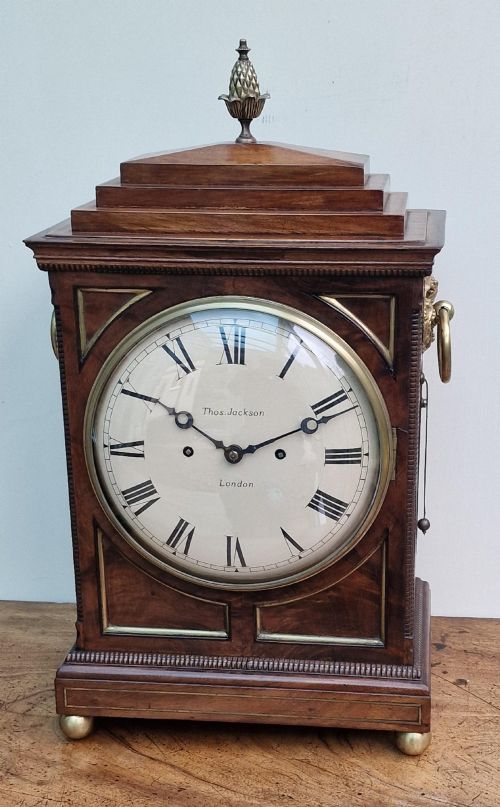
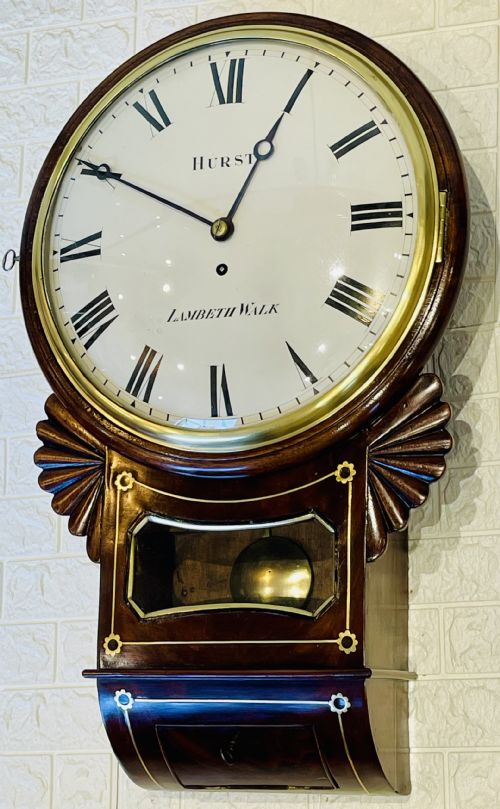
The most common formats met in these selections are mahogany bracket clocks and fusee wall clocks bearing the signatures of London makers.
These instruments served both a utilitarian purpose in keeping accurate time and a decorative function within the domestic and public interiors of the era.
How they were made
Cabinetmakers utilised rich timbers such as mahogany, rosewood, and ebonised wood to house the movements, often incorporating brass inlay, ormolu mounts, and gilt bronze details.
Dial construction relied upon painted enamel, silvered metal, and convex wood, matched with glazed bezels and brass fusee movements to regulate the pull of the mainspring.
Listings feature mahogany, rosewood, brass, and enamel across bracket, wall, and longcase forms from the Georgian and Regency eras.
What varies in quality
The degree of refinement in a London regency clock depends upon the crispness of the cabinetwork, the complexity of the movement, such as quarter-striking capabilities, and the prestige of the maker named on the dial.
Selection of materials and the delicacy of brass inlay or carved architectural details mark the difference between standard production and an exemplary workshop creation.
James McCabe·Handley and Moore·Paul Philip Barraud·Desbois and Wheeler·Vulliamy London
The London Regency Clock Glossary
- Fusee
- A conical pulley designed to maintain an even pull on the clock's mainspring as it unwinds. This mechanism improves timekeeping consistency across the duration of the wind.
- Bracket clock
- A portable timekeeper originally designed to sit on a wall bracket or table. These pieces often feature striking mechanisms and carrying handles.
- Drop-dial clock
- A wall-mounted timepiece featuring an extended trunk below the circular face. This design houses a visible pendulum and often incorporates a hinged side or bottom access door.
- Ormolu
- Gilded bronze ornamentation applied to furniture and clock cases. The technique involves treating metal with a mercury and gold amalgam.
- Timepiece
- A clock that indicates the time without striking on the hour or quarters. These movements focus solely on the visual display of hours and minutes.
London Regency Clock: Frequently Asked Questions
How do I wind a fusee clock?
Use the appropriate key inserted into the winding hole on the dial face, turning gently until you feel resistance. Avoid over-winding to protect the tension of the mainspring.
Ensure you handle the pendulum with care if moving the case after the winding process is complete.
Were these clocks used in homes?
Wealthy households placed bracket clocks on mantelpieces or tables in reception rooms, while longcase clocks stood in hallways.
Smaller dial clocks found utility in offices, libraries, and public spaces across London.
How do I identify a Regency movement?
Examine the backplate for the maker's signature and serial numbers, which often match the city records of London guilds. The presence of a fusee chain or cord offers a reliable indicator of the period.
Inspect the escapement style and the quality of the brass engraving for period-specific traits.
Why do some dials say London?
Makers inscribed their location to denote the high standards associated with the London clockmaking trade. Guild regulations and the concentration of skilled artisans in the capital made this a mark of prestige.