



Lead Crystal Rummer
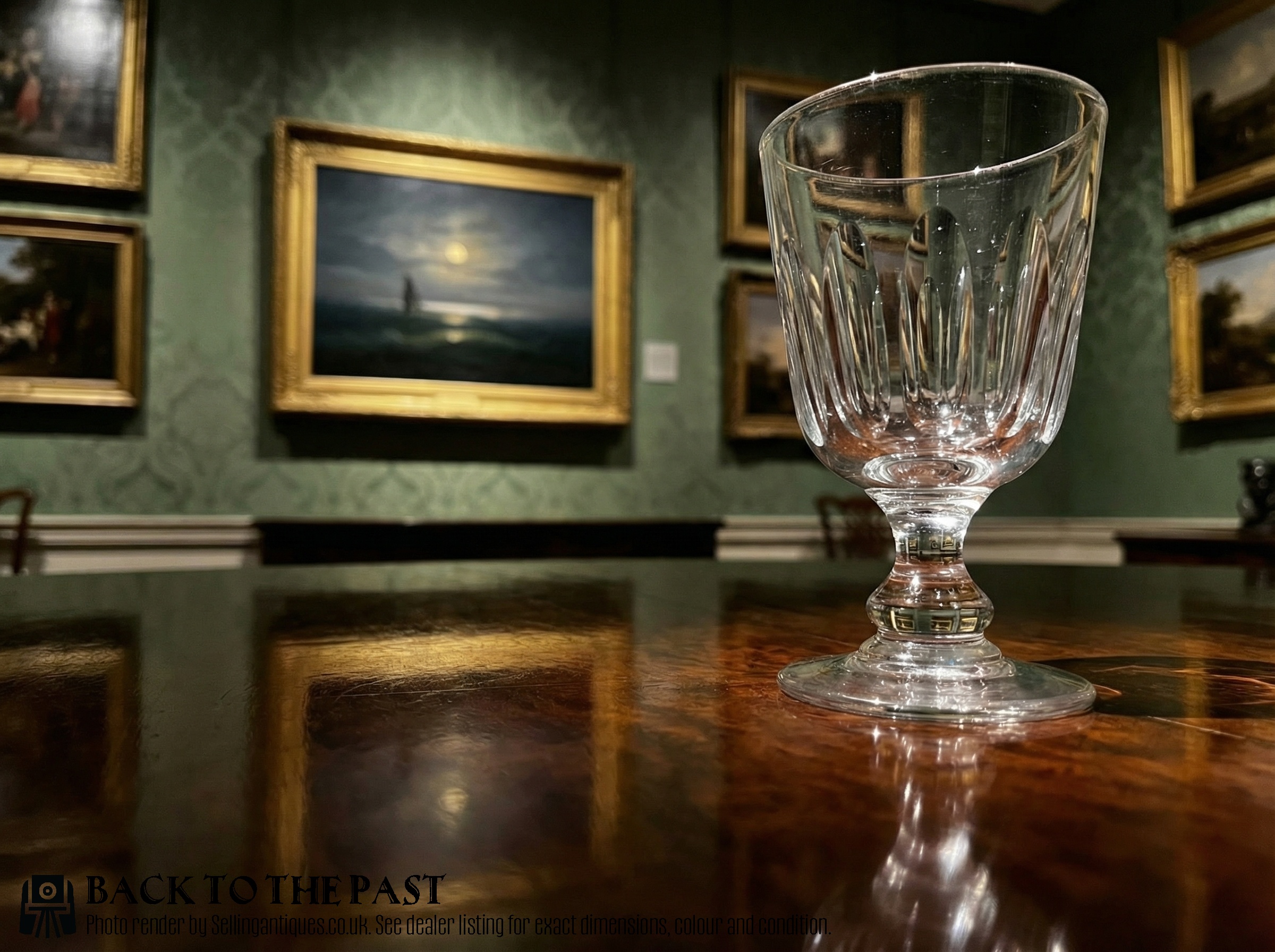
A lead crystal rummer is a sturdy drinking vessel designed for ale, spirits, or wine, prized for its weight and brilliance.
Lead Crystal Rummer
A lead crystal rummer is a substantial drinking glass found across the Georgian, Regency, and Victorian periods.
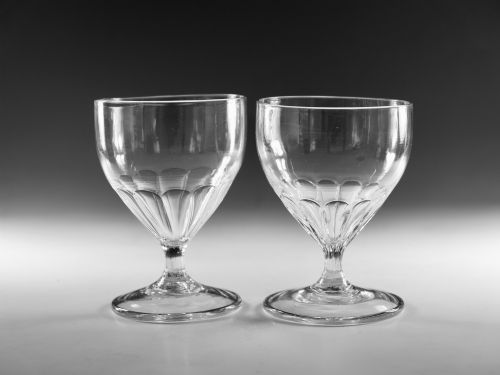
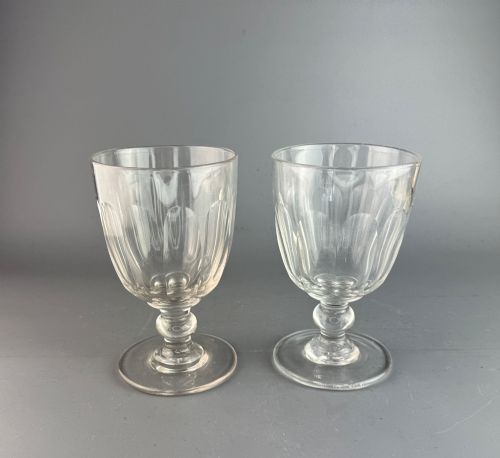
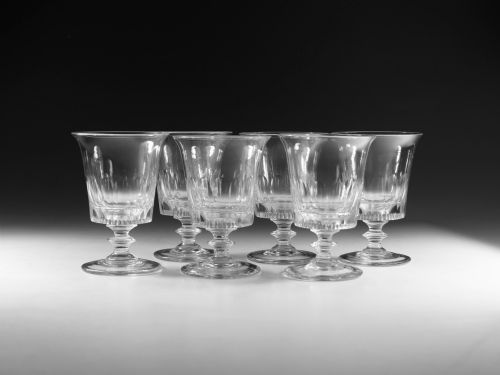
The selections here include English vessels featuring deep bowls, ovoid forms, and bucket shapes intended for generous daily toasts.
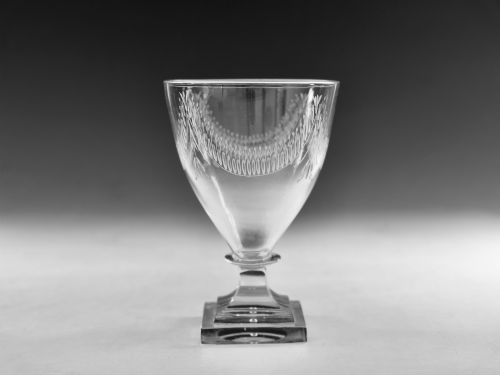
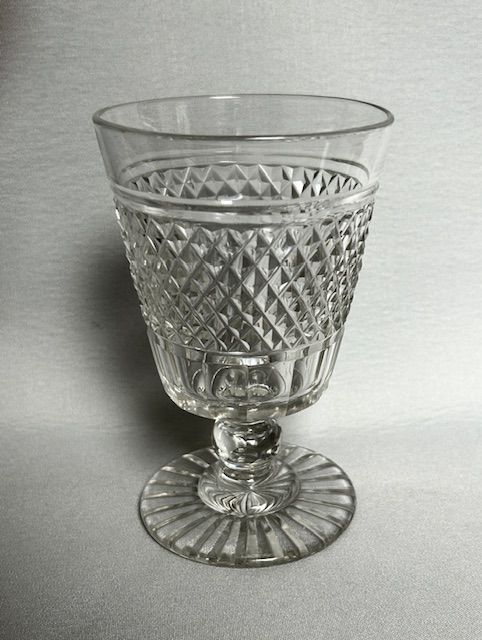
Buyers encounter examples ranging from plain ovoid bowls on simple stems to large cut glass pieces and square lemon squeezer feet.
Materials and construction
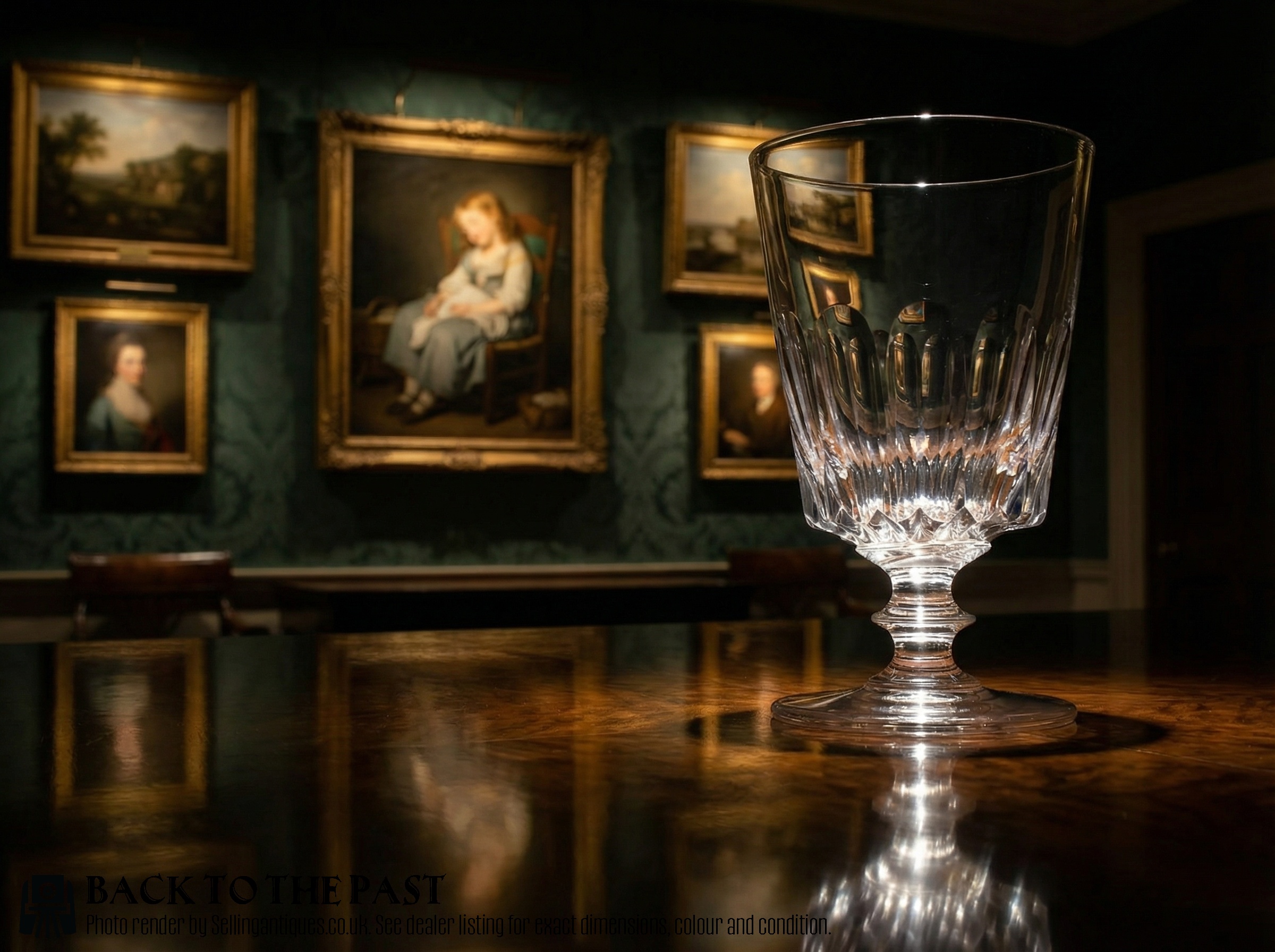
Craftsmen shaped these objects using hand-blown lead glass, flint glass, and clear glass to achieve high optical clarity and heft.
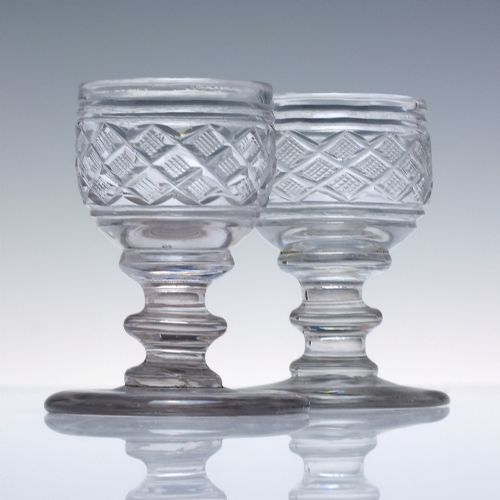
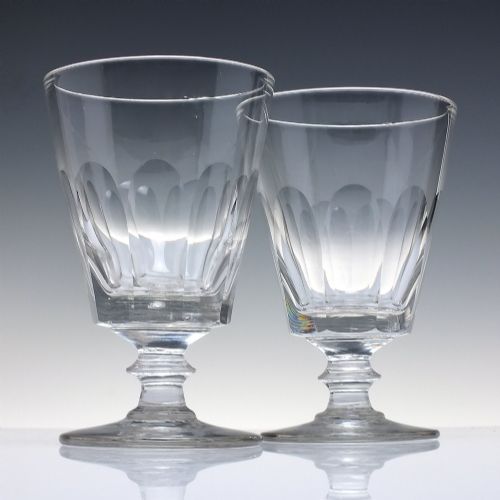
Makers utilised cutting wheels to apply hobnail patterns, flutes, and geometric facets across the surface of the metal.
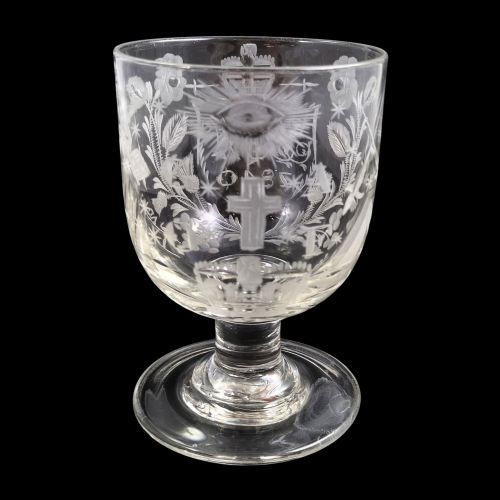
Engravers finished many pieces with wheel-cut motifs such as hops, barley, armorials, or commemorative ships.
Lead Crystal Rummer Retail Price Guide 2026
Typical asking prices for lead crystal rummer among the pieces listed under this phrase on Sellingantiques today, from the lower quarter to the upper quarter. They describe what is for sale here now, not the wider market.
Historic drinkers commemorated local infrastructure on glassware, as seen in rummers engraved with the Sunderland Bridge.
Factors determining quality
The weight and purity of the lead glass dictate the ring and brilliance of the vessel.
The precision and depth of the wheel-cut facets or the fineness of the hop and barley engraving separate standard items from finer works.
Proportion and stability, particularly in formed bases like square lemon squeezer feet, influence the overall character.
The Lead Crystal Rummer Glossary
- Rummer
- A large drinking glass designed for ale, wine, or spirits during the eighteenth and nineteenth centuries. These vessels typically feature a short stem and a capacious bowl.
- Lemon squeezer base
- A square, pressed glass foot with indented corners resembling a traditional kitchen lemon squeezer. This form is characteristic of the Regency and Georgian periods.
- Hobnail cut
- A raised, diamond-shaped geometric pattern cut into the body of glassware. It creates a tactile texture that catches the light.
- Ovoid bowl
- An egg-shaped drinking bowl common on early English rummers. This curve helps concentrate aromas.
- Flint glass
- An early British term for heavy, high-clarity lead glass containing potassium and lead oxide. It provides exceptional weight and brilliance.
Lead Crystal Rummer: Frequently Asked Questions
What is a lead crystal rummer?
A lead crystal rummer is a heavy eighteenth or nineteenth-century English drinking glass used for ale, wine, or punch. These vessels are known for their generous bowl capacity and sturdy build.
They appear in forms ranging from plain ovoid shapes to heavily cut Anglo-Irish designs with square bases.
How were rummers used originally?
Rummers served as everyday drinking vessels for hearty toasts, ale, spirits, and wine in homes and taverns. Their substantial weight helped prevent tipping on wooden tables.
Larger serving versions were also passed around the table during social gatherings.
How do I date an antique rummer?
Dating relies on observing foot shapes, stem styles, and decorative techniques like wheel engraving or cutting. Georgian examples often feature pontil marks and square bases, while Victorian pieces tend to be heavier and larger.
Comparing the optical clarity and lead content also offers clues to the era of manufacture.
Can I use antique rummers today?
Many collectors enjoy using these sturdy lead crystal vessels for modern dining and entertaining. Hand washing in warm water preserves the historic glass safely.
Their robust construction makes them surprisingly practical for everyday use.