
Late Victorian Storage Chest
A late victorian storage chest offers practical utility and period character, bringing sturdy timber construction and functional compartments into a room.
Late Victorian Storage Chest
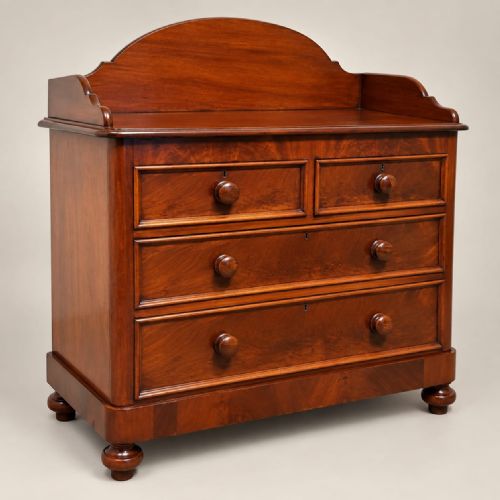
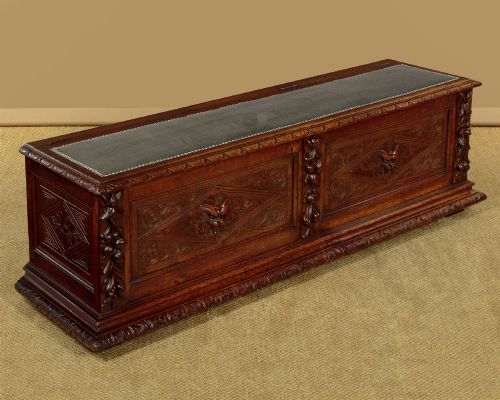
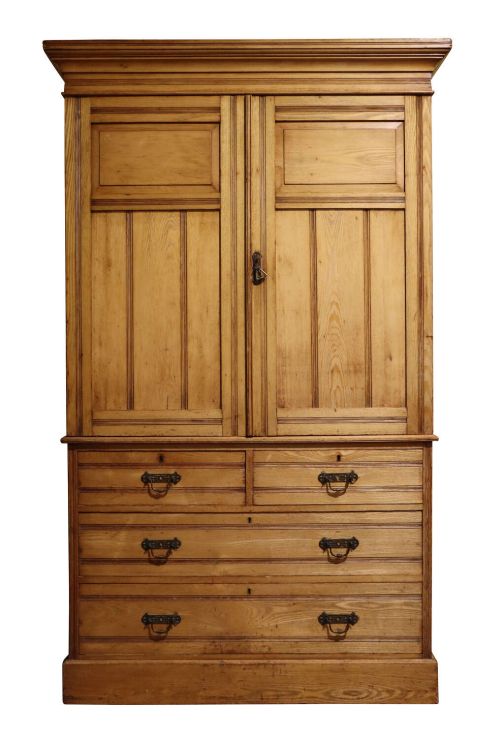
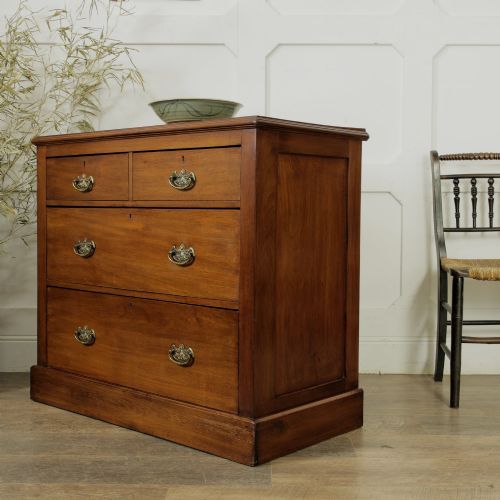
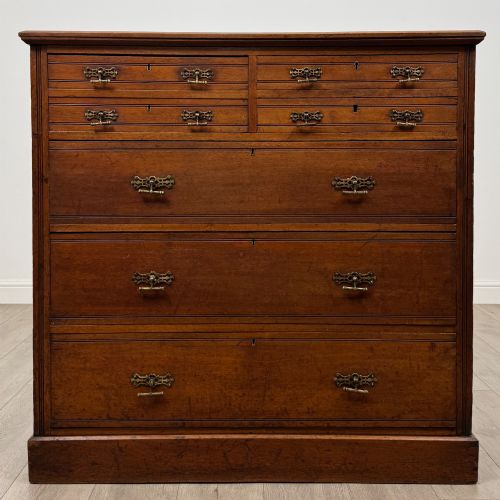
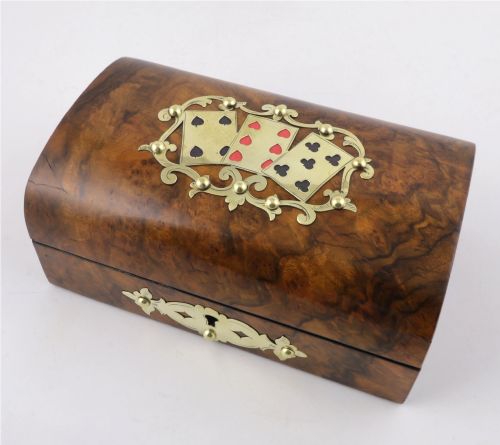
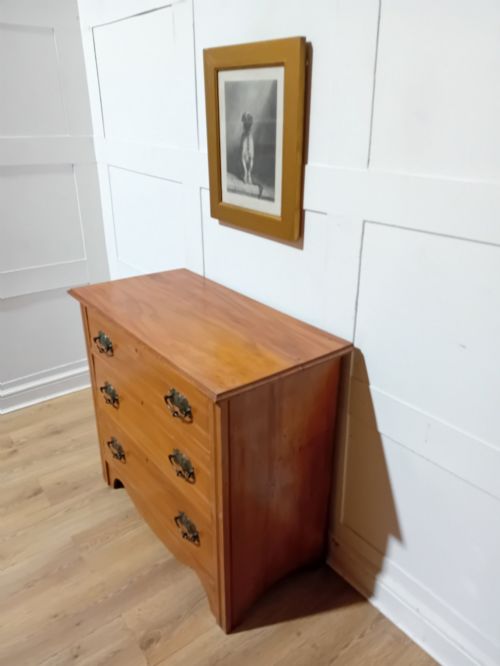
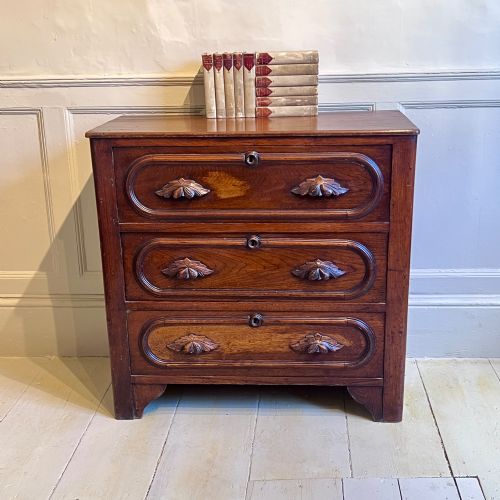
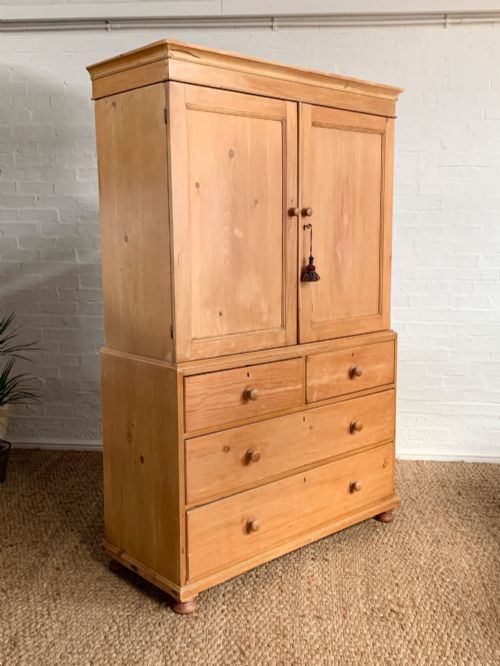
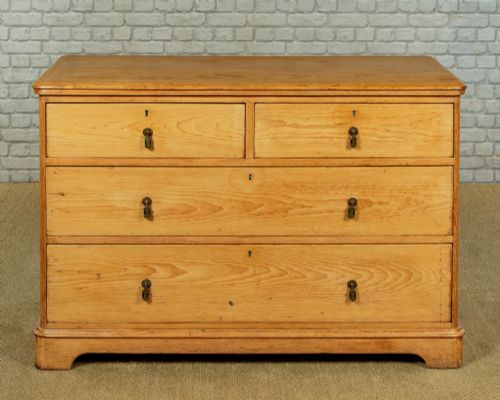
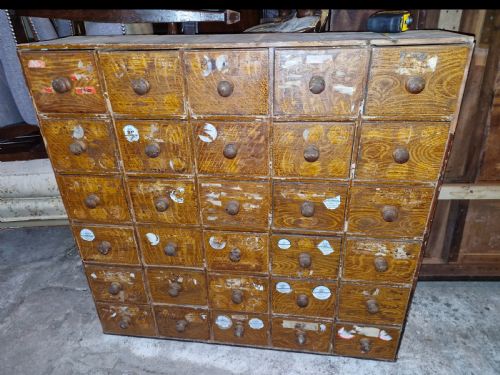
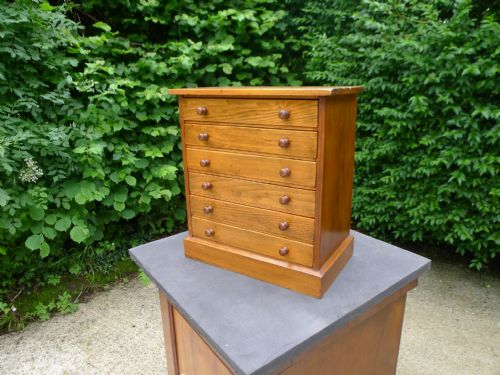
A late victorian storage chest encompasses a variety of domestic forms spanning the Victorian, Edwardian, and late nineteenth-century periods. Buyers typically encounter upright chests of drawers, blanket boxes, and specialised collector cabinets made across English and American workshops.
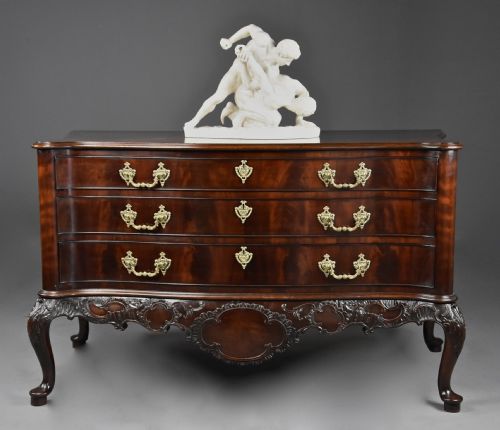
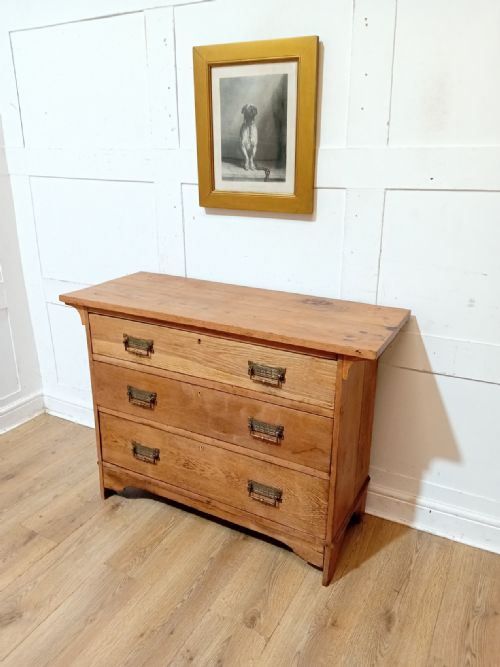
The selection ranges from utilitarian pine trunks and painted travel pieces to refined mahogany and satinwood chests built in revivalist styles. Standard drawer chests and commodes dominate the selection, alongside occasional oak media cabinets and iron-banded log bins.
Pieces frequently display regional British characteristics, drawing on cabinet-making traditions from major urban centres as well as rural workshops. Many examples integrate secondary woods and functional brass hardware appropriate to their intended domestic or office use.
Materials and Construction
Cabinet makers relied heavily on solid hardwoods like mahogany, walnut, and oak, alongside domestic softwoods such as pine and pitch pine for carcases and internal framing. Decorative veneers including satinwood and ash were frequently applied to drawer fronts and panelled surfaces to create visual contrast.
Construction techniques combined traditional dovetailed drawer joints with solid panel framing, brass hinges, and iron bands for travel trunks. Surfaces were finished with hand-carved details, inlaid stringing, or painted treatments depending on whether the piece was destined for a formal parlour or a utility space.
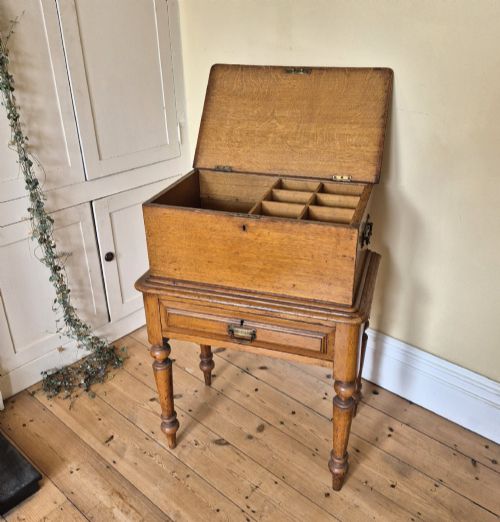
Railway offices once relied on specialised ticket-dispensing boxes on stands to keep suburban commuters moving.
Quality and Distinction
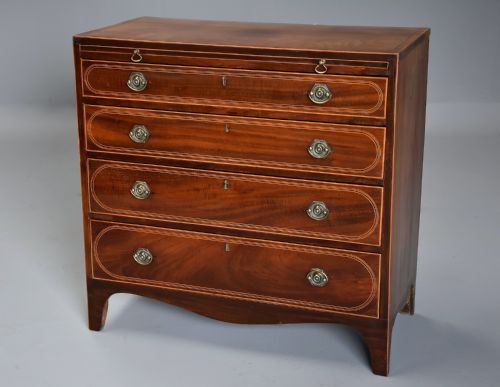
The distinction between standard utility items and finer examples rests upon timber selection, secondary wood use, and the precision of the joinery. Superior pieces employ dense, well-figured mahogany or satinwood with carefully matched veneers and hand-cut dovetails.
Hardware and secondary detailing further separate tiers of production, with heavy brass handles, functional locking mechanisms, and integrated panel mouldings elevating the status of a cabinet. Workshops known for branded production or documented retailer association often demonstrate greater attention to internal secondary timbers.
Maple And Co·Jas Shoolbred·Harris Lebus Of Tottenham·Druce And Co·Freemans Of Norwich
The Late Victorian Storage Chest Glossary
- Dovetail
- A traditional wood joint formed by interlocking wedge-shaped fingers. This method secures drawer corners and structural frames against lateral stress.
- Cellarette
- A dedicated storage chest designed for holding bottles of wine or spirits. These containers were frequently lined and fitted for domestic dining rooms.
- Wellington chest
- A tall, narrow chest of drawers secured by a locking side stile that fastens over the drawer edges. This form originated in the nineteenth century for efficient security of papers or linen.
- Satinwood
- A pale, lustrous hardwood sourced from tropical trees. Cabinet makers utilised this timber for veneers and stringing due to its reflective grain.
- Commode
- A low piece of furniture containing drawers or doors, functioning primarily as a decorative storage cabinet. In nineteenth-century usage, the term often denotes a serpentine or bow-fronted chest.
Late Victorian Storage Chest: Frequently Asked Questions
What is a late victorian storage chest?
A late victorian storage chest is a domestic wooden container made during the final decades of the nineteenth century. These items were designed to hold clothing, household linens, or personal collections.
Workshop production during this era included everything from utilitarian pine travel trunks to polished mahogany chests of drawers and satinwood collector cabinets.
How were these chests used originally?
Households utilised these pieces across bedrooms, hallways, and living spaces for organising daily goods. Deep drawers stored garments, while lidded boxes held blankets, games, or valuables.
Specialised variants like music cabinets and cellarettes served specific domestic routines involving entertainment and dining.
How do I care for antique timber?
Protect wooden surfaces by keeping chests away from direct heat sources and sudden humidity shifts. Regular dusting with a dry cloth maintains the finish.
Apply natural wax sparingly when the timber appears dry, avoiding modern silicone sprays that can damage historic polishes.
How can I identify the period?
Dating relies on examining construction materials, hardware styles, and design motifs. Late nineteenth-century pieces often combine traditional dovetailing with machine-sawn elements.
Stylistic revivals such as Sheraton, Chippendale, and Arts and Crafts provide further clues to the decade of manufacture.