

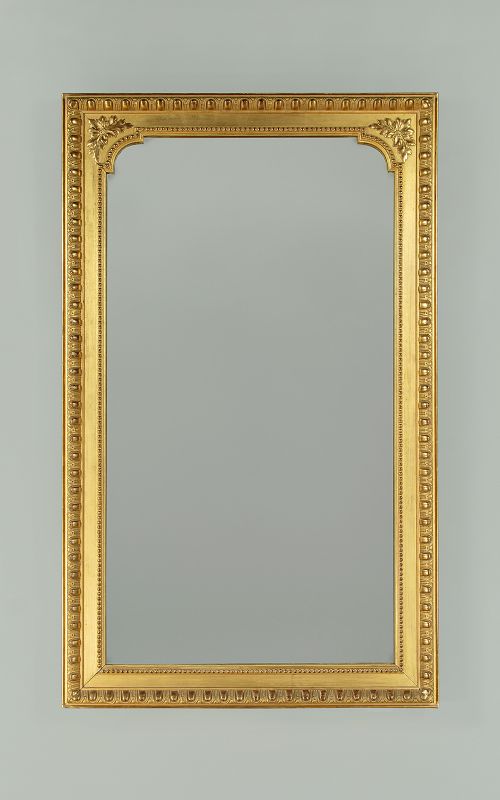


Late Victorian Overmantel Mirror
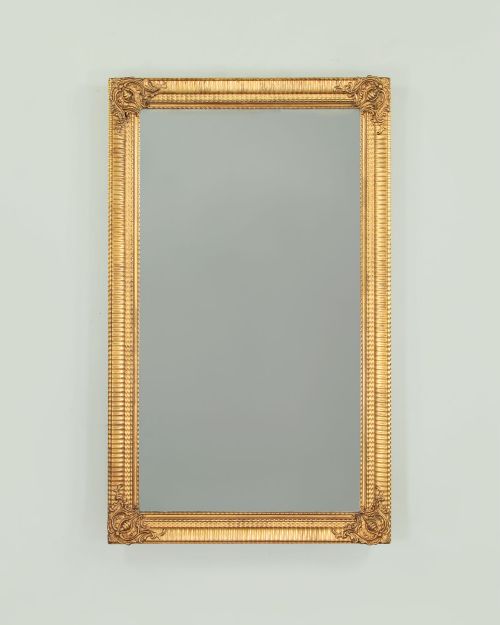
A late victorian overmantel mirror anchors a chimney breast with weight and scale, offering carved giltwood and broad glass plates.
Late Victorian Overmantel Mirror
A late victorian overmantel mirror sits above a fireplace, designed to reflect light and fill the expanse of a chimney breast. These pieces draw on nineteenth century proportions, often arriving in broad formats intended to command a principal room.
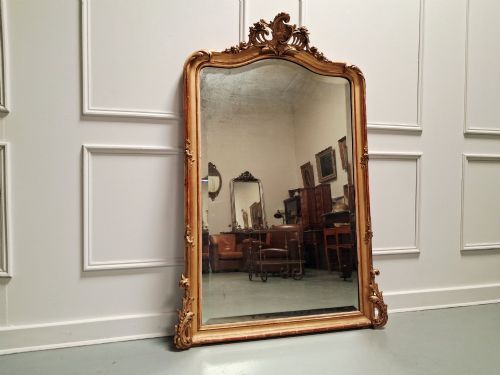
The selection here includes arched tops, domed shapes, and rectangular frames spanning periods from the eighteen eighties and nineties. Makers deployed styles ranging from French rococo and empire revivals to austere aesthetic movement ebonised timber.
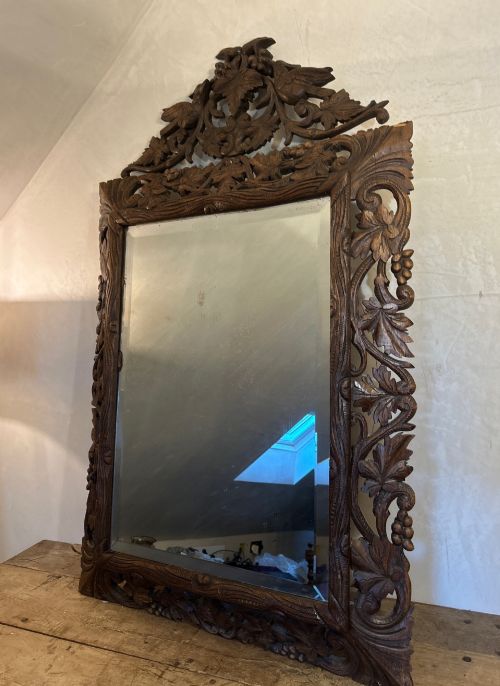
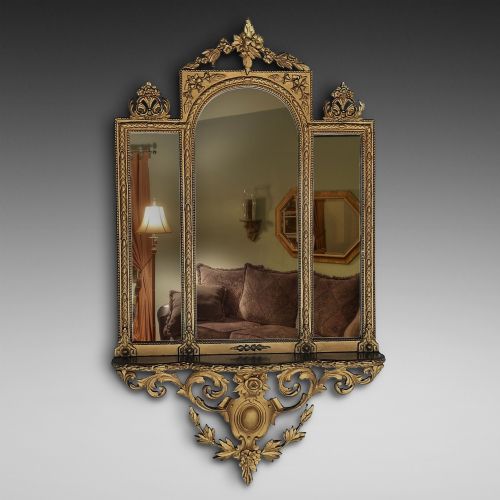
Overmantel mirrors appear in English country house formats alongside continental interpretations in carved oak, burr yew-wood, and giltwood. Buyers frequently encounter frames featuring shell motifs, gilt-gesso ornamentation, and triple plate arrangements.
How they were made
Carvers built these frames from solid timbers including oak, mahogany, walnut, and ebonised wood, applying gesso and composition to shape intricate surface decoration. Artisans then finished the mouldings with gold leaf, silver gilt, or paint.
Makers set mirrored glass plates into timber rebates, sometimes incorporating hand painted details or distinct heart and arched plate configurations. Heavier pieces utilised sturdy wood backings to support the considerable weight of the glass.
Some overmantel frames include hidden heart-shaped glass plates that offer a charming romantic surprise amidst formal Victorian interiors.
What varies in quality
The crispness of the carved ornament and composition enrichment dictates the visual strength of the frame. Skilled hands produced deep, undercut foliage and sharp shell motifs, whereas simpler pieces relied on moulded compa composition without hand finishing.
Original silvered mirror plates carry characteristic age and foxing that distinguish period glass from later replacements. The integrity of the underlying wood frame and the quality of the gilding further separate standard production from exceptional examples.
The Late Victorian Overmantel Mirror Glossary
- Overmantel mirror
- A large mirror specifically designed to be hung or placed on the mantelpiece above a fireplace. These pieces often feature wide horizontal proportions to match the width of the hearth below.
- Gesso
- A plaster-like mixture applied to wood frames to create a smooth surface for carving or gilding. Artisans built up layers to model relief ornaments before applying gold leaf.
- Composition
- A moulded mixture of whiting, resin, glue, and linseed oil pressed into decorative shapes. Makers used this material as a faster alternative to hand carving.
- Aesthetic movement
- A nineteenth century design style emphasising art for art's sake, frequently featuring ebonised wood and gilt highlights. Pieces from this movement often display clean lines alongside Japanese-inspired motifs.
- Pier mirror
- A tall mirror designed to hang on the narrow wall space between windows. These vertical frames share many decorative traits with overmantel pieces.
- Foxing
- The natural degradation of the silver backing on older mirror plates, resulting in dark spots and mottled patches. Collectors view original foxing as evidence of age.
Late Victorian Overmantel Mirror: Frequently Asked Questions
Where should I place an overmantel mirror?
Traditionally positioned directly above a drawing room or dining room fireplace, these mirrors anchor the surrounding furniture. They reflect light across the room and create an illusion of depth.
While designed for hearths, they also function effectively above large sideboards or console tables in high-ceilinged spaces.
How do I clean antique mirror glass?
Use a soft microfiber cloth and a mild, ammonia-free glass cleaner applied to the cloth rather than the glass. Avoid spraying liquid directly onto the frame or edges.
Be particularly gentle around areas with foxing or original silvering to prevent further degradation of the reflective backing.
How do I date a late nineteenth century mirror?
Examine the construction of the timber backing, the thickness of the glass, and the style of the frame ornamentation. Aesthetic movement pieces and rococo revival designs carry distinct decorative markers tied to the eighteen eighties and nineties.
Original fixings, paper labels, and the nature of the plate wear provide additional clues to the exact decade of manufacture.