

Antique Mantel Glass
Antique mantel glass brings together grand overmantel mirrors and decorative glass mantel pieces designed to sit above the fireplace.
Antique Mantel Glass
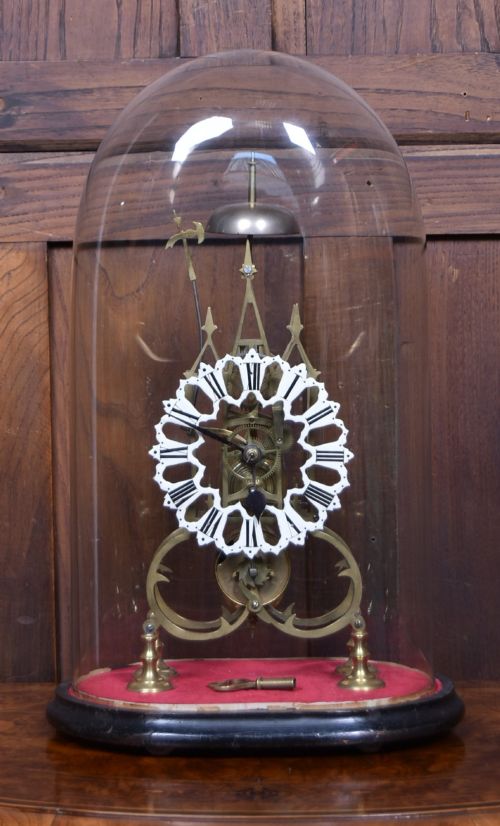
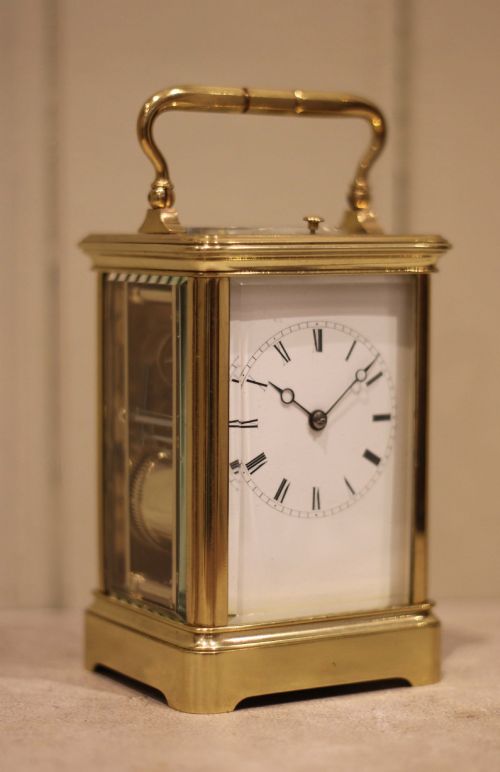
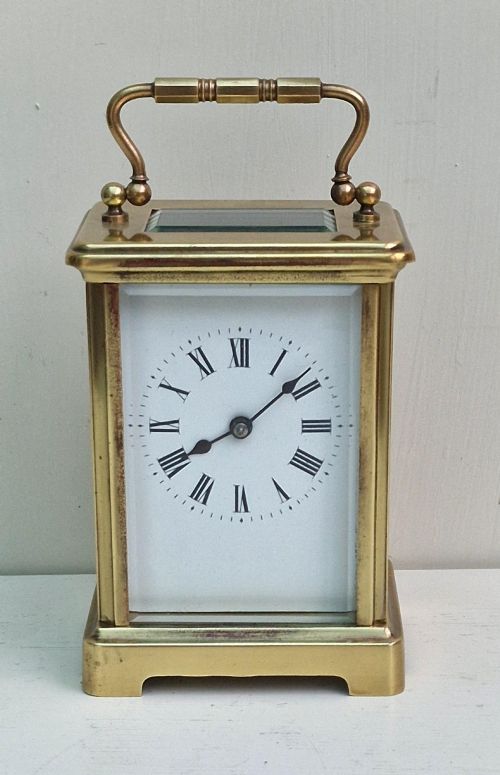
When you search for antique mantel glass, you encounter large giltwood and gesso overmantel mirrors alongside table lustres, carriage clocks, and glass clock cases intended for the mantelpiece. The overarching category encompasses functional wall-hanging mirrors designed to sit on the mantel shelf and decorative glass objects created for interior display in nineteenth-century drawing rooms.
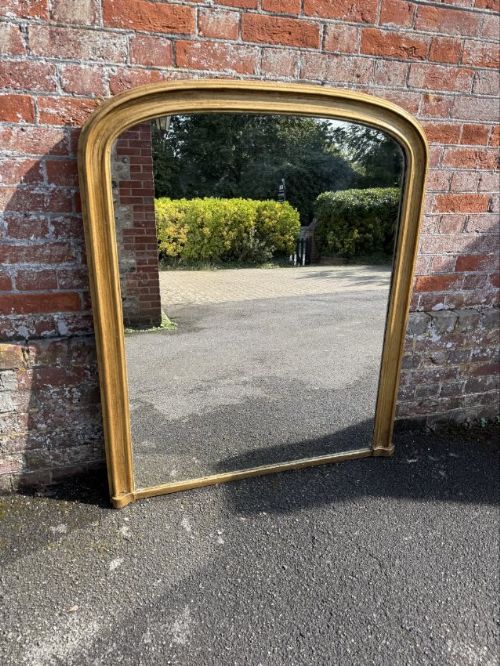
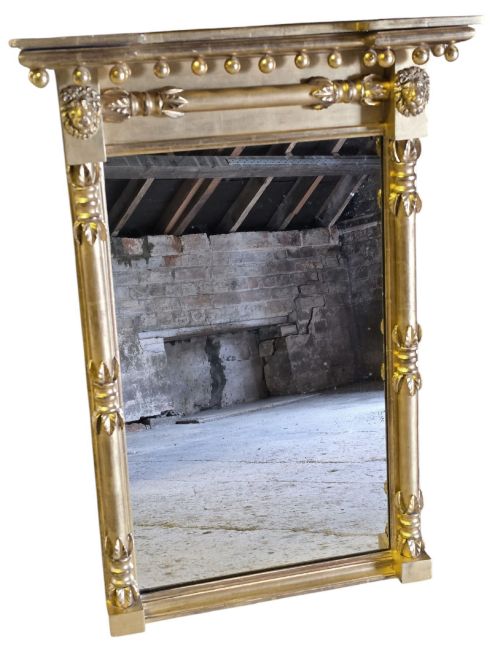
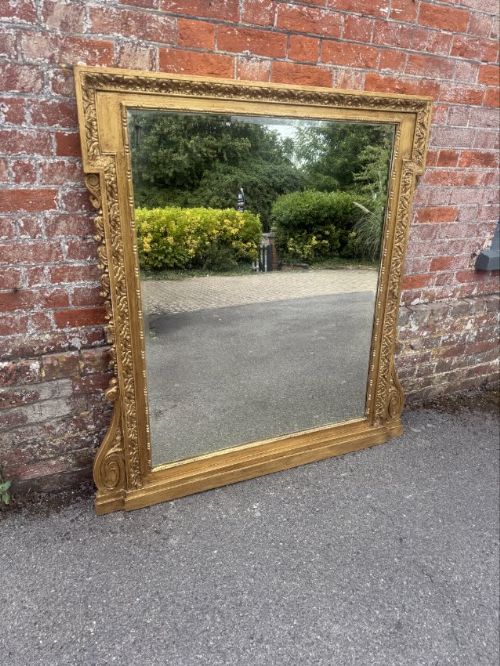
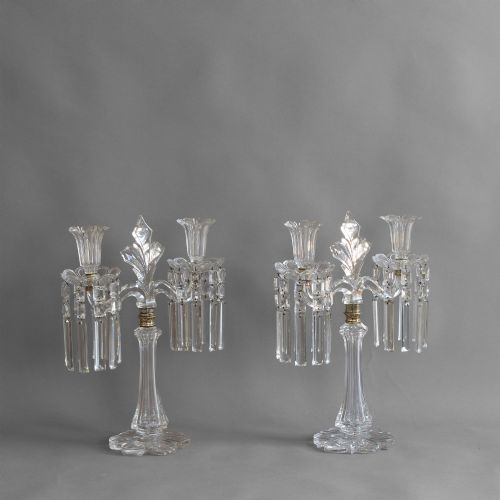
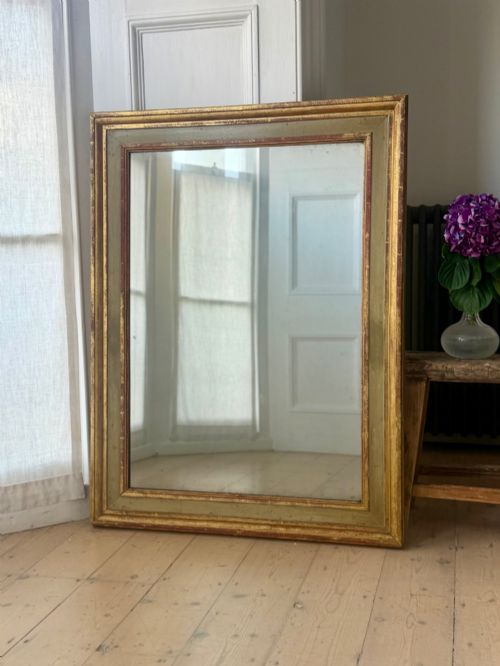
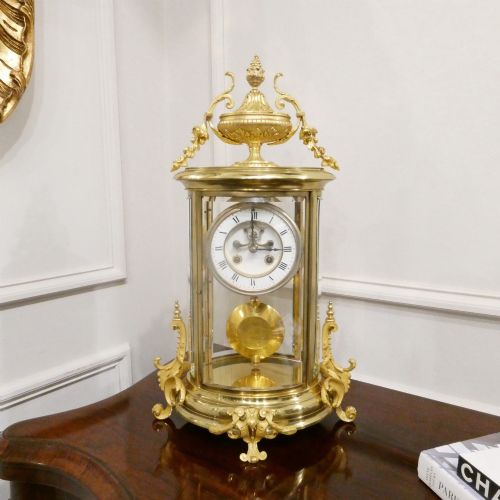
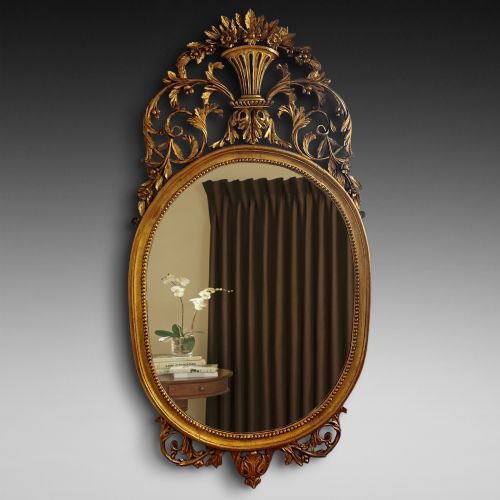
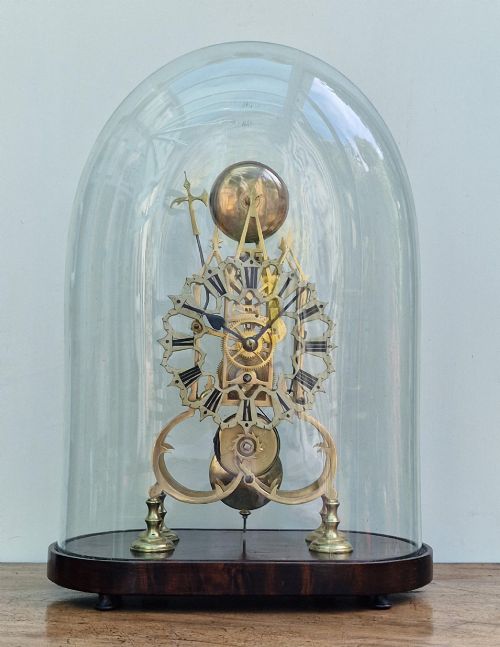
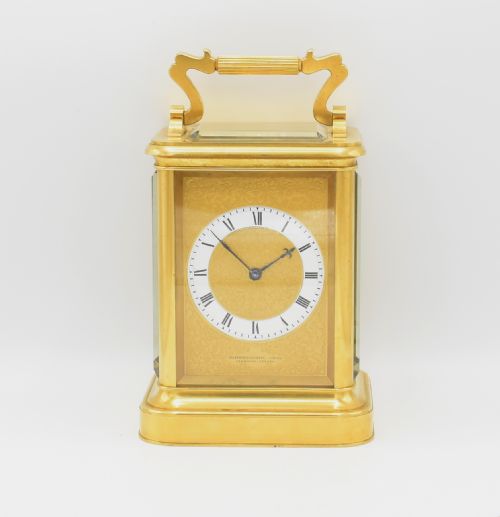
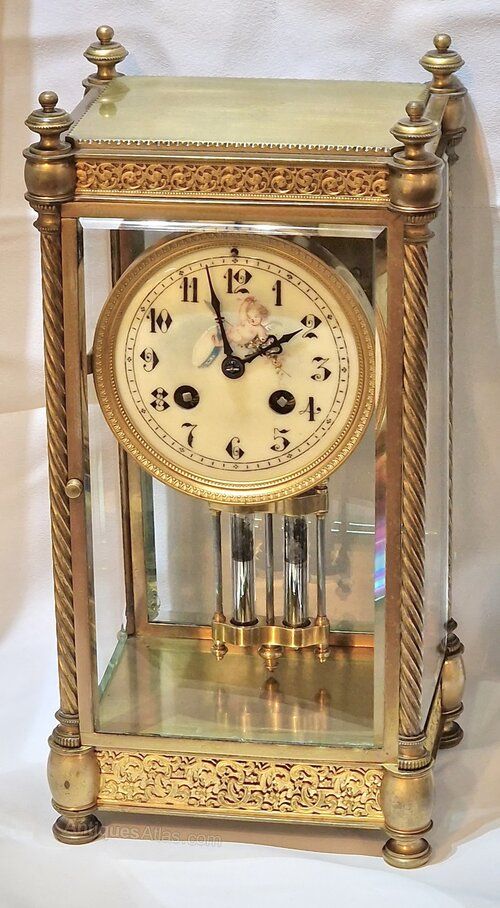
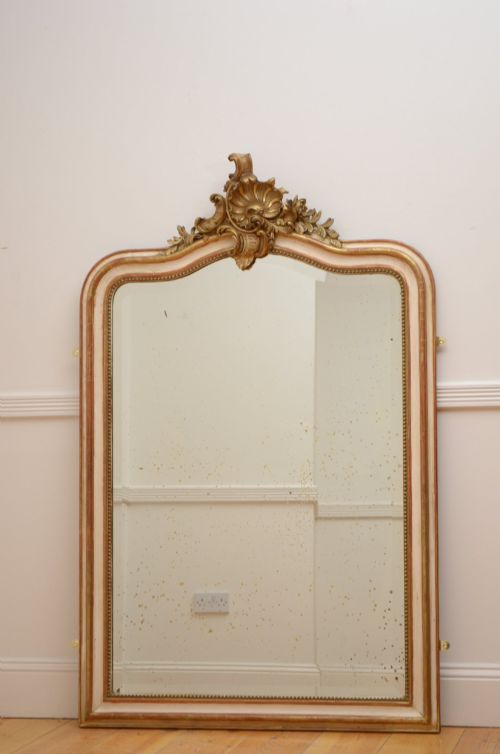
The most frequent items on this page are carved wood and gesso overmantel mirrors dating from the Victorian and Regency periods, often retaining their original silvered plates. Alongside these large architectural mirrors, you find pairs of glass mantel lustres and brass-framed four-glass clock cases housing mechanical movements.
Materials and construction methods
Makers built the large frames using carved wood and applied gesso, finishing the surfaces with gold leaf, oil gilt, or paint. This traditional framing technique provided a stable foundation for heavy glass plates while allowing intricate moulded ornamentation in the Regency, Rococo Revival, and Victorian styles.
Mirrors from this era frequently employ mercury glass or early silvered plates, which develop natural foxing and ageing over time. Smaller mantel objects combine blown or pressed glass with brass, ormolu, bronze, and enamel mounts, particularly in French carriage clocks and Victorian table lustres.
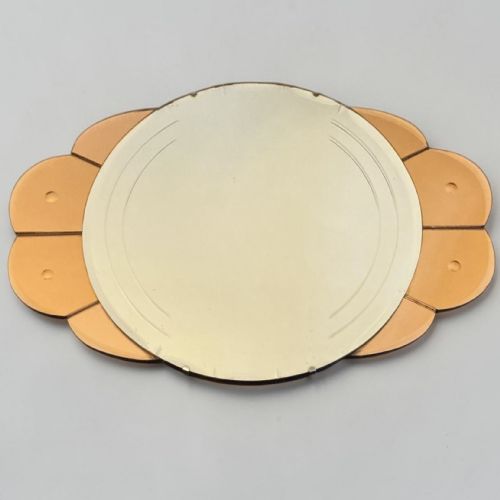
Listings feature items spanning the Georgian period, the Regency era, the Victorian reign, and Art Deco modernity.
What separates the finest examples
Quality rests in the crispness of the carved gesso and the depth of the gilding on mirror frames, where hand-tooled ornament outshines plain cast plaster. The preservation of the original glass plate, whether lightly foxed or clear, dictates the integrity of the piece.
For mantel clocks and lustres, the precision of the brass or gilt-bronze movement housing and the clarity of the coloured or opalescent glass dictate the tier. Signed clockmakers and intact prism drops on lustres elevate the standing of an item significantly.
Samuel Marti·Goldsmiths Alliance Ltd·Richard Winter of Chieveley·R Lalique·Smiths Clockmakers·John Walker London·W & H·Voisin Paris
The Antique Mantel Glass Glossary
- Overmantel mirror
- A large mirror specifically proportioned to hang on the wall directly above a fireplace mantelpiece. These frames often feature arched tops or pier glass extensions designed to reach high ceilings.
- Gesso
- A plaster-like mixture applied to wood frames to create a smooth surface for gilding or painting. Artisans carved intricate decorative motifs directly into this dried layer.
- Foxing
- The natural ageing process in mirror plates where the silver backing deteriorates, producing brown spots and softened reflections. Collectors value this patination as a sign of authenticity.
- Mantel lustre
- A decorative glass ornament featuring hanging crystal prisms, placed upon a mantelpiece. They were often produced in pairs during the Victorian era.
- Mercury glass
- A double-walled blown glass object coated with a silver liquid mercury amalgam between the layers, then sealed. This technique creates a highly reflective, silvery sheen without using standard mirror backing.
Antique Mantel Glass: Frequently Asked Questions
How do I hang a heavy overmantel mirror?
Heavy nineteenth-century giltwood frames require secure wall fixings anchored directly into masonry or substantial timber studs. Professional mirror hangers utilise heavy-duty brackets to distribute the considerable weight safely.
Because these pieces were originally constructed for permanent placement above hearths, their hanging hardware must be checked and reinforced before mounting on modern walls.
What is the difference between an overmantel and a pier mirror?
Overmantel mirrors are wide horizontal or tall arched glasses built to occupy the space directly above a fireplace mantel. Pier mirrors are typically narrow vertical glasses designed for the wall space between windows.
Both forms utilise giltwood, gesso, and glass plates, but their historical placement in the room dictated their distinct proportions and frame shapes.
Are mantel lustres fragile?
Mantel lustres consist of moulded glass bodies hung with delicate cut-glass crystal prisms that detach easily. Care must be taken when moving them to prevent the hanging drops from chipping or falling.
Displaying them securely away from high-traffic edges on the mantelpiece protects the hanging prisms from accidental knocks.
How should I clean antique mirror glass?
Antique glass requires gentle cleaning with a soft, dry microfibre cloth to remove dust without disturbing fragile edges. Avoid harsh modern chemical sprays that can seep behind the frame and damage the original backing.
Water should be used sparingly, if at all, to prevent moisture from accelerating the decay of historical silvering or mercury plates.