


Late Victorian Occasional Table
A late victorian occasional table brings flexible surface space and distinct period character into a room.
Late Victorian Occasional Table
A late victorian occasional table provides a movable, secondary surface designed for specific domestic tasks rather than central dining. These pieces emerge from the later nineteenth century, spanning various forms including side tables, wine tables, games tables, and tier tables.
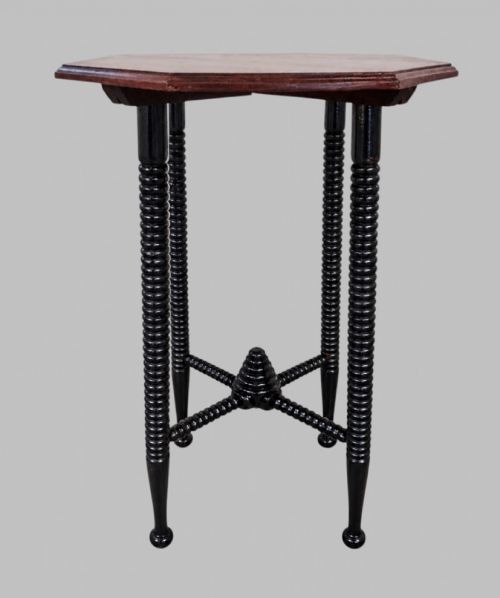
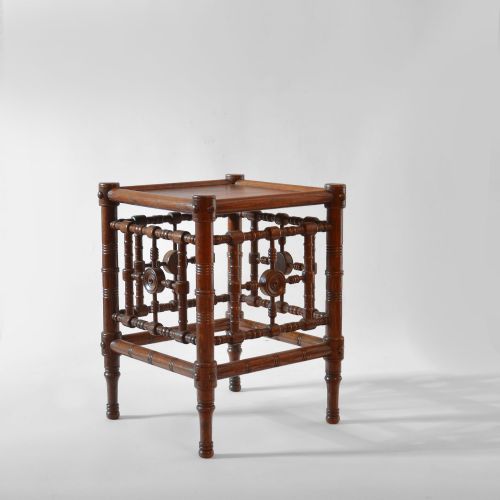
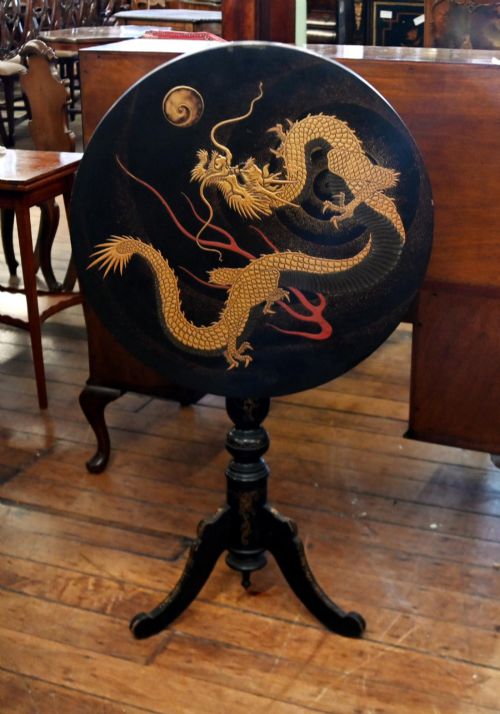
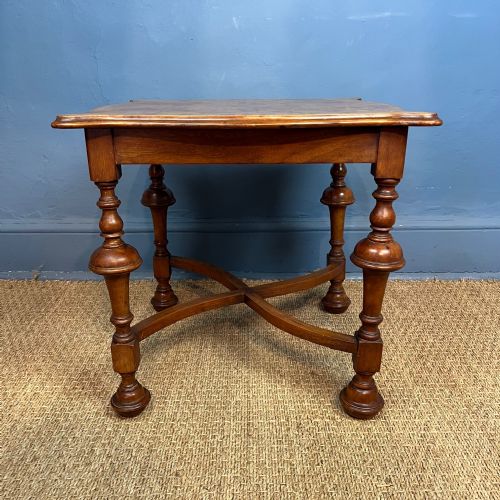
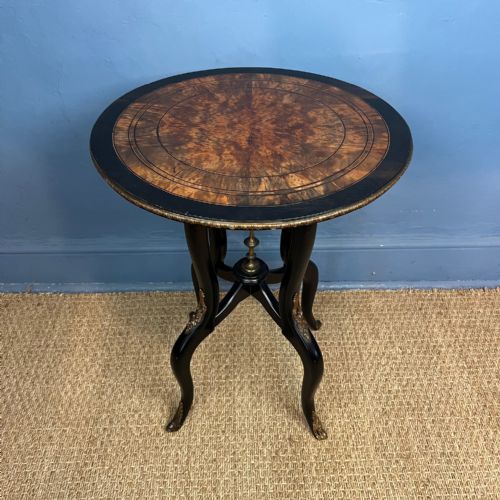
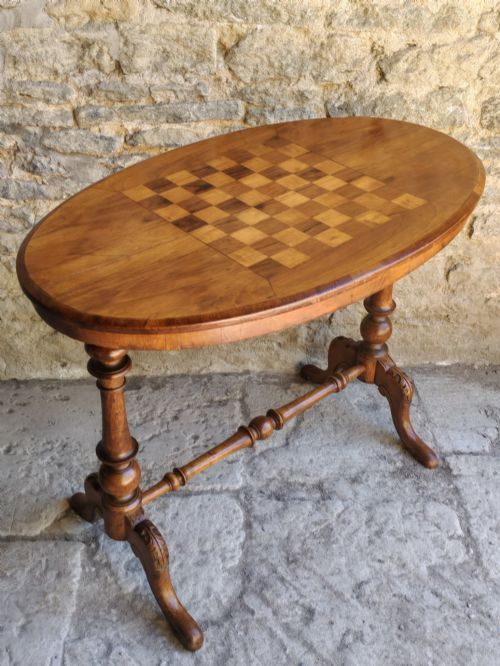
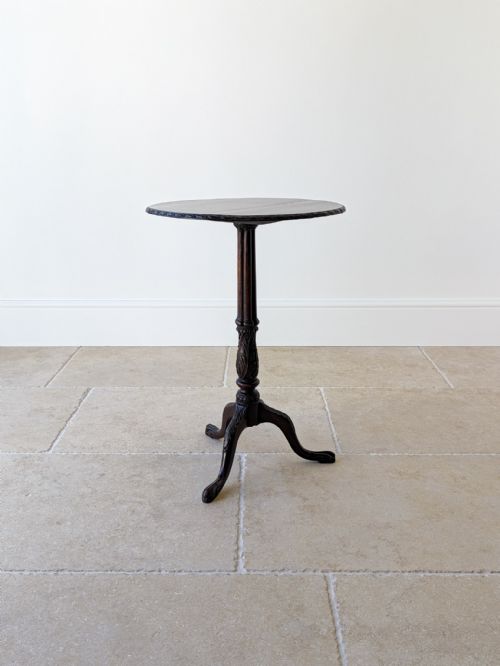
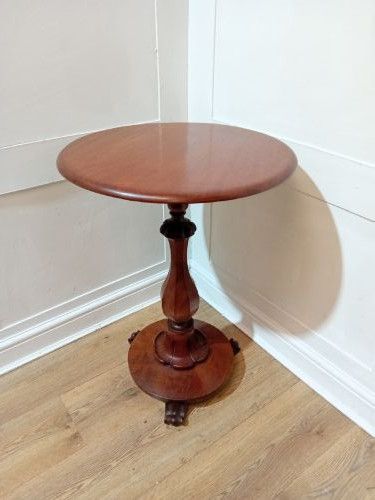
The version most commonly met on this page is the circular or octagonal table in mahogany or walnut, often featuring turned legs or tripod supports. Many examples display the influence of the Aesthetic Movement or the Arts and Crafts philosophy, prioritising clean utility alongside decoration.
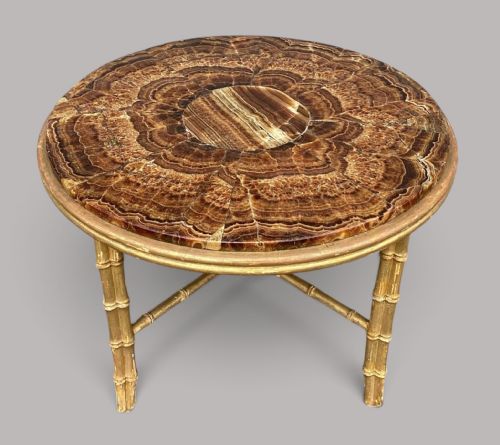
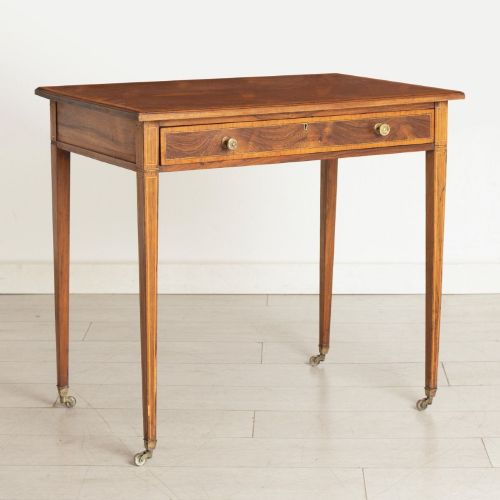
Makers and designers of the period adapted traditional furniture shapes to suit smaller Victorian drawing rooms and parlours. Consequently, buyers encounter everything from simple oak stands to intricately inlaid rosewood pieces designed to hold lamps, books, or tea.
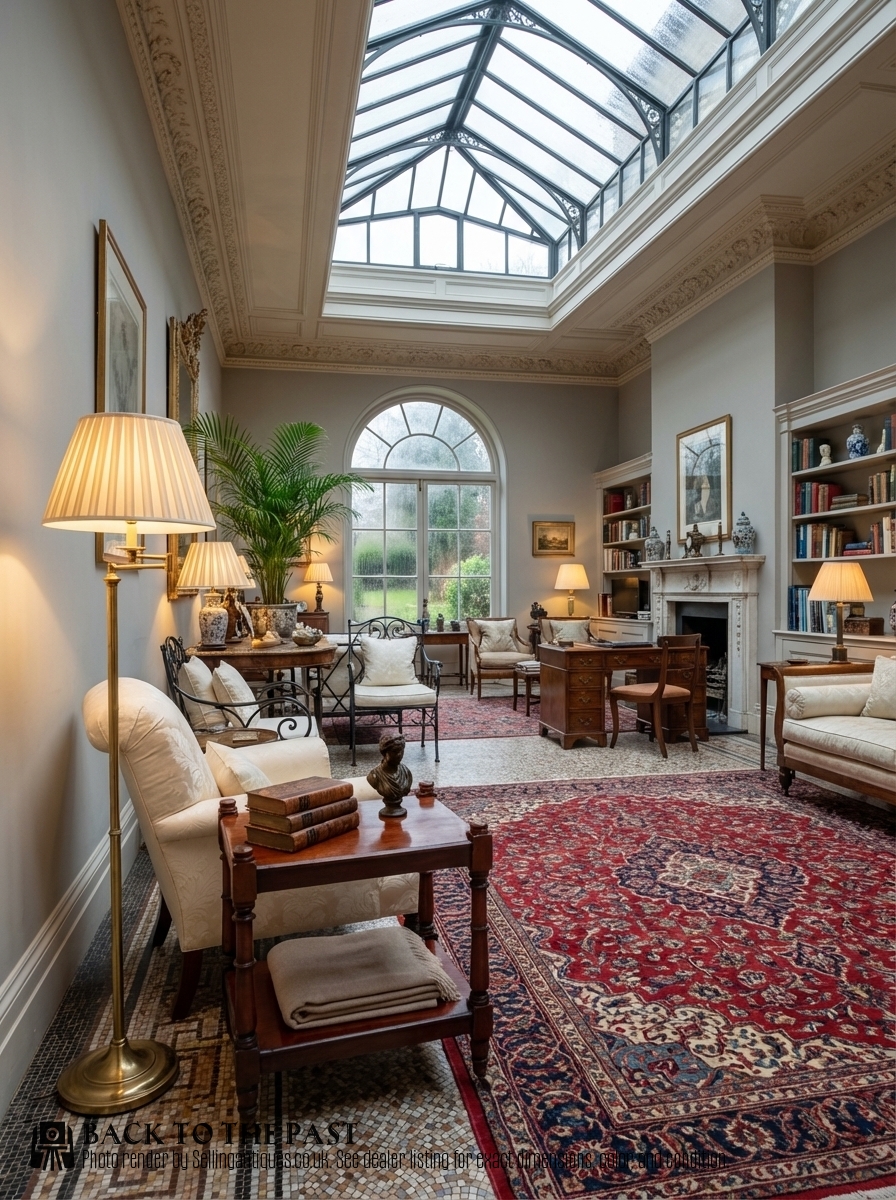
Distinctions in Quality
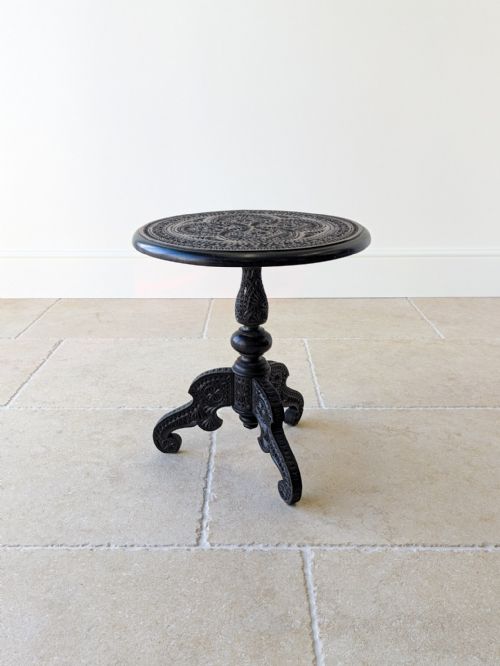
The distinction between standard commercial output and superior craftsmanship lies in the selection of timber and the precision of decorative work. Tables featuring book-matched veneers, pollard oak tops, or detailed hand-carving occupy the upper tier of the range.
Structural integrity also separates individual examples, where tight joints and original hardware maintain stability across folding or tiered designs. Simpler factory-produced items utilise basic turned supports, whereas high-end workshops employed bespoke joinery and signed elements.
Late Victorian Occasional Table Retail Price Guide 2026
Typical asking prices for late victorian occasional table among the pieces listed under this phrase on Sellingantiques today, from the lower quarter to the upper quarter. They describe what is for sale here now, not the wider market.
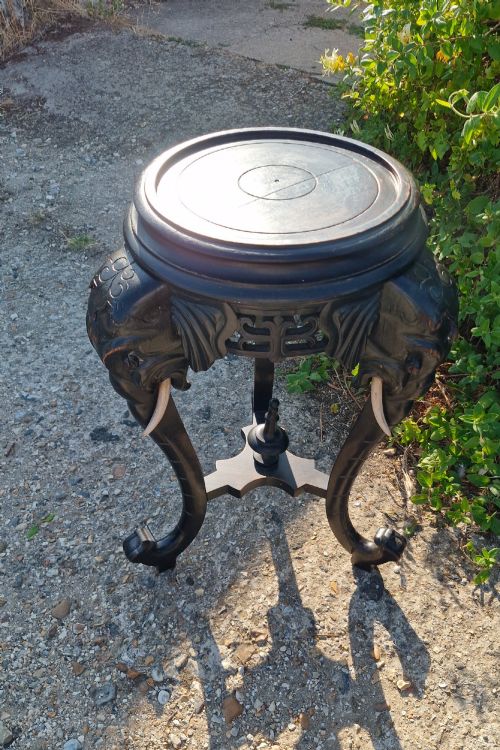
Surviving evidence includes a table equipped with painted wooden elephant tusks.
James Shoolbred·Liberty and Co·Edwards and Roberts·William Birch·Gabriel Viardot
The Late Victorian Occasional Table Glossary
- Ebonised
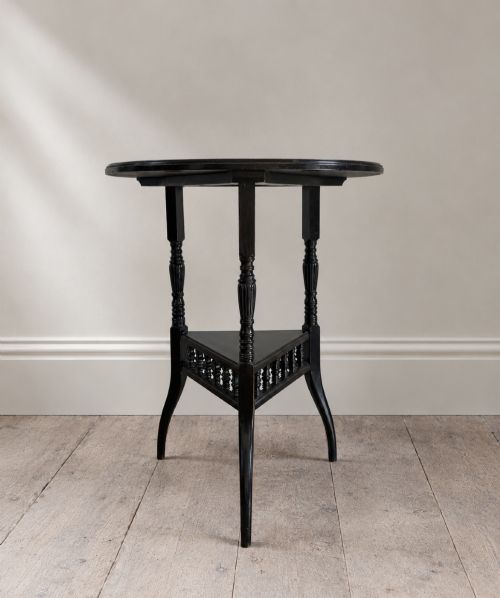
- Wood treated with a dark stain or finish to imitate expensive ebony. This treatment was particularly popular during the Aesthetic Movement.
- Marquetry
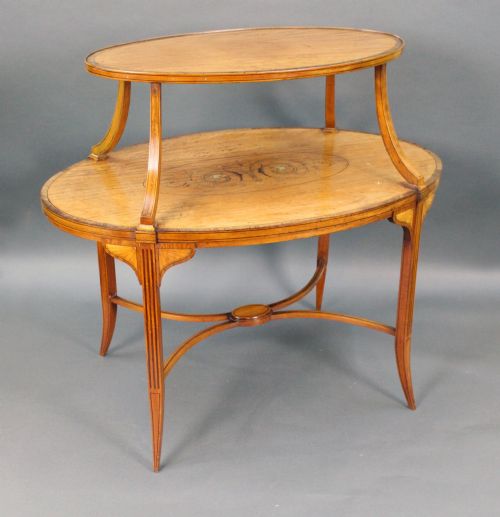
- The art of applying pieces of veneer to a structure to form decorative patterns. Craftsmen utilised various wood types to create pictorial or geometric table tops.
- Tripod Table
- A small standalone table supported by three legs radiating from a central column. This format provides stable footing on uneven floorboards.
- Tiered Table
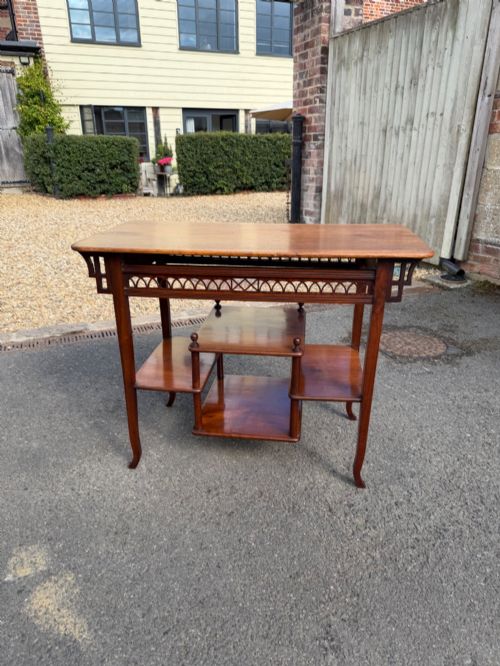
- A multi-level piece featuring secondary shelves connected by upright supports. These configurations increased surface area without expanding the floor footprint.
- Aesthetic Movement
- A late nineteenth-century design style that emphasised visual beauty over moral narrative. Pieces from this movement often utilise ebonised finishes and geometric lines.
Late Victorian Occasional Table: Frequently Asked Questions
What is a late victorian occasional table used for?
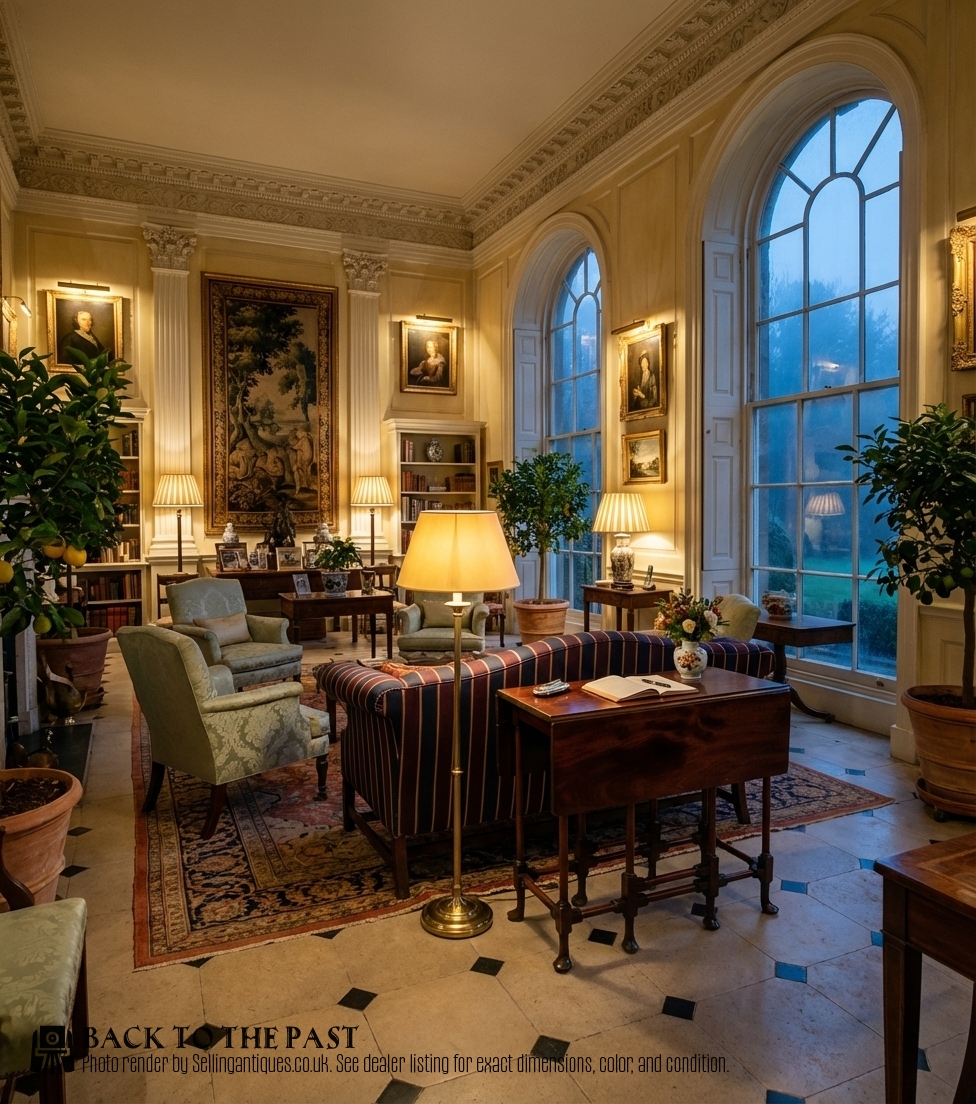
These tables served as flexible furnishings in the Victorian home, easily moved to hold lamps, tea sets, or reading material beside seating.
They function equally well today as bedside stands, plant pedestals, or accent surfaces in a hallway.
How do I identify an aesthetic movement table?
Aesthetic Movement examples often feature ebonised wood surfaces, simplified geometric silhouettes, and sometimes Japanese-inspired motifs.
They stand apart from heavily carved traditional Victorian furniture through their restrained profiles and structural clarity.
Are walnut and mahogany the only woods used?
While walnut and mahogany dominate the inventory, makers also utilised oak, rosewood, satinwood, and ebonised alternatives.
Imported pieces incorporated exotic elements like teak and specialised carving traditions from different regions of the British Empire.
How should I care for an antique wood surface?
Preserve the finish by keeping the timber away from direct heat sources and strong sunlight that can dry out the grain.
Occasional dusting with a soft, dry cloth is sufficient; harsh chemical polishes risk damaging the historical patina.