

Late 19th Century Stand
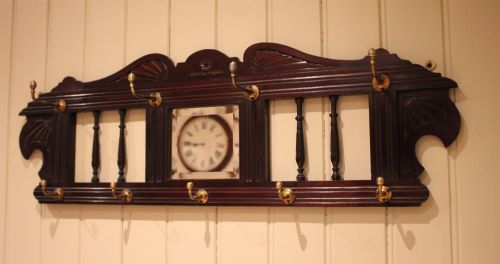
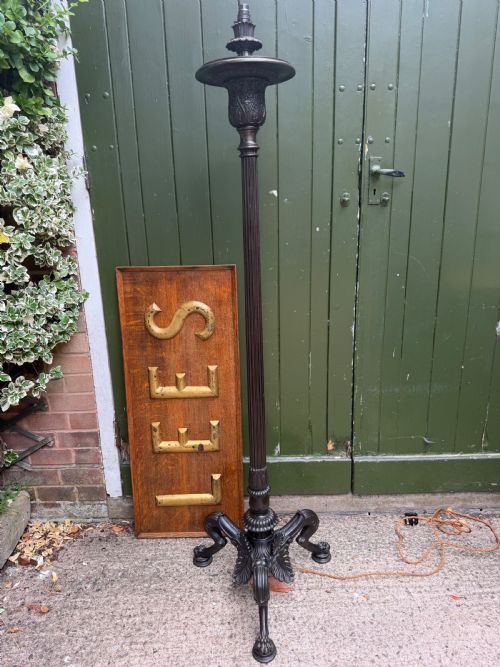
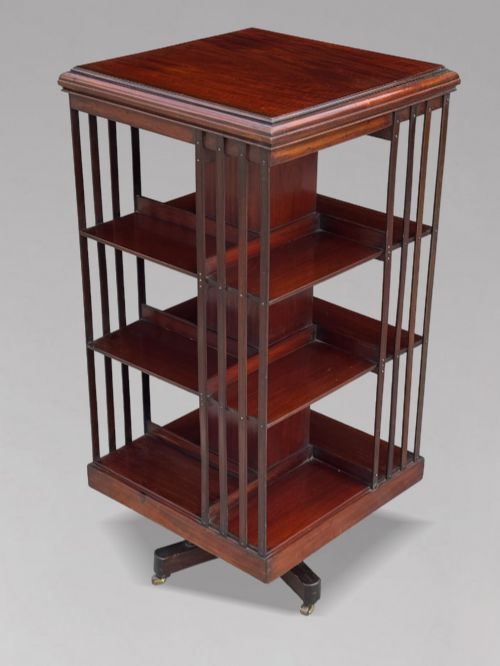
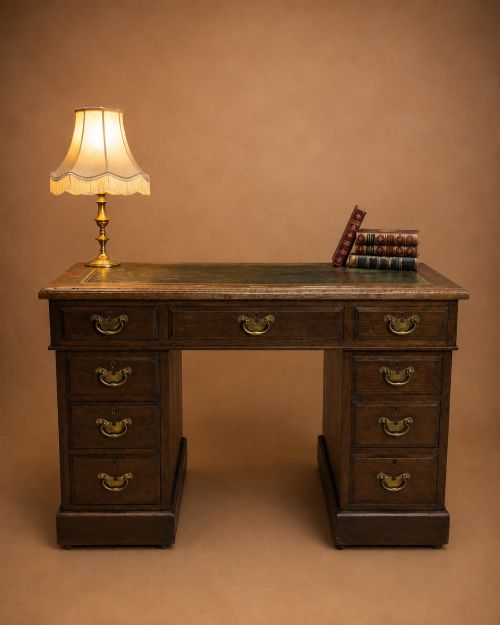
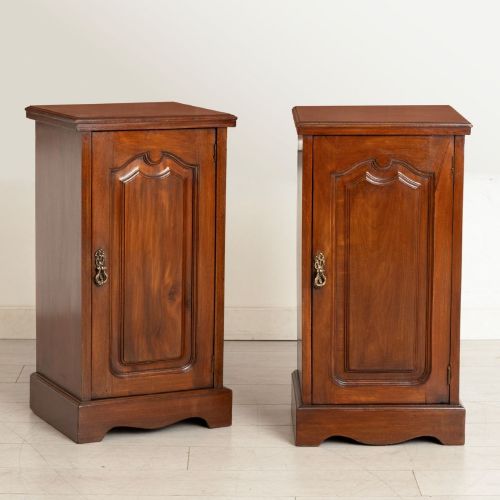
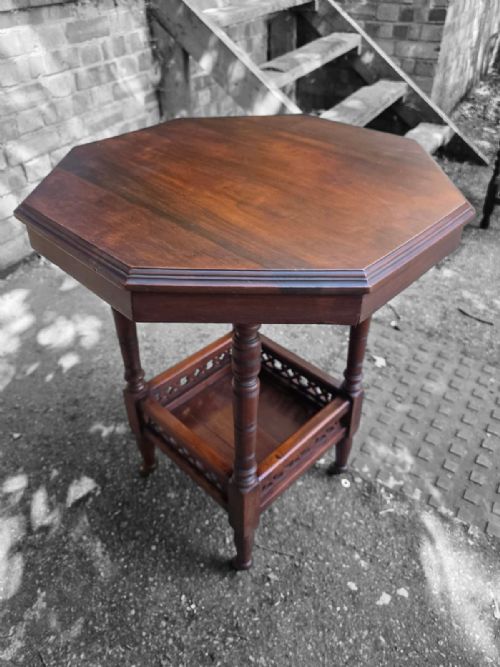
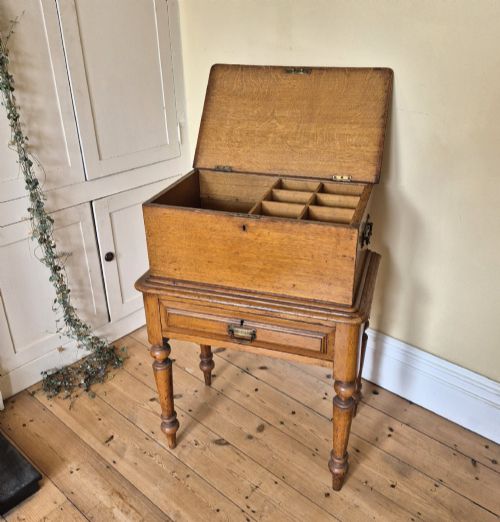
When choosing a late 19th century stand, one acquires a functional furnishing spanning plant supports, washstands, and occasional display pieces.
Late 19th Century Stand
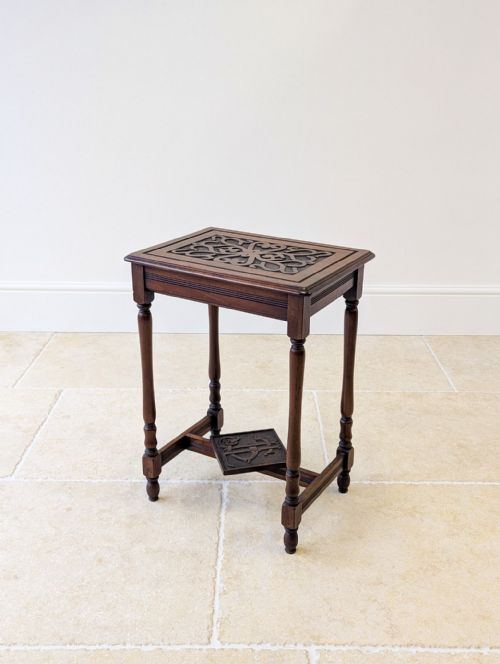
A late 19th century stand encompasses a diverse group of utilitarian and display objects designed to elevate items ranging from porcelain planters and washbasins to pocket watches and lamps. These utilitarian frames and pedestals frequently date from the Victorian era and reflect the domestic requirements of the late eighteen-hundreds.
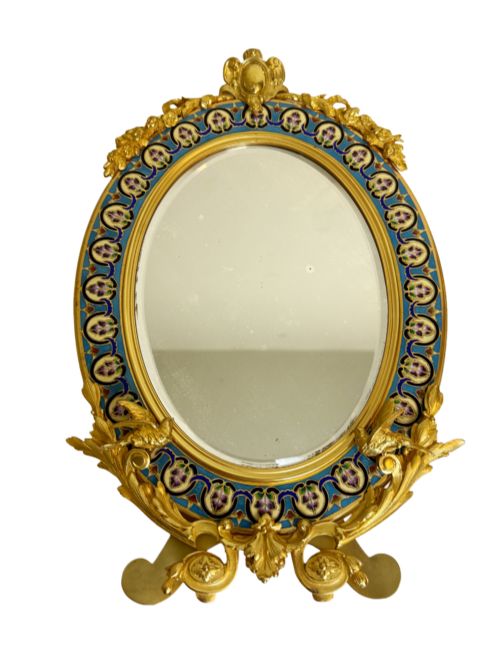
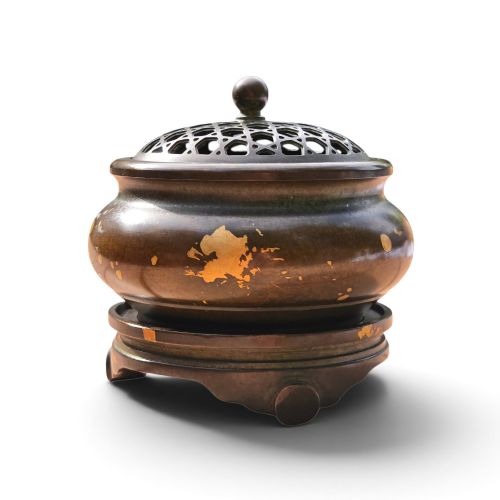
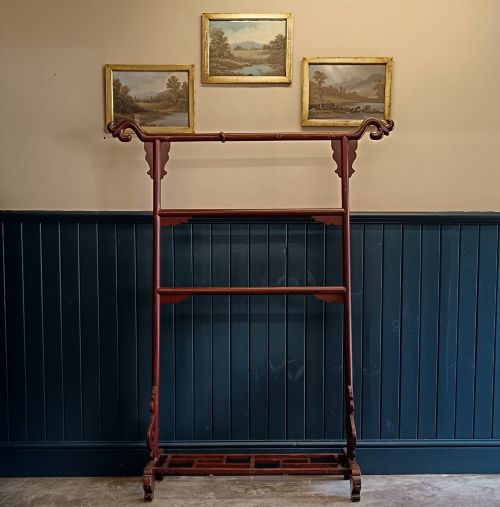
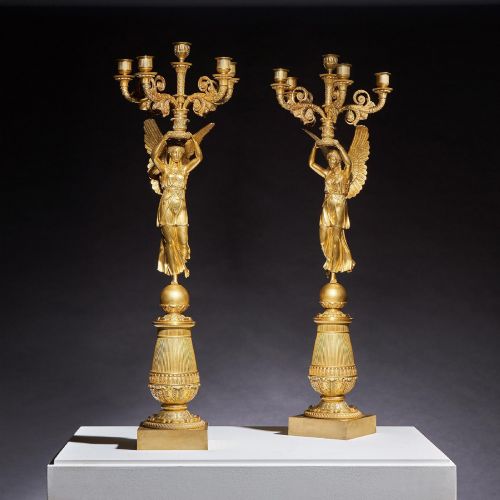
Origins span British workshops, continental European makers, and East Asian workshops, introducing varied regional aesthetics into the selection. Chinese hardwood pot stands appear alongside French gilt bronze mirrors and English mahogany occasional pieces.
Materials and Construction
Makers utilised dense timbers such as mahogany, walnut, oak, and exotic hardwoods for structural framework and turned legs. Joinery methods often included traditional mortise and tenon joints, dovetailing in drawers, and complex wood carving.
Metal components involved cast iron, brass, bronze, and ormolu, providing durable support for heavy marble tops and decorative mountings. Champlevé enamel, gilt bronze, and marquetry inlay added surface ornamentation to mirrors, etagères, and cabinets on stands.
A carved Black Forest bear stands ready to hold your walking sticks.
The Spectrum of Quality
Gradations in quality depend upon the crispness of hand-carved ornamentation, the selection of figured timber veneers, and the integrity of the structural joints. Pieces produced by documented cabinet-makers demonstrate superior execution in their mouldings, marquetry, and bronze casting compared to generic workshop output.
The weight and stability of the frame dictate durability, particularly in taller items such as standard lamps, easel stands, and plant columns. Superior examples integrate materials harmoniously, utilising genuine inset marble tops, heavy cast brass mounts, and solid timber secondary woods.
Corneau Frères Charleville·Pierre Philippe Thomire·Shoolbred·Liberty & Co·George Smith·Thomas Hope·Edwards & Roberts·Dopmeier·Thomas Webbe·Henry Ogden & Son
The Late 19th Century Stand Glossary
- Étagère
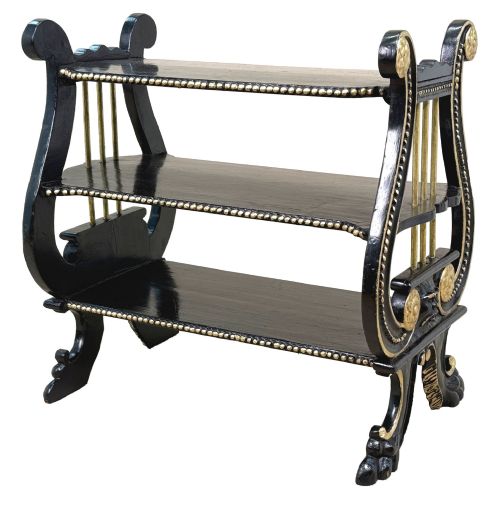
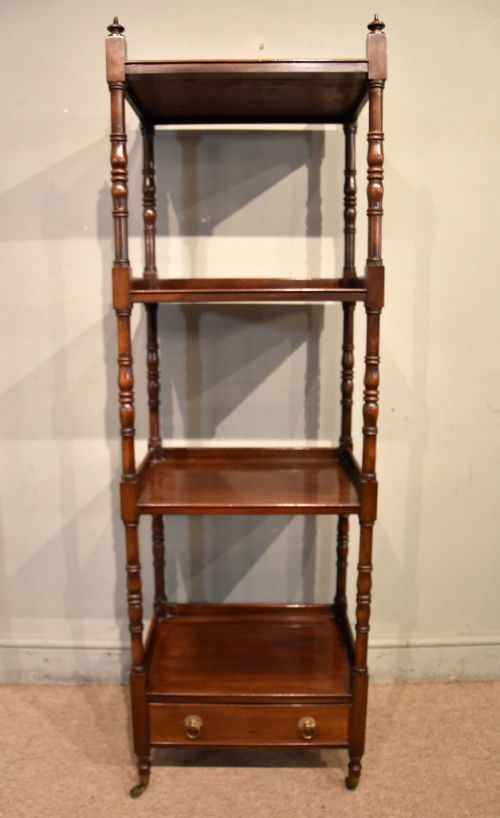
- A piece of furniture consisting of a set of open shelves for displaying small objects. These tiered structures often feature carved wooden supports and marquetry inlay.
- Jardiniere
- An ornamental pot or stand designed to hold plants or flowers. They frequently incorporate ceramic, brass, or carved hardwood materials.
- Ormolu
- Gilded bronze applied to furniture mounts, clocks, and decorative stands. This technique was widely utilised in French decorative arts during the nineteenth century.
- Marquetry
- Decorative veneer applied to furniture in geometrical patterns or pictorial designs. Craftsmen cut contrasting thin slices of wood or shell to create surface decoration.
Late 19th Century Stand: Frequently Asked Questions
What distinguishes a plant stand from a table?
Plant stands typically feature narrower tops and taller proportions designed to elevate flora, whereas tables offer broader surfaces intended for general placement.
Construction of plant stands often incorporates moisture-resistant surfaces like marble or glazed ceramic inserts to handle watering.
How were umbrella stands used in Victorian homes?
Umbrella and stick stands were positioned in hallways to store wet walking gear and parasols upon entering the house.
They frequently incorporated cast iron or brass drip pans at the base to protect interior flooring from moisture.
Where should I place an occasional stand?
Occasional stands function well beside seating areas, in corners, or against blank wall spaces to hold lamps or decorative objects.
Their portable scale allows them to move easily between rooms depending on daily domestic requirements.
How do I identify a wash stand?
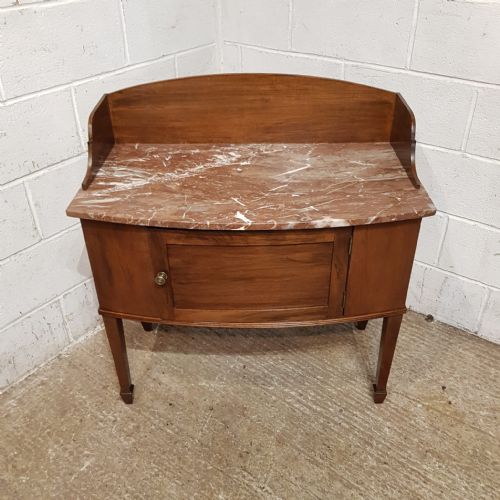
Wash stands feature inset marble tops designed to resist water splashes and sometimes include tiled splashbacks or lower shelving.
They originally supported ceramic basins and ewers before plumbed bathrooms became standard household amenities.