


Edwardian Jardiniere Column
An edwardian jardiniere column elevates greenery with poise, offering a sturdy stage for ferns and palms in period interiors.
Edwardian Jardiniere Column
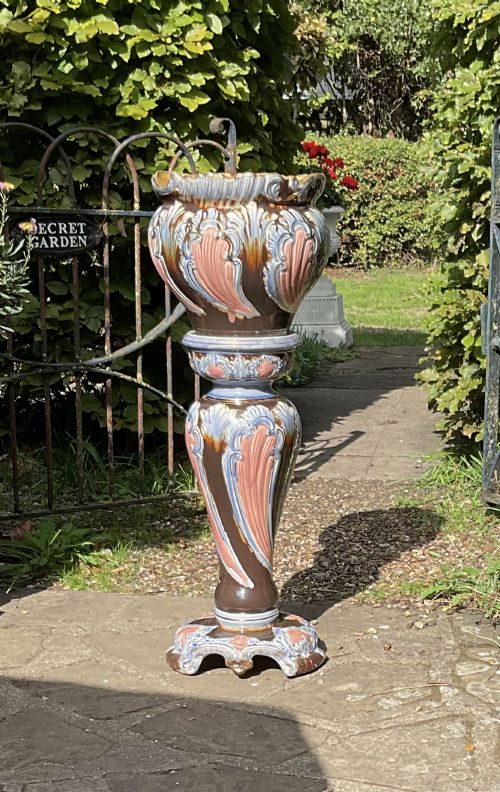
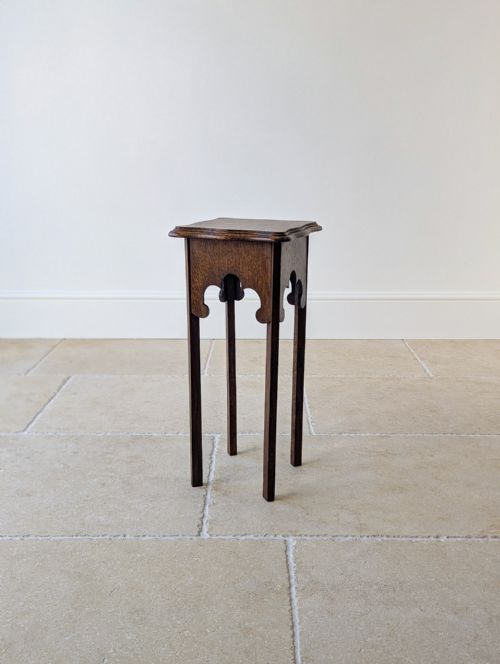
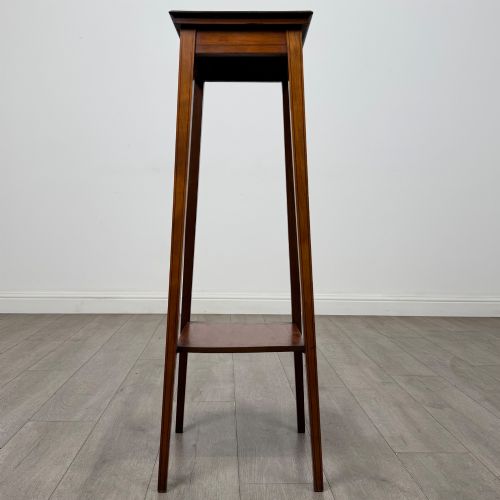
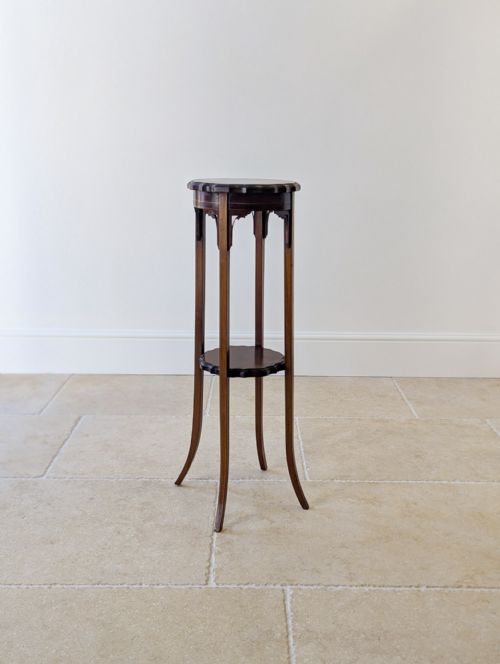
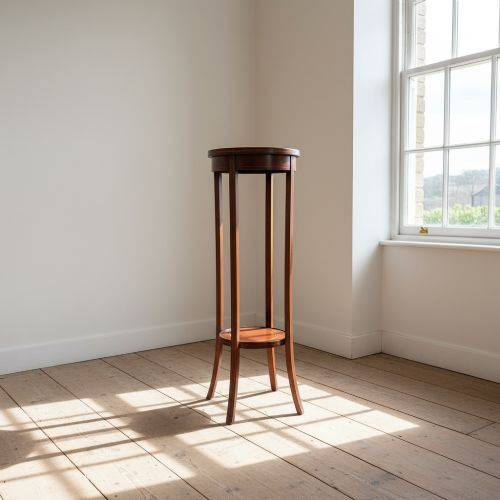
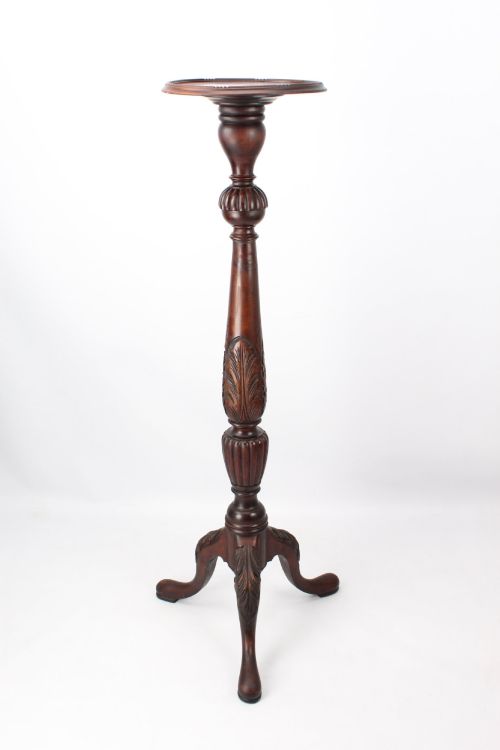
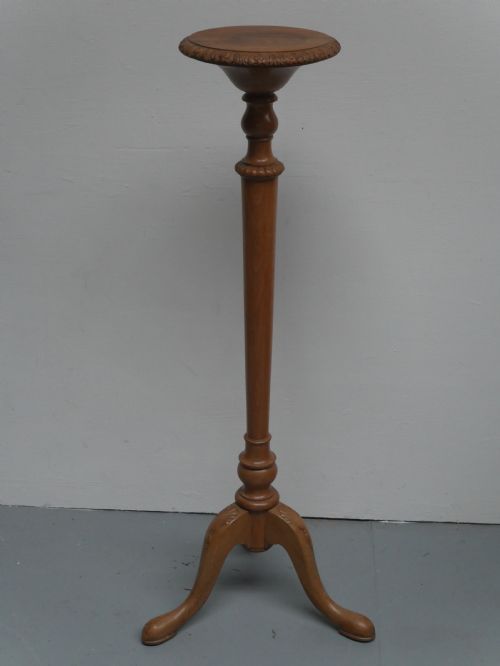
An edwardian jardiniere column serves primarily as a decorative plant stand or torchere, designed to showcase indoor foliage within the home. These tall stands lift potted plants and jardinieres to eye level, creating focal points in hallways, drawing rooms and bay windows.
The selections available here span forms such as plant stands, pedestals and torchieres, capturing the period preference for botanical display. While the core of the inventory sits firmly in the Edwardian era, related pieces stretch from the late nineteenth century into the nineteen-twenties and nineteen-thirties.
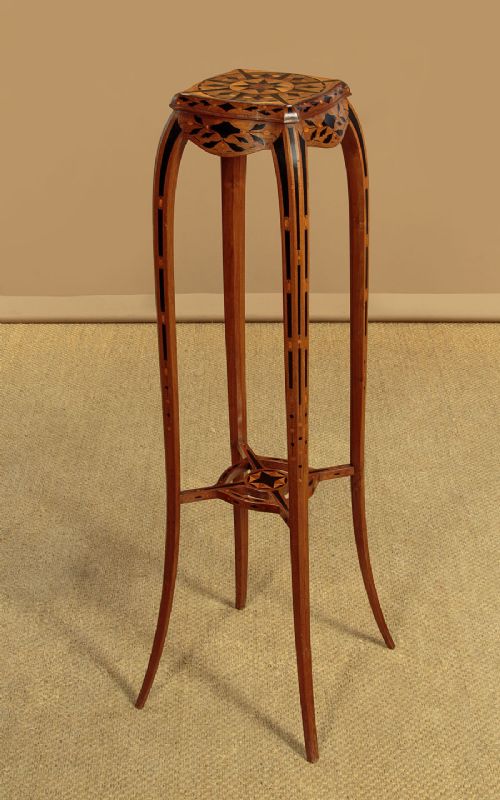
Makers of the period favoured timbers like mahogany, oak and walnut, often embellishing the surfaces with satinwood, boxwood inlay or specimen wood details. One also encounters alternatives incorporating onyx and brass, reflecting diverse tastes in domestic furnishing from the turn of the twentieth century.
How they were made
Cabinetmakers constructed these columns using traditional joinery, shaping solid hardwoods and applying fine veneers to create slender, stable shafts. Timbers such as mahogany and walnut provided the structural integrity required to support heavy ceramic or metal plant pots safely.
Decorative embellishments relied on precision inlay work, utilising boxwood, satinwood and specimen woods to form delicate banding or geometric motifs along the shafts and tops. Turnery was equally prominent, producing characteristic details like barley twist legs that added textural rhythm to the upright forms.
The inventory spans the Victorian, Edwardian, Arts & Crafts and Jacobean Revival styles.
What varies in quality
The distinction between standard utility stands and finer pieces rests upon the ambition of the design and the choice of materials. Richly figured mahogany, intricate boxwood inlay and substantial specimen wood marquetry elevate an example from a simple utility holder to a polished parlour feature.
Structural stability and the crispness of the turnery define the craftsmanship of each column. Cleanly carved barley twist legs and tightly fitted joints demonstrate superior workshop standards that endure through decades of domestic use.
The Edwardian Jardiniere Column Glossary
- Torchere
- A tall, slender stand originally designed to support a candle or lamp, frequently utilised for displaying plants and urns in period rooms.
- Jardiniere
- An ornamental pot or receptacle, usually ceramic or metal, intended to hold growing flowers or plants.
- Inlay
- A decorative technique where contrasting strips of wood, such as boxwood and satinwood, are set flush into the primary timber surface to create patterns.
- Barley Twist
- A type of turned furniture leg featuring a spiral twist resembling the shape of a twisted rope or barley stalk, popular during revival periods.
Edwardian Jardiniere Column: Frequently Asked Questions
What is an edwardian jardiniere column?
An edwardian jardiniere column is a tall, decorative stand built to display potted plants and botanical arrangements inside the home. These pieces raise greenery off the floor to catch the light and punctuate empty corners.
They appear in various forms, including plant stands, torchieres and multi-tiered pedestals. The designation covers pieces produced during the early twentieth century as well as related Victorian and interwar examples.
Where should I place a plant stand?
These columns suit reception rooms, entrance halls and landings where a vertical element breaks up horizontal furniture lines. Placing one in a bright corner or beside a window allows trailing foliage to drape effectively.
Ensure the top surface matches the diameter of your pot and that the base rests evenly on the floor. Heavy ceramic bowls require the robust support of solid oak or mahogany columns.
How do I care for wooden columns?
Maintain polished wood surfaces by dusting gently with a dry, soft cloth and applying a quality beeswax periodically to nourish the grain. Avoid placing damp flower pots directly onto unsealed timber tops to prevent water rings and staining.
Keep stands away from direct heat sources and strong sunlight to protect delicate veneers and inlay work from drying out or fading over time.
How do I date a jardiniere stand?
Dating relies on observing the prevailing timber choices, inlay styles and turning techniques visible across the piece. Edwardian examples often feature satinwood inlay and rich mahogany, while later pieces from the nineteen-twenties frequently show Jacobean revival motifs like barley twist legs.
Construction methods also offer clues, as machine-sawn components gradually superseded hand-cut joinery through the late nineteenth and early twentieth centuries.