
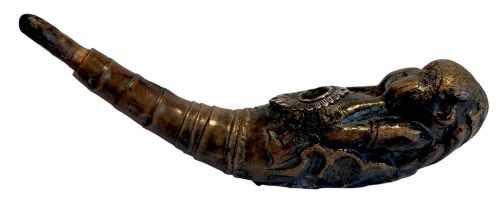


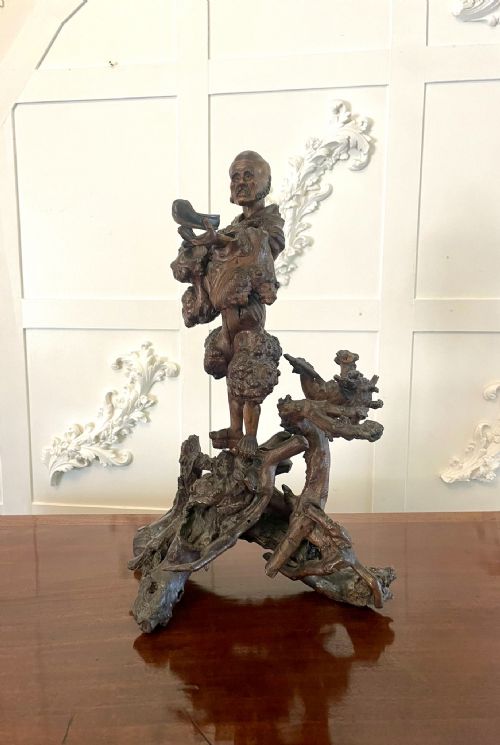


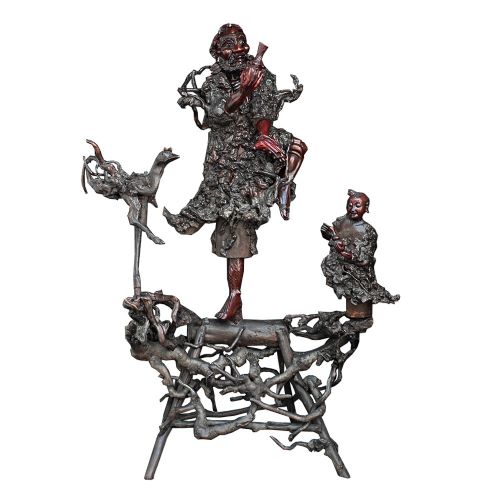


Qing Dynasty Root Carving
These qing dynasty root carving pieces are organic sculptures and furnishings shaped from natural burl and timber, prized for capturing wild growth within human craft.
Qing Dynasty Root Carving
A qing dynasty root carving brings natural, gnarled timber forms into domestic spaces through imaginative shaping by historical artisans. These works take the form of figural sculptures, scholars' objects, functional table lamps, and small stands.
The selections encountered here span the eighteenth and nineteenth centuries, featuring regional Chinese regional styles alongside official Qing aesthetics. Common iterations include depictions of deities, scholars, and animals shaped directly from the eccentric contours of root wood.
Makers utilised the natural twists of the timber to suggest robes, waves, or mountainous terrain, often integrating existing burls into the final subject. Such pieces served as contemplative desk ornaments or expressive furniture within traditional scholar studios.
How They Were Made
Craftsmen selected sections of root wood, bamboo, burr wood, and dense hardwoods based on their eccentric natural curves and knots. Artisans then carved away surplus material while respecting the organic grain, occasionally combining brass or metal elements.
Surface finishing relied on prolonged handling, natural oils, and polishing to develop a deep patina across the exposed grain. Lacquer was occasionally applied to highlight specific details or protect the timber from atmospheric changes.
One historical artisan evidently looked at a tangled root knot and decided it made a remarkably dignified Dog of Fo.
What Varies in Quality
Superior examples of a qing dynasty root carving display a harmonious balance between natural timber growth and intentional human intervention. The most successful pieces retain the lively, eccentric spirit of the raw root without appearing overworked.
Depth of carving and the richness of the polished patina distinguish finer sculptural forms from simpler domestic items. Artisans who skillfully incorporated natural burls into figures such as scholars or mythical animals achieved greater aesthetic success.
The Qing Dynasty Root Carving Glossary
- Root wood
- Timber sourced from the subterranean parts or burls of trees, valued for its twisted and knotted grain. This material forms the primary base of these organic carvings.
- Patina
- The deep sheen and lustrous surface developed through age, handling, and repeated polishing of the timber. A good surface adds visual warmth to the carving.
- Burr wood
- A growth on a tree where the grain has grown in a deformed manner, resulting in swirling patterns. Carvers sought this material for its complex visual texture.
- Qing Dynasty
- The final imperial dynasty of China, lasting from sixteen forty-four until nineteen twelve. Pieces from this era often reflect refined scholarly tastes and distinct regional workshops.
Qing Dynasty Root Carving: Frequently Asked Questions
What is a root wood carving?
A root wood carving is a sculptural object shaped from the gnarled, twisted underground parts or burls of trees.
Artisans followed the natural contours of the timber to create figures, scholars' items, and furnishings.
How do I date these carvings?
Dating relies on observing the depth of the patina, tool marks, and stylistic conventions typical of eighteenth and nineteenth-century Chinese workshops.
Material choices like dense hardwoods and specific regional carving styles also help indicate the period.
Where were these pieces displayed?
These carvings traditionally occupied scholar studios, reception rooms, and private living spaces within historical Chinese homes.
They functioned as contemplative desk ornaments, stands, or decorative lamps.
How should I clean my carving?
Dust the timber gently with a dry, soft cloth to prevent the accumulation of dirt within the intricate grain.
Avoid liquid cleaners and excessive moisture to protect the historic patina of the wood.