






Antique Asian Root Sculpture
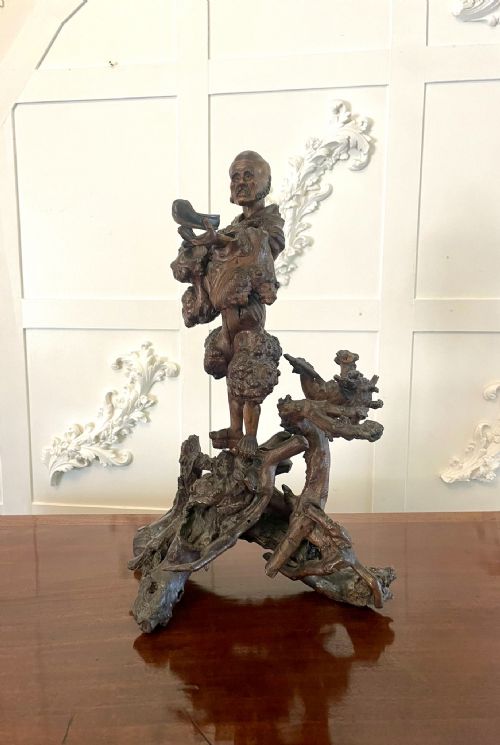
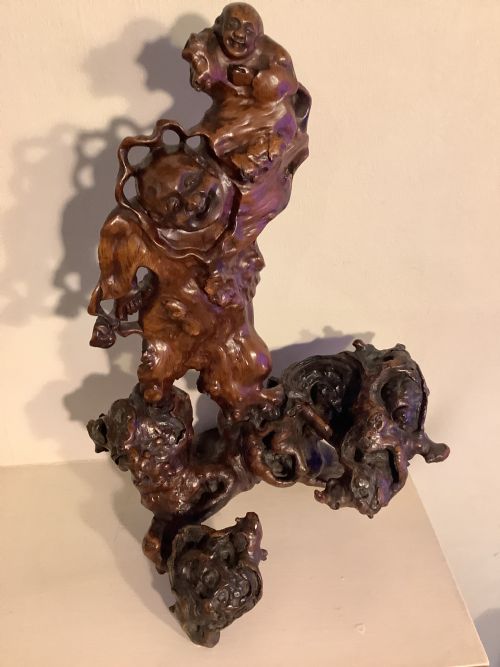
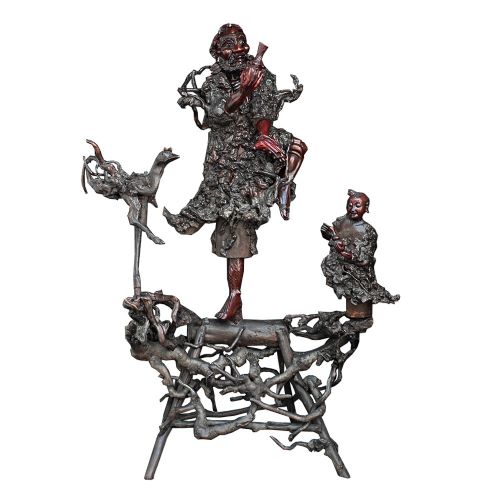
These antique asian root sculpture pieces are organic and expressive carvings shaped by nature and refined by hand, prized for their complex gnarled forms.
Antique Asian Root Sculpture
When you search for antique asian root sculpture, you encounter natural timber formations that carvers adapted into figures, vessels and furniture during the nineteenth century. The selection ranges from tabletop scholar stones and mythical lions to functional stands and table lamps.
Most examples originate from China during the Qing dynasty, alongside occasional Japanese Meiji period works. Makers utilised the natural twists of the material to suggest human figures, deities and animals.
Forms include standalone carvings of scholars or children, paired temple guardians known as dogs of foo, and practical items such as headrests and bamboo deity figures.
How they were made
Carvers worked with dense root wood, burr wood and bamboo, following the natural grain and knots of the timber to dictate the final shape. Artisans trimmed extraneous material while preserving the contorted contours produced by subterranean growth.
Surface preparation involved smoothing specific focal points while leaving the rugged background intact to create textural contrast. Selected pieces received applications of lacquer or developed a natural polished patina through handling over decades.
The material selection spans root wood, hardwood, burr wood, bamboo and brass, paired with nineteenth-century Chinese and Japanese origins.
What varies in quality
Quality rests upon how judiciously the carver collaborated with the natural growth of the timber rather than forcing an unnatural shape. Superior pieces display anatomical plausibility in figures and a balanced composition that respects the original root structure.
Gyoko
The Antique Asian Root Sculpture Glossary
- Rootwood
- Timber harvested from the underground root system of a tree, valued for its dense grain and irregular, sculptural growth patterns. This material forms the primary medium for these carvings.
- Burr wood
- A tree growth where grain has deformed in a swirl, creating intricate patterns across the polished surface. Carvers prized this figure for decorative effect on scholar items.
- Dogs of Foo
- Traditional guardian lions placed to ward off evil spirits, frequently rendered in these sculptures with stylized manues and fierce expressions. They appear often in nineteenth-century Chinese examples.
- Patina
- The surface sheen developed through age and handling that enhances the texture of the wood. A desirable finish shows warmth and depth across the exposed grain.
Antique Asian Root Sculpture: Frequently Asked Questions
How do I clean an antique root sculpture?
Dust the piece gently with a soft, dry brush to prevent dirt from settling into the deep crevices of the gnarled wood.
Avoid using liquid cleaners or polishes, which can damage the historic surface and accumulated patina.
Where should I place these carvings at home?
Position them on sturdy tables or pedestals where the complex organic shapes can be viewed from multiple angles.
Keep the timber away from direct sunlight and strong heat sources to prevent cracking in the aged material.
How can I tell the period of a carving?
Examine the tool marks, the depth of the surface wear, and the overall style associated with nineteenth-century production.
Late nineteenth-century examples often incorporate functional elements like lamp fittings or quartz table inserts.
What is the difference between rootwood and bamboo?
Rootwood comes from underground timber systems that form twisting, unpredictable shapes utilised for figurative and sculptural work.
Bamboo provides a hollow, segmented tubular form that carvers shaped into cylindrical figures, headrests and scholar objects.