





Brown Carved Wood Lions
Brown carved wood lions bring powerful presence and spirited form into a room, spanning centuries of skilled animalier sculpture.
Brown Carved Wood Lions
When searching for brown carved wood lions, buyers encounter a diverse selection of sculptural figures, wall masks, and architectural ornaments from the nineteenth and early twentieth centuries. These pieces appear in various hardwoods including oak, walnut, mahogany, and boxwood, shaped by makers working across European and Asian traditions.
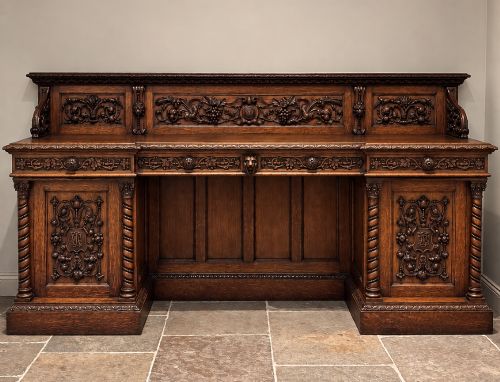
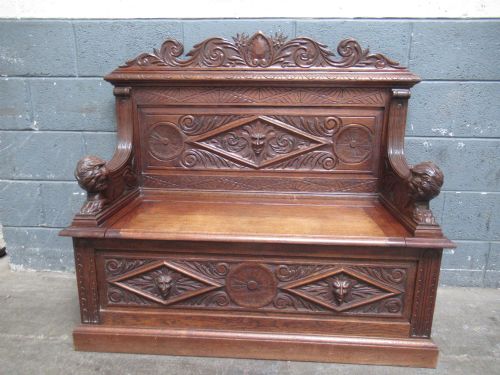
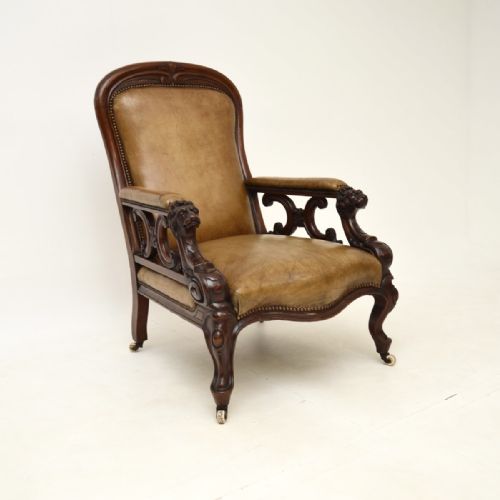
The assortment includes domestic works such as bookends and mantel figures alongside grander decorative carvings like Grand Tour Medici lions and Black Forest wall mounts. Many items integrate animal motifs into functional furniture, appearing on chair arms, stool legs, and monumental sideboards.
Origins stretch from English workshops to continental studios and traditional Chinese carvers, reflecting distinct regional interpretations of the king of beasts. Whether rendered as fierce guardians or classical heraldic sentinels, each object demonstrates the enduring appeal of carved timber animal sculpture.
Materials and Methods
Surfaces received careful hand-finishing, often utilising wax or polish to enrich the natural warmth and colour of the brown timber. Certain figures combine the carved wood elements with contrasting materials such as marble bases or leather upholstery, highlighting the sculptural form.
Some lions double as bookends to keep unruly novels upright with royal dignity.
Judging Quality and Execution
The depth of relief and the ambition of the composition set finer sculptures apart from simpler production pieces. Master carvers exploited the natural figure of the walnut or oak to enhance the texture of the mane and muscular form.
Eugene Emile Borga·Luigi Frullini
The Brown Carved Wood Lions Glossary
- Animalier
- A nineteenth-century art movement focusing on the realistic portrayal of animals. Sculptors in this genre captured beasts in dynamic or resting poses with close attention to anatomical truth.
- Black Forest
- A style of wood carving originating in the Swiss and German regions during the nineteenth century. These pieces typically feature highly realistic depictions of local wildlife and fierce predators in deep relief.
- Medici Lion
- A classical sculptural type originating from ancient Roman marble prototypes and famously housed in the Loggia dei Lanzi in Florence. Replicas in carved wood often served as grand decorative ornaments.
- Foo Dog
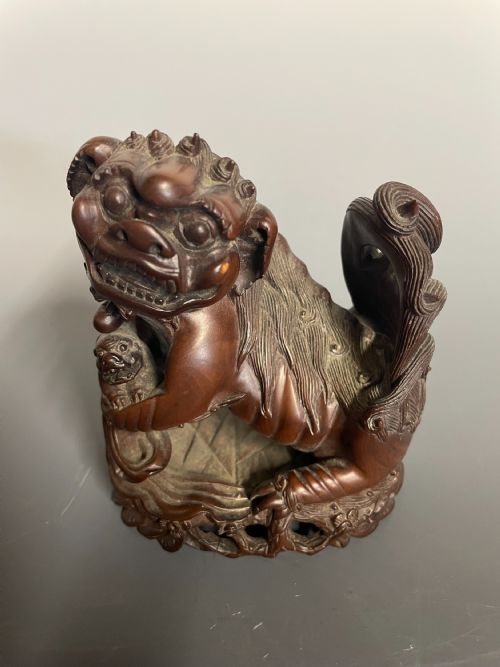
- A traditional Chinese guardian lion symbolising protection and prosperity. These figures frequently appear in Asian wood and root carvings with stylised curls and open mouths.
Brown Carved Wood Lions: Frequently Asked Questions
Where should I display a wooden lion carving?
These sculptures suit prominent positions on mantelpieces, sturdy sideboards, or dedicated pedestals where their sculptural form can be viewed from multiple angles. Wall masks require secure mounting on panelled or plastered surfaces that complement their substantial weight.
Pair them with traditional library furniture or minimalist interiors to let the deep brown tones and carved textures stand out as focal points in the room.
How do I care for antique carved wood?
Maintain the timber by dusting regularly with a soft, dry cloth and applying a quality beeswax sparingly to nourish the grain. Keep the pieces away from direct heat sources and strong sunlight to prevent the wood from drying out or splitting.
Avoid liquid cleaners or silicone polishes, which can build up on the surface and dull the fine hand-carved details over time.
How do I date a carved wooden lion?
Dating relies on examining the tooling marks, timber species, and stylistic cues characteristic of specific periods like the Victorian era or the Edwardian years. Deeper patination and hand-forged or early iron fixings often indicate nineteenth-century origins.
Compare the carving style against documented regional workshops and known makers from the evidence to narrow down the era of production.