
Late 19th Century Glass
Late 19th century glass brings together functional tableware and decorative objects shaped by diverse European and British workshops.
Late 19th Century Glass
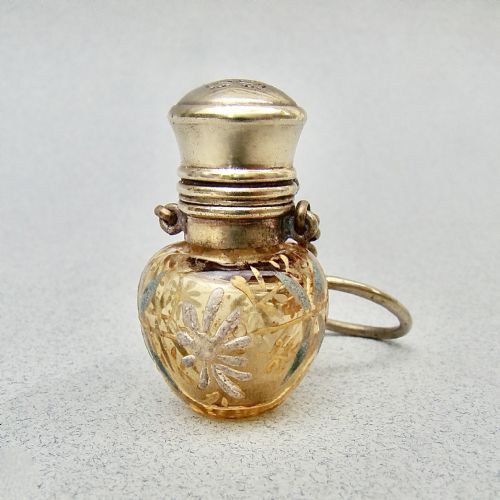
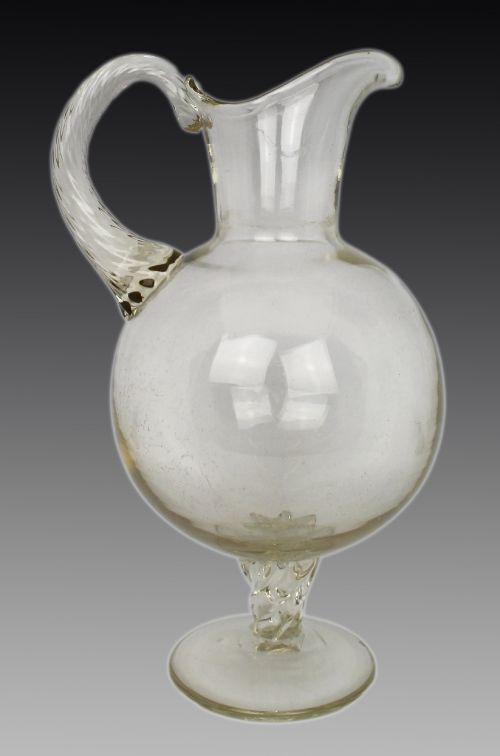
When searching for late 19th century glass, buyers encounter a wide assortment of domestic and display vessels produced during the Victorian era and the closing decades of the century. The selection ranges from practical water jugs, decanters, and wine glasses to ornamental scent bottles, trinket boxes, and lustres.
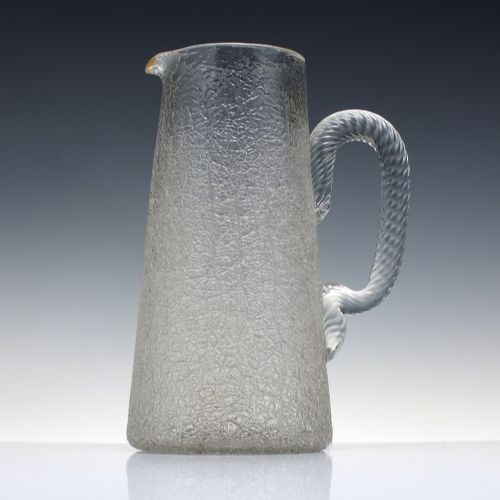
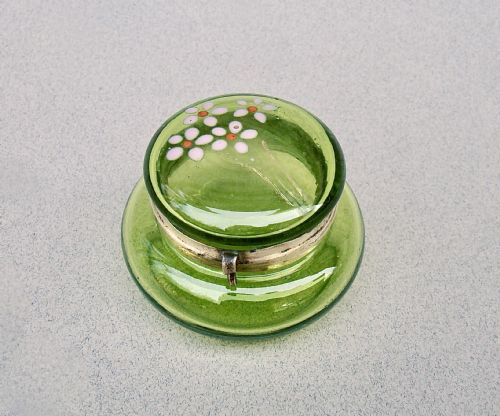
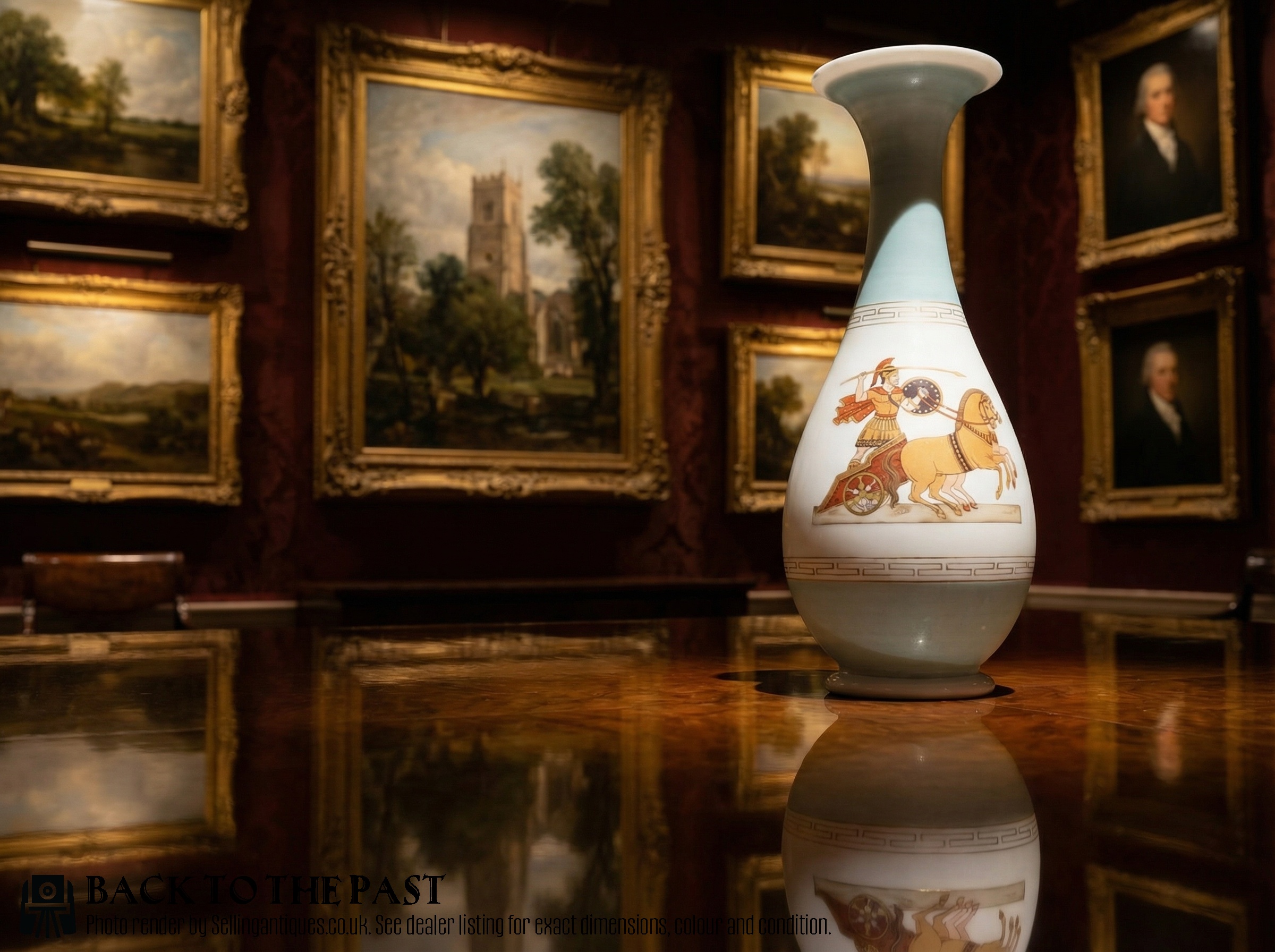
Vessels on this page often incorporate metal mounts, silver plating, or brass frames, combining glass bodies with structural hardware. Items such as overshot glass pitchers, cranberry glass salts, and enamelled vases represent the decorative domestic output typical of the period.
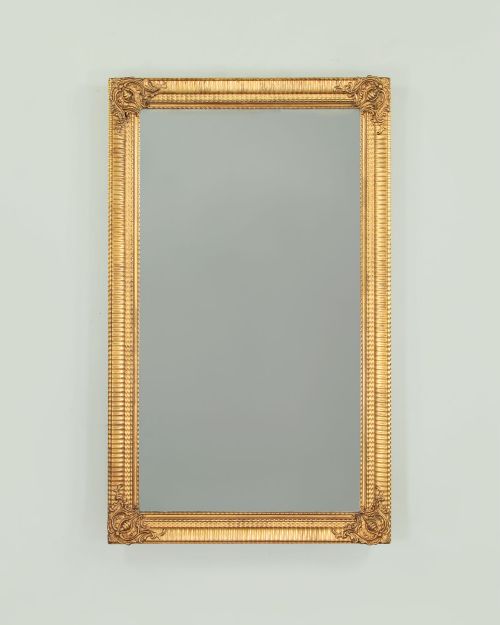
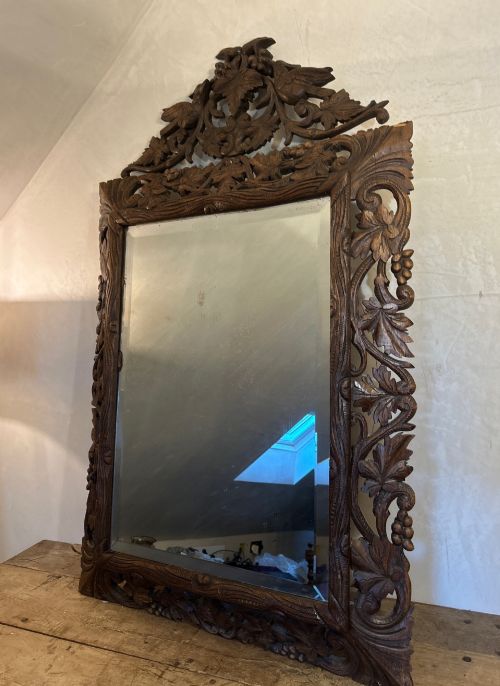
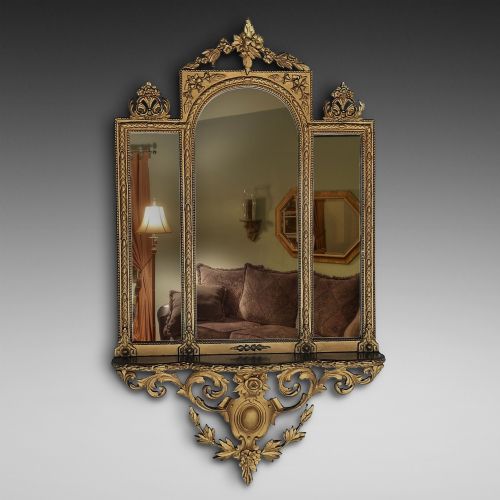
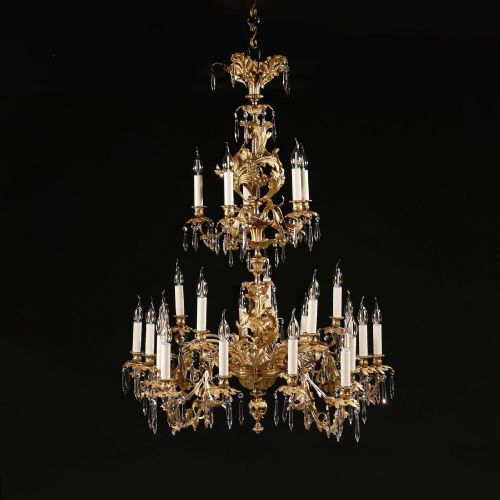
The objects also extend to larger decorative statements like chandeliers, table mirrors, and firescreens that integrate glass components into structured frames. These pieces reflect the functional and ornamental priorities of households from the 1880s and 1890s.
How they were made
Makers utilised traditional hand-blowing techniques alongside cutting, engraving, and acid-etching to pattern the glass bodies. Surface treatments frequently involved enamel painting, gilding, and the application of contrasting coloured glass overlays.
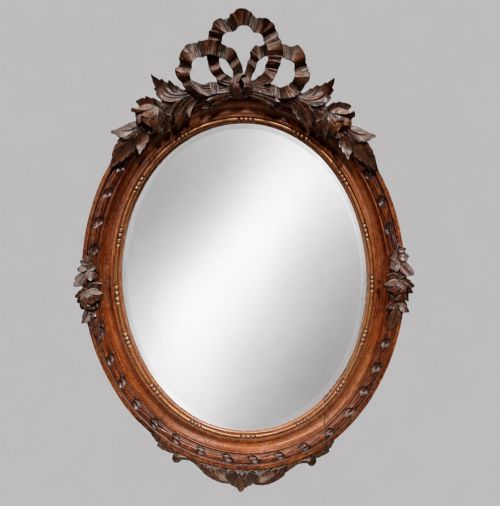
Mounts and hardware were produced using metals such as brass, ormolu, silver plate, and silver gilt, which were cast, chased, or engraved to secure the glass components. Frames for mirrors and display items incorporated woods like mahogany, oak, and walnut, often finished with gilt gesso or carved details.
Listings feature items spanning the 1880s and 1890s, utilising brass, ormolu, and silver plate alongside clear, cranberry, and amber glass forms.
What varies in quality
The standard of a piece rests on the clarity and weight of the glass, the precision of cut facets, and the crispness of any engraved or enamelled decoration. Hand-blown items show varying degrees of bubble distribution and surface smoothness, where finer examples maintain uniform walls and refined finishing.
Integration between the glass body and any metal mounts, handles, or frames determines the structural integrity and overall refinement of the object. High-end items display secure, well-fitted mounts and careful chasing on brass or silver-plated elements, distinguishing them from simpler production pieces.
Thomas Bradbury·Moser
The Late 19th Century Glass Glossary
- Overshot glass
- A technique where fine threads of glass are trailed across the hot surface of a vessel to create a textured, icy finish. This method produces a distinct tactile quality on pitchers and jugs.
- Cranberry glass
- A rich red glass coloured with gold chloride, widely produced during the Victorian period for tableware and decorative items. It appears frequently in salts, decanters, and bon-bon dishes.
- Ormolu
- Gilded bronze used extensively for decorative mounts, handles, and stands on glass centerpieces and scent bottles. It provides a bright golden accent to the glass components.
- Lustre
- A mantle ornament featuring a glass bowl hung with cut glass prisms designed to catch the light. Pairs of these items were common decorative fixtures in period interiors.
- Vinaigrette
- A small ornamental box fitted with a perforated internal grille to hold a sponge soaked in aromatic vinegar. These pieces often combined glass bodies with silver or silver-gilt mountings.
Late 19th Century Glass: Frequently Asked Questions
Are these items safe for daily use?
While many jugs, decanters, and glasses were built for functional service, age introduces wear to mounts, handles, and thin glass walls. Hand washing is essential, and acidic liquids should not be left inside antique vessels for long periods.
For delicate scent bottles, trinket boxes, and lustres, display and light use preserve the materials best. Structural mounts and glued joints benefit from minimal handling.
How can I date late 19th century glass?
Dating relies on stylistic markers, manufacturing techniques, and any accompanying metal mounts or hallmarks. Pieces from the 1880s and 1890s often exhibit characteristic Victorian revival styles or aesthetic movement influences.
Pontil marks on the base, the weight of the metalwork, and registration numbers or maker stamps on silver-plated frames provide further chronological clues.
What is the difference between cut glass and pressed glass?
Cut glass is shaped by hand on a rotating wheel, leaving sharp facets and polished impressions that catch the light cleanly. Pressed glass is formed by pouring molten metal into a mould, resulting in softer edges and often a seam line from the manufacturing process.
Hand-cut examples generally exhibit greater weight and precision in the patterns compared to moulded alternatives.