



Victorian Opaline Glass
Victorian opaline glass brings together delicate pastel hues and heavy metal mounts to create decorative objects and lighting that define nineteenth-century interiors.
Victorian Opaline Glass
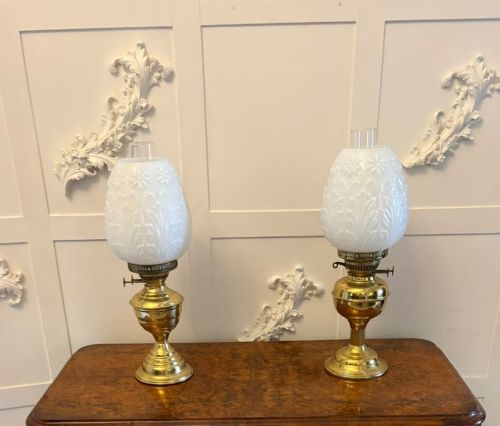
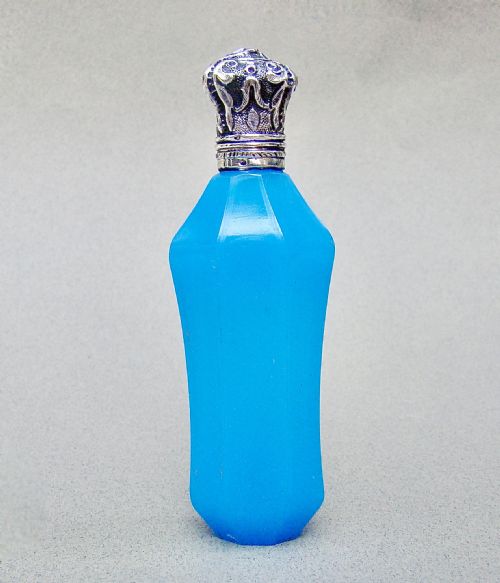
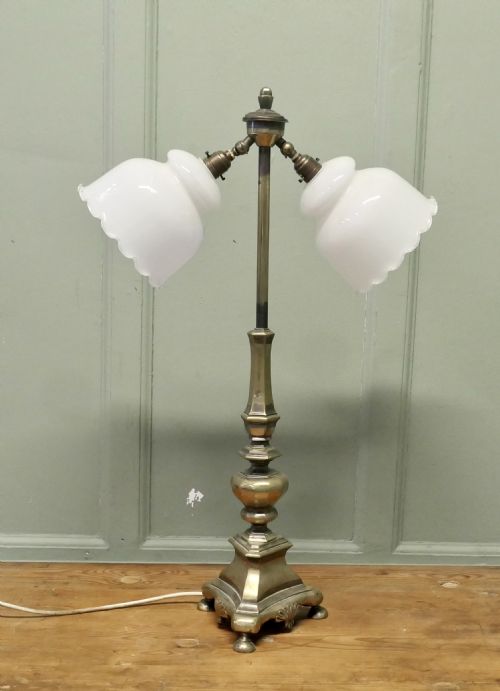
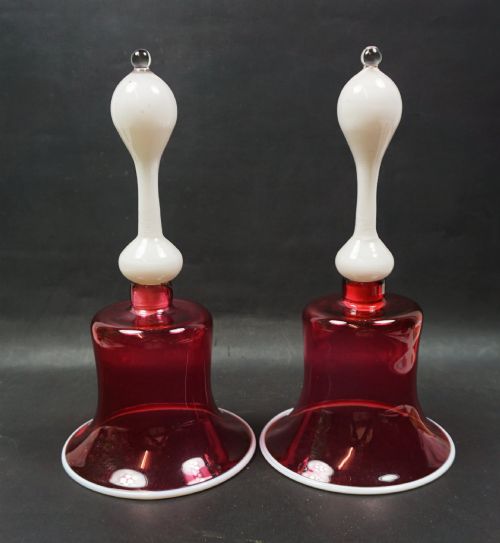
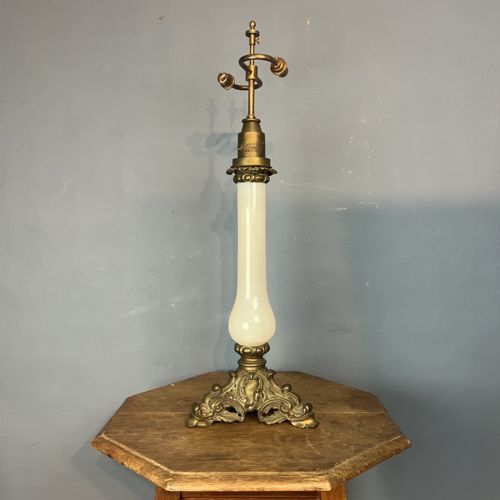
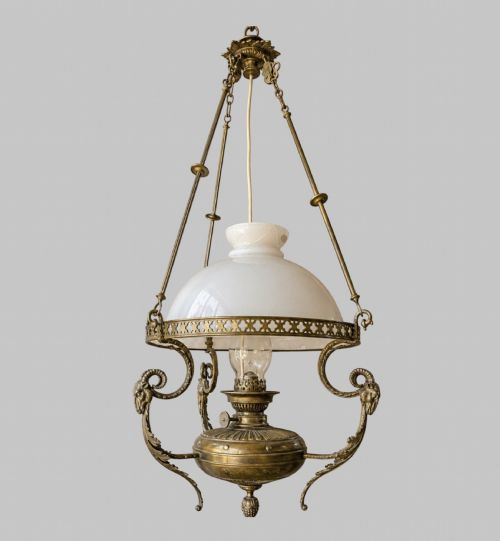
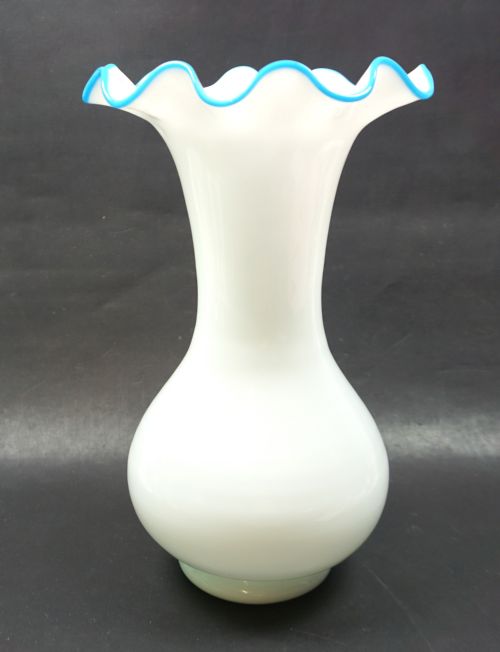
Victorian opaline glass encompasses table lamps, oil lamps, scent bottles, vases, and lustres spanning the nineteenth and early twentieth centuries.
Makers in France, England, and Bohemia produced these pieces in white, turquoise, pink, and green glass, frequently incorporating brass, silver, and gilt bronze mounts.
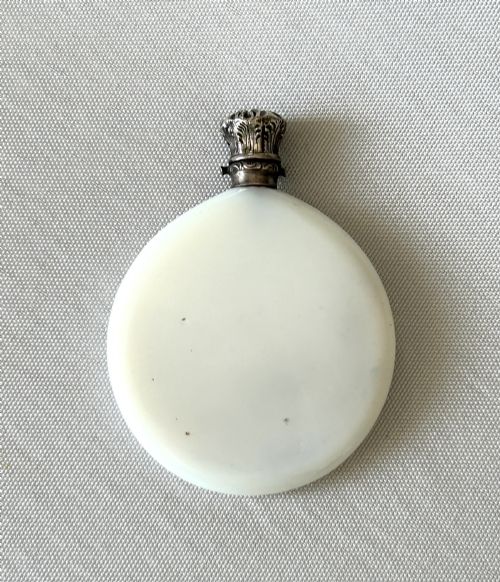
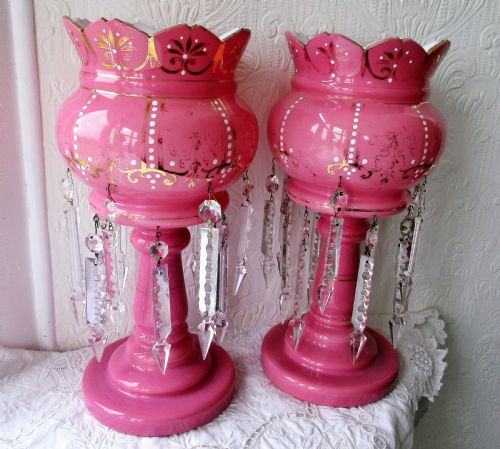
Domestic lighting and small pocket items such as scent bottles appear most frequently on this page, alongside decorative mantelpiece vases.
Materials and Technique
The objects combine opaque or translucent opaline glass with metal components in brass, bronze, silver, and gold leaf.
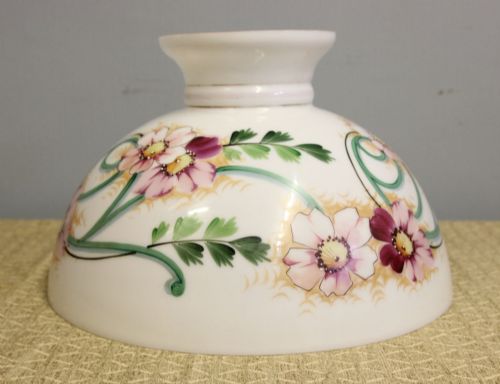
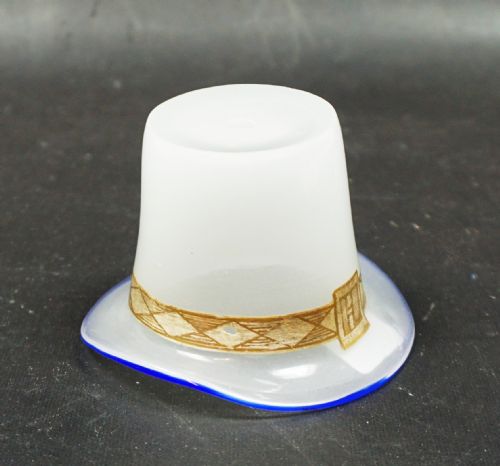
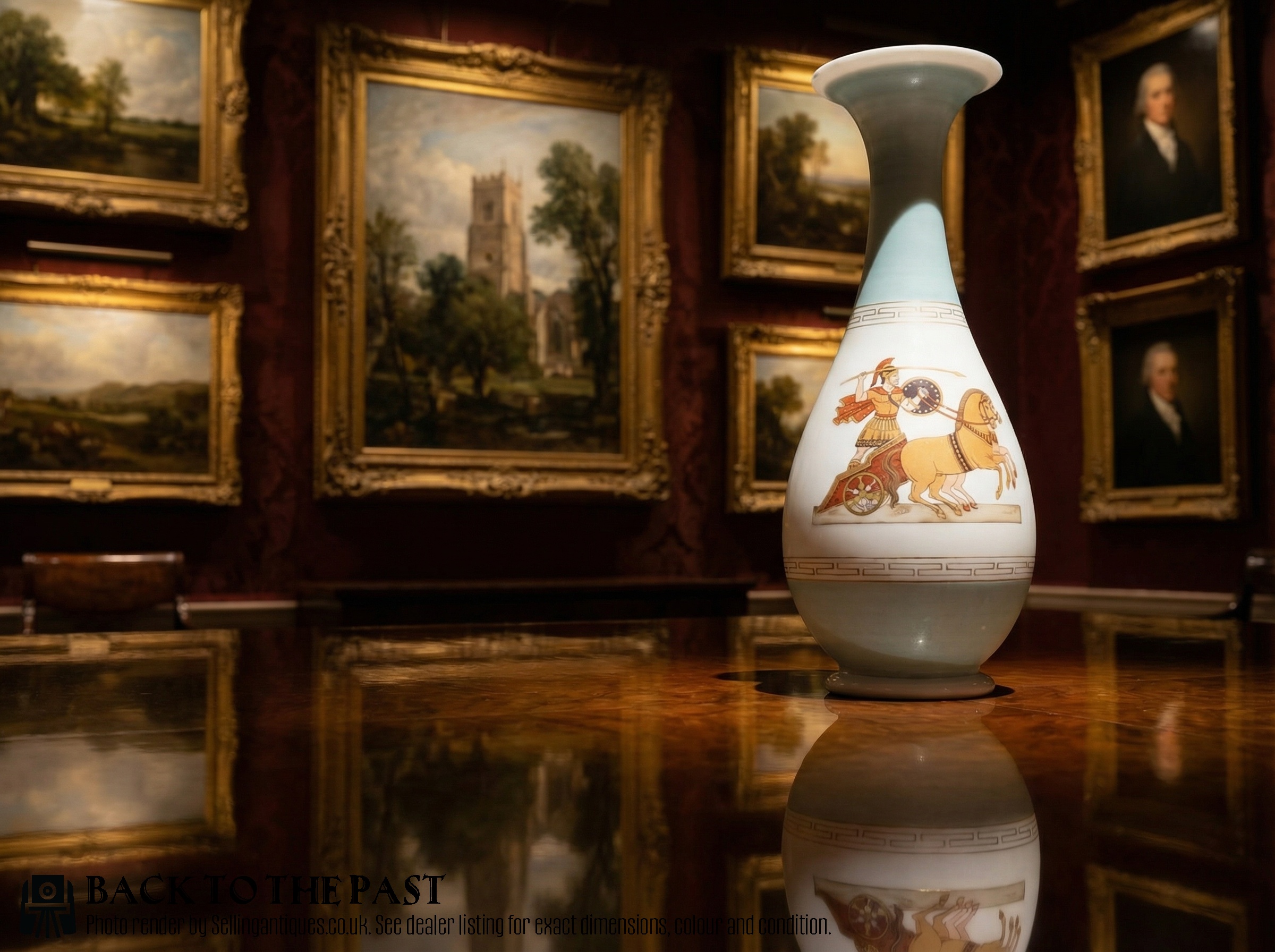
Artisans decorated surfaces using hand-painted enamel floral motifs and gilding, often securing the glass within elaborate cast metal frames and mounts.
A miniature coach and horses trick box brings a touch of novelty carriage travel directly to the Victorian dressing table.
Craftsmanship and Weight
Quality reveals itself in the weight and finish of the metal mounts, where cast brass and hallmarked sterling silver outclass lighter stamped alternatives.
The precision of the hand-painted enamel and the consistency of the glass coloration distinguish standard production items from workshop pieces bearing maker stamps.
Joseph Hinks·Perry And Co·Harrach·George Bacchus And Sons·Frederick Davis·William Harrison Walter
The Victorian Opaline Glass Glossary
- Opaline glass
- An opaque or translucent glass ranging from milk white to various pastel tones. It was widely used for decorative tableware and lighting during the nineteenth century.
- Lustre
- A mantelpiece ornament featuring a glass bowl hung with cut glass prisms. These pieces typically reflect ambient light through tinted glass.
- Vinaigrette
- A small ornamental container with a perforated inner grill holding a sponge soaked in aromatic vinegar. They frequently feature silver mounts and opaline bodies.
- Hinks burner
- A specific double-wick burner mechanism found on nineteenth-century oil lamps. It regulated the flame and improved combustion efficiency.
- Chatelaine
- A decorative belt hook worn with suspended utilitarian items including scent bottles and chatelaine purses. They allowed the wearer to carry small personal accessories.
Victorian Opaline Glass: Frequently Asked Questions
What is opaline glass?
Opaline glass is an opaque or semi-translucent glass developed in various pastel shades during the nineteenth century. It achieves its milky appearance through the addition of bone ash or metal oxides during manufacture.
Craftsmen shaped this material into vases, scent bottles, and lighting shades, often embellishing the surface with enamel painting or gilt bands.
How do I clean my opaline glass?
Cleaning requires warm water and mild soap applied with a soft cloth to protect surface enamelling and gilding. Harsh abrasives will permanently scratch the glass and wear away delicate gold leaf details.
Metal mounts should receive care separate from the glass body, using appropriate metal polish while avoiding contact with the opaline surface.
Were these lamps converted from oil?
Many Victorian opaline glass lamps originally burned oil or paraffin before undergoing later conversion to electricity. These pieces retain original brass burners, collars, and fonts adapted for modern wiring.
Collectors encounter both electrified conversions and preserved original oil lamps equipped with chimneys and shades.
How do I date these pieces?
Dating relies upon silver hallmarks, patent stamps on metal hardware, and stylistic indicators such as Aesthetic Movement or Neoclassical motifs. Victorian production spans from the mid-nineteenth century through the Edwardian period.
Makers' marks stamped onto brass collars or silver mounts provide specific registration years and attribution to known workshops.