
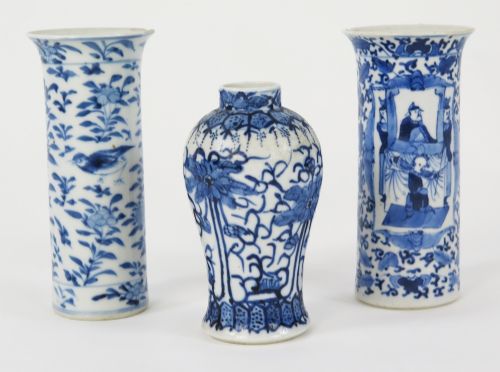
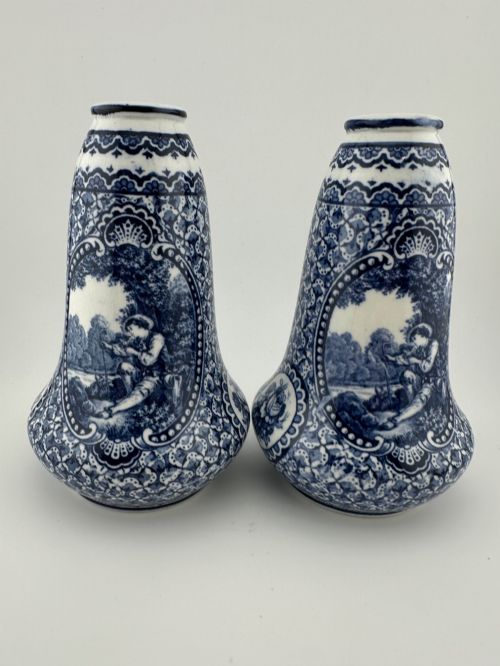
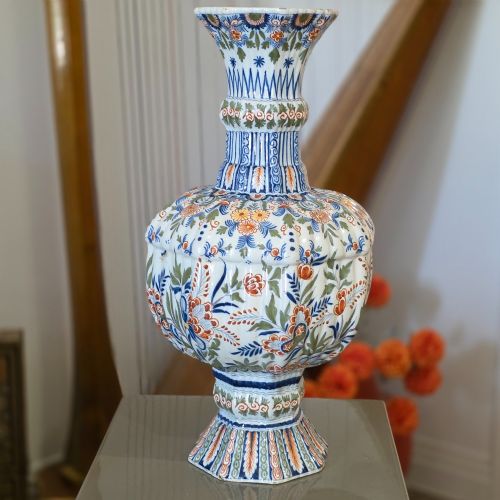
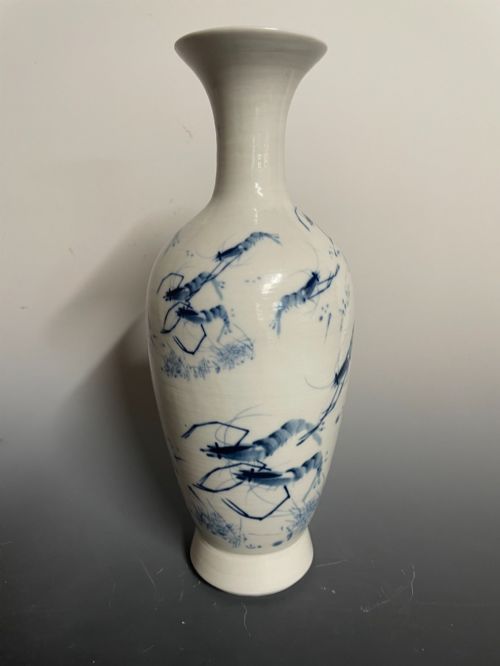

Antique White Vases
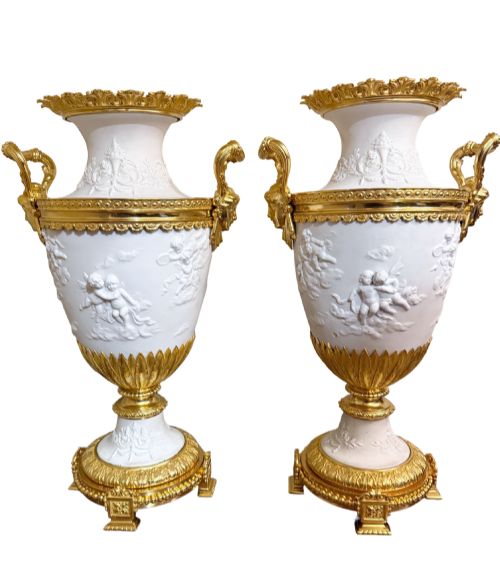
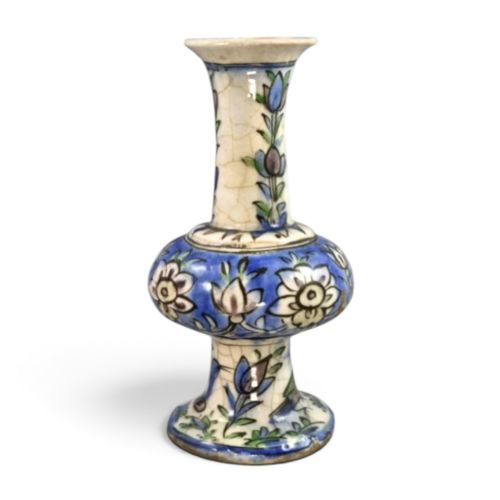
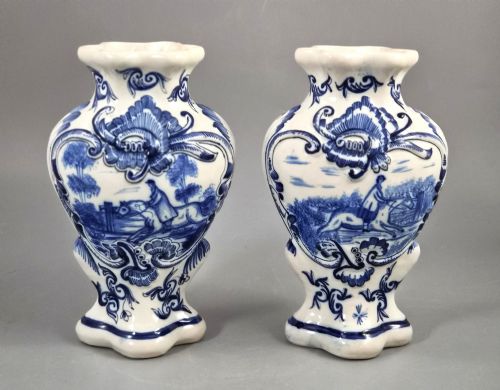
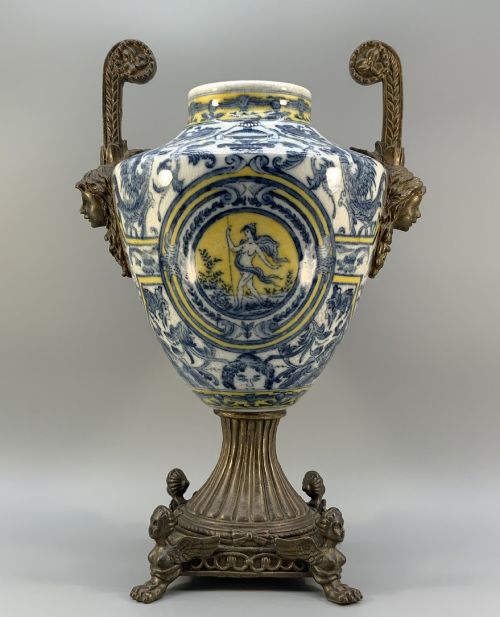
Antique white vases bring centuries of ceramic artistry and refined decoration into domestic spaces, ranging from delicate porcelain to tin-glazed earthenware.
Antique White Vases
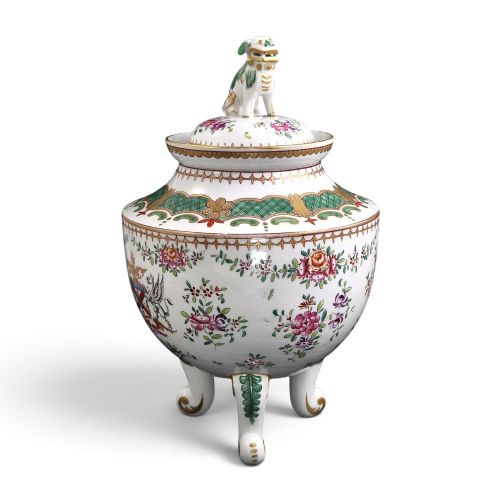
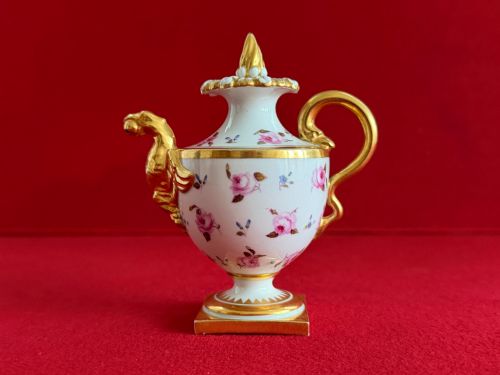
When searching for antique white vases, collectors encounter a diverse array of decorative vessels originating from European factories, English potteries, and Asian kilns. These objects span multiple periods, including the Georgian, Regency, and Victorian eras, alongside late nineteenth-century productions.
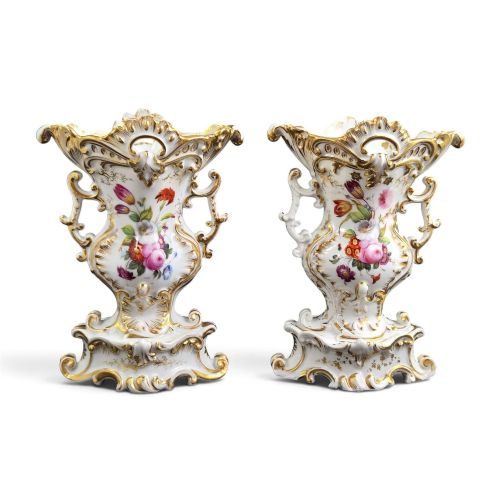
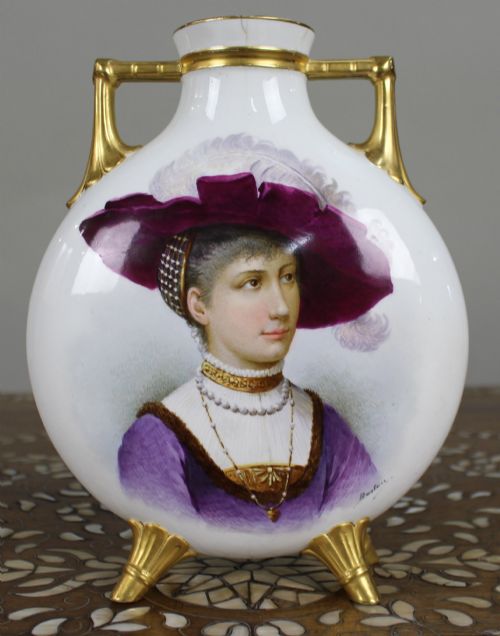
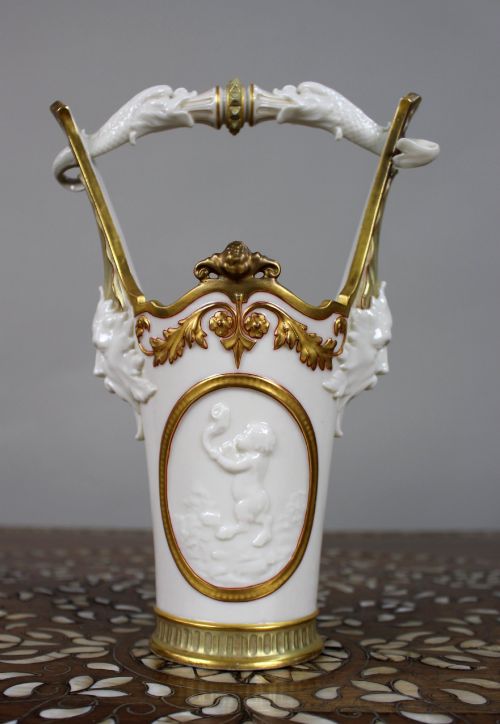
The selections on this page encompass various forms, from bulbous covered urns and slender bud vases to table lamps and garniture sets. Many pieces integrate painted floral motifs, gilding, or armorial details upon light-toned ceramic bodies.
Makers and regional potteries across England, France, Italy, and China produced these white and light-ground vessels to suit changing interior fashions. Buyers find both utilitarian mantel pieces and grand exhibition items designed for display.
Materials and construction methods
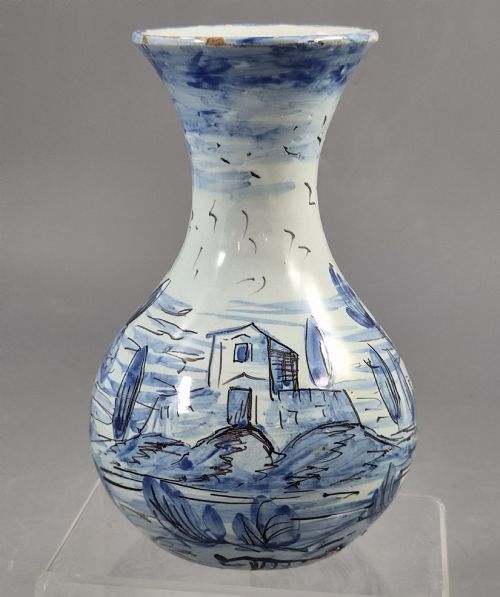
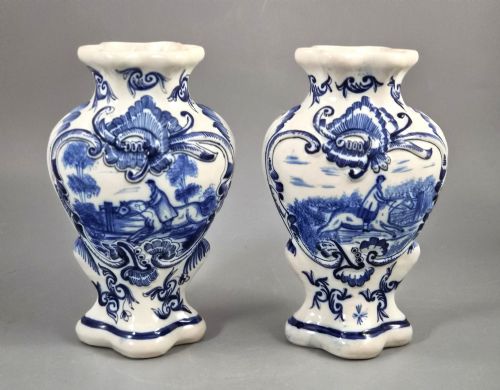
Potters relied on fine white porcelain, earthenware, and tin-glazed compositions such as faience, majolica, and delftware as the primary foundations for these vessels. Artisans applied opaque white glazes or utilised the natural pale paste of the ceramic body to create a uniform light background.
Decoration involved hand-painted polychrome pigments, underglaze blue, enamel work, and applied gold leaf or gilding. Certain pieces also incorporated structural metal additions, including bronze mounts and white metal fittings.
Several sheep have spent centuries holding wooden spills on British mantelpieces without ever grazing.
Assessing quality and execution
Excellence in these vessels rests upon the precision of the potter's throw and the clarity of the ceramic body. Finer examples display crisp moulding, evenly fired glazes without significant bubbling, and balanced proportions across matched pairs.
The standard of painted decoration dictates the distinction between standard production items and premier studio pieces. Master artists contributed intricate brushwork, detailed ornithological or floral studies, and refined gilding that remain sharp and well-preserved.
Flight Barr And Barr·Jacob Petit·Royal Worcester·Sitzendorf·Crown Derby
The Antique White Vases Glossary
- Tin-Glazed Earthenware
- Pottery covered with a glaze containing tin oxide that produces a white and opaque surface. This technique forms the basis for faience, delft, and majolica wares.
- Gilding
- The application of gold leaf or powdered gold onto the surface of ceramic or bronze elements. It highlights rims, handles, and decorative borders.
- Lustre
- A type of ceramic glaze that imparts a metallic sheen or iridescence upon the finished piece. Mantel lustres often include hanging glass prisms.
- Spill Vase
- A small cylindrical container designed to hold tapers used for lighting fires and candles. These objects are frequently modelled in pairs as decorative shelf ornaments.
Antique White Vases: Frequently Asked Questions
How do I identify a Victorian white vase?
Victorian examples often display heavy moulding, vibrant enamel colours, or gilt highlights applied over porcelain and earthenware bodies. Many pieces reflect revivalist tastes such as Renaissance or Rococo styles popular during the nineteenth century.
Examining the base for factory marks or registration numbers helps confirm the nineteenth-century production period.
Were these vases used for fresh flowers?
Many historical vessels served primarily as decorative garniture elements on mantelpieces, sideboards, or cabinets rather than functional water holders. Forms with narrow necks, such as bud vases or sprinkler flasks, accommodated specific botanical arrangements.
Larger urns and covered jars were designed as architectural ornaments for interior display.
What is the difference between porcelain and faience?
Porcelain is a hard, vitrified ceramic made from kaolin and petuntse that fires at high temperatures to produce a white, non-porous body. Faience is a tin-glazed earthenware that offers a softer, opaque white surface suitable for painted tin-glaze decoration.
Both materials supported extensive artistic painting during the eighteenth and nineteenth centuries.
How should I clean my antique ceramic vase?
Dusting gently with a soft, dry brush is the safest method for maintaining delicate painted surfaces and gold leaf. Water and harsh cleaning agents can damage porous earthenware bodies or degrade historic enamels over time.
Professional conservation advice is recommended for pieces with fragile metal mounts or old repairs.