


Gilt Opaline Glass
Gilt opaline glass unites the milky density of nineteenth-century tableware with hand-applied gold leaf, offering collectors a striking balance of opacity and metallic warmth.
Gilt Opaline Glass
Gilt opaline glass encompasses functional vessels and decorative ornaments shaped from opaque or translucent silicate, heavily enriched with gilding. When browsing gilt opaline glass, collectors regularly encounter nineteenth-century French and Bohemian pieces designed for domestic display or personal vanity.
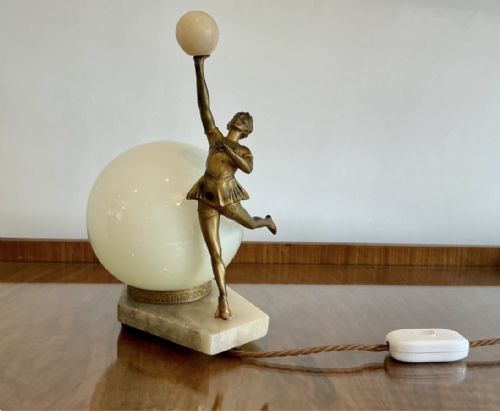
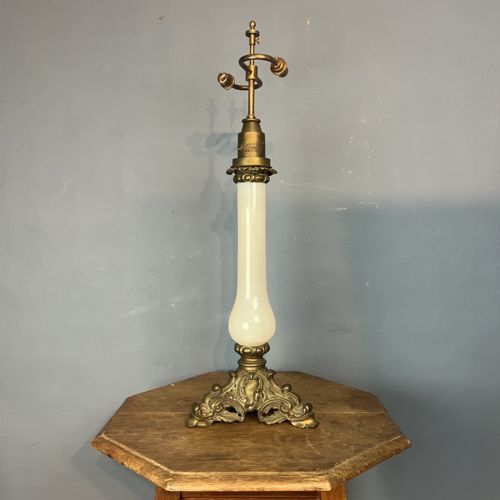
The material manifests in diverse domestic forms, ranging from scent bottles, rouge pots and trinket boxes to large table lamps and fluid chandeliers. Green, blue and white opaline bodies dominate the selection, frequently paired with gilt brass, ormolu mounts and enamel details.
Vessels emerge from distinct stylistic movements, including Victorian revivalism, Biedermeier simplicity and Art Deco silhouettes. Many items originate from French workshops associated with Palais Royal retailers, alongside notable output from Bohemian glasshouses.
Materials and Technique
Glassmakers created opaline glass by adding bone ash, arsenic or metal oxides to the molten batch to achieve its characteristic milky, opaque appearance. Artisans then formed the vessels by free-blowing or mould-pressing the hot material into varied shapes such as scallop shells and egg caskets.
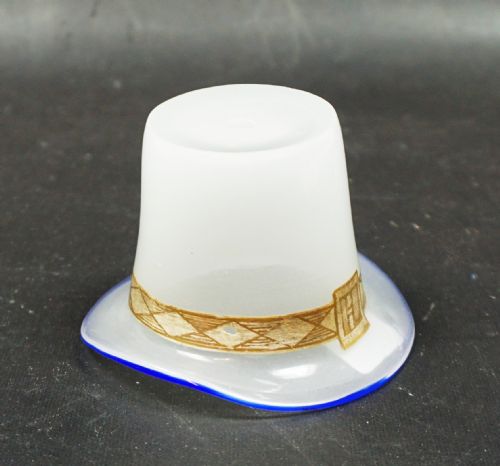
Guilders and decorators applied metallic gold leaf or gold paint directly onto the cooled glass surface, frequently firing the pieces to fuse the metal. Mount makers integrated brass, gilt bronze and ormolu frames, securing the glass bodies with mechanical fittings or pinned bezels.
One miniature carriage conceals an opaline egg inside, proving the nineteenth-century affection for whimsical novelty.
Factors of Quality
The crispness and execution of the surface gilding dictate much of the visual merit, distinguishing precise hand-painted or leaf-applied motifs from rubbed, flat decoration. Weight and wall thickness of the opaline body also signal standard, heavier vessels offering a more substantial hand.
Integration of secondary metals shapes the overall success of the piece, particularly where gilt brass, ormolu and silver mounts are fitted snugly to the glass contours. The clarity of the coloured glass ground and the sophistication of secondary enamel panels further separate standard production from exceptional examples.
Moser·Perry And Co·Hewett And Co·Mc Garys Patent·William Harrison Walter
The Gilt Opaline Glass Glossary
- Opaline glass
- An opaque or translucent glass developed during the nineteenth century, prized for its milky pastel and saturated colour palette. It serves as the primary canvas for gilt ornamentation.
- Ormolu
- Finely chased bronze finished with a mercury gilding technique, frequently utilised for mounts, feet and hinges on boxes and lamps. This material provides structural framing for delicate glass components.
- Palais Royal
- A Parisian district associated with luxury retailers and novelty makers during the nineteenth century. Items bearing this attribution typically denote high-end vanity wares and desk accessories.
- Biedermeier
- A Central European design style spanning the early to mid-nineteenth century, favouring clean lines and functional elegance. Pieces from this aesthetic rely on restrained gilt borders rather than heavy relief.
- Aesthetic Movement
- A late Victorian design phase emphasising visual beauty over narrative function, often incorporating stylised motifs. Silver and gilt mounts from this era reflect meticulous craftsmanship.
Gilt Opaline Glass: Frequently Asked Questions
What is opaline glass?
Opaline glass is a type of dense, translucent or opaque glass that gained popularity across Europe during the nineteenth century. Its milky appearance comes from specific chemical additives mixed into the molten batch.
Makers utilised this medium to produce decorative vases, boxes and lighting components that could hold rich enamel and gilt decorations without losing their distinctive opacity.
How were gilt opaline pieces used?
These objects served primarily decorative and domestic functions within nineteenth-century bourgeois interiors. Smaller items like scent bottles, rouge pots and egg caskets functioned as vanity accessories on dressing tables.
Larger forms, including table lamps, pendant lanterns and chandeliers, provided functional illumination while adding colourful accents to reception rooms.
How do I identify French pieces?
French examples often feature refined ormolu mounts, delicate Palais Royal retail associations, and vibrant colourways such as turquoise or pale green. The precision of the gilt work and the integration of brass hardware typically point to Parisian workshops.
In contrast, pieces originating from Bohemia frequently showcase heavier glass walls with painted panels and distinct enamel borders.
How should I clean gilt opaline glass?
Cleaning requires a soft, dry cloth to remove dust without disturbing the delicate gold leaf or painted enamel surfaces. Moisture can infiltrate older gilt layers and adhesives, so immersion in water is generally avoided.
Careful spot cleaning with a slightly damp cloth on the glass body alone helps preserve the historical mounts and metallic finishes.