
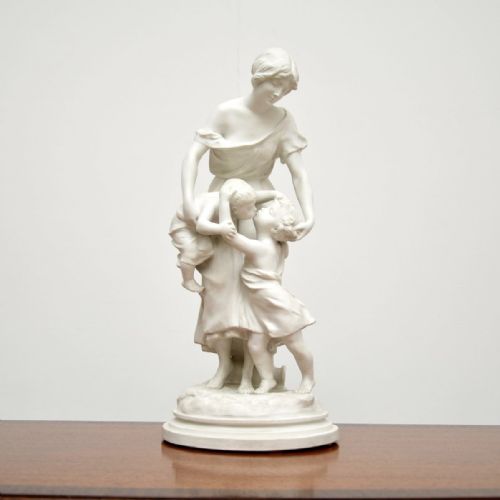

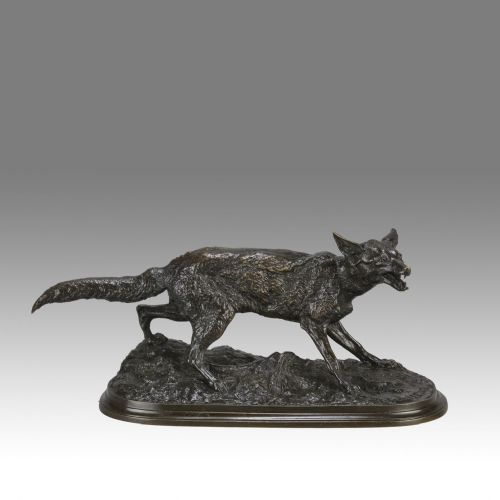
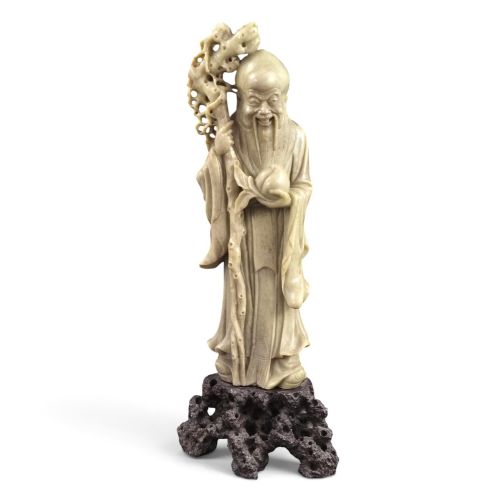
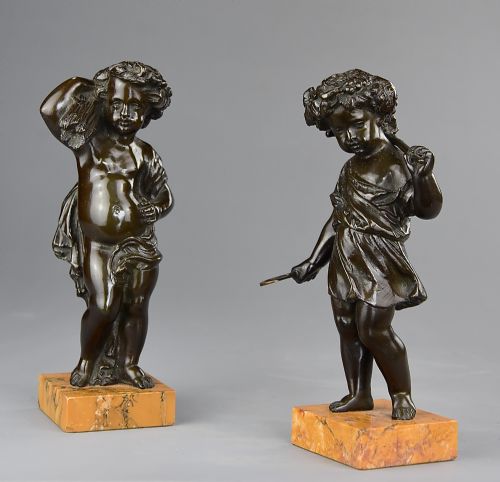
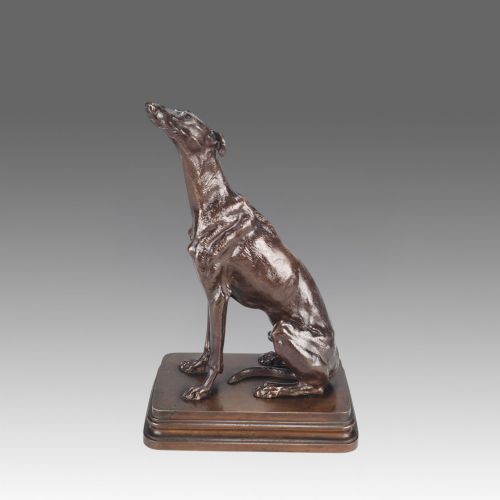
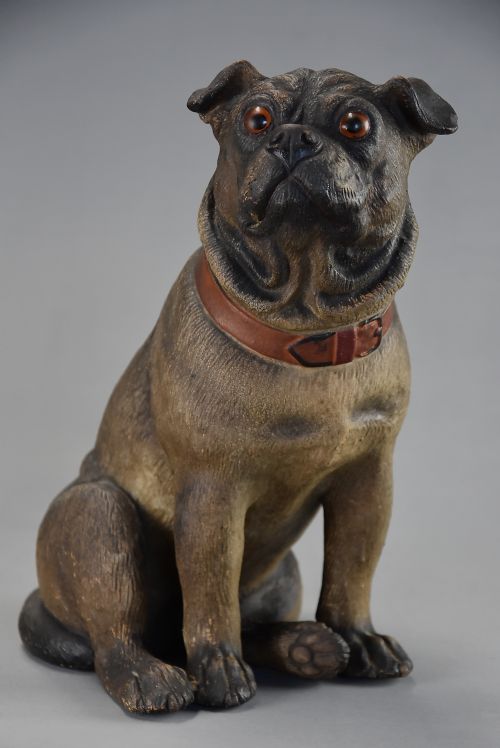

Late 19th Century Figurines
Late 19th century figurines bring together classical mythology, animal studies and portraiture captured in bronze, porcelain, marble and carved wood.
Late 19th Century Figurines
Late 19th century figurines encompass a wide array of small-scale sculptures, animal groups and human figures produced across Europe and Asia during the Victorian and Meiji eras. These pieces bridge traditional craftsmanship and decorative arts, reflecting the aesthetic interests of collectors from the 1870s through the early 1900s.
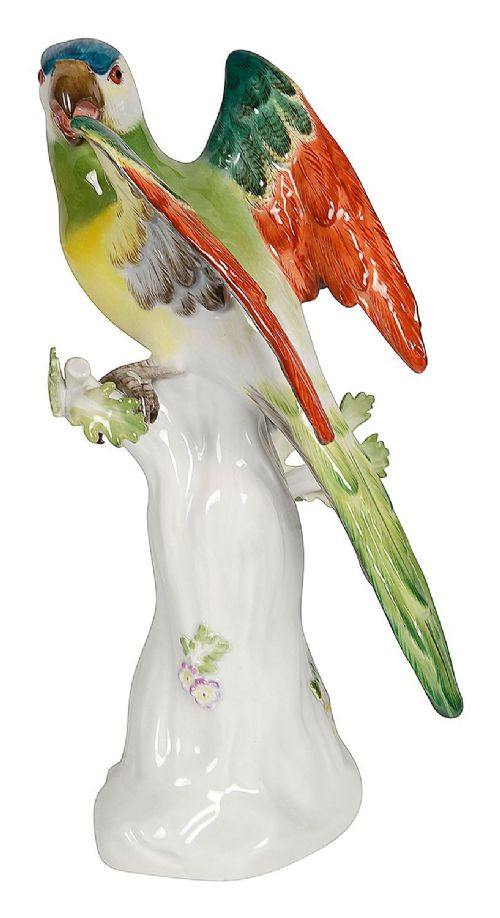
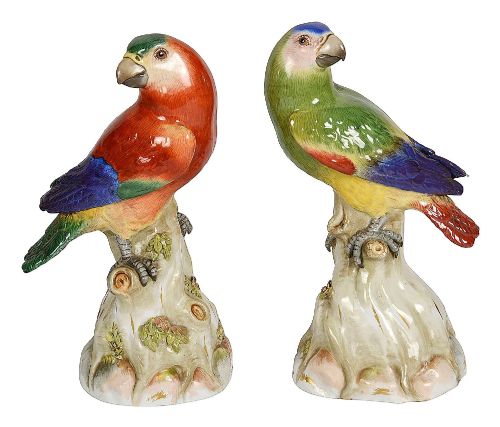
Buyers exploring late 19th century figurines frequently encounter animalier bronzes depicting wildlife and domestic animals, alongside porcelain figures from European factories like Meissen, Royal Worcester and Sitzendorf. Grand Tour souvenirs and classical mythological subjects also appear regularly within this group.
Materials and Construction
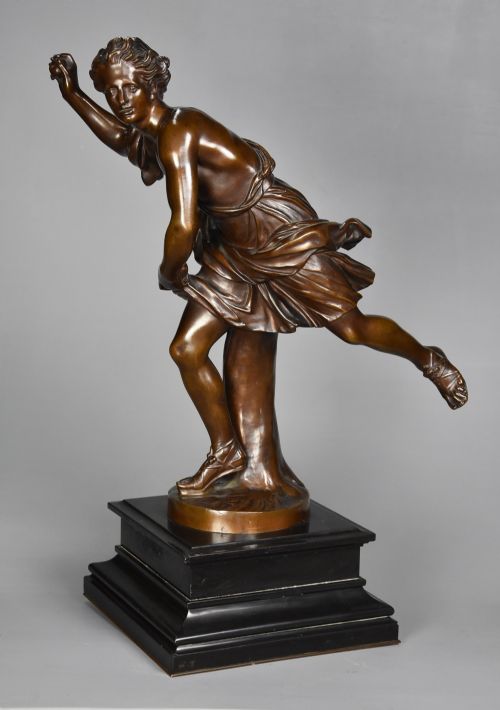
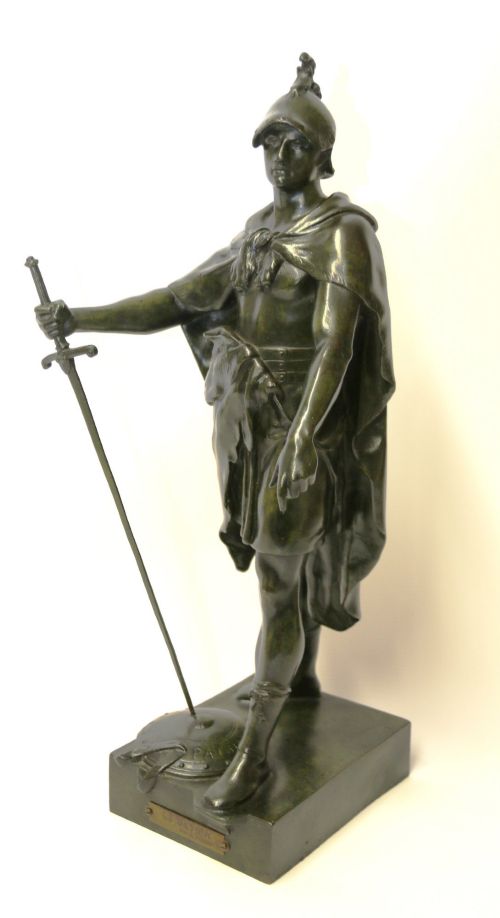
Foundry-cast bronze forms a substantial portion of these sculptures, often finished with dark, patinated surfaces or gilt details created through traditional lost-wax or sand-casting methods. Makers inscribed signatures, foundry cachets or titles directly into the metal base during post-casting channelling and finishing.
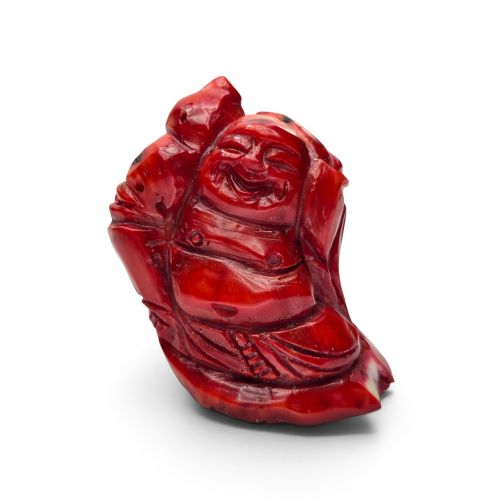
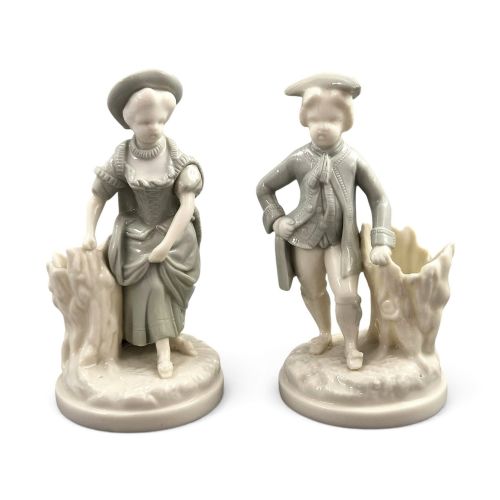
Ceramic figurines utilise porcelain, biscuit porcelain, terracotta and earthenware, shaped in moulds and hand-painted with underglaze blue, enamel colours or polychrome glazes before firing. Carved items employ natural materials such as soapstone, linden wood, stag antler and alabaster, shaped with chisels and fine engraving tools.
Listings feature works from diverse regions, spanning British Victorian parian ware, French bronzes, German porcelain, and Asian soapstone carvings.
Assessing Craftsmanship
The precision of the hand-painting on porcelain and the subtlety of the chemical patination applied to bronzes indicate the level of workshop expertise. Well-preserved surfaces retain their original colour saturation, polish, and factory stamps or artist signatures without obscuring wear.
P J Mêne·Barbedienne·Émile Louis Picault·Alfred Dubucand·Jules Moigniez·Giuseppe Renda
The Late 19th Century Figurines Glossary
- Animalier
- A term for art that realistically portrays animals, particularly popular among French sculptors of the nineteenth century. These works capture creatures in natural movement or repose.
- Grand Tour
- A traditional trip through Europe undertaken by upper-class travellers who collected small bronzes, marble carvings and souvenirs. These miniature replicas often reproduced classical antiquities.
- Parian Ware
- A fine-grained type of biscuit porcelain resembling white marble, developed in Victorian Britain. It was frequently used for classical portrait busts and sculptural figures.
- Putto
- A representation of a plump, winged human infant, frequently found in Renaissance and nineteenth-century decorative arts. They often appear alongside allegorical or mythological figures.
- Patination
- The chemical or natural coloration applied to the surface of bronze or metal sculptures. Dark green, brown, and black patinas protect the metal and accentuate sculptural contours.
Late 19th Century Figurines: Frequently Asked Questions
What materials are common in late 19th century figurines?
Bronze, porcelain, terracotta, marble and carved wood dominate the production of this period. Makers also utilised serpentine, alabaster, soapstone and stag antler for specialised regional carvings.
Foundries and ceramic factories often combined these materials with enamel, gold leaf or coloured glazes to achieve decorative richness.
How do I identify a Grand Tour bronze?
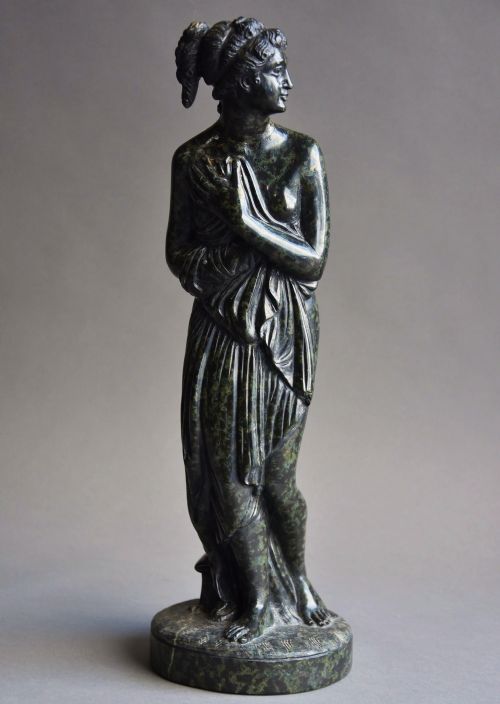
Grand Tour bronzes typically replicate famous classical sculptures seen by travellers in Italian and Greek museums during the nineteenth century. They frequently feature deep patination and were acquired as high-end souvenirs.
Many bear foundry stamps or workshop marks on the underside or integral base, indicating their origin in European cities like Naples or Florence.
What is an animalier bronze?
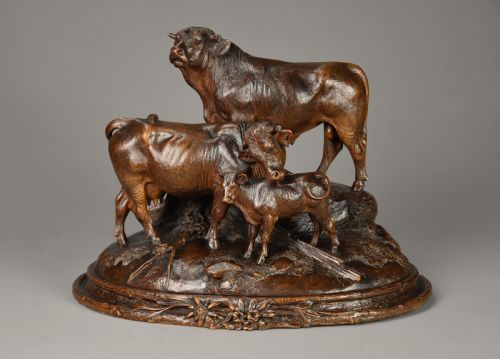
Animalier bronzes focus exclusively on realistic depictions of animals, ranging from hunting dogs and big cats to farm livestock and birds. The genre gained immense popularity in France during the mid to late nineteenth century.
Artists observed animal anatomy closely in menageries and nature, signing their finished editions directly onto the bronze plinth.
How should I display porcelain figurines safely?
Porcelain pieces require stable placement away from direct sunlight to prevent fading of hand-painted enamel colours. A secure, enclosed cabinet protects delicate protruding elements like fingers, lace or wings from accidental knocks.
Gentle dusting with a soft, dry brush maintains the glazed or biscuit surface without introducing moisture.