
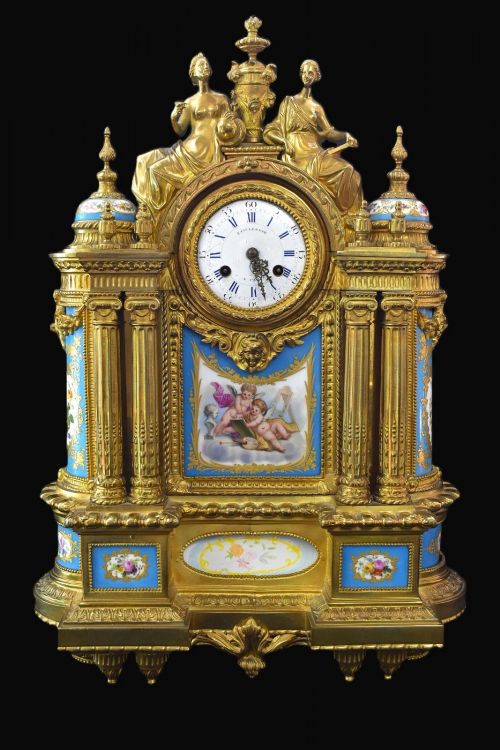


Decorative Porcelain Table Figures
These decorative porcelain table figures and associated tablewares combine fine ceramic modelling with gilt bronze and ormolu mounts to grace any room.
Decorative Porcelain Table Figures
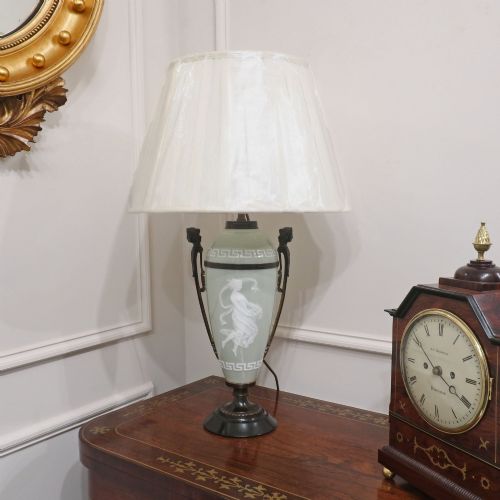
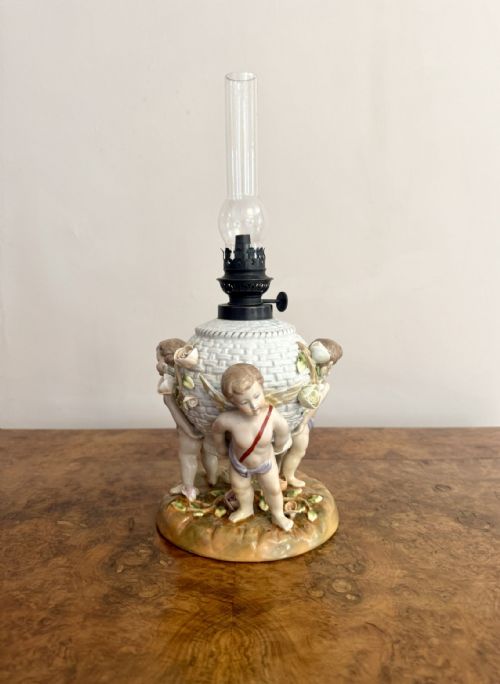
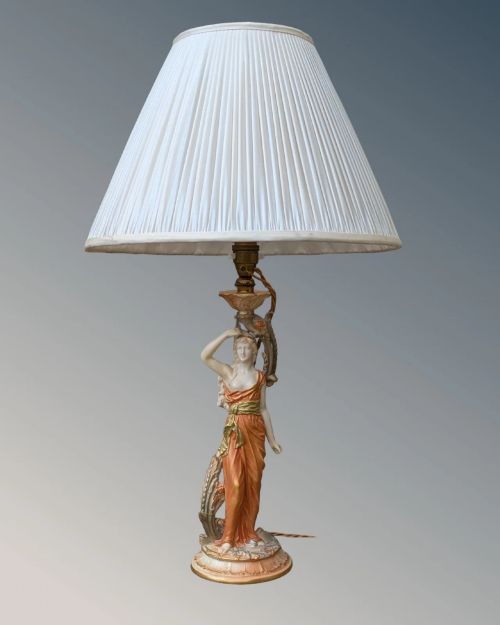
When you search for decorative porcelain table figures, you encounter a varied selection of ceramic works spanning the nineteenth and early twentieth centuries. These objects range from pure porcelain figurines and sculptural centrepieces to functional table lamps, oil lamps, and mantel clocks incorporating ceramic elements.
The pieces on this page represent diverse cultural origins and aesthetic movements, originating from British, French, German, and Japanese workshops. Makers utilised biscuit porcelain, glazed hardpaste, and pate sur pate techniques alongside metal mounts of brass, bronze, and ormolu to create striking interior ornaments.
How they were made
The creation of these pieces relies upon skilled ceramic casting and hand modelling, often utilising biscuit porcelain or glazed hardpaste bodies. Firing the clay requires precise temperature control to achieve smooth surfaces ready for fine painting or relief work.
Many objects combine porcelain with cast metal components such as gilt bronze, ormolu, brass, and even fabric elements. Workshops mounted ceramic figures and vase bodies onto elaborate metal bases, sometimes integrating functional clock movements or lamp fittings into the design.
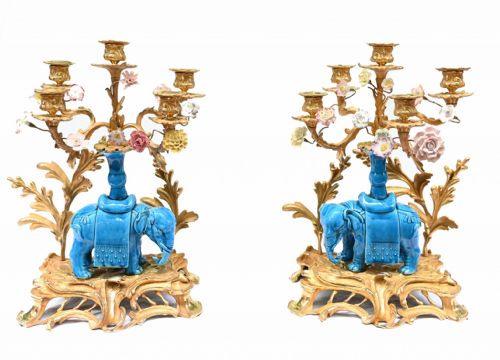
Several porcelain elephants populate the listings, proving that nineteenth-century artisans occasionally preferred exotic pachyderms over classical cherubs.
What varies in quality
The finesse of the modelling and painting distinguishes finer examples from simpler production pieces. Crisp details in the facial expressions, drapery, and relief decoration demonstrate the high skill of the modeller.
The integration of secondary materials defines the overall standard of the object. Heavy, well-cast ormolu mounts and authentic period hardware indicate superior manufacturing standards compared to lighter, plain metal fittings.
Etienne Lenoir·Sitzendorf·Royal Worcester·Royal Dux·Carl Thieme Dresden
The Decorative Porcelain Table Figures Glossary
- Biscuit porcelain
- Unglazed ceramic fired to a matte finish that resembles fine marble. This material highlights the subtle contours of sculptural figures.
- Ormolu
- Finely ground gold applied in a mercury amalgamation to bronze mounts. It provides a rich, durable golden finish on clock cases and lamp bases.
- Pate sur pate
- A method of painting in successive layers of liquid white porcelain slip onto a coloured clay body. This builds up a low relief design with translucent qualities.
- Hardpaste
- A true porcelain mixture of kaolin and petuntse fired at high temperatures. It produces a dense, vitreous body resistant to scratching.
Decorative Porcelain Table Figures: Frequently Asked Questions
What periods do these pieces date from?
The items span the nineteenth and early twentieth centuries, encompassing Victorian, Napoleon III, Art Nouveau, and Art Deco aesthetics.
Dates range from the late nineteenth century up to the nineteen-twenties, reflecting varied European and Japanese manufacturing traditions.
How were these decorative objects used?
Many served dual purposes as functional household items and ornamental centrepieces for tables and mantelpieces.
Items included lighting fixtures such as oil and table lamps, timepieces like mantel clocks, and sculptural figures designed purely for display.
What materials accompany the porcelain?
Presents frequently combine ceramic bodies with cast metal mounts including gilt bronze, ormolu, and brass.
Some pieces also incorporate fabric elements, enamel decoration, and glass components to complete their elaborate aesthetic.