


Late 19th Century Ceramics
Late 19th century ceramics bring together the rich decorative traditions of Europe and Asia at a moment of exceptional technical confidence.
Late 19th Century Ceramics
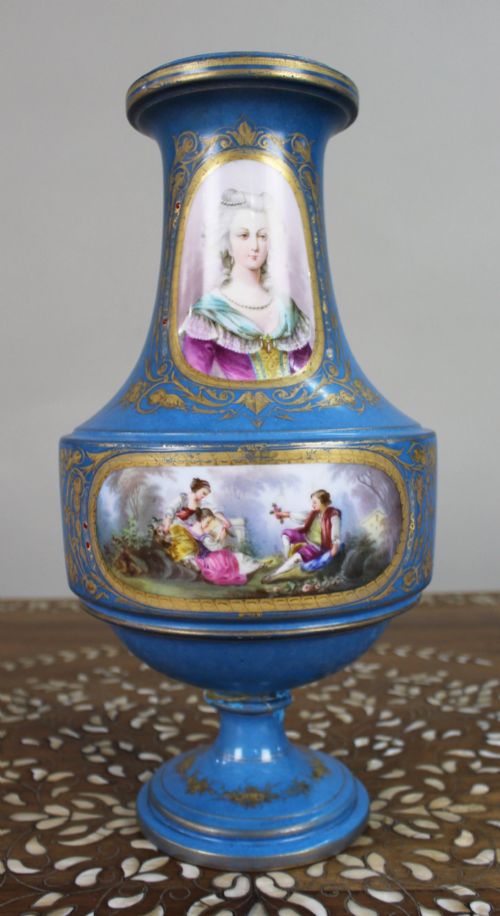
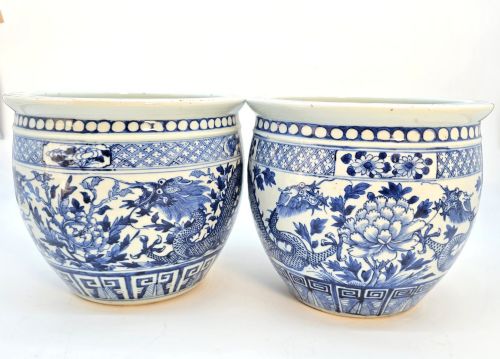
When searching for late 19th century ceramics, collectors encounter a diverse array of porcelain, earthenware, and stoneware objects originating from European factories and Asian kilns. The selection spans functional tableware like teacups, saucers, and bachelor teasets alongside purely decorative forms such as large chargers, jardinières, vases, and figural sculptures.
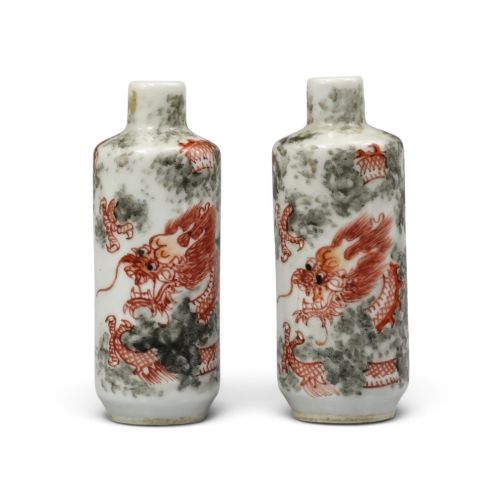
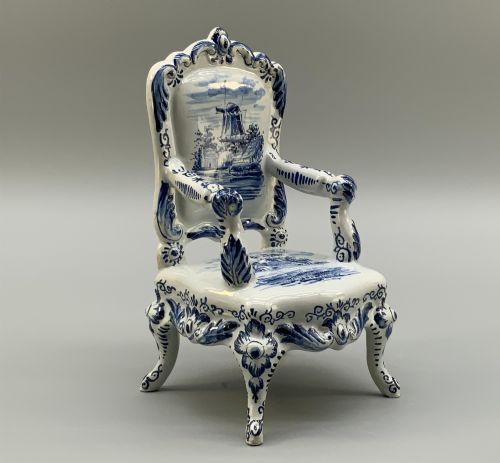
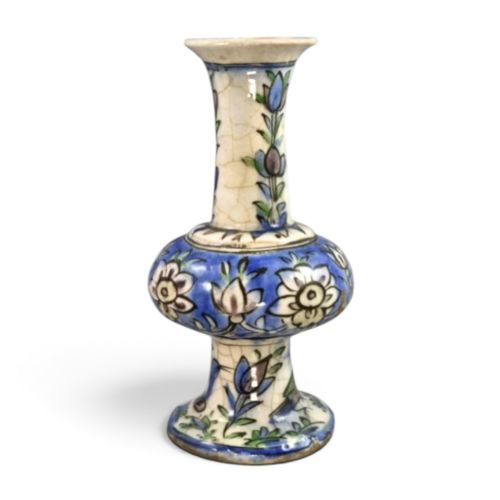
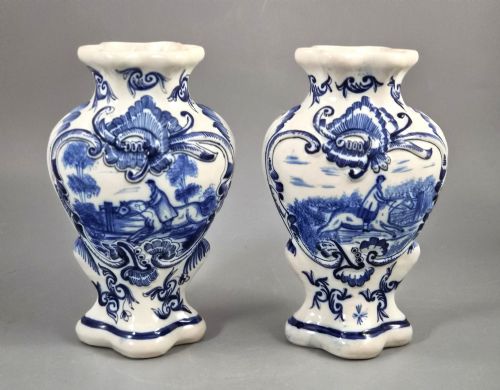
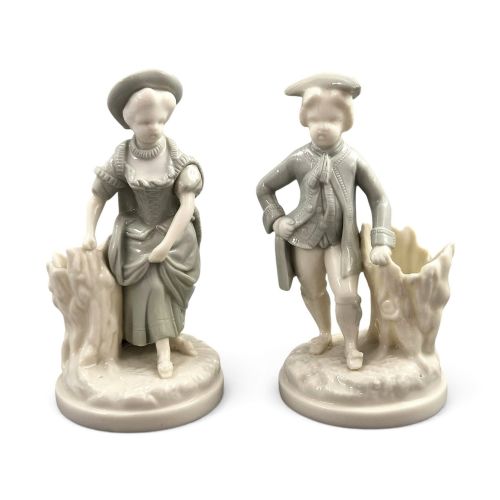
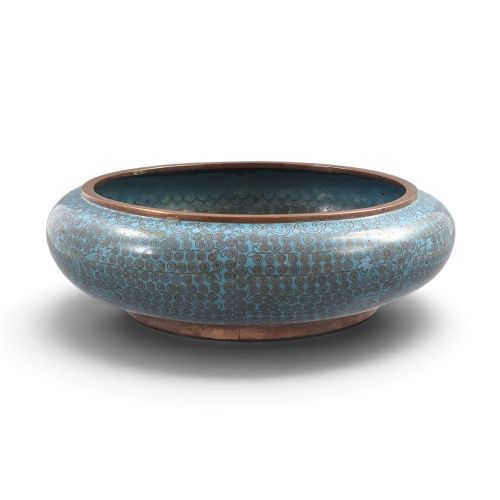
European production heavily references historic styles, incorporating Rococo revival motifs, Dutch Delftware blue and white patterns, and neo-classical studies executed in parian porcelain or faience. Asian pieces from this period frequently display traditional Imari palettes, blue and white designs, and intricate enamel work characteristic of the Meiji and Qing dynasties.
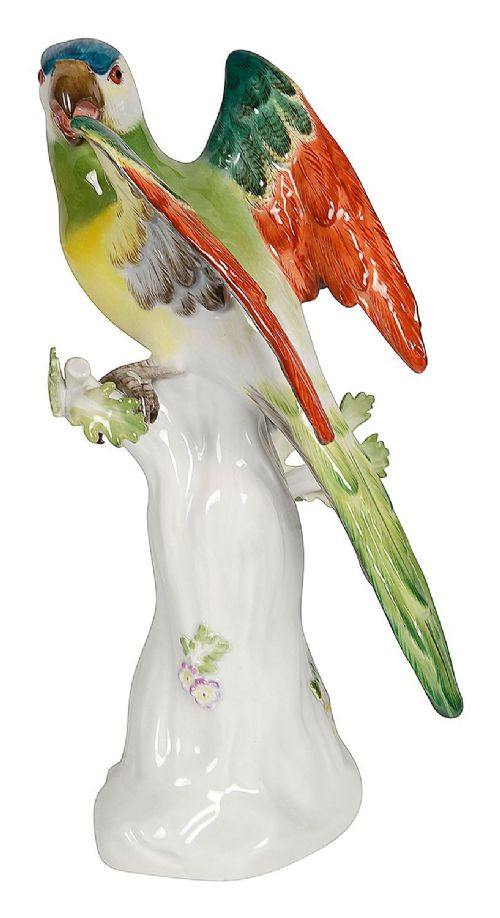
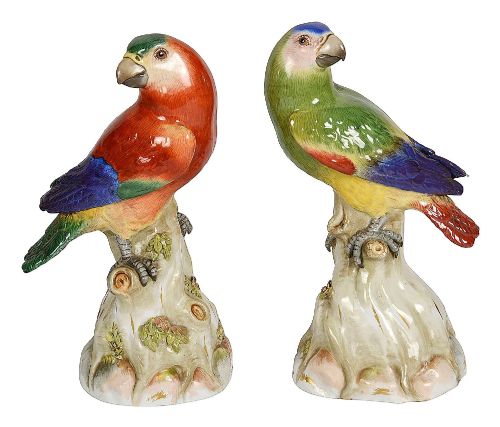
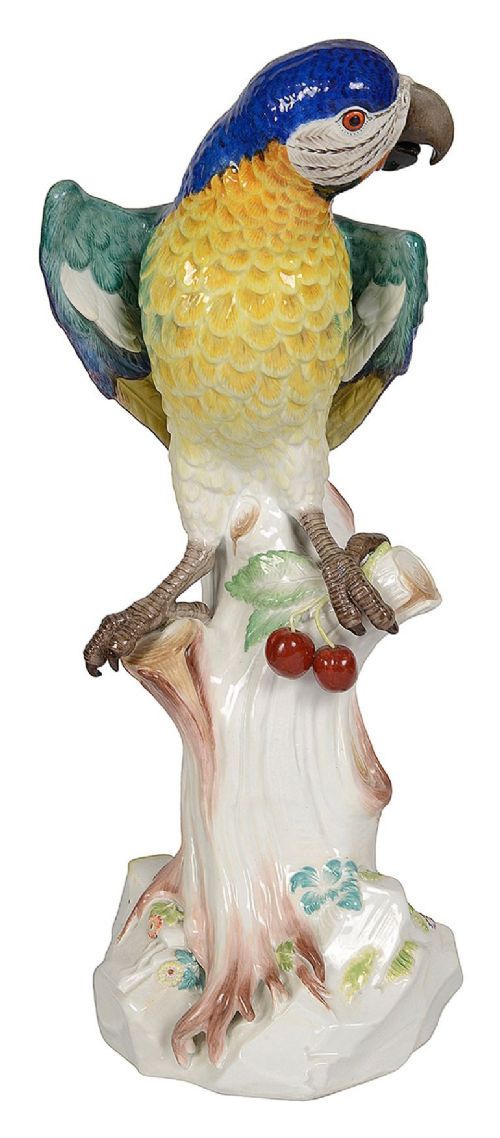
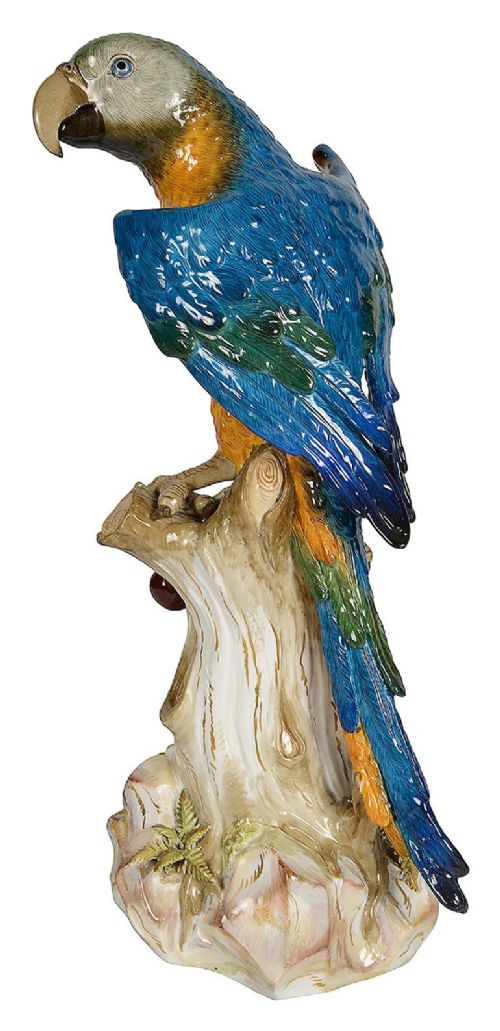
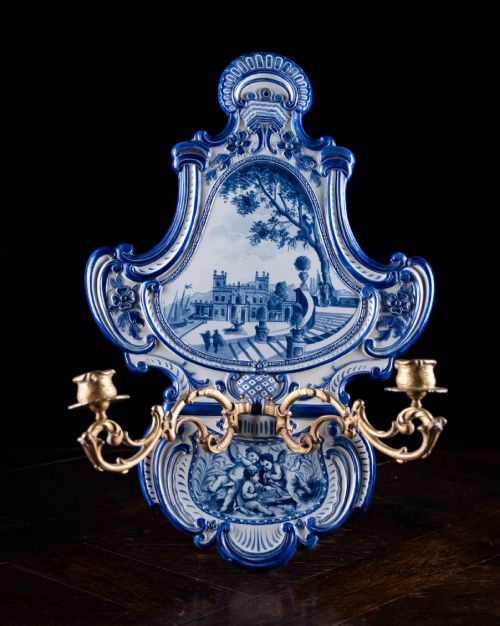
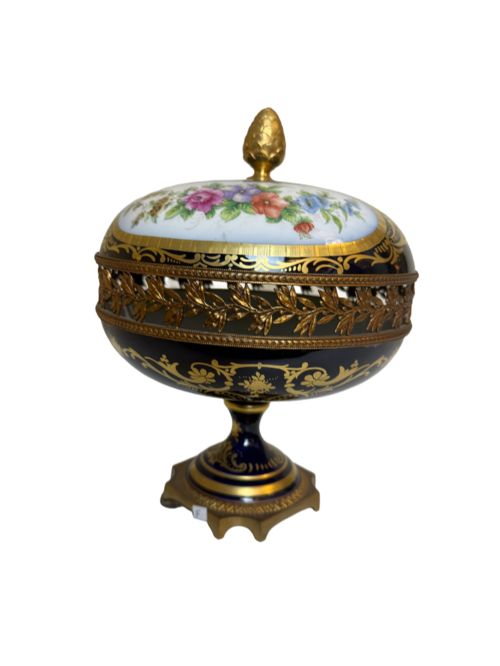
Domestic and decorative items range from inkwells and wall sconces to cabinet plates and table lamps, often mounted with brass or ormolu details. Figures and animals, including parakeets, pugs, and mythological subjects, demonstrate the era's fondness for naturalistic modelling combined with elaborate hand-painted decoration.
Distinctions in quality
Quality in these ceramics rests upon the crispness of the moulding, the precision of the hand-painted brushwork, and the clarity of the glaze firing. Superior examples exhibit tightly controlled pigment application without bleeding, alongside finely detailed relief work that retains sharp edges.
The sophistication of the underlying body and the fidelity to historical styles separate standard production wares from exceptional studio and factory pieces. Makers who maintained rigorous standards produced balanced forms with even glaze coverage and secure gilt or metallic mounts.
Materials recorded across current inventory include gold leaf, enamel, brass mounts, and specialised glazes.
Meissen·Royal Worcester·Wedgwood·Villeroy and Boch·Fourmaintraux Courquin·Samson of Paris·Volkstedt·Grainger Worcester
The Late 19th Century Ceramics Glossary
- Imari
- A style of Japanese export porcelain characterised by underglaze blue and overglaze iron-red, gold, and secondary colours. These wares were widely produced in the Arita region for both domestic and international markets.
- Parian porcelain
- A fine-grained, unglazed biscuit porcelain developed in Britain to imitate marble. It was frequently utilised for neo-classical figures and sculptural studies.
- Faience
- Tin-glazed earthenware produced across Europe, particularly in France and the Netherlands. The technique involves applying an opaque white glaze that serves as a ground for colourful painted decoration.
- Celadon
- A type of transparent green or grey-green glaze applied to stoneware or porcelain. The subtle coloration mimics jade and results from iron oxide reacting in a reduction kiln atmosphere.
- Reticulated
- Ceramic work featuring pierced or openwork patterns cut into the clay before firing. This technique requires exceptional skill to prevent the piece from warping in the kiln.
Late 19th Century Ceramics: Frequently Asked Questions
How do I identify Imari ceramics?
Imari pieces are readily distinguished by their characteristic palette of deep underglaze blue combined with rust-red and gilt highlights. They often feature dense floral and geometric panel designs originating from Japanese kilns.
Later European factories also imitated this distinctive aesthetic, adapting the motifs onto various plate and bowl forms during the final decades of the nineteenth century.
What is Dutch Delftware?
Dutch Delftware consists of tin-glazed earthenware typically decorated with blue pigments on a white background. The imagery frequently draws inspiration from imported Chinese porcelain as well as domestic Dutch landscapes.
Items range from functional desktop inkwells and miniature chairs to large decorative wall pieces and animal figures.
How should I display porcelain figures?
Porcelain figures and animal studies require stable, vibration-free surfaces away from direct sunlight to protect delicate hand-painted enamels and gilding. Placing them in enclosed cabinets safeguards the fine protrusions and painted details from accidental damage.
Ensure adequate spacing around each piece so the modelling and glaze variations can be fully appreciated from multiple angles.
Are these ceramics suitable for daily use?
While many items like teacups, saucers, and plates were originally created for practical dining, older glazed surfaces and gilt highlights are vulnerable to modern dishwashing detergents and abrasive cleaning tools. Hand washing in lukewarm water with mild soap is generally recommended for pieces with delicate overglaze decoration.
Decorative bowls, jardinières, and figural objects are best reserved for display rather than active service.