
Gilt Porcelain Floral Urns
These gilt porcelain floral urns combine hand-painted botanical motifs with metallic gilding, offering striking display pieces for traditional and period interiors.
Gilt Porcelain Floral Urns
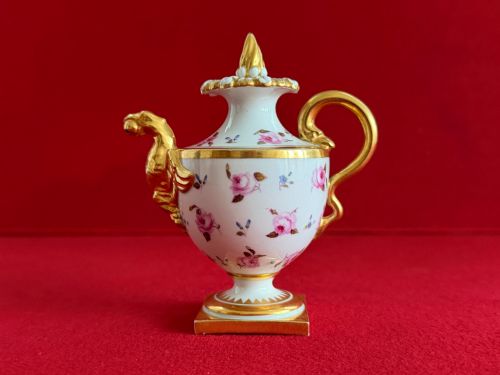
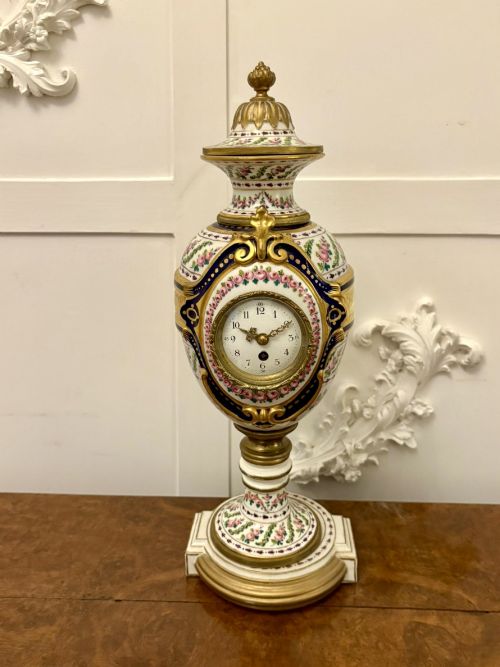
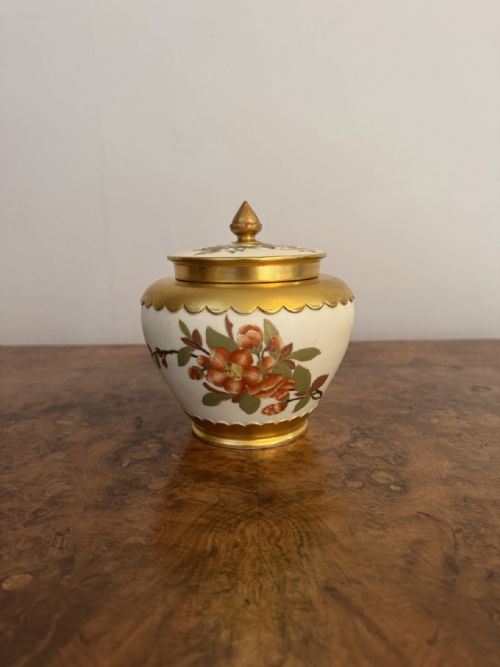
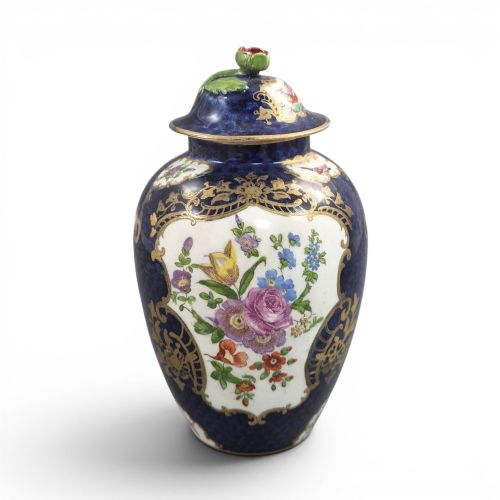
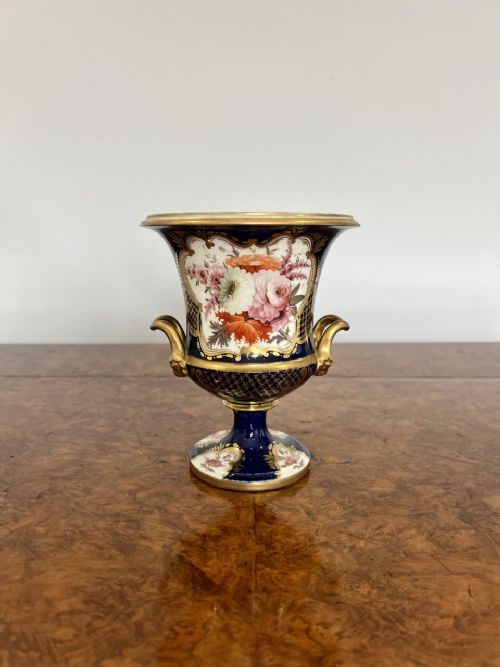
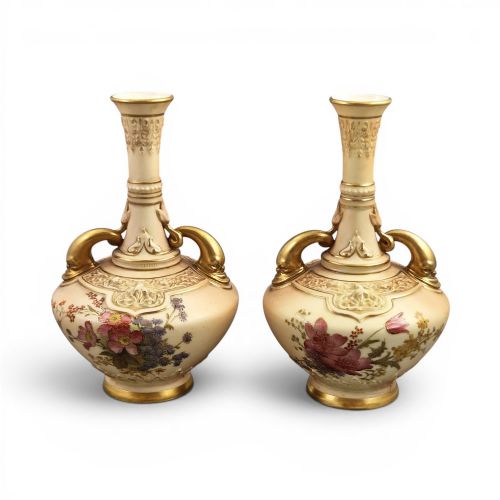
When you search for gilt porcelain floral urns, you encounter decorative vessels shaped by 19th-century tastes across English, French, and continental factories. These objects take the form of Campagna urns, lidded potpourri jars, and decorative centrepieces intended for formal display.
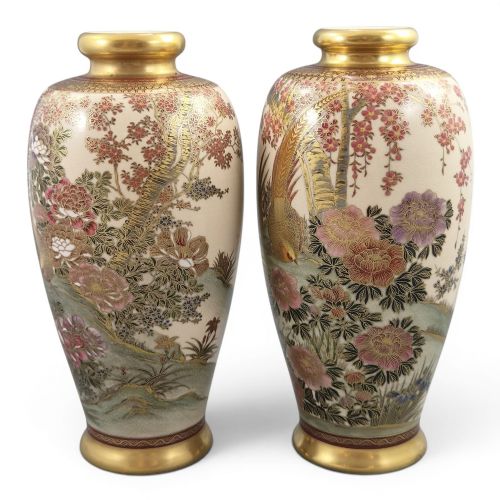
The pieces on this page span the Regency, Victorian, and Edwardian eras, alongside Japanese Satsuma and Meiji period ceramics. English manufacturers such as Worcester, Spode, and Royal Worcester appear frequently alongside French Old Paris and Limoges workshops.
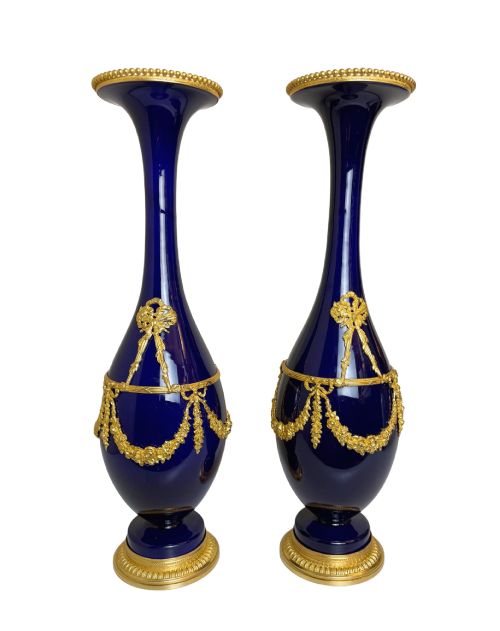
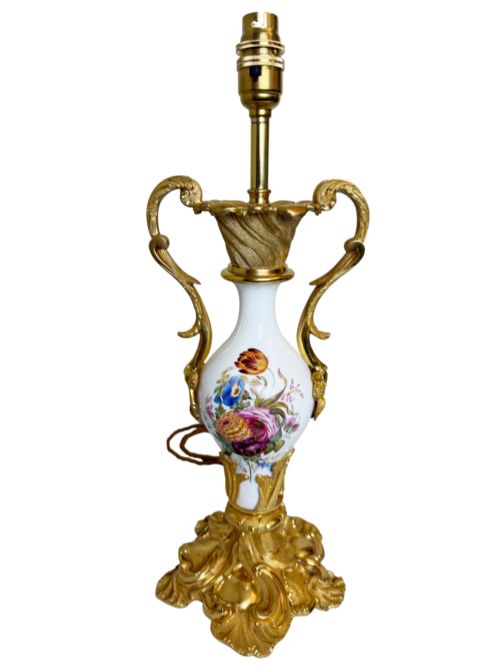
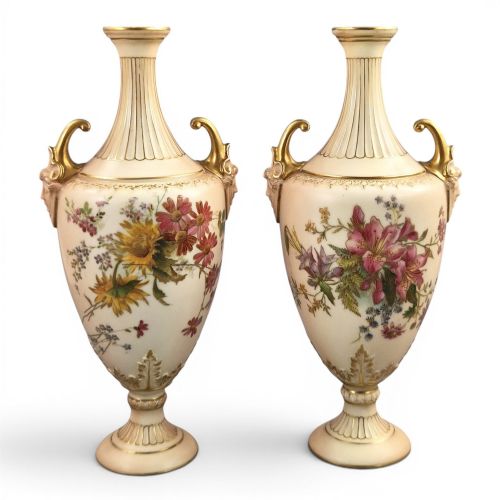
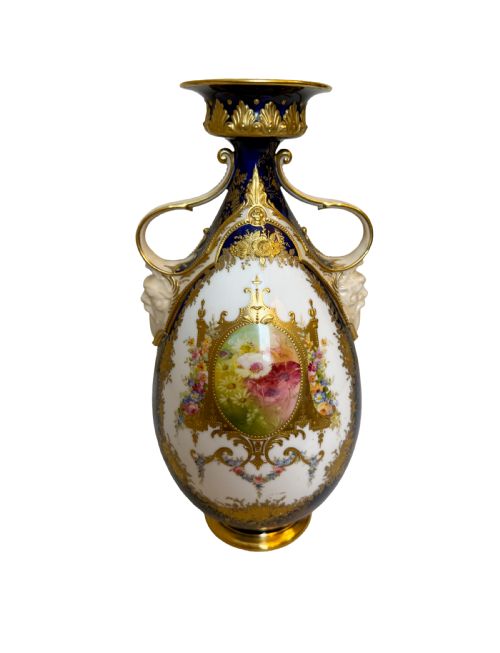
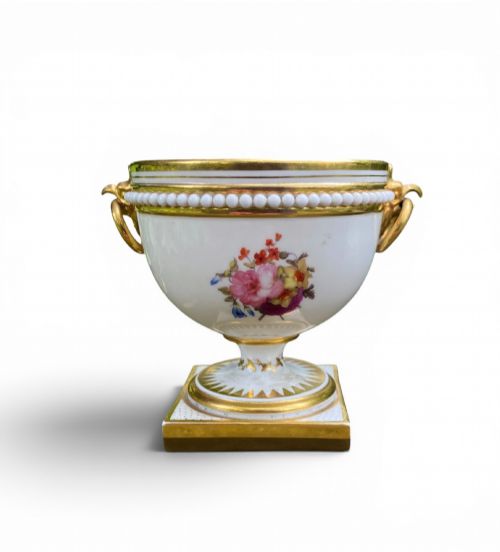
The decoration relies heavily on hand-painted floral subjects combined with gilt trim, enamel highlights, and sometimes ormolu or gilt bronze mounts. Buyers generally find everything from cabinet-sized porcelain vases to large mantel garniture sets.
Materials and Making
The foundation of these items is hard-paste or soft-paste porcelain, earthenware, or bone china, shaped by hand or moulded before kiln firing. Artisans applied hand-painted enamels, depicting floral sprays, birds, and botanical studies directly onto the ceramic surface.
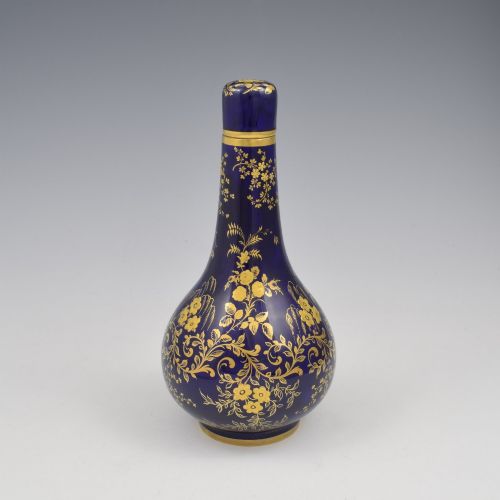
Gilding was then added using gold leaf, liquid gold, or chemical gilt methods, often highlighting handles, rims, and raised floral borders. Many pieces integrate cast ormolu and gilt bronze mounts to secure the ceramic bodies or provide decorative feet and handles.
Listings feature porcelain, earthenware, and bone china alongside gold leaf, ormolu, and enamel across the Victorian and Edwardian periods.
Judging Quality
Quality rests upon the precision of the hand-painted brushwork and the complexity of the ceramic form. Pieces featuring delicate, individual botanical studies or raised enamel work show greater artisanal investment than standard transfer-printed examples.
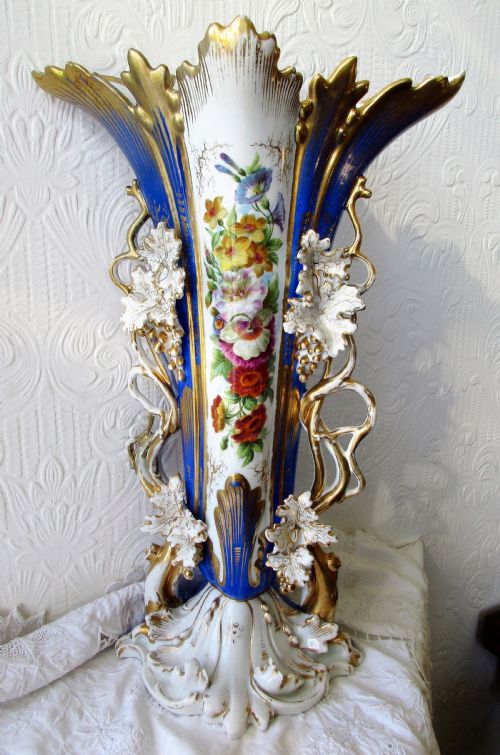
The application and preservation of the gold leaf or gilding also separate standard items from superior works. Intricate moulding, such as pierced handles, matched garniture sets, and original gilt bronze or ormolu mounts, elevate the standing of a piece.
Flight Barr And Barr·Royal Worcester·Spode·Samuel Alcock·Royal Doulton·Ernst Wahliss
The Gilt Porcelain Floral Urns Glossary
- Gilt
- Covered thinly with gold leaf or gold paint. This technique accentuates handles, rims, and decorative borders on ceramic surfaces.
- Ormolu
- Cast brass that has been finished with a gold-mercury amalgam or a modern gold-coloured plating. It provides decorative mounts and structural support for urns and vases.
- Campagna Urn
- A classical bell-shaped vessel with a footed base and flared rim, named after ancient Roman excavations. This classical silhouette became popular during the Regency and Victorian periods.
- Potpourri Pot
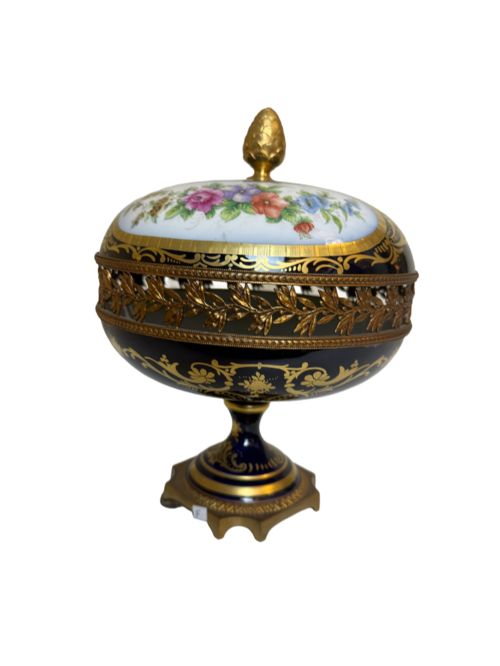
- A lidded vessel pierced with small holes to release the scent of dried flower petals and spices contained within. These decorative items often feature hand-painted floral decoration.
- Garniture
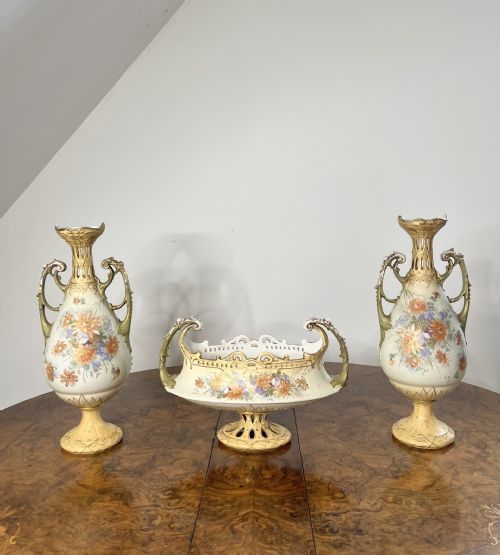
- A matching set of three or more ornamental vases or urns designed to sit together on a mantelpiece. These matched sets often include a central urn and accompanying side vases.
Gilt Porcelain Floral Urns: Frequently Asked Questions
How were these urns used?
These vessels served primarily as decorative garnitures on mantelpieces, sideboards, and console tables during the 19th century. Some variations, such as potpourri pots, held dried flowers and aromatic spices to scent formal reception rooms.
Larger examples functioned as centrepieces for dining tables or grand display items in Victorian drawing rooms. Their presence signalled wealth, taste, and an appreciation for fine European and Asian ceramics.
How do I clean gilt porcelain?
Maintain these ceramic pieces by dusting them gently with a soft, dry brush or a feather duster. Avoid using chemical cleaners, abrasive cloths, or water on areas with gold leaf or painted enamel.
Excessive moisture can lift fragile gilding or damage hand-painted floral details over time. Professional conservation is recommended for pieces with heavy grime or loose ormolu mounts.
How do I date a piece?
Dating relies on factory backstamps, impressed ceramic marks, and the specific stylistic traits of periods like the Regency or Edwardian eras. Hand-painted patterns often correspond to factory shape numbers and registered design dates.
Changes in porcelain bodies, from early bone china to later blush ivory grounds, also help narrow down the decade of production. Comparing the decorative motifs against known factory output clarifies the age.
What is a garniture set?
A garniture set consists of three or more matching decorative vessels designed to be displayed together as a unified arrangement. Typically, a larger central urn is flanked by two or four smaller matching vases.
These sets were arranged symmetrically across mantelpieces or large pieces of furniture in formal 19th-century interiors. Finding an intact set of four or more matching pieces is uncommon.