
Antique Table Top Urns
Antique table top urns bring elevated height to objects of display, uniting utilitarian heritage with decorative presence across diverse periods.
Antique Table Top Urns
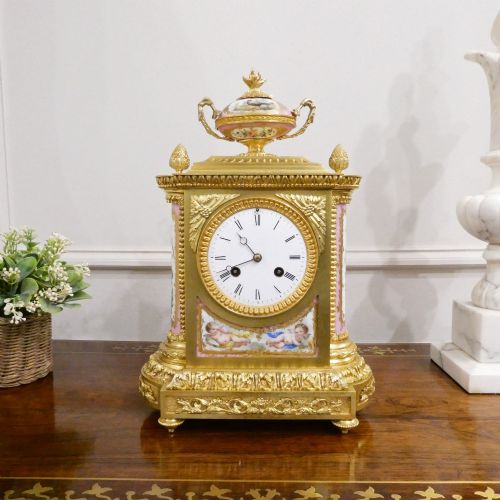
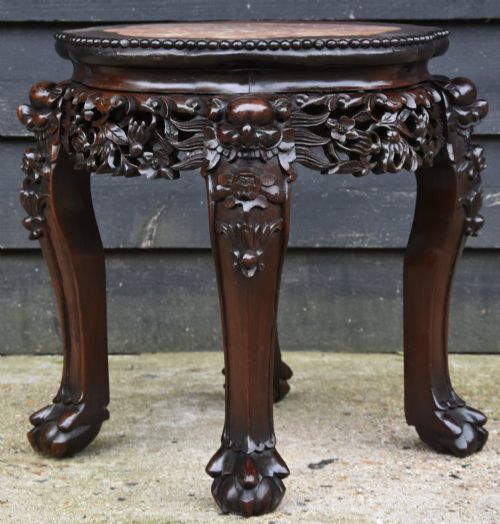
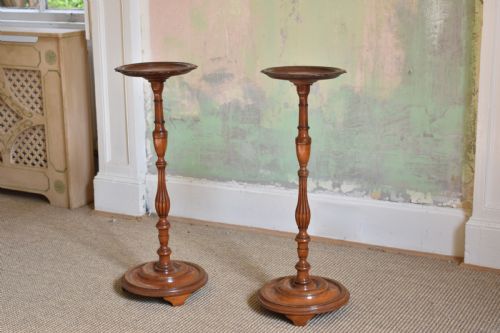
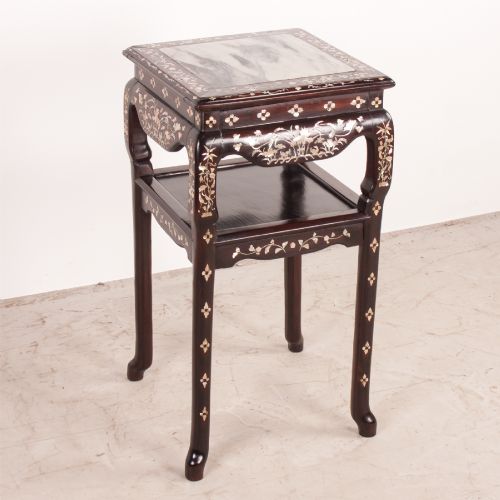
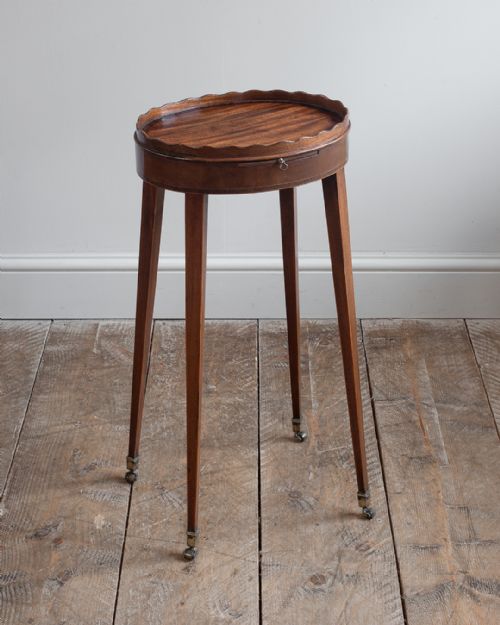
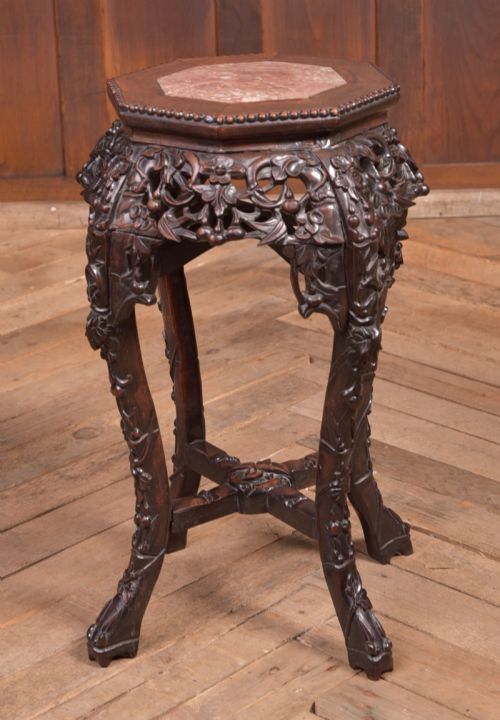
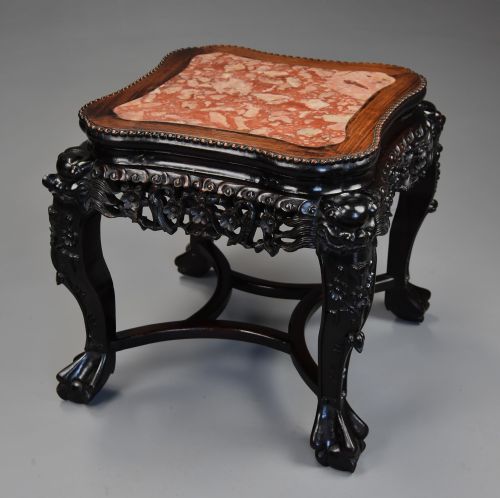
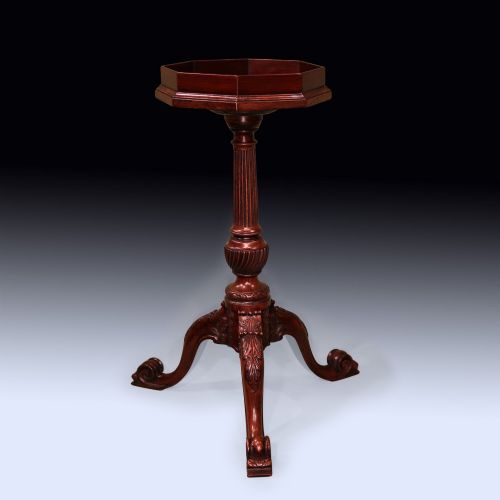
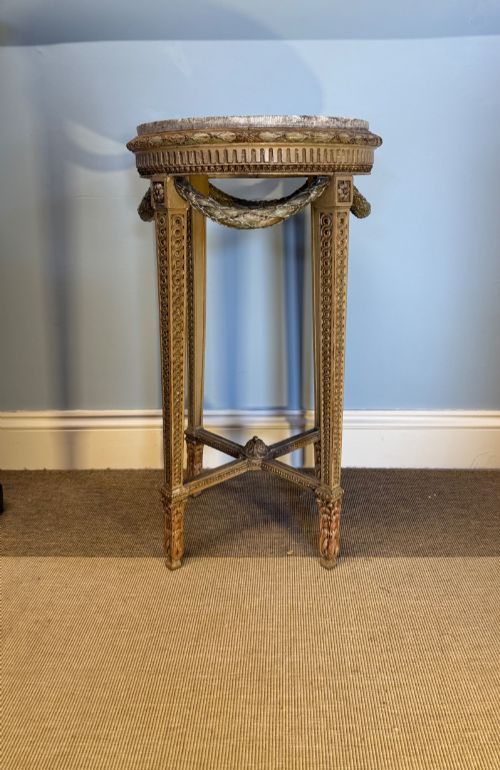
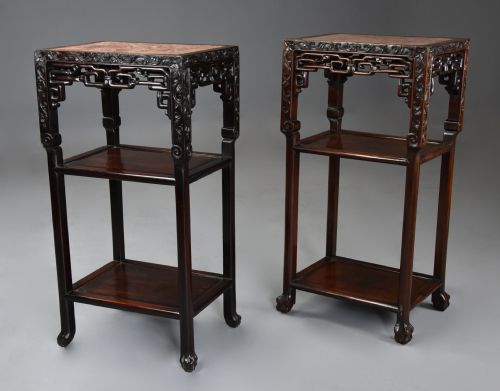
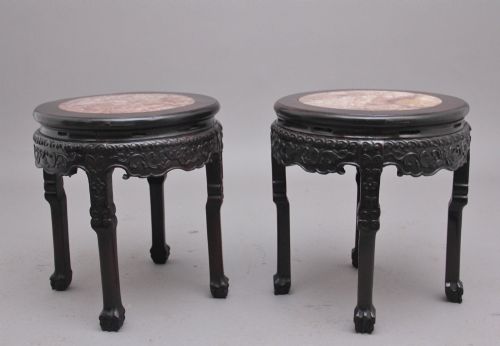
When you search for antique table top urns, you encounter a selection of compact furniture pieces and decorative supports originally designed to hold vessels, planters, or clocks. The listings show a strong presence of Chinese carved hardwood stands alongside English Georgian and Victorian examples.
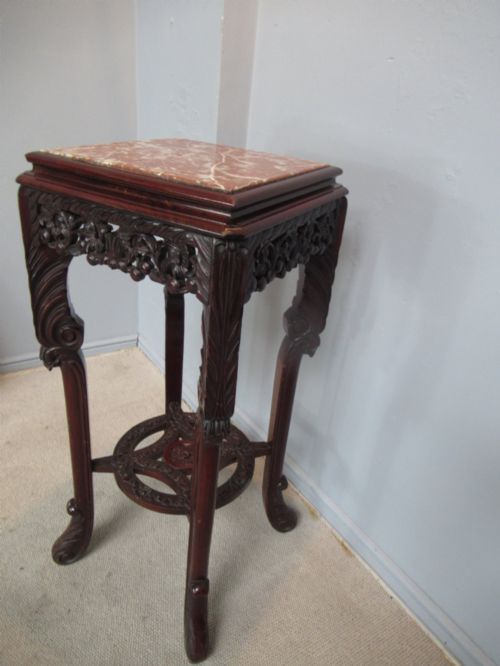
The physical forms span low jardiniere stands, kettle stands, and small occasional tables. Many of these incorporate inset marble tops designed to withstand moisture from plant pots or heat from vessels.
Origins stretch from 18th century workshops to late 19th century Chinese export production and Edwardian English cabinets. Buyers find that these pieces adapt easily to modern interiors as pedestals for lamps or small sculptures.
Judging the execution
The distinction between ordinary and superior pieces rests on the crispness of the carving and the selection of materials. High quality work shows deep, undercut carving in hardwood and tightly fitted stone inserts without filler.
Proportion and structural integrity define the better examples in this category. Pieces that retain their original polished finish and display balanced joinery command greater attention than those with compromised surfaces.
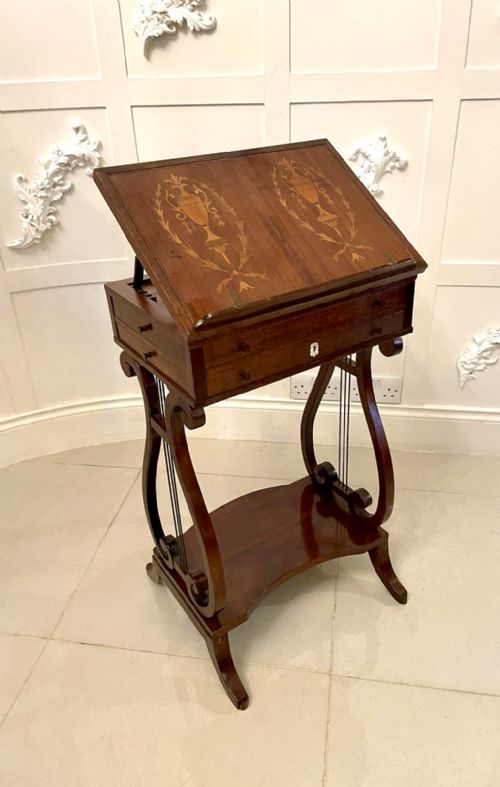
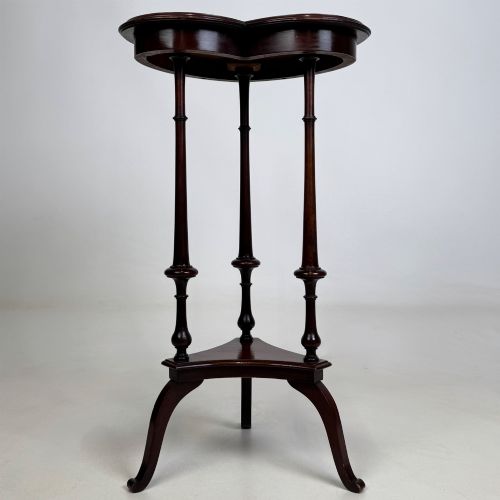
Listings feature 19th century Chinese hardwood stands alongside Georgian mahogany kettle stands and Edwardian inlaid tables.
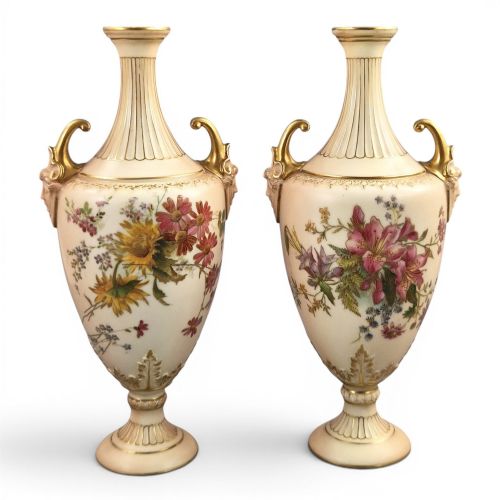
Jean-Baptiste Delettrez·Royal Worcester
The Antique Table Top Urns Glossary
- Jardiniere stand
- A decorative piece of furniture designed to support a plant pot or floral container. These often feature water-resistant stone tops.
- Hongmu
- A traditional Chinese term for dense hardwoods used in fine furniture making. It translates literally as red wood.
- Inlay
- A technique where pieces of contrasting material such as satinwood or mother-of-pearl are embedded into the wood surface. This creates decorative patterns flush with the timber.
- Padouk
- A heavy, durable tropical hardwood with a distinctive reddish hue. Makers utilised this timber for robust carved stands.
- Georgian revival
- A stylistic period drawing inspiration from 18th century design principles. Makers reproduced classic proportions during later decades.
Antique Table Top Urns: Frequently Asked Questions
What were antique table top urns used for?
These pieces served as elevated platforms for holding decorative urns, kettles, or potted plants in period interiors. They protected fine furniture surfaces from moisture and heat while adding vertical interest to a room.
Over time, their primary function shifted toward general display, holding table lamps, clocks, or small sculptures. Today, they continue to serve as versatile accent furniture.
How do I date a Chinese hardwood stand?
Dating relies on observing the depth of the carving, the type of timber, and the construction methods used in the frame. Late 19th century pieces often feature dense hongmu or padouk with intricate foliage motifs.
Examining the underside and the fit of the inset marble panel helps determine the period of manufacture. Comparing the joinery against documented examples from the Qing Dynasty provides further clarity.
Where should I place these stands at home?
These compact stands suit corners, tabletops, or narrow hallway surfaces where vertical display space is limited. Their modest footprint allows them to sit beside seating or beneath windows.
Pairing a marble-topped stand with plants or ceramics echoes their original historical placement. They function effectively as independent focal points or matched pairs.
How do I care for marble and hardwood?
Cleaning requires only a soft, dry cloth to remove dust from the carved wooden surfaces and the stone inserts. Avoid harsh chemical cleaners that can strip the traditional polish from the timber.
Waxing the wood periodically helps maintain the lustre of mahogany or rosewood. Protecting the marble from acidic spills preserves the smooth finish of the stone.