

Blue Ceramic Art Vases
These blue ceramic art vases bring together turn-of-the-century craftsmanship and striking glazes to anchor any room.
Blue Ceramic Art Vases
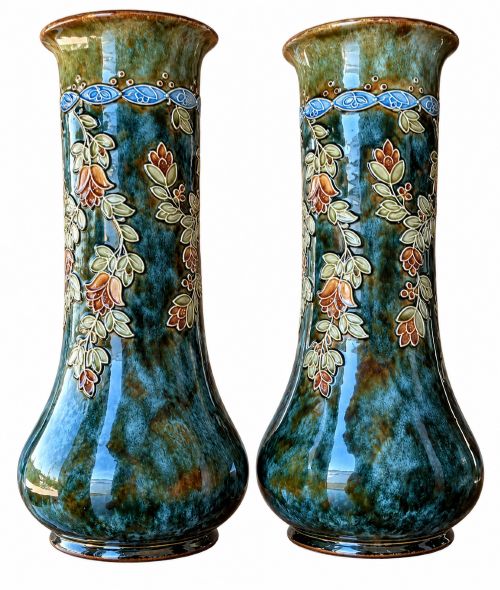
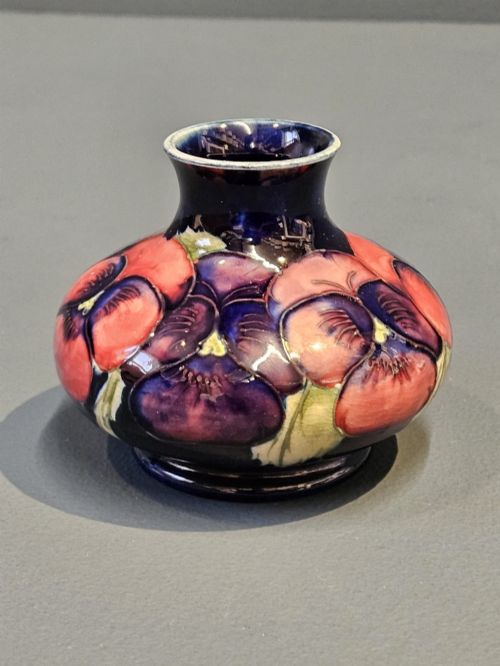
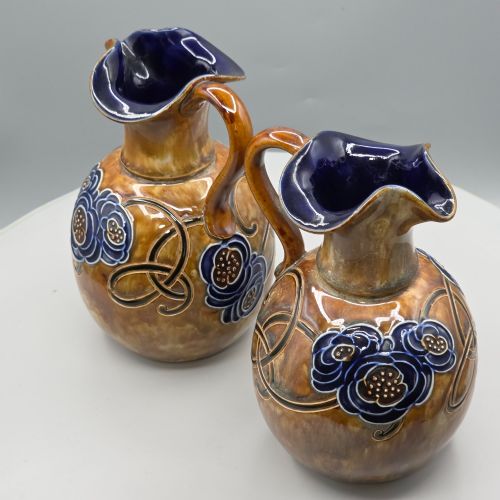
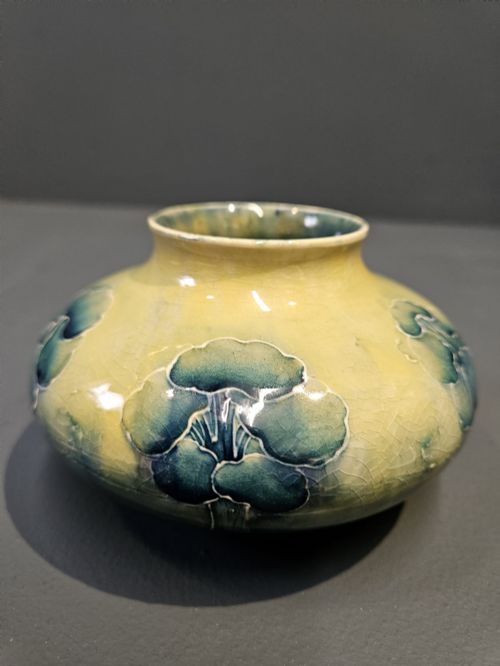
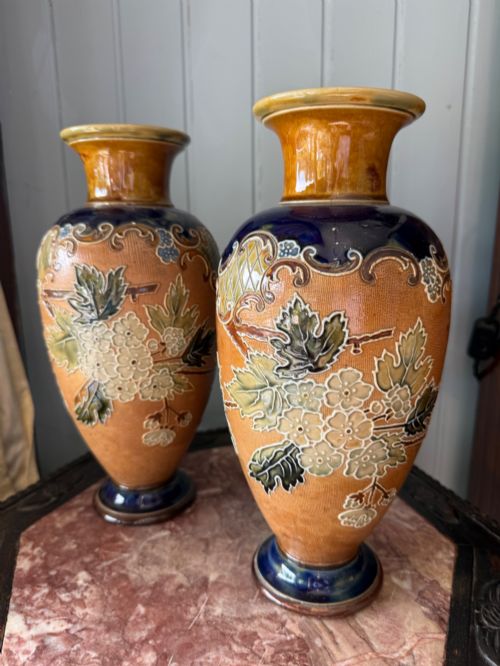
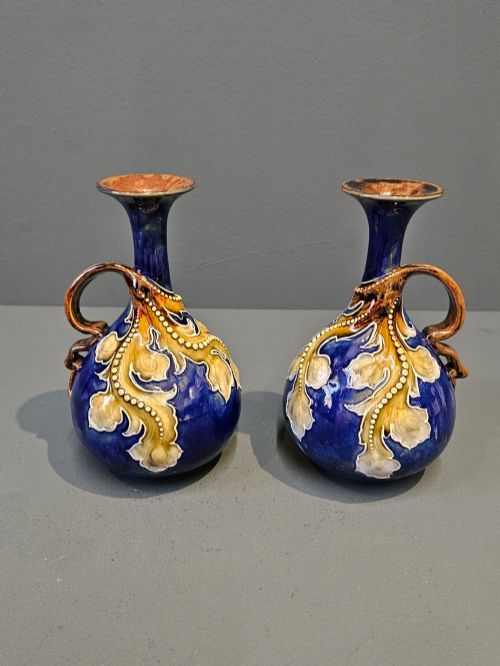
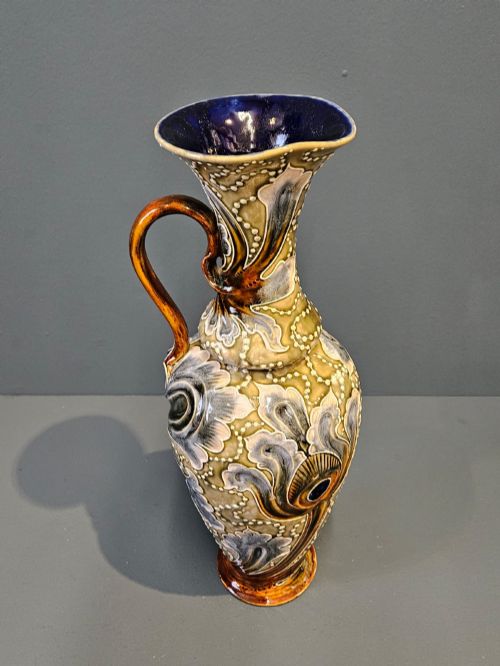
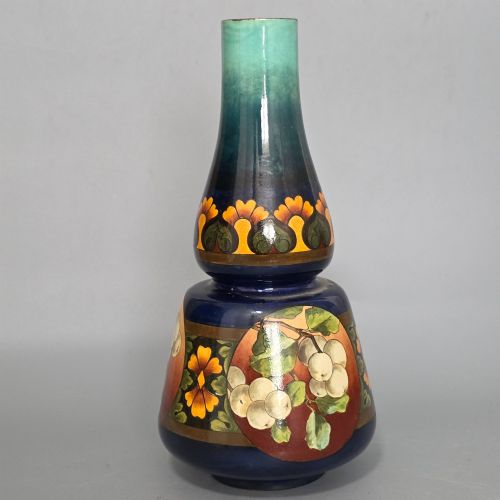
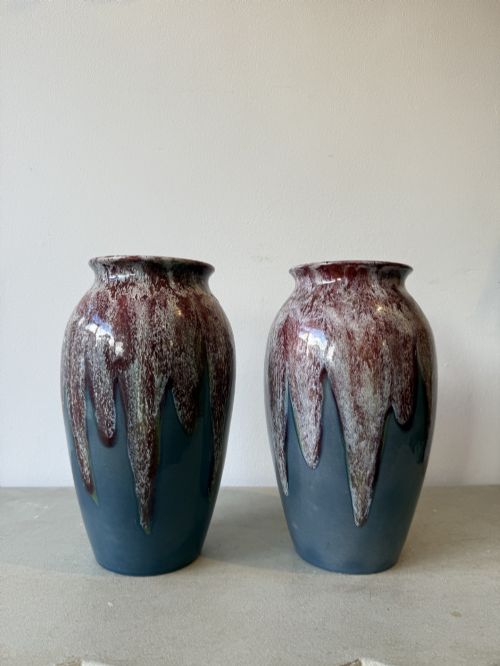
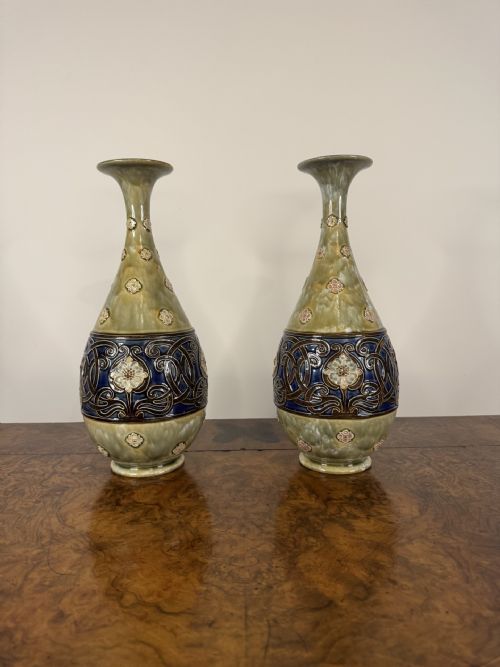
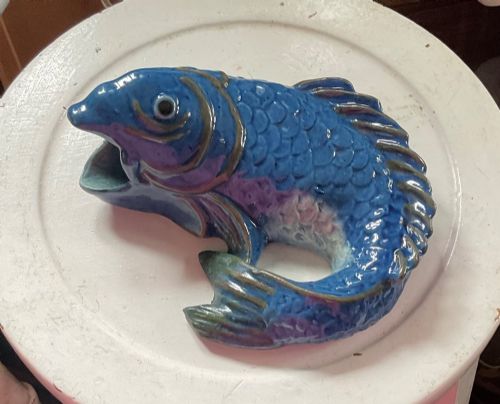
When you search for blue ceramic art vases, you encounter pieces shaped across the Victorian, Edwardian, and early twentieth-century periods. The selection includes baluster vases, jugs, wall pockets, and ewers created by prominent potteries and independent makers.
Stoneware and earthenware dominate the selection, often carrying rich glazes and distinct floral or geometric surface patterns. These items reflect the broader shifts in design from Victorian ornamentation towards Art Nouveau and Art Deco aesthetics.
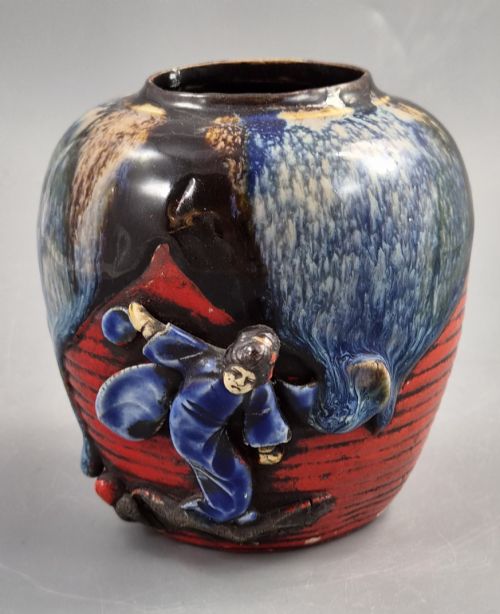
English potteries like Doulton Lambeth and Moorcroft appear frequently alongside Japanese Imari wares and continental porcelain pieces. Buyers meet a mix of factory-produced items and studio pottery that showcase diverse decorative techniques from the late nineteenth century onward.
How they were made
Potters shaped these vessels using earthenware, stoneware, and porcelain bodies, applying liquid slips and glazes to build surface depth. Techniques such as tube-lining, intarsio, and enamelling allowed makers to achieve raised outlines and detailed pictorial scenes.
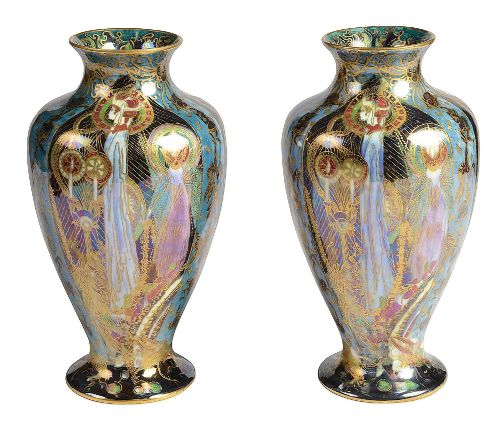
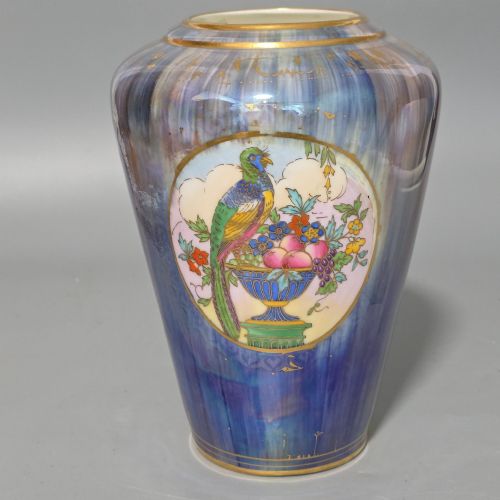
Glazing methods ranged from rich cobalt applications and lustre finishes to textured flambé and enamel accents. Kiln firing fixed these chemical compositions, creating the deep blues and surface sheens characteristic of the period.
The selection includes stoneware, earthenware, and porcelain spanning the Victorian era through the 1930s.
What varies in quality
The distinction between standard production items and superior pieces rests upon the precision of the hand-finishing and the depth of the glaze. Works signed by specific artists or produced for esteemed retailers demonstrate greater artistic ambition.
The crispness of moulded or tube-lined patterns and the complexity of the colour palette separate ordinary vessels from exceptional examples. Balance in the vessel form and clarity in the fired surface finish dictate the standing of an individual piece.
Royal Doulton·Moorcroft·Wedgwood·Minton·Brannam·Ernst Wahliss
The Blue Ceramic Art Vases Glossary
- Stoneware
- A robust ceramic body fired at high temperatures until vitrified and impervious to liquid. It provides a durable base for the detailed incised decoration seen on many period pieces.
- Baluster
- A vase form with a rounded lower body that tapers into a narrower neck. This classic shape frequently supports intricate floral and abstract surface designs.
- Intarsio
- A decorative ceramic technique developed by Doulton that simulates inlaid mosaic or tile work. It creates multicoloured surface patterns reminiscent of medieval designs.
- Lustre
- A type of pottery glaze containing metallic salts that produce an iridescent sheen upon firing. This finish reflects light and shifts in tone depending on the viewing angle.
- Earthenware
- A porous ceramic body fired at lower temperatures, typically glazed to ensure it holds water. It serves as the canvas for many brightly coloured painted and tube-lined designs.
Blue Ceramic Art Vases: Frequently Asked Questions
How do I identify a Doulton Lambeth piece?
Doulton Lambeth items typically feature firm stoneware bodies marked with distinct factory stamps and incised artist initials. The surfaces often combine rich cobalt glazes with raised floral or geometric beadwork.
Examining the base reveals impressed monogram numbers and workshop ciphers that allow collectors to date the manufacturing period accurately.
What is tube-lining on art pottery?
Tube-lining involves squeezing a fine line of liquid clay from a bulb onto the ceramic body to outline a design. Artisans then fill the resulting cells with coloured glazes before firing.
This technique creates a raised, tactile barrier between different pigments and adds physical depth to floral and abstract motifs.
How should I clean antique ceramic vases?
Dust these vessels gently with a soft, dry brush to prevent accumulating grime in textured glaze crevices. Avoid harsh chemical cleaners or soaking, as older glazes and enamel additions can be delicate.
If washing is necessary, use lukewarm water and mild soap, drying the piece immediately with a lint-free cloth.