
Late 17th Century Chest
A late 17th century chest brings centuries of tactile grain and sturdy joinery into a room, offering both practical storage and undeniable historical presence.
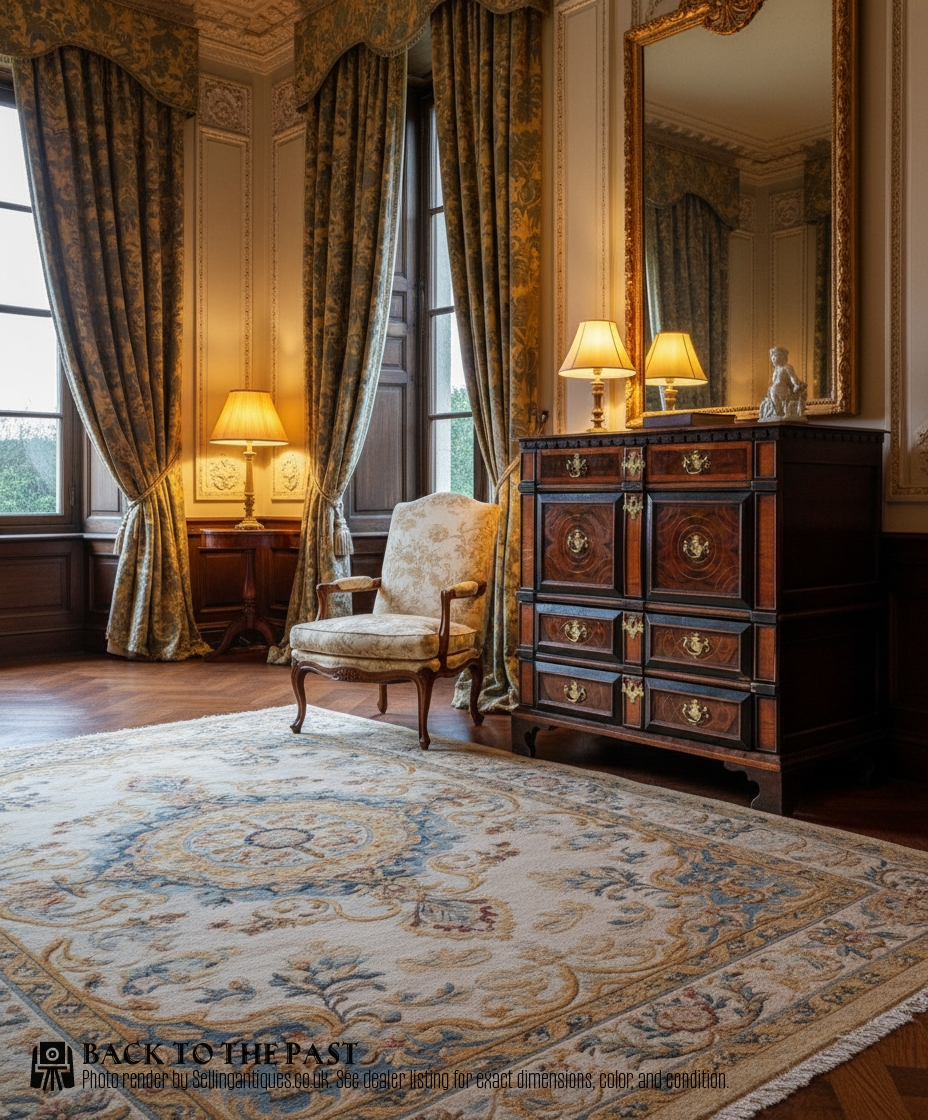
Late 17th Century Chest
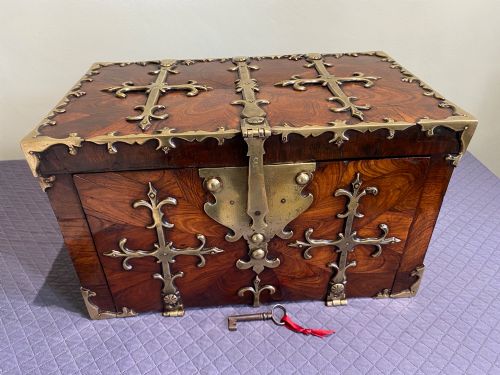
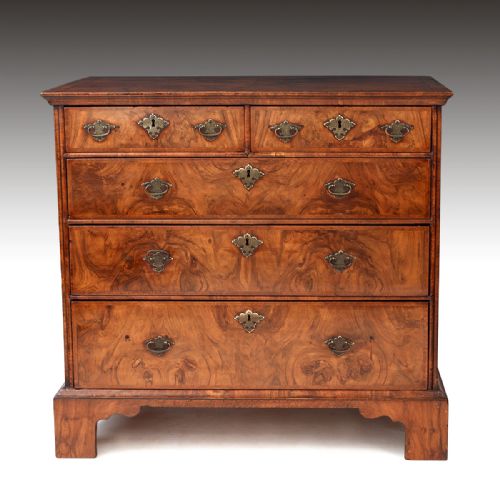
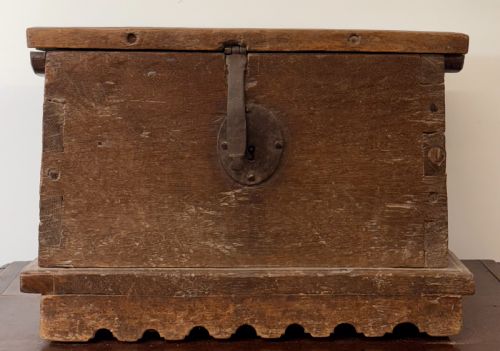
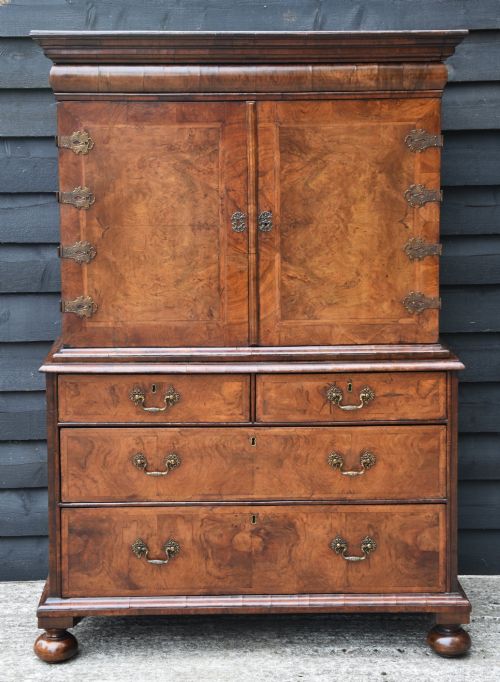
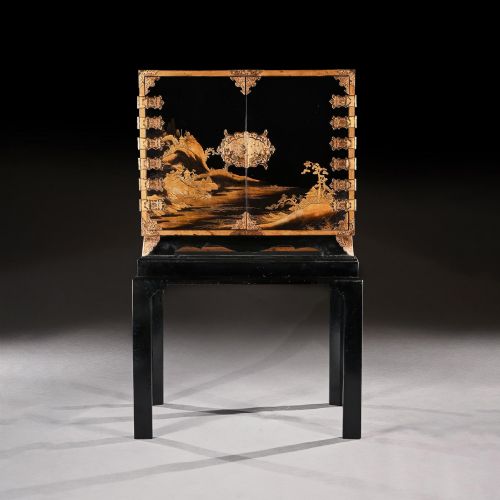
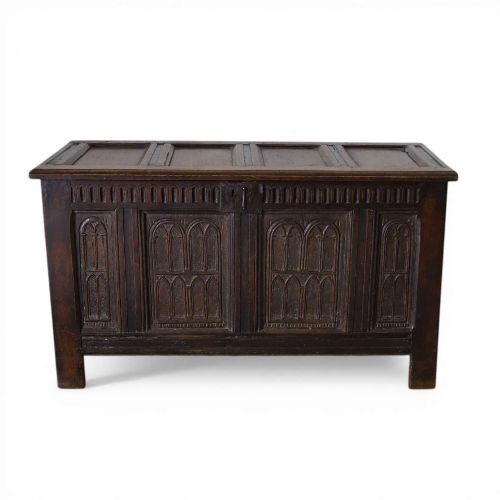
A late 17th century chest encompasses a diverse array of domestic furniture designed for storage, ranging from sturdy plank coffers and mule chests to sophisticated multi-drawer case pieces. Buyers exploring this category encounter sturdy oak utility items alongside highly ornamental walnut creations intended for fashionable reception rooms.
The material palette reflects the transition from solid native timbers to exotic imported veneers during the late 17th century. Oak dominates the simpler coffer and Bible box forms, while walnut, yew, and fruitwood appear frequently on the more refined chests of drawers and cabinets on stands.
Regional variations span English vernacular carpentry, Flemish Baroque complexity, and occasional continental or Japanese influences. This breadth ensures that whether one seeks a plain joined oak blanket box or an intricate marquetry piece, the era provides distinct domestic solutions.
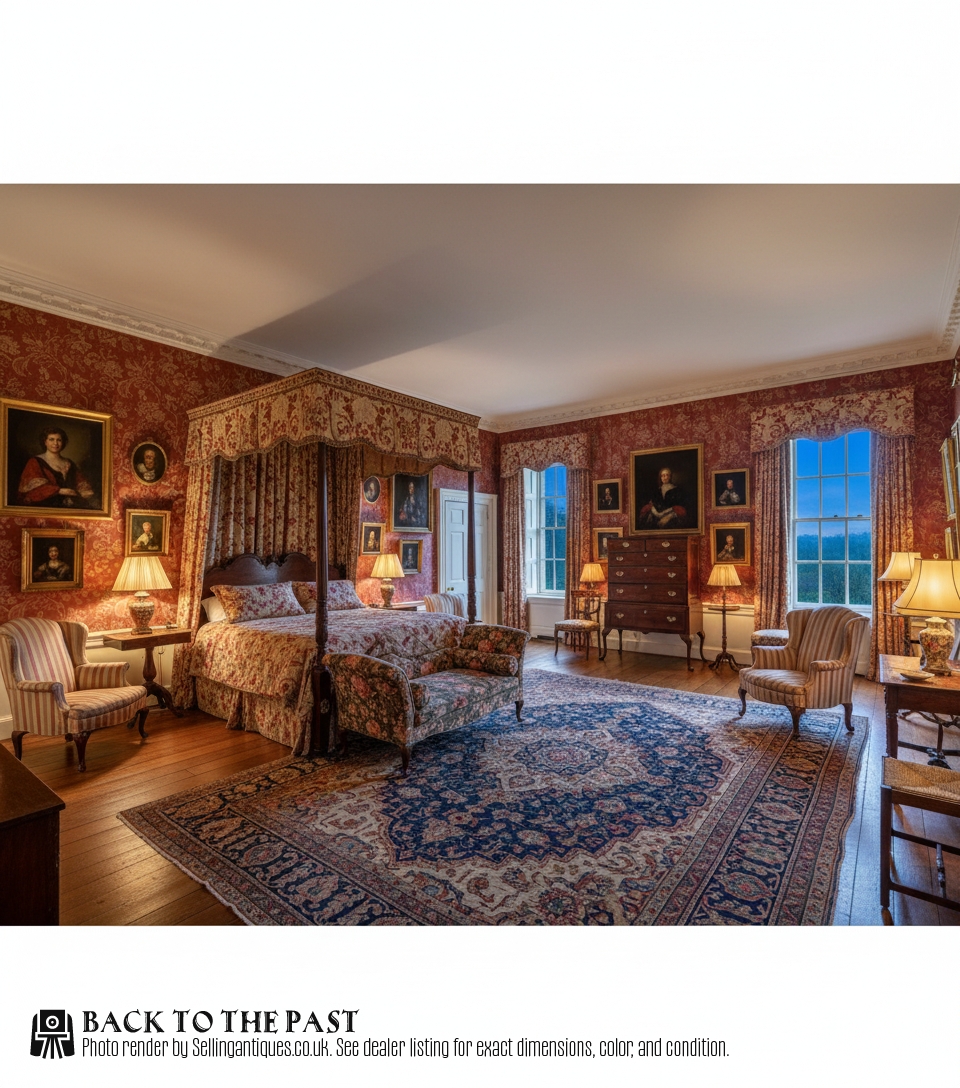
How They Were Made
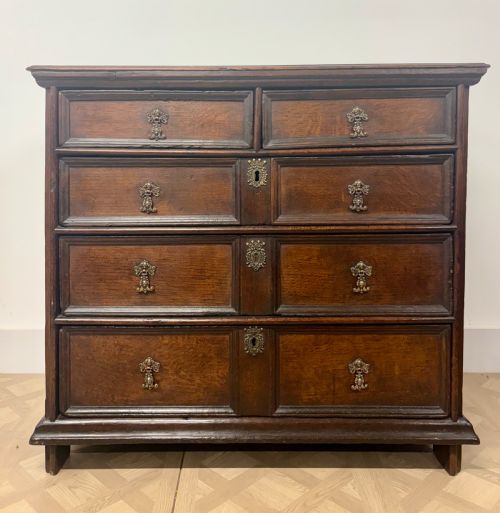
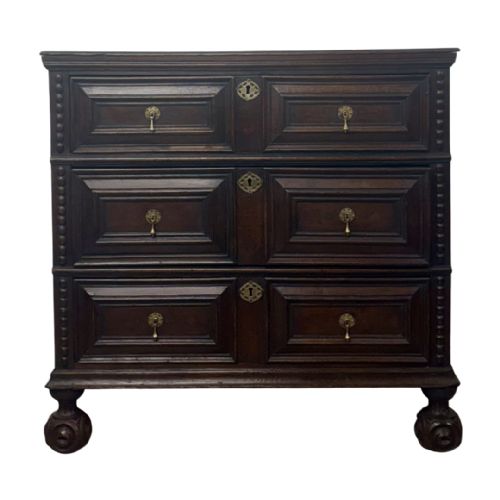
Joiners relied heavily on solid oak for structural carcass work, utilising frame and panel construction to accommodate seasonal timber movement. Chests of drawers and coffers often combined robust internal framing with pegged joints and hand-cut mouldings.
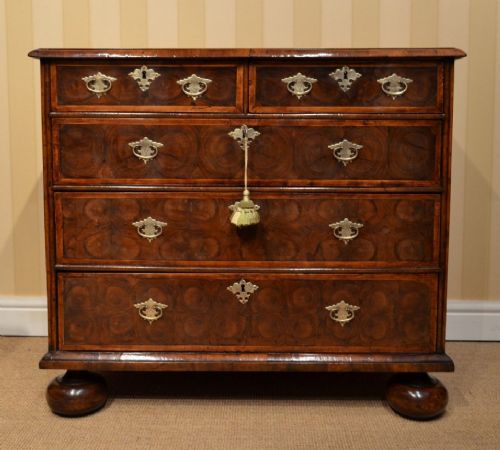
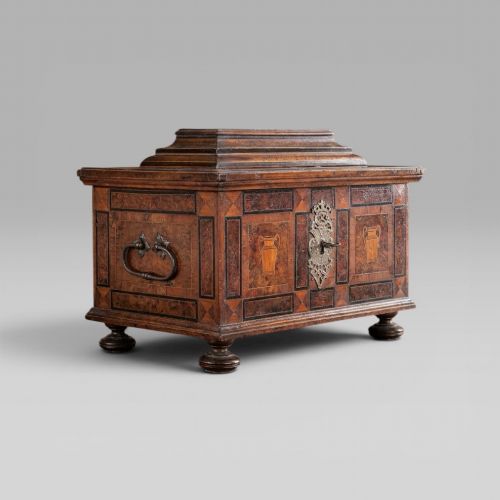
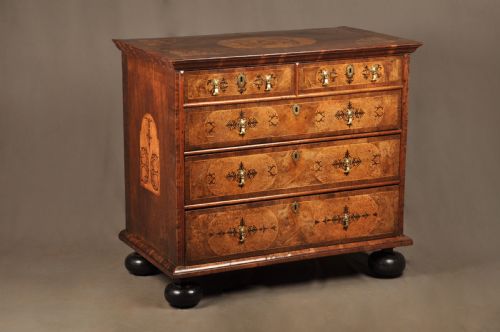
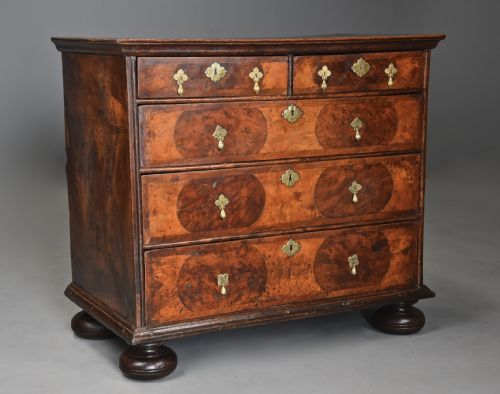
Surface ornamentation involved sophisticated timber preparation, notably oyster veneering where small branch woods were sliced into roundels to create repeating patterns. Marquetry inlay, arabesque scrollwork, and geometric raised mouldings added texture and visual depth to walnut, laburnum, and fruitwood surfaces.
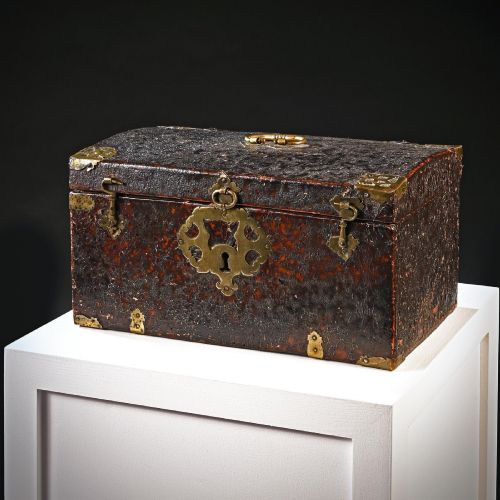
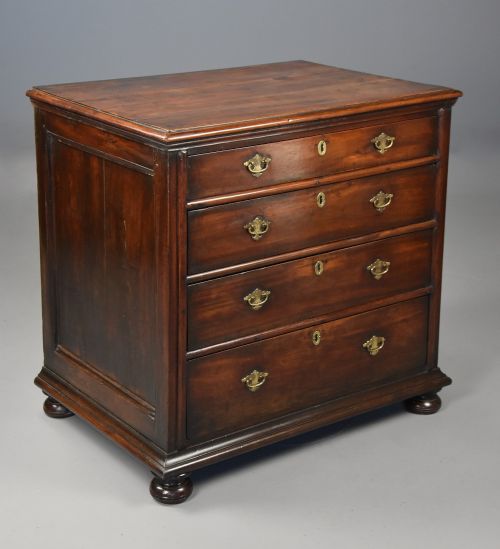
Hardware played an integral functional and decorative role, featuring forged iron locks, brass drop handles, and escutcheons secured to travelling boxes and strong boxes alike.
Late 17th Century Chest Retail Price Guide 2026
Typical asking prices for late 17th century chest among the pieces listed under this phrase on Sellingantiques today, from the lower quarter to the upper quarter. They describe what is for sale here now, not the wider market.
Listings feature robust oak coffers alongside sophisticated walnut and kingwood cabinets on stands from the late 17th century.
What Varies In Quality
The distinction between standard utility items and high-status pieces rests largely on timber selection and surface artistry. Elaborate oyster veneers, complex marquetry, and the integration of exotic woods like kingwood or tortoiseshell separate ambitious cabinet work from provincial joinery.
Construction integrity and the survival of original surfaces dictate desirability. Pieces retaining unblemished timber patination, authentic brass hardware, and unaltered drawer linings command greater appreciation than those altered by later restorations or excessive cleaning.
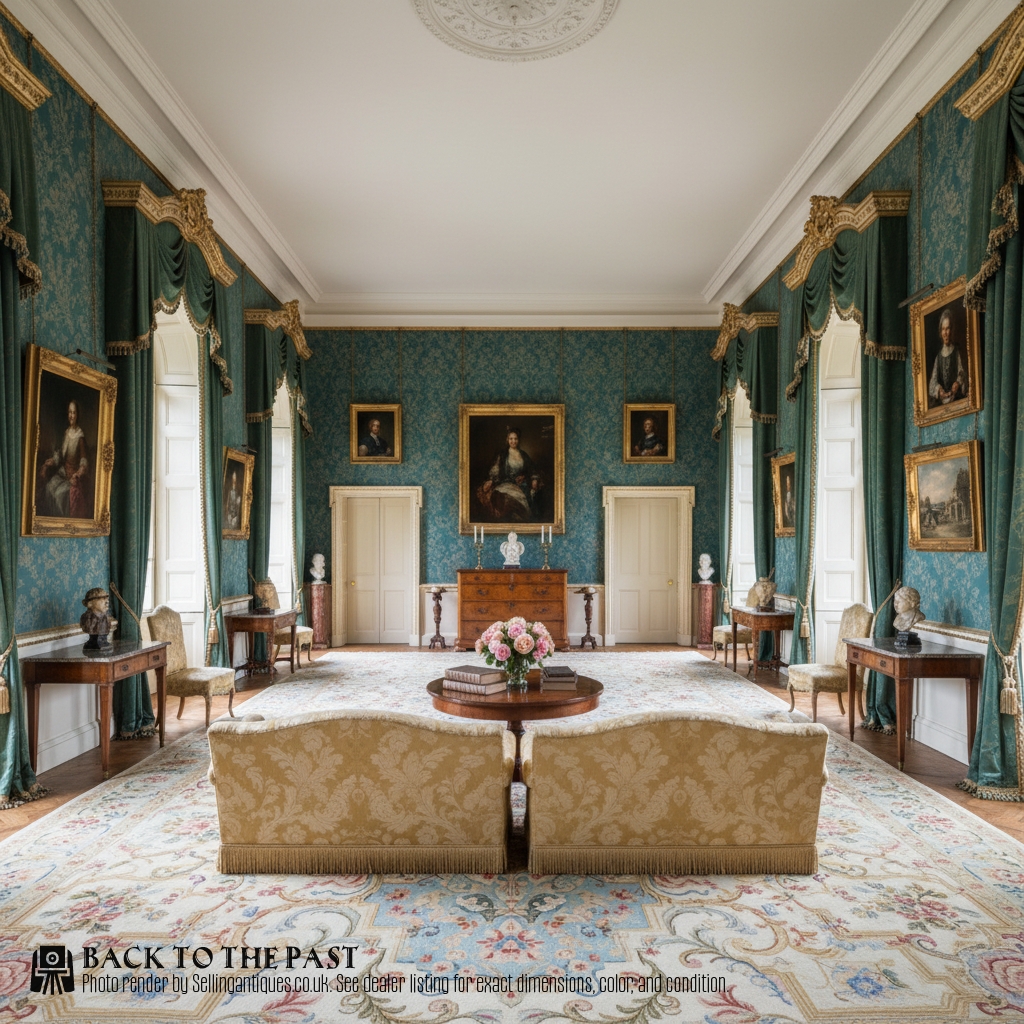
The Late 17th Century Chest Glossary
- Oyster veneer
- Slices cut transversely from small branches or roots to produce circular or oval patterns resembling oyster shells. This technique flourished during the William and Mary period on walnut and laburnum surfaces.
- Coffer
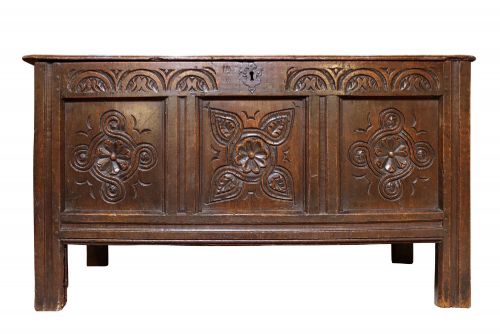
- A large wooden chest traditionally used for storing valuables, linen, or documents. These sturdy receptacles often feature panelled construction and hinged lids.
- Marquetry
- Decorative patterns formed by fitting together thin veneers of various woods, metals, or other materials. The style often displays floral or arabesque motifs on drawer fronts.
- Mule chest
- A storage chest fitted with one or more drawers beneath the main internal compartment. It bridges the evolution between the traditional coffer and the modern chest of drawers.
- Bible box
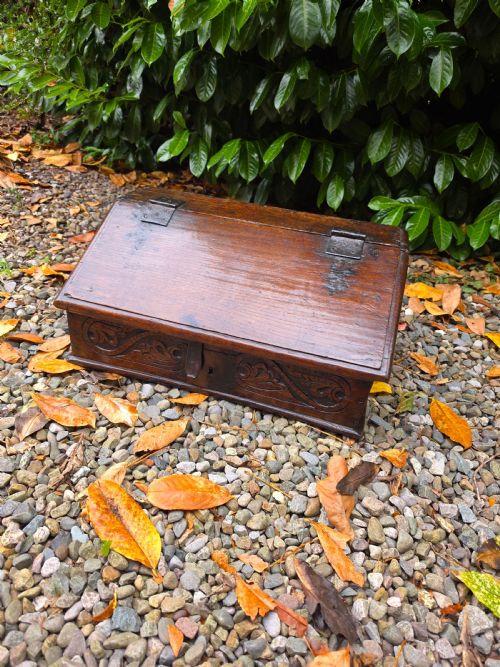
- A small tabletop box historically used to store religious texts and documents. Many examples feature sloping lids that double as writing surfaces.
Late 17th Century Chest: Frequently Asked Questions
How do I care for oyster veneer?
Oyster veneered surfaces require stable indoor humidity and protection from direct sunlight to prevent the small timber roundels from lifting or splitting. Gentle dusting with a dry cloth preserves the natural finish without stripping the patina.
Avoid liquid polishes and waxes containing heavy silicones, opting instead for traditional beeswax applied sparingly by hand.
Are these chests suitable for daily use?
These pieces function well in modern interiors for storing items like blankets, linens, or paperwork, provided they are treated with care. The internal spaces remain spacious and dry when kept in climate-controlled rooms.
Placing felt pads beneath stored items protects the historical drawer bases and internal timber floors from unnecessary wear.
What defines William and Mary style?
The William and Mary style introduced lighter proportions, Dutch-influenced marquetry, and sophisticated veneering techniques to English furniture design. This aesthetic favoured rich woods such as walnut, laburnum, and yew over heavy traditional oak.
Surfaces often display intricate geometric mouldings, oyster veneers, and elaborate brass hardware supported by structured stands.