


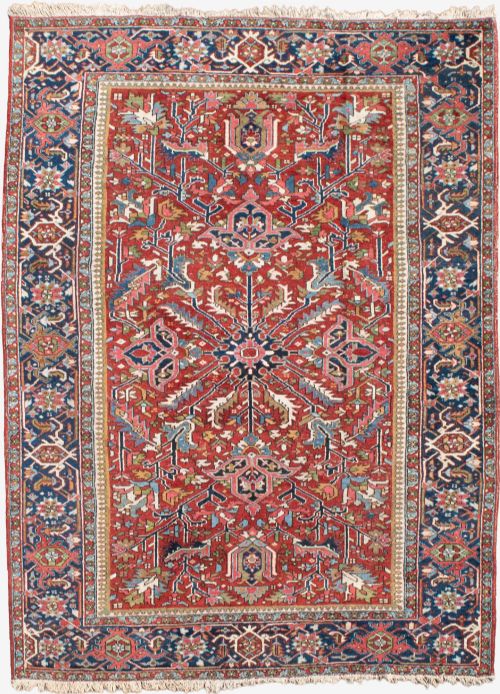

Large Wool Carpet
A large wool carpet anchors a grand room with heavy texture, rich natural dye variation, and generations of woven history.
Large Wool Carpet
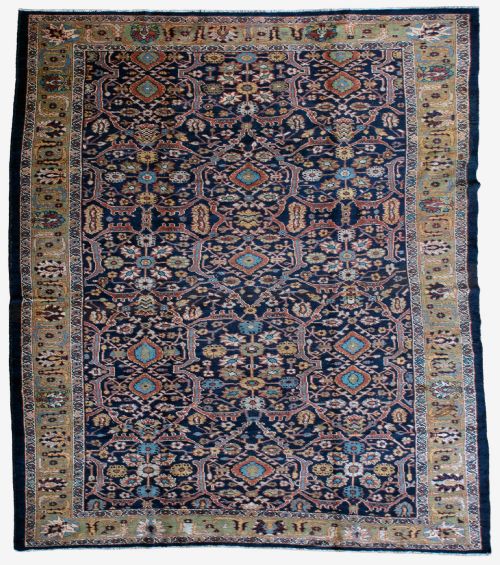
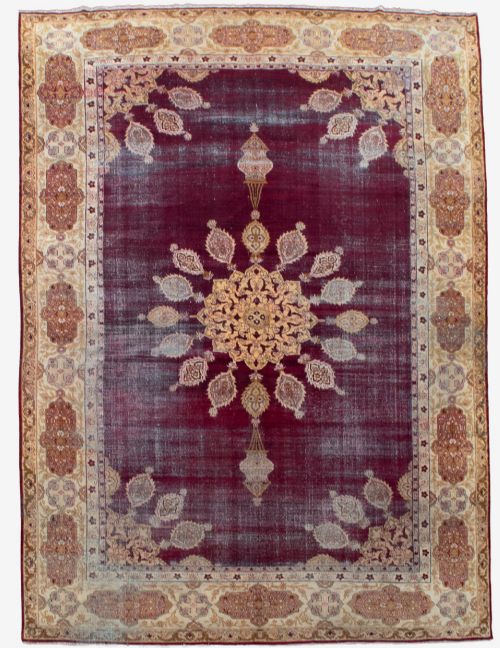
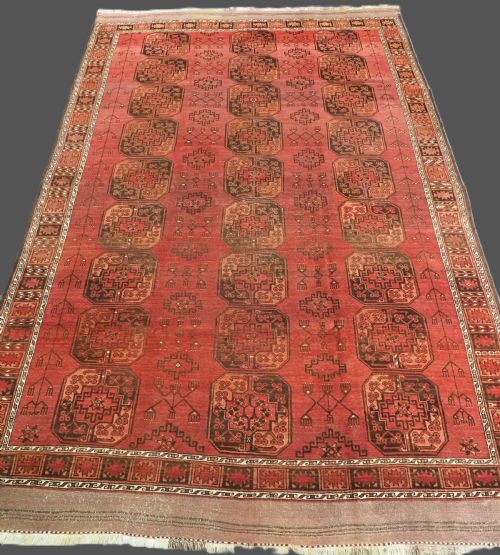
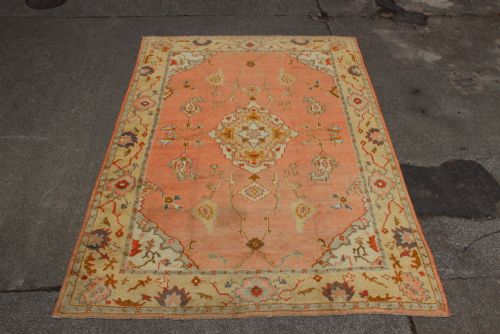
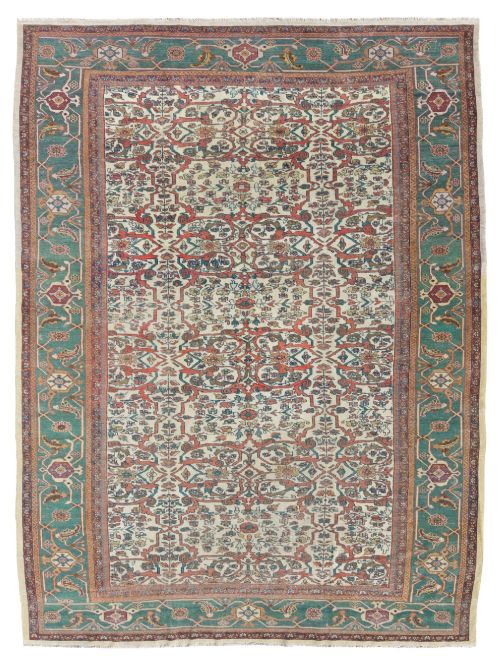
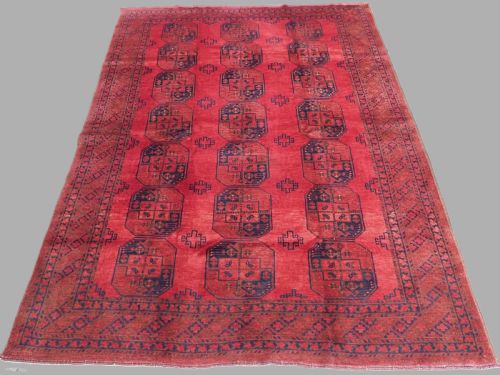
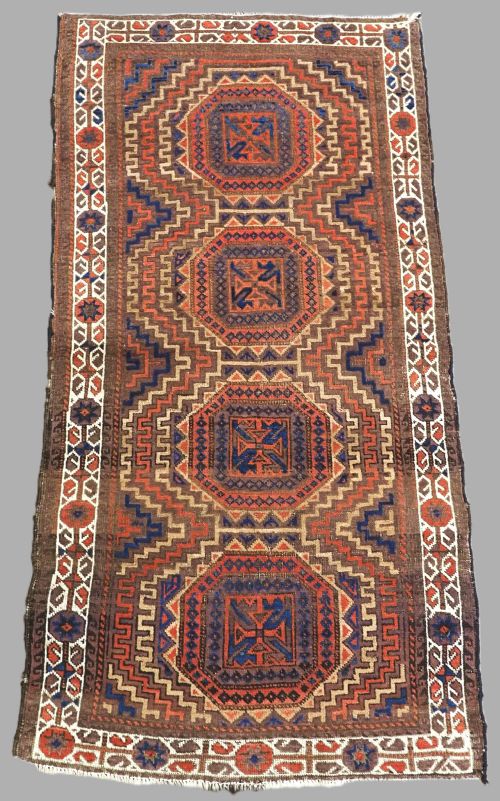
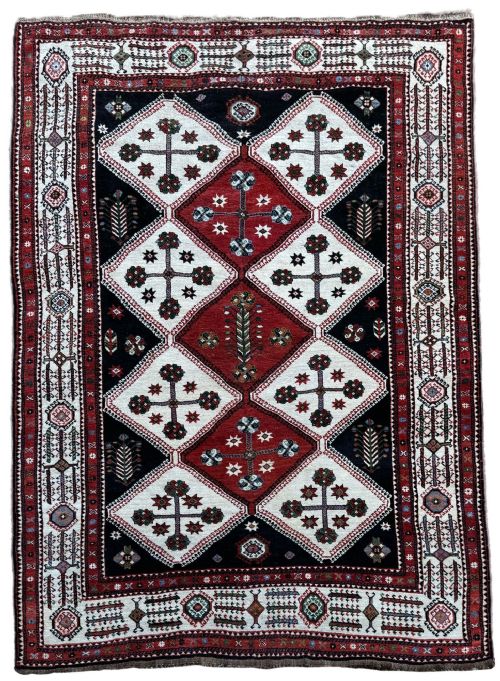
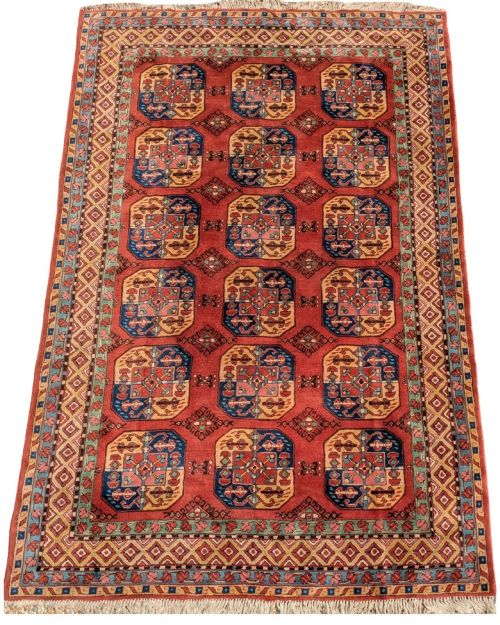
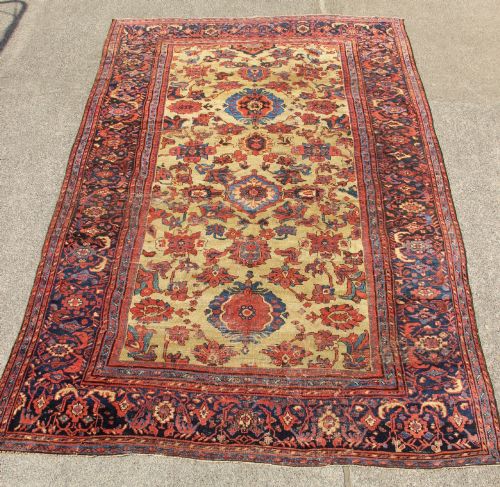
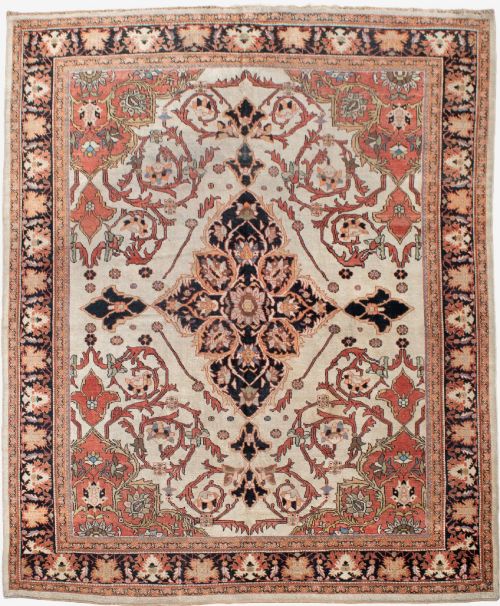
A large wool carpet provides substantial floor coverage for principal reception rooms, country houses, and broad hallways. When you search for a large wool carpet, you encounter room-sized floor coverings originating primarily from Persian, Turkish, and Central Asian weaving traditions. These substantial pieces balance high-traffic durability with intricate medallion and tribal field designs.
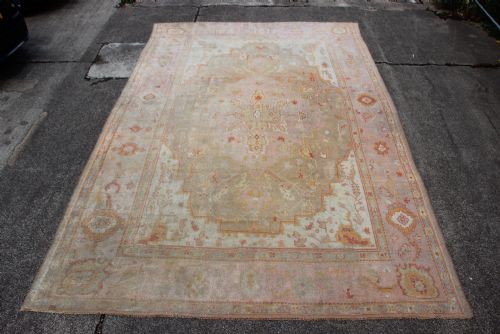
The selections available range from sturdy village Heriz carpets to expansive Oushak and Tabriz pieces woven in the nineteenth and early twentieth centuries. Wool pile forms the warm, resilient surface of these floor coverings, often knotted over cotton or wool foundations. Each rug carries the distinct geometry of regional workshops or nomadic tribal groups.
Village and city workshops produced these substantial textiles to withstand decades of heavy use while developing a softer patina. Buyers select these formats to ground large furniture arrangements and introduce organic warmth into high-ceilinged interiors.
Materials and construction methods
Weavers constructed these large floor coverings using dense wool pile hand-knotted onto sturdy cotton or wool foundation warps and wefts. The natural lanolin present in the sheep wool provides inherent resistance to dirt and wear while maintaining a pliable handle.
Natural dye stuffs extracted from plants, roots, and insects supplied the deep reds, indigo blues, and warm ivory tones found across these textiles. Over decades of exposure and washing, these natural colorants mellow into complex, varied hues that synthetic dyes cannot replicate.
Large Wool Carpet Retail Price Guide 2026
Typical asking prices for large wool carpet among the pieces listed under this phrase on Sellingantiques today, from the lower quarter to the upper quarter. They describe what is for sale here now, not the wider market.
Listings feature nineteenth and early twentieth-century Persian, Turkish, and Central Asian carpets made from wool and cotton.
Distinctions in weaving standard
The density of the knotting largely determines the crispness of the pattern and the structural longevity of the floor covering. Finely worked city pieces demonstrate intricate curvature in floral motifs, whereas coarser tribal village rugs emphasise bold, geometric abstraction.
The condition of the wool pile and the structural integrity of the selvedges and foundation threads dictate the remaining lifespan of the textile. Pieces retaining their original proportions and unclipped pile exhibit the intended balance of weight and visual depth.
Haji Jalili·Maple and Co
The Large Wool Carpet Glossary
- Gul
- A repeating octagonal medallion motif frequently found in Turkmen and Afghan tribal weaving. These geometric stamps identify the specific clan or nomadic group that produced the textile.
- Medallion
- A large central ornamental design placed in the middle of the carpet field. Weavers constructed symmetry around this focal point using floral or geometric framing.
- Selvedge
- The reinforced outer edge binding that prevents the side cords from unravelling. Sound selvedges indicate careful maintenance and original structural integrity.
- Pile
- The upright loops or cut strands of wool that form the usable surface of the carpet. Dense pile provides cushioning and protects the foundation threads from abrasion.
- Warp
- The vertical foundation threads stretched tightly across the loom before knotting begins. The density of these underlying threads dictates the overall weight and drape of the textile.
Large Wool Carpet: Frequently Asked Questions
How do I clean a large wool carpet?
Regular gentle vacuuming without a beater bar removes surface grit from the wool pile. Professional immersion washing remains necessary for deep cleaning to protect the natural fibres and dyes.
Harsh chemical treatments and excessive water should be avoided to prevent wool shrinkage and dye bleeding. Periodic rotation ensures even wear across high-traffic areas of the room.
Where should I place a large room-size carpet?
These expansive floor coverings suit principal reception spaces, dining rooms, and wide entrance halls. They provide a solid visual base that unifies large groupings of freestanding furniture.
Placing a quality rug pad underneath prevents slipping and cushions the wool foundation against hard floorboards. Sizing should allow furniture legs to rest comfortably on the outer borders of the field.
How do I distinguish Heriz from Oushak carpets?
Heriz carpets typically feature bold, geometric corner spandrels and prominent central star medallions woven with sturdy village wool. Their palette relies heavily on rust reds, navy blues, and clear ivory grounds.
Oushak carpets display more relaxed floral designs with soft terracotta, saffron, and pale blue colorways. The wool in Oushak pieces tends to feel silkier and looser in knot density than northern Persian village work.
What causes colour variation in antique carpets?
Hand-spun wool absorbs natural plant and insect dyes unevenly, creating subtle shifts in tone known as abrash. This organic variation adds depth and movement across large fields of colour.
Exposure to sunlight and decades of gentle washing further soften the original dyestuffs. These natural shifts serve as indicators of authentic antique production methods.