
Large Wooden Farmhouse Table
A large wooden farmhouse table anchors a room with sturdy proportions and honest timber, built for decades of daily family life.
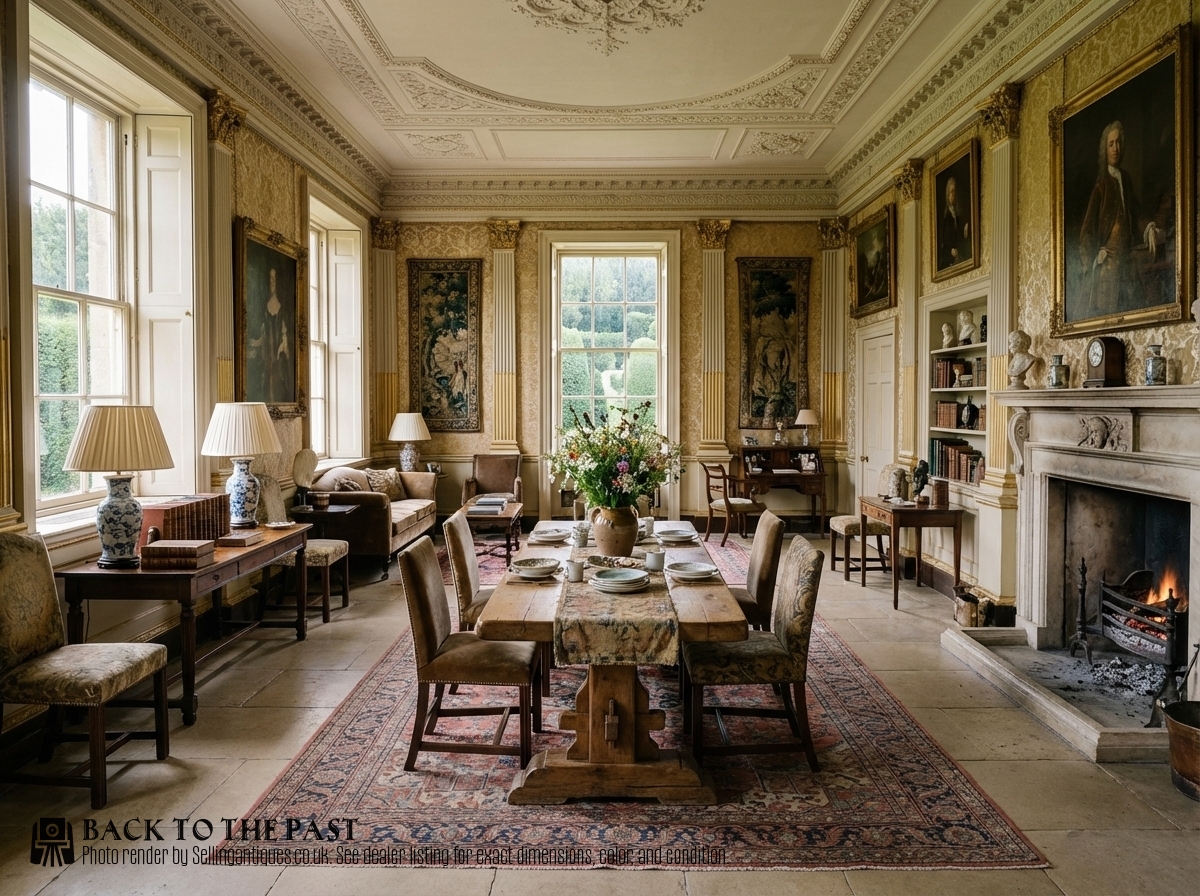
Large Wooden Farmhouse Table
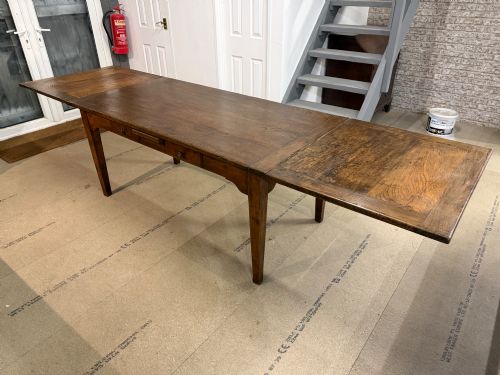
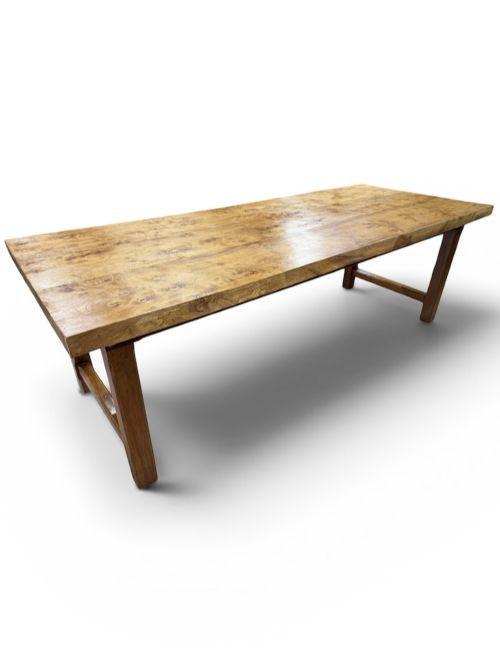
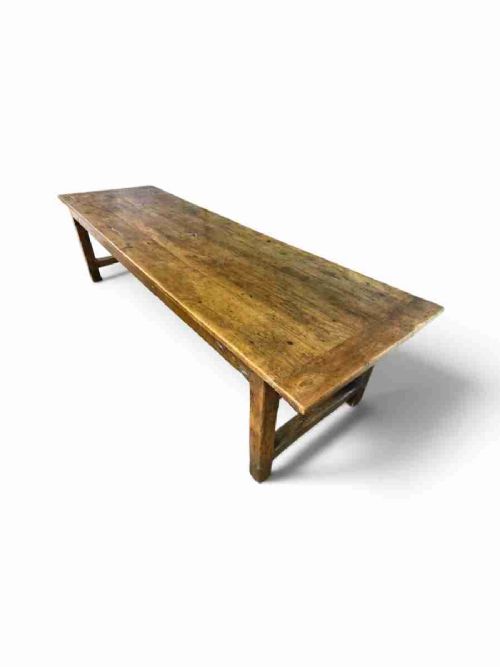
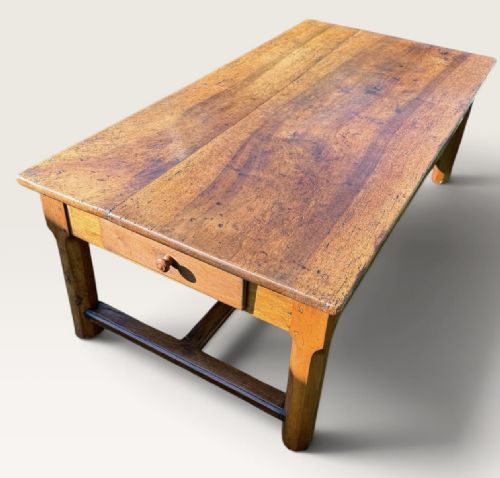
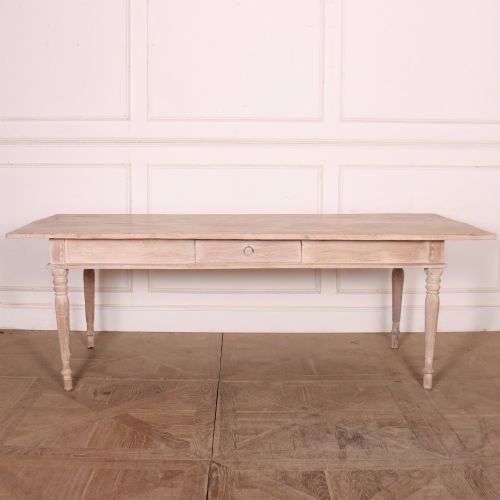
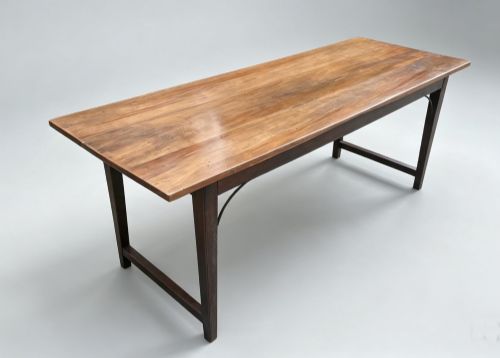
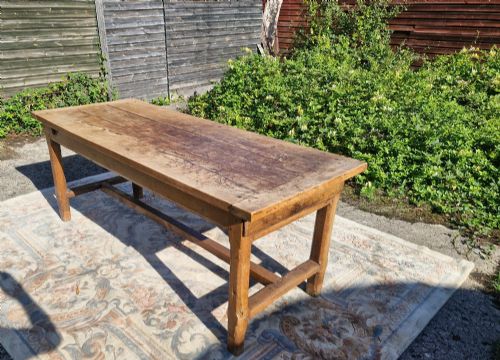
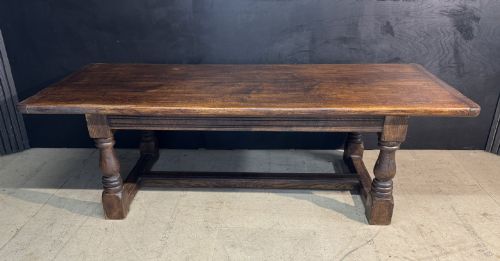
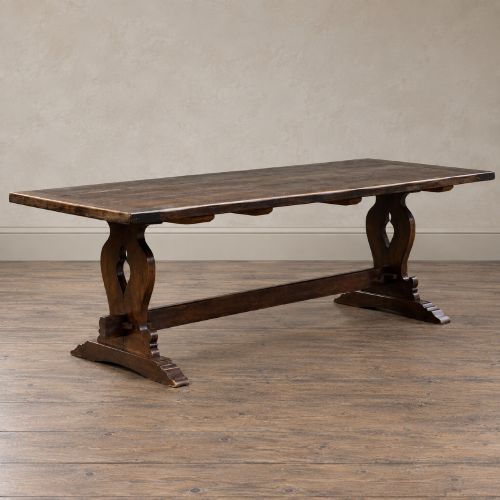
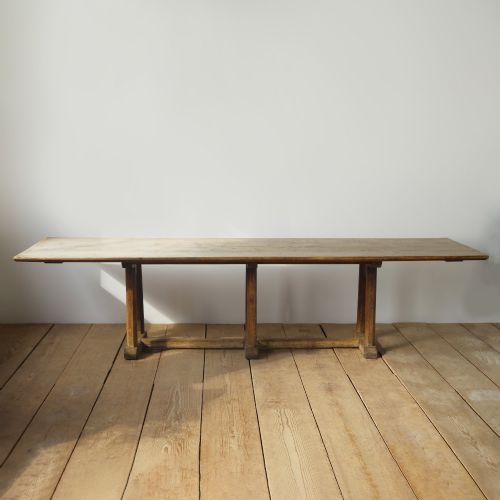
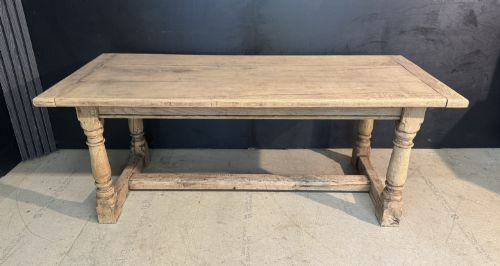
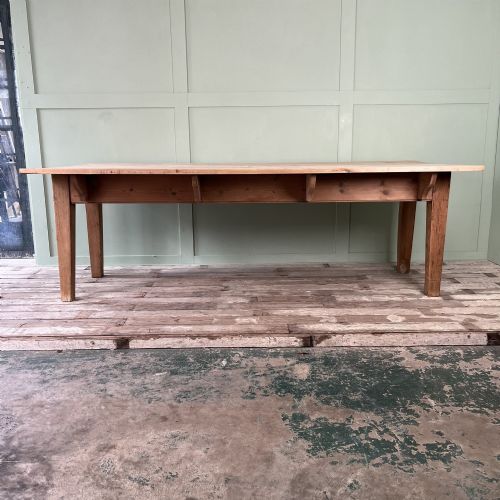
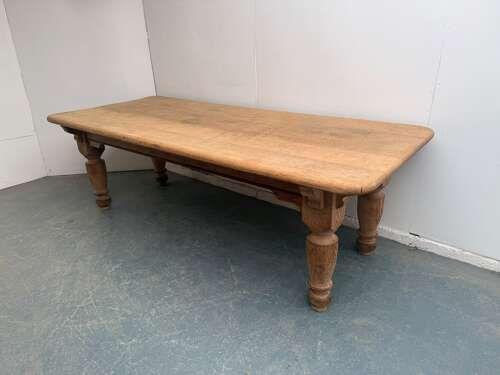
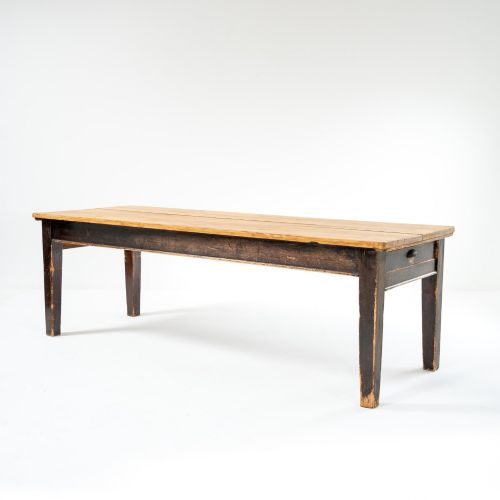
A large wooden farmhouse table is a heavy, substantial piece designed primarily for daily dining, kitchen preparation, and communal gatherings. These tables range from utilitarian scullery and harvest designs with drawers to grander oak and elm refectory formats.
The versions most commonly met here span the eighteenth, nineteenth, and early twentieth centuries, drawing on English, French, and Spanish vernacular traditions. They appear in styles such as rustic farmhouse, French provincial, and Georgian country, reflecting practical origins in working kitchens and large domestic spaces.
Materials and Construction
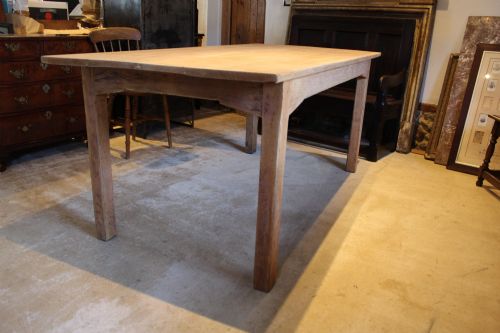
Makers built these tables from hard-wearing regional timbers, relying heavily on oak, pine, elm, and cherrywood for their structural integrity. Tops often consist of thick single boards or two-board combinations joined to withstand heavy daily use.
Joinery methods prioritized durability over ornate decoration, utilising solid wood construction, sturdy aprons, and substantial legs connected by stretchers. Some examples incorporate practical storage elements like drawers built directly into the frieze for kitchen implements.
Large Wooden Farmhouse Table Retail Price Guide 2026
Typical asking prices for large wooden farmhouse table among the pieces listed under this phrase on Sellingantiques today, from the lower quarter to the upper quarter. They describe what is for sale here now, not the wider market.
Several tables retain the original drawer spaces once used by cooks to hide away flour scoops and rolling pins before dinner was served.
Proportion, Timber, and Age
Quality in these tables rests upon the integrity of the timber and the balance of their proportions, with older eighteenth and nineteenth-century examples often showing superior grain depth and patination. The thickness of the top boards and the originality of the structural framing dictate the overall caliber of the piece.
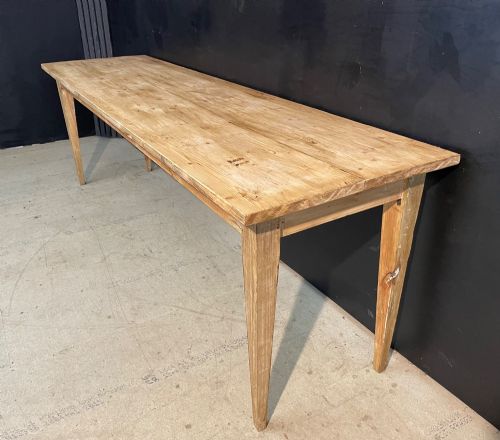
The distinction between a standard workshop utility table and a finer dining piece lies in the refinement of the turned or tapered legs and the seamless integration of extension mechanisms where present.
The Large Wooden Farmhouse Table Glossary
- Refectory table
- A long, narrow dining table originally designed for monastic dining halls and later adapted for domestic farmhouse kitchens.
- Harvest table
- A large utility table featuring a long surface, often incorporating drop leaves or drawers, used historically for seasonal agricultural work and communal meals.
- Scullery table
- A heavy, practical table built for food preparation and washing tasks, typically equipped with utilitarian drawers for storage.
- Stretcher
- A horizontal wooden bar connecting the legs of a table near the base to provide structural rigidity and support.
- Two-board top
- A tabletop constructed from two wide planks joined together side by side, common in older elm and pine tables.
Large Wooden Farmhouse Table: Frequently Asked Questions
How do I choose the right size table?
Consider the daily seating requirements and the physical dimensions of the room, remembering to allow ample clearance around all sides for chairs to pull out comfortably.
Larger formats often exceed eight feet in length, so measure doorways and stairwells carefully before purchasing a long refectory or harvest style.
Can I use a historic farmhouse table daily?
These pieces were originally constructed for heavy everyday use and remain exceptionally sturdy for modern family dining and kitchen activities.
Applying a durable wax or protective finish helps shield the aged timber from moisture and daily wear without altering the historic character.
What is the difference between pine and oak tables?
Pine tables generally offer a lighter tone and softer surface texture, often associated with scullery, harvest, and country kitchen contexts.
Oak and elm variants provide greater density, darker natural patination, and a formal architectural presence suited to traditional dining rooms.
How do I identify the period of a table?
Dating relies on examining the tool marks, construction joints, timber species, and overall wear patterns visible on the underside and legs.
Eighteenth-century examples typically display hand-sawn board markings and pegged joinery, while nineteenth-century versions often utilise standardised industrial fixings alongside traditional methods.