





Large Porcelain Wall Dishes
Large porcelain wall dishes command a room, offering broad surfaces of painted glaze from Chinese Kangxi workshops, Japanese kilns, and European factories.

Large Porcelain Wall Dishes
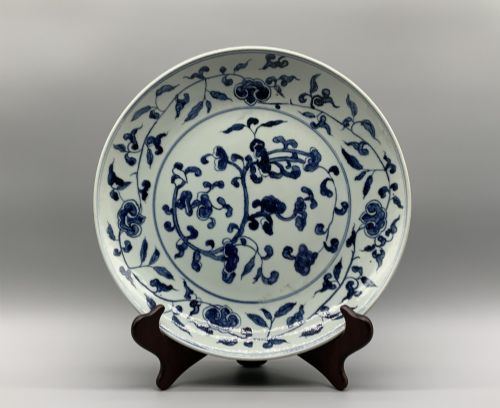
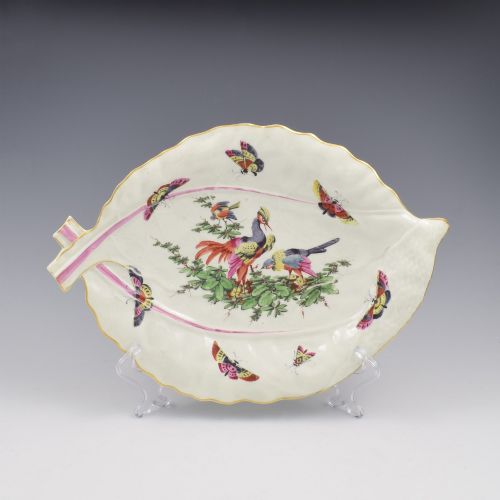
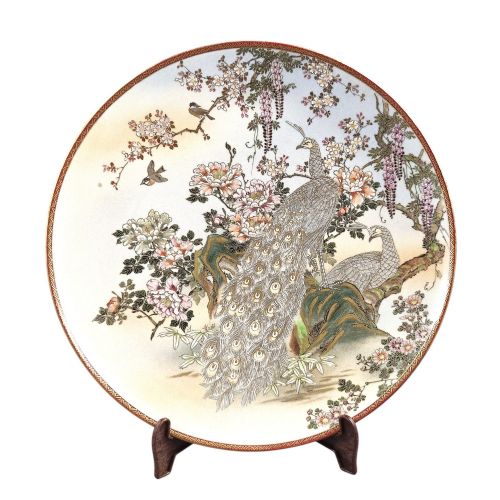
Large porcelain wall dishes span centuries of domestic display, originating in Chinese imperial export trades, Japanese Meiji and Edo periods, and European manufactories such as Worcester and Vienna.
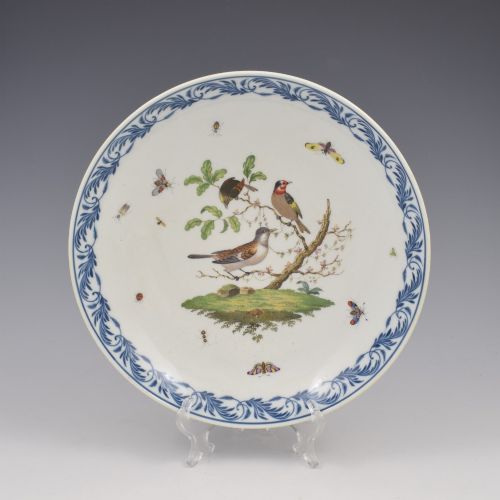
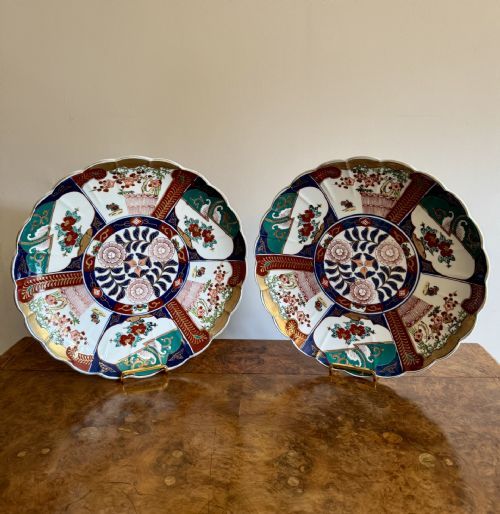
Buyers meet Japanese Imari chargers most frequently on this page, alongside Chinese blue and white porcelain and Vienna pictorial platters.
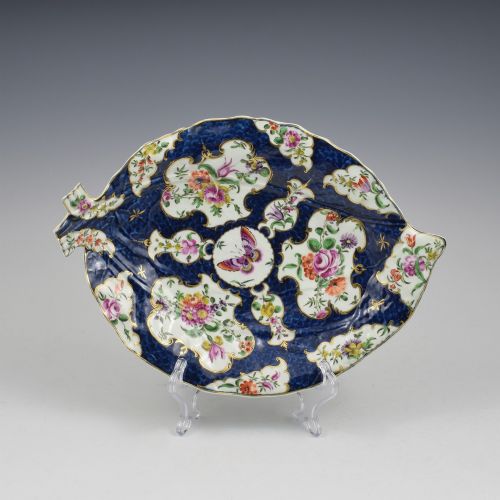
These items function primarily as wall-hung display plates or centrepieces, shaped as circular chargers, square plates, and leaf-moulded dishes.
Materials and production methods
Potters shaped kaolin-rich clay into heavy dishes before applying cobalt blue underglaze and subsequent overglaze enamels.
Kiln workers utilised gold leaf, gilt highlights, and intricate enamel work to finish surfaces on Japanese Arita, Kutani, and Chinese pieces.
European makers at Worcester and Vienna employed moulded blanks, hand-painted bird motifs, and transfer-printed or hand-drawn mythological scenes.
Several chargers depict the Seven Lucky Gods sharing space with koi carp, demonstrating that divine figures enjoy a swim just as much as mortal spirits.
Distinctions in quality and execution
Brushwork precision separates standard output from superior items, particularly visible in the fine detailing of avian plumage, court figures, and koi carp scales.
The density and richness of cobalt blue glaze and the application of overglaze enamels dictate the visual weight and depth of the piece.
Completeness of decorative programmes, such as intricate scrolling foliate borders framing central narratives, marks the standard of the maker.
Meissen Porcelain·Vienna Porcelain
The Large Porcelain Wall Dishes Glossary
- Charger
- A large ornamental plate designed for display on a wall or dresser rather than table service. These pieces measure significantly wider than standard dining plates.
- Imari
- A Japanese export style originating in Arita, defined by a distinct palette of cobalt blue, iron red, and gilt highlights. Pieces often display intricate floral and geometric panels.
- Overglaze enamels
- Pigments applied to pottery after the initial glaze firing, requiring a second, lower-temperature firing to fuse the colours. This technique permits a wide palette including greens, yellows, and reds.
- Underglaze
- Pigment applied directly to the raw clay body before glazing and firing, most commonly seen in deep cobalt blue decoration. The protective glass layer covers the pigment entirely.
- Meiji Period
- The era in Japanese history spanning from 1868 to 1912, characterised by a surge in decorative porcelain export to Western markets.
Large Porcelain Wall Dishes: Frequently Asked Questions
How do I hang a large porcelain dish safely?
Mount these heavy platters using specialised spring-loaded brass wall hangers that distribute the weight evenly around the rim without pinching the ceramic body.
Ensure the fixing enters solid masonry or studwork rather than relying on standard plasterboard plugs.
Were these chargers meant for dining?
Large chargers served primarily as decorative display pieces on sideboards or walls during the seventeenth, eighteenth, and nineteenth centuries, rather than functional tableware.
Their substantial weight and intricate overglaze enamels made them unsuited for daily culinary use.
How do I distinguish Imari from standard blue and white?
Imari porcelain integrates a tripartite palette of cobalt blue underglaze, iron red, and gold leaf, whereas standard blue and white relies solely on cobalt tones.
Imari surfaces frequently feature dense panels of floral brocade alongside depictions of birds and landscapes.
What indicates an eighteenth-century date on Worcester dishes?
Early Worcester pieces from the Dr Wall period exhibit distinct soft-paste porcelain bodies, translucent glazes, and hand-painted blue and white scale or leaf motifs.
Markings on the base often include crescent shapes or simulated Chinese characters rather than modern printed stamps.