
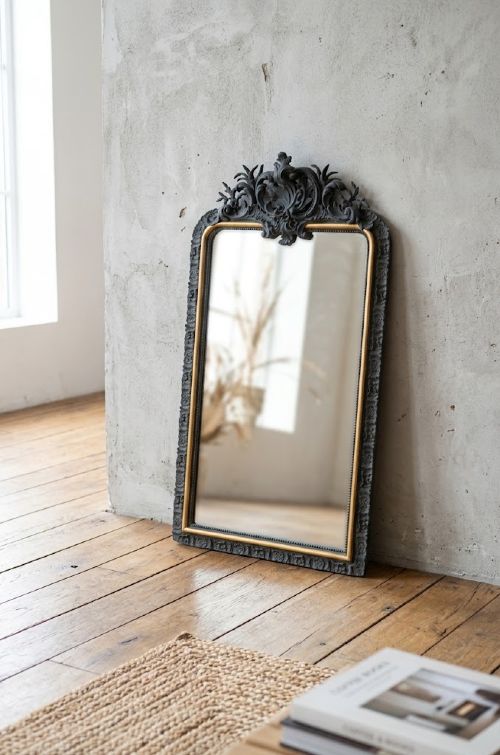
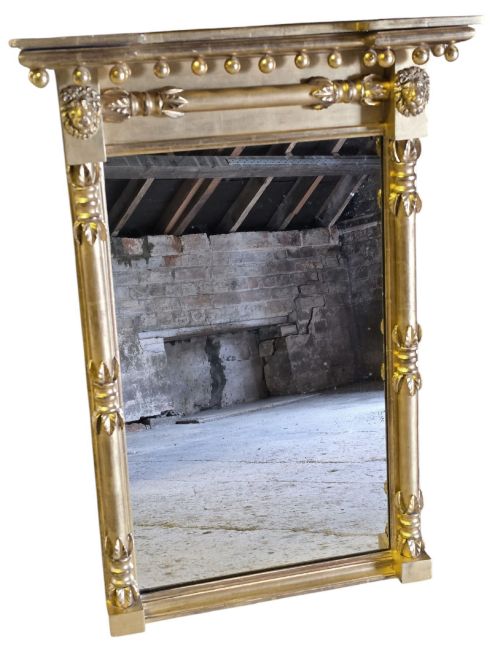
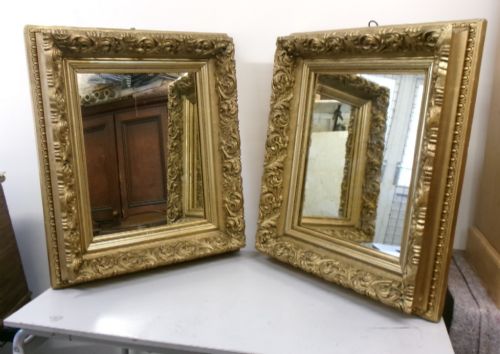

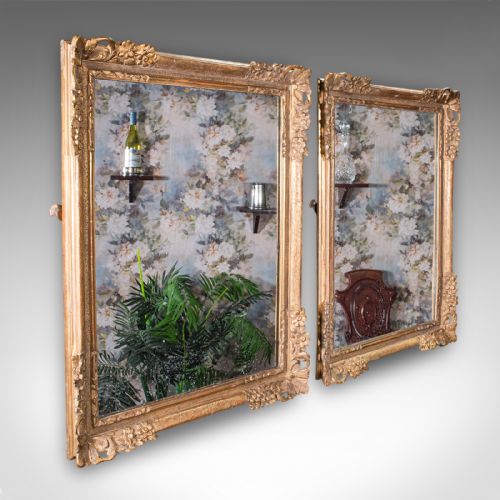
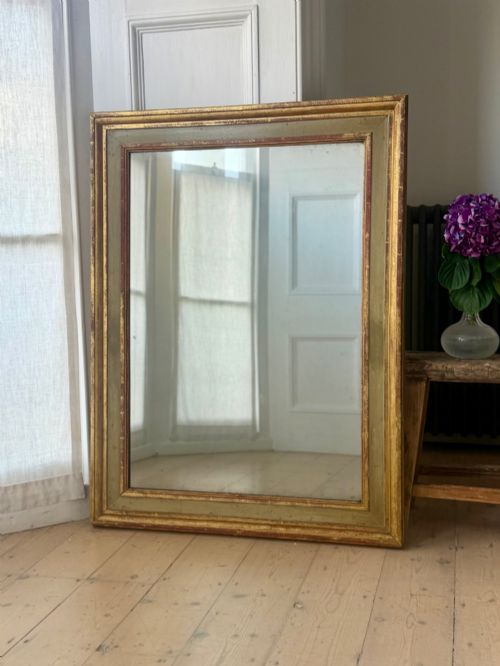
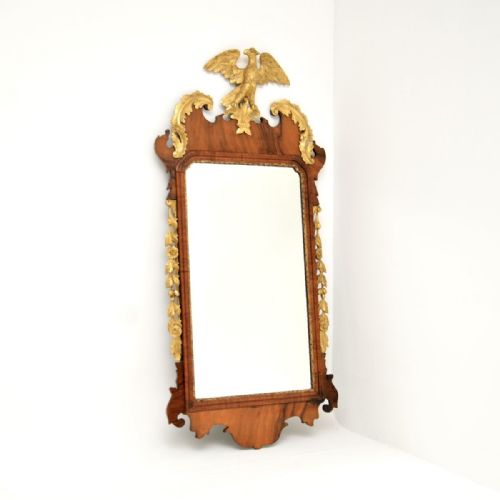
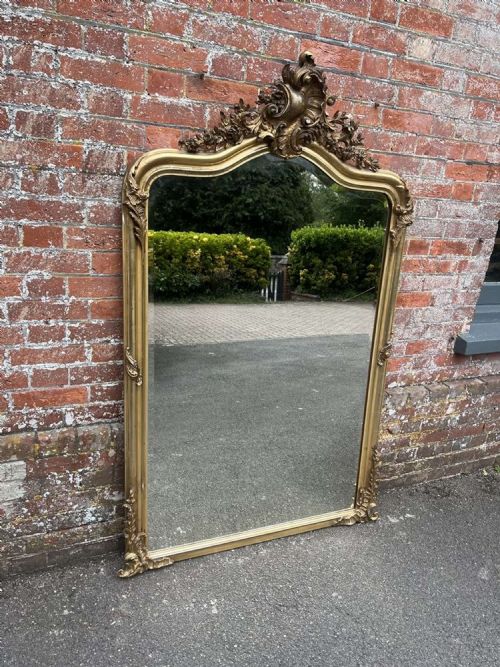
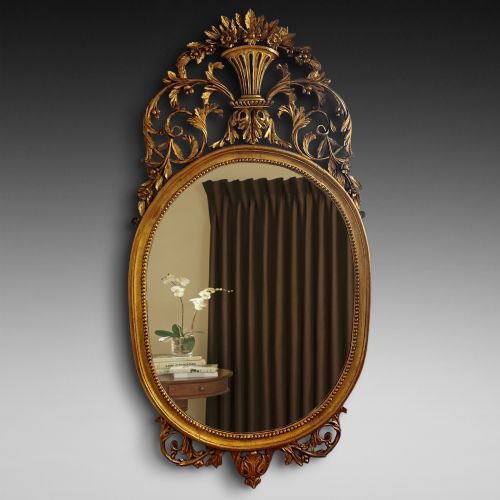
Large Pier Glass
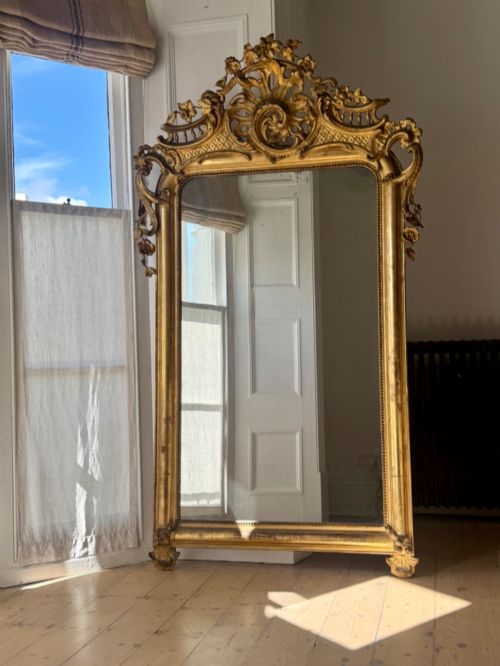
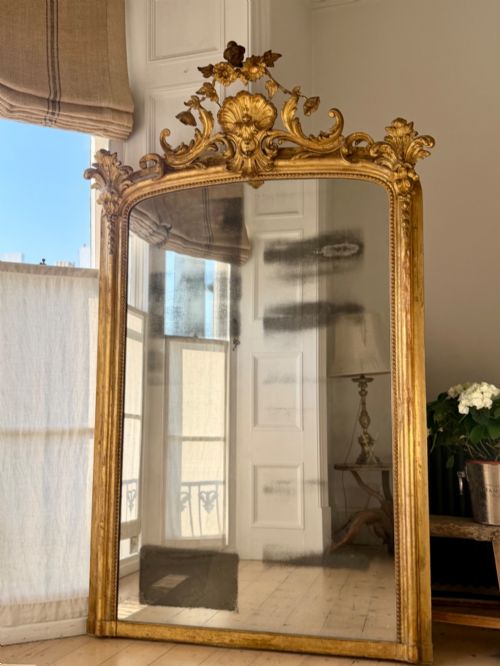
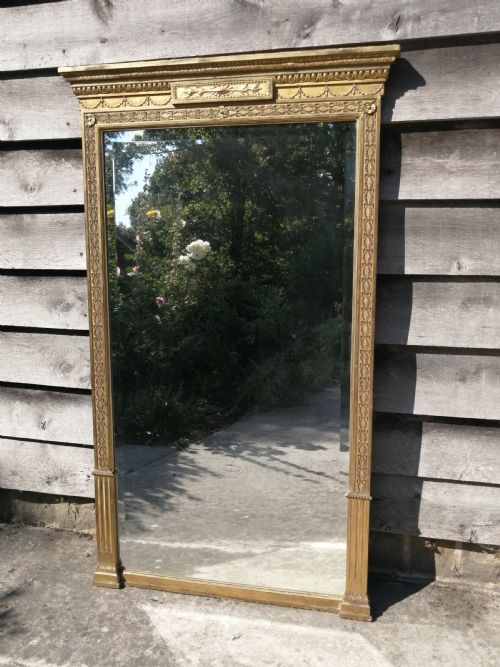
A large pier glass brings architectural presence and reflected light into a room, designed originally to hang on the narrow wall space between windows.
Large Pier Glass
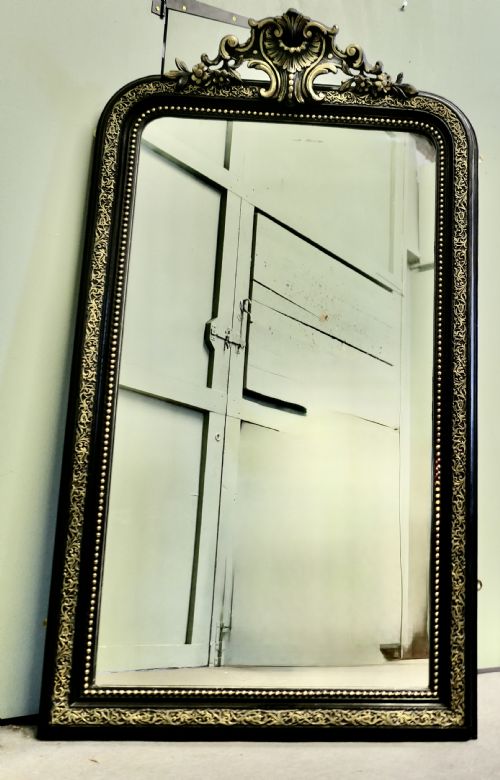
A large pier glass is a tall wall mirror designed to occupy the vertical space between two windows, reflecting natural light deeper into a room. These pieces span several centuries, including Georgian, Regency, and Victorian periods, alongside French Neoclassical, Empire, and Rococo revival styles.
Most examples found here date from the eighteenth and nineteenth centuries, constructed in rectangular, arched, or shaped top formats. While many function as overmantel or hall mirrors today, their original architectural purpose dictates their imposing height and proportion.
How they were made
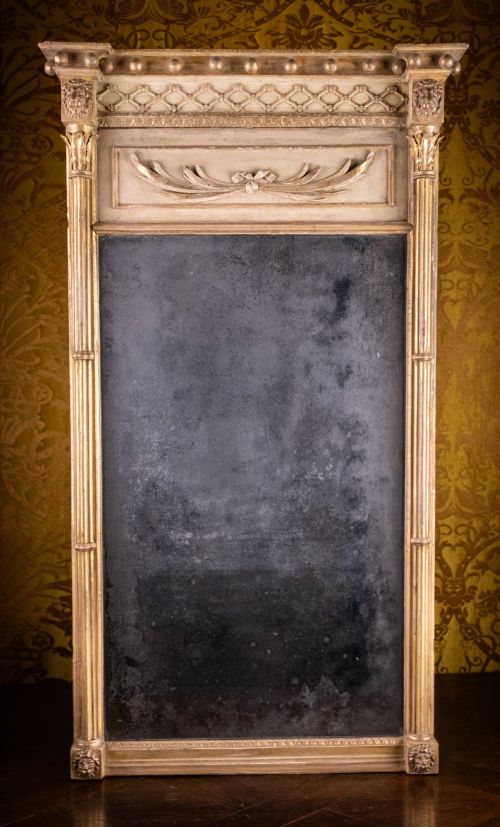
Frames rely on carved wood, gesso, and composition applied over a wooden base, finished with layers of gold leaf, silver gilding, or paint. Mahogany and walnut appear frequently in earlier frames, often accented with parcel-gilt details.
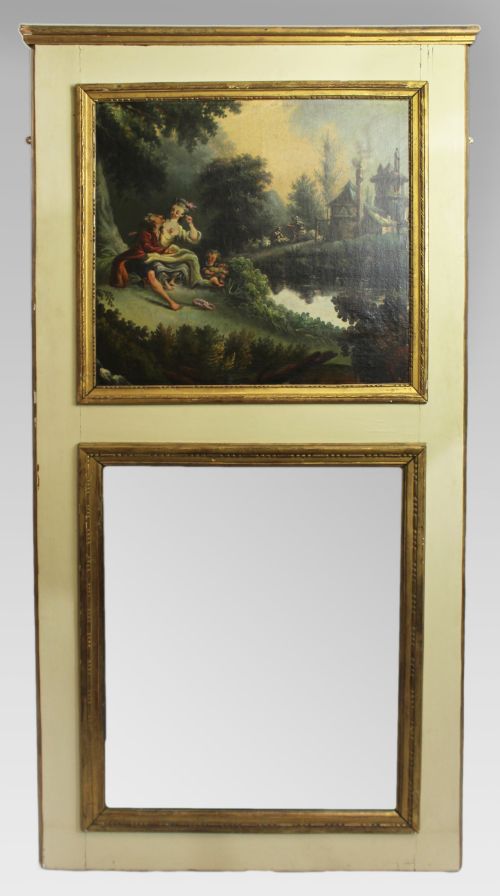
Reflecting plates consist of historic mirror glass, including mercury glass that exhibits characteristic foxing and age spots. Specialised panels such as verre églomisé or painted pastoral scenes frequently occupy the upper section of tall trumeau frames.
Listings feature eighteenth and nineteenth-century pieces alongside Regency and Victorian examples, utilising materials such as giltwood, gesso, mahogany, and original mercury glass.
What varies in quality
The degree of crispness in the carved wooden ornamentation and the depth of the gesso relief distinguish standard production from exceptional examples. Hand-carved details retain sharp undercut edges, whereas moulded composition details appear softer.
The survival of the original mirror plate heavily influences the character of the piece, with untouched mercury glass plates holding distinct historical value compared to later replacements. Frame construction integrity and the original continuity of the gilding further define the upper tier of pieces.
Gillows·Thomas Fentham
The Large Pier Glass Glossary
- Pier glass
- A tall mirror specifically designed to hang on the pier, which is the wall space between two windows. These mirrors maximise daylight in period interiors.
- Gesso
- A plaster-like mixture applied to wood frames to create a smooth surface for gilding or to be moulded into intricate decorative motifs. It provides the base for relief ornament.
- Verre églomisé
- A cold decoration technique involving the application of gold or silver leaf to glass, combined with painting and etching. This method creates decorative upper panels in trumeau mirrors.
- Mercury glass
- An early mirror-making technique using a tin and mercury amalgam behind the glass plate. Over time, this creates characteristic dark spots and foxing.
- Parcel-gilt
- Partially gilded woodwork where only specific carved elements or raised details receive gold leaf, contrasting with a painted or polished wood background.
Large Pier Glass: Frequently Asked Questions
Where should I hang a large pier glass?
These mirrors suit high-ceilinged rooms where their vertical proportions can command the wall. Historically positioned between windows, they work equally well above a fireplace or anchoring a hallway.
Ensure the wall construction supports the considerable weight of these heavy frames, particularly nineteenth-century giltwood and gesso examples.
How do I identify the period of a mirror?
Frame construction, wood types, and decorative motifs offer clear chronological markers. Georgian and Regency pieces favour mahogany and architectural neoclassical lines, while Victorian and later nineteenth-century examples lean towards heavier gesso relief and French revival styles.
Inspect the reverse of the frame and the backing boards, as older hand-sawn timbers and original fixings help confirm the era of manufacture.
What is a trumeau mirror?
A trumeau is a decorative wall mirror featuring an integrated painted panel or a decorative artwork positioned above the glass plate. Originating in France, these tall fixtures combine wall panelling aesthetics with a functional looking-glass.
The upper panels frequently display pastoral oil paintings or neoclassical motifs executed on canvas or wood.
Should I replace foxed mirror glass?
Historic glass showing foxing, oxidation, and dark spots is generally valued by collectors for the authentic age it imparts. Replacing the original plate removes the historic character and visual depth unique to antique mercury glass.
Original plates reflect a softer, distorted image compared to modern float glass, which forms an essential part of their period appeal.