
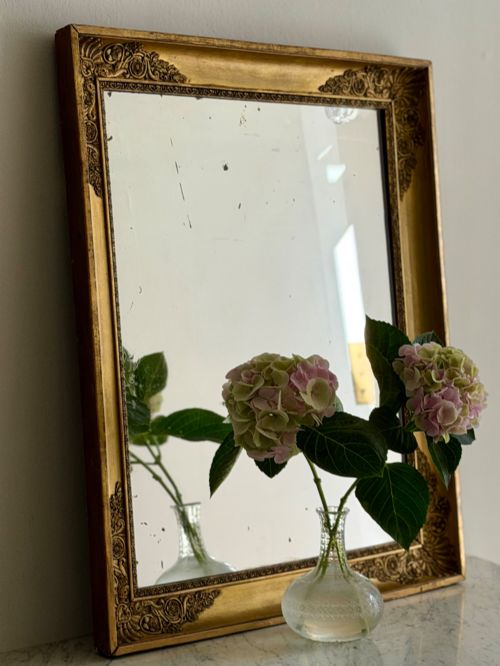
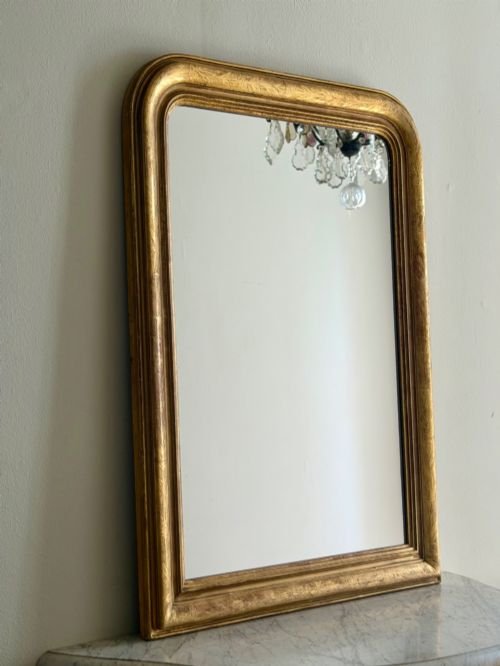
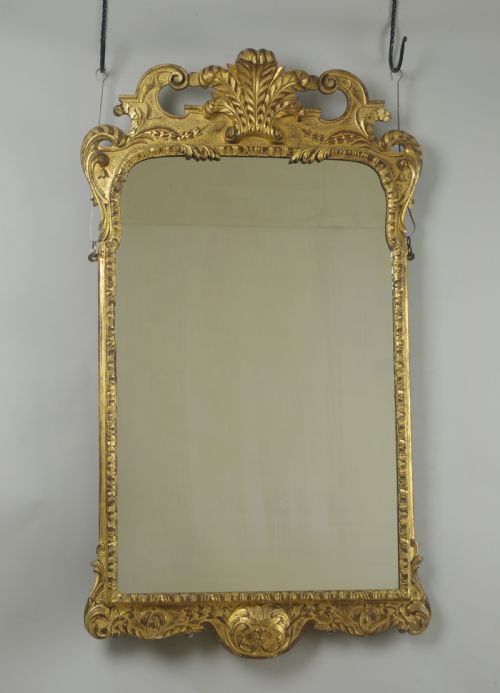
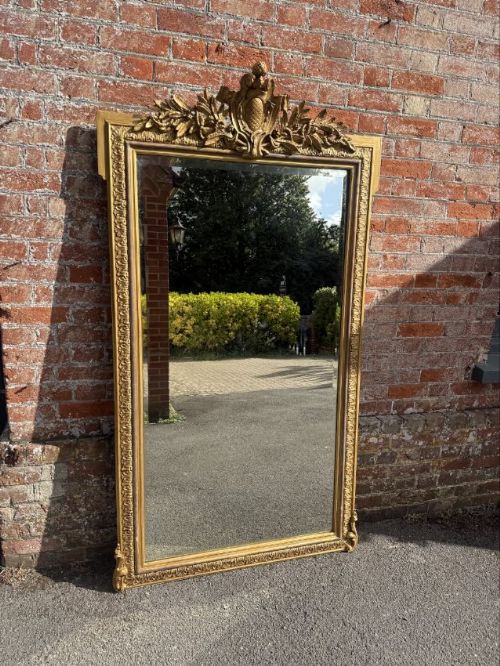
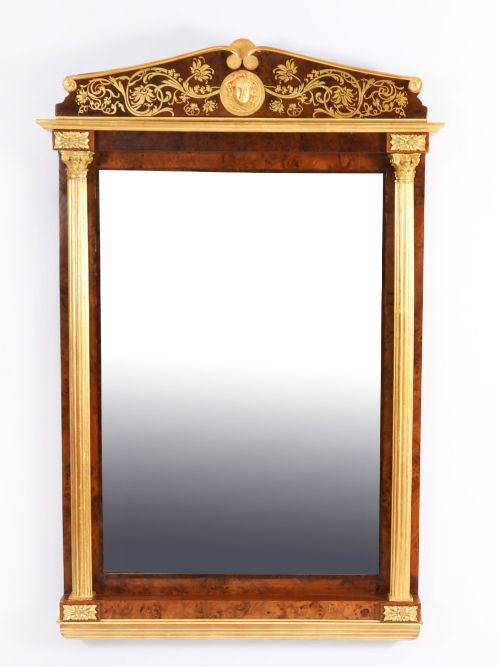
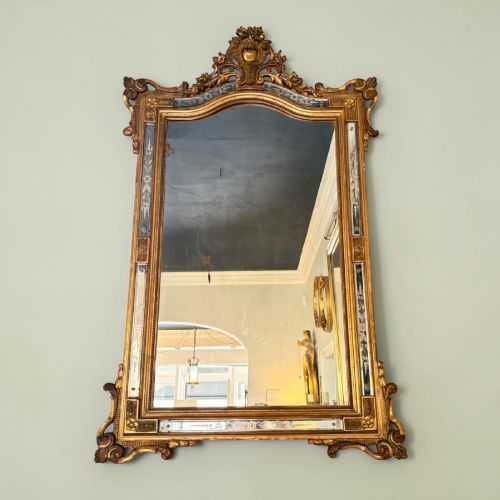
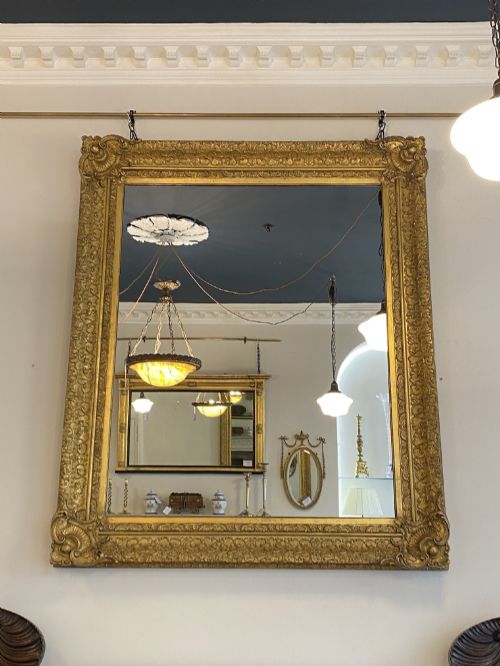
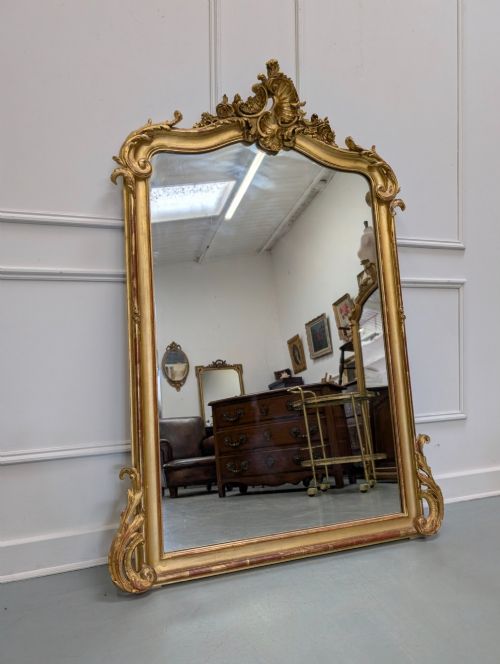
19th Century French Overmantel
A 19th century french overmantel brings grand scale and reflective light to a room, designed specifically to sit above a fireplace.
19th Century French Overmantel
A 19th century french overmantel is a large decorative mirror designed to sit above a mantelpiece, bringing height and reflected light into a room. These pieces originate primarily from the nineteenth century, encompassing distinct periods such as eighteen eighty, eighteen seventy, eighteen sixty, eighteen ninety, eighteen hundred, and nineteen ten.
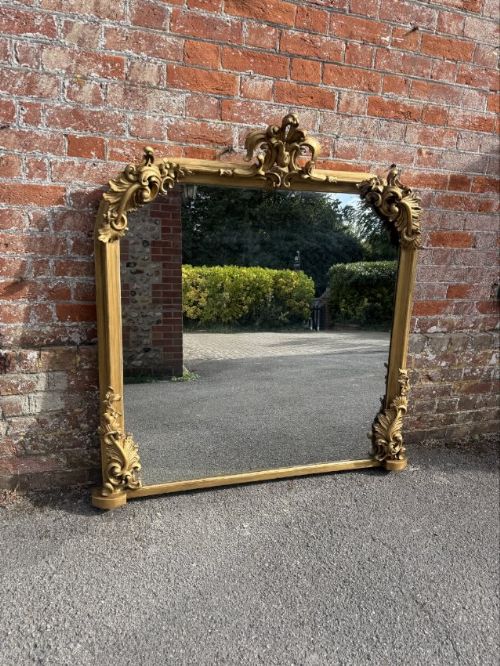
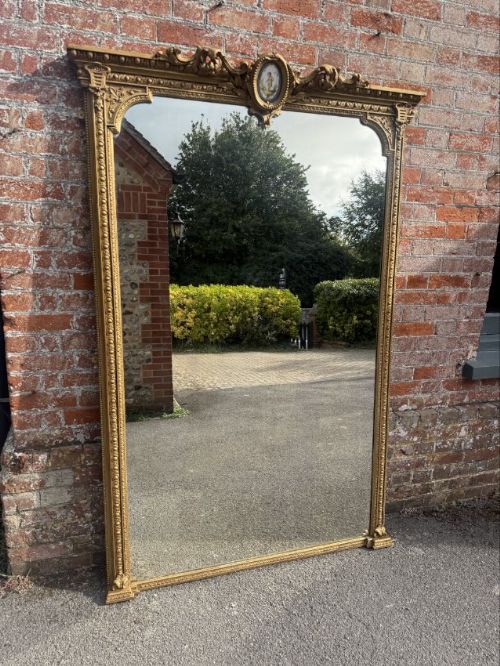
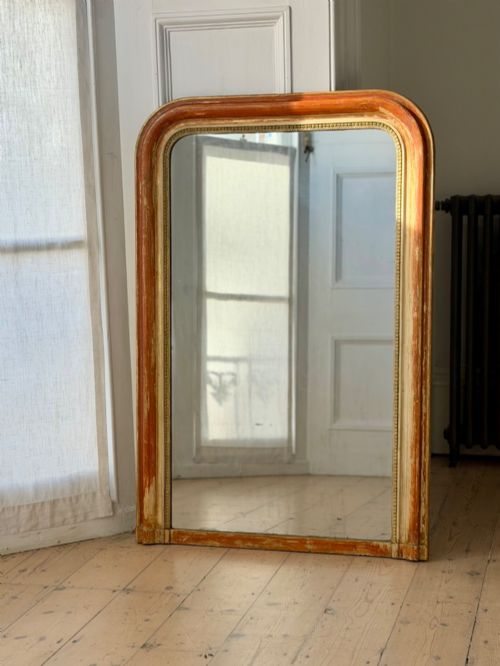
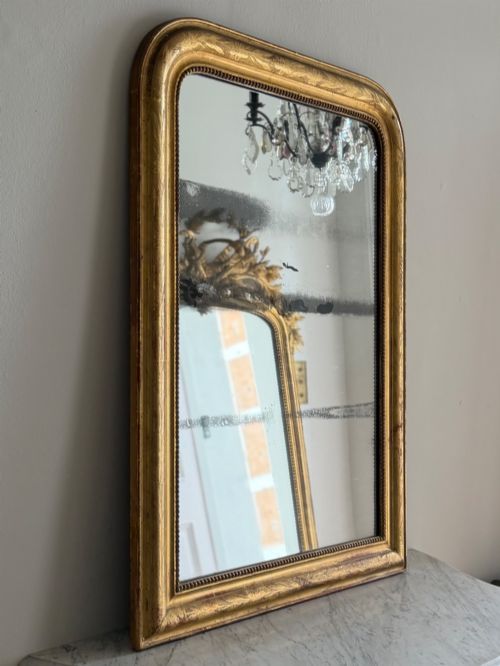
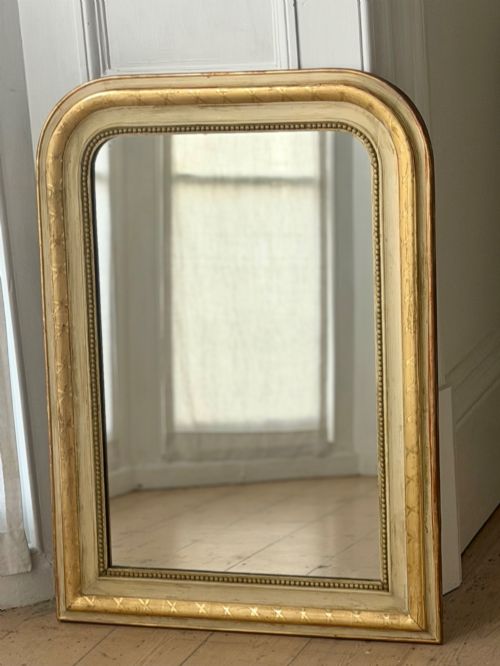
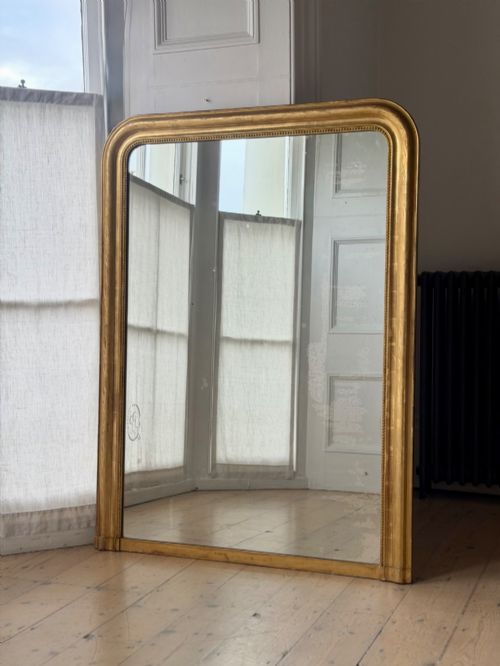
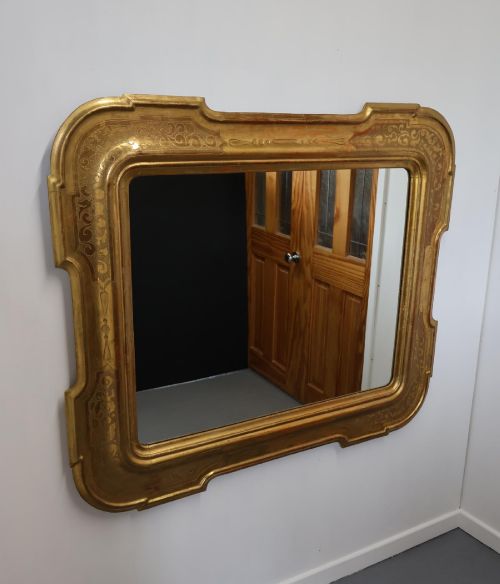
The dominant style encountered among these items is the Louis Philippe form, alongside French Rococo Revival and Victorian interpretations. They appear as wall mirrors, overmantel mirrors, and leaner mirrors, often built to monumental proportions to command the wall space of a formal interior.
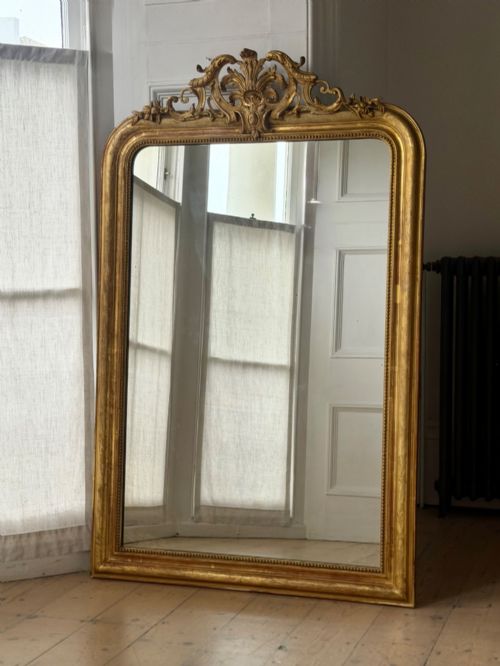
Makers and artisans produced these large mirrors using traditional framing techniques, frequently incorporating architectural elements, arched tops, and ornate crests. The physical presence of a 19th century french overmantel alters the proportions of a fireplace wall, acting as a definitive focal point in the space.
How they were made
Frames for a 19th century french overmantel were constructed from carved wood, oak, or burr walnut, providing a sturdy structural foundation. Artisans applied gesso and composition mouldings over the wooden base to create elaborate relief ornamentation and scrolls.
Surfaces received finishes of giltwood, gold leaf, silver gilt, or simple gilded wood, creating a reflective metallic sheen. The glass panels themselves frequently utilised mercury glass, sometimes displaying heavy foxing, alongside standard mirror glass and etched glass variants.
Some nineteenth-century mirrors spent generations watching dinner parties unfold while quietly growing lovely speckled foxing on their glass.
What varies in quality
The standard of a 19th century french overmantel rests on the depth and crispness of the hand-carved wood details compared to moulded composition ornament. Superior examples display finely articulated foliage, clean joinery, and substantial timber frames that support monumental glass without warping.
The preservation of the original gilding and the character of the mirror plate dictate the tier of the piece. Authentic mercury glass with natural foxing and undisturbed gold leaf command greater appreciation than later replacements.
The 19th Century French Overmantel Glossary
- Overmantel
- A mirror or painting specifically designed to be hung or placed upon the mantelpiece above a fireplace.
- Louis Philippe
- A mid-nineteenth-century French style characterised by simple clean lines, rounded upper corners, and restrained ornamentation.
- Gesso
- A plaster mixture applied to wood frames as a smooth base for gilding and relief moulding.
- Mercury glass
- A double-walled glass blown in the nineteenth century with a silvering mixture inserted between the layers, creating a mottled reflective surface.
- Foxing
- The age-induced brown spots and speckles that develop within the silvering of antique mirror glass.
- Giltwood
- Timber that has been coated with a thin layer of gold leaf or gold paint.
19th Century French Overmantel: Frequently Asked Questions
Where should an overmantel mirror hang?
An overmantel mirror is traditionally mounted directly onto the wall above a fireplace mantel, anchoring the decorative scheme of the room.
Alternatively, large examples function effectively as leaner mirrors, standing upright on the floor against a blank wall to maximise reflected light.
What is Louis Philippe style?
The Louis Philippe style emerged in nineteenth-century France, favouring understated elegance over excessive ornamentation.
Pieces from this design tradition typically feature gentle curved top corners and simple moulded frames.
How do I identify mercury glass?
Mercury glass displays a deep, warm reflection rather than the stark clarity of modern mirrors.
Examining the glass reveals characteristic foxing spots and minor imperfections formed over the decades.
Can these mirrors stand on the floor?
Large overmantel mirrors are frequently utilised as leaner mirrors, resting securely against the floor and wall without wall fixings.
This placement option highlights their substantial height and frame craftsmanship.