

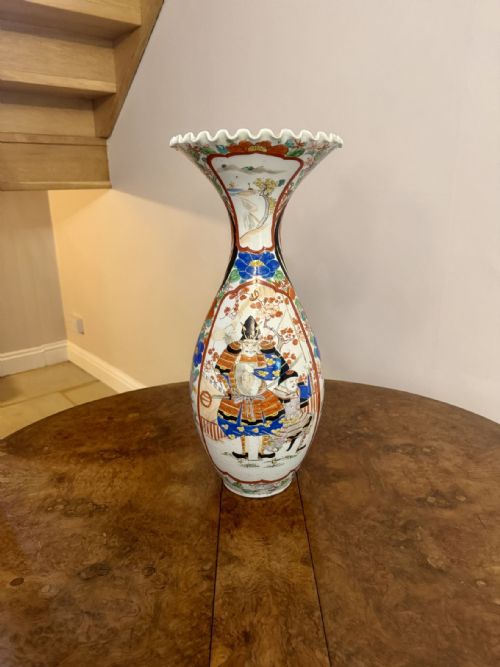
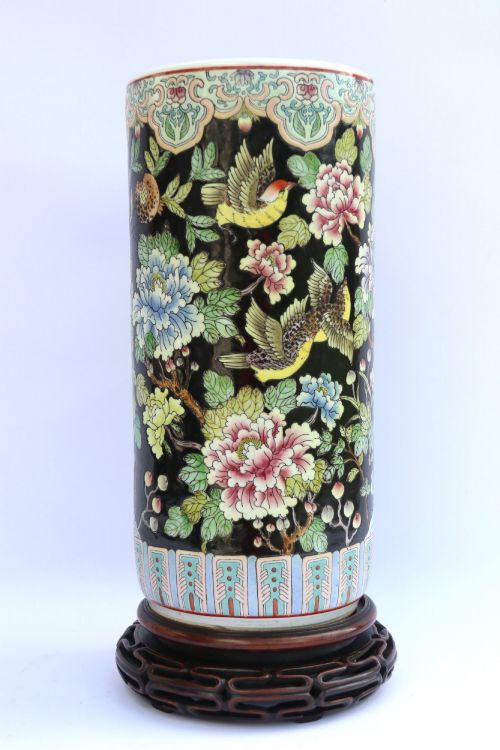

Large Oriental Ceramic Vase
A large oriental ceramic vase carries decades of intricate glaze work and scale, commanding a room as both vessel and centrepiece.
Large Oriental Ceramic Vase
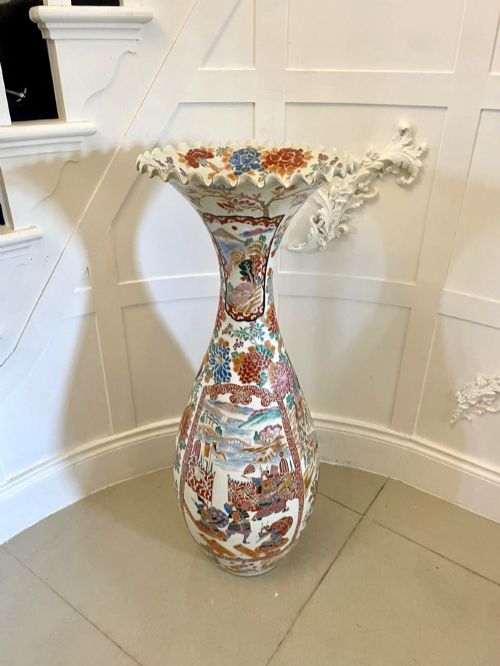
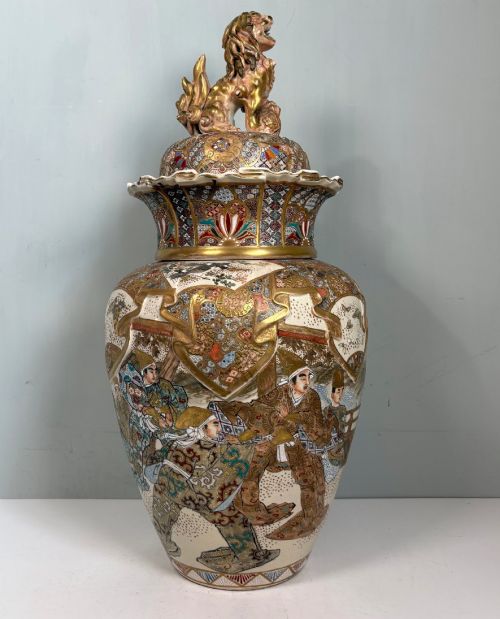
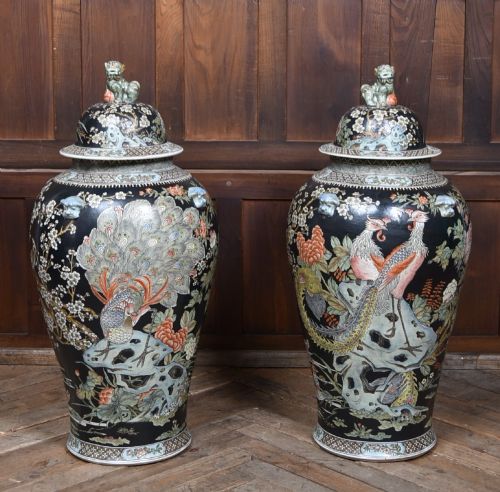
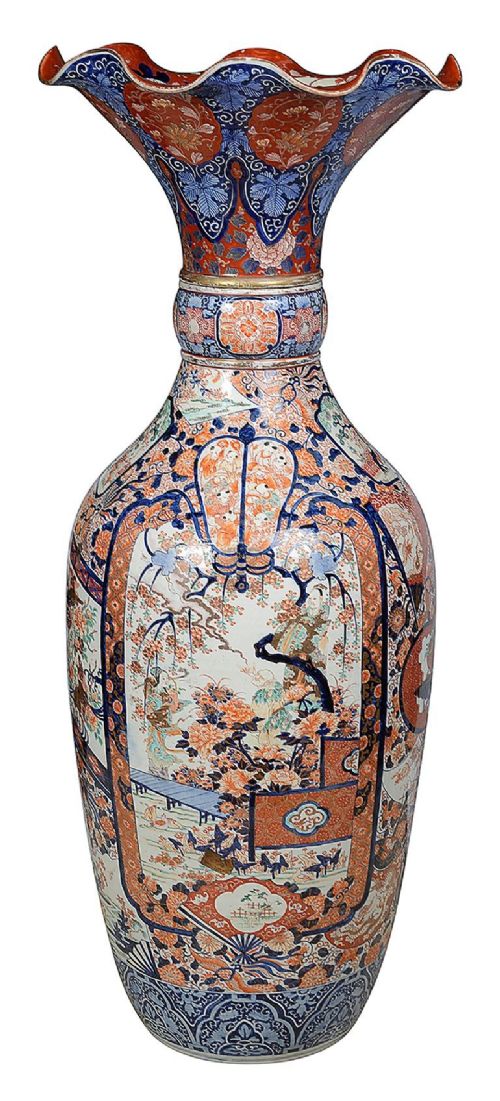
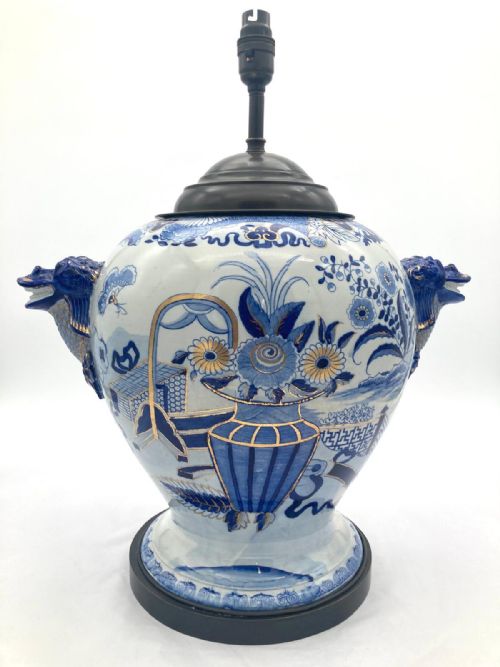
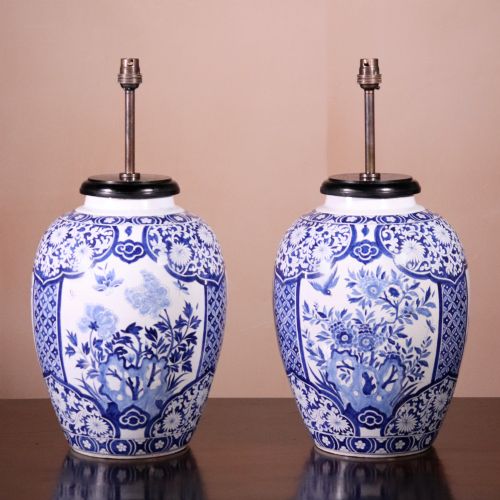
A large oriental ceramic vase encompasses substantial porcelain and earthenware vessels originating from East Asian traditions, predominantly dating from the nineteenth and early twentieth centuries. These impressive items take various forms on this page, including towering floor-standing jars, lidded urns, and monumental double-gourd centrepieces.
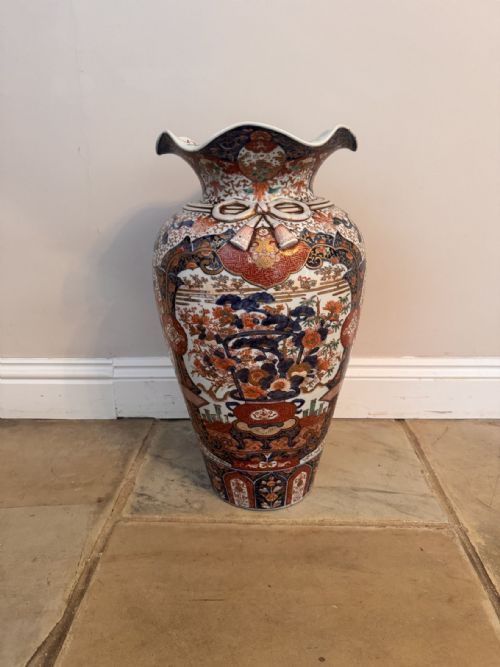
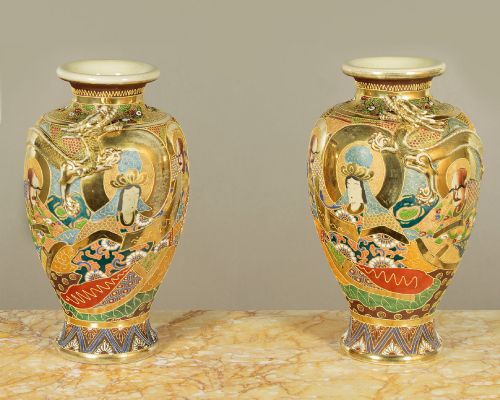
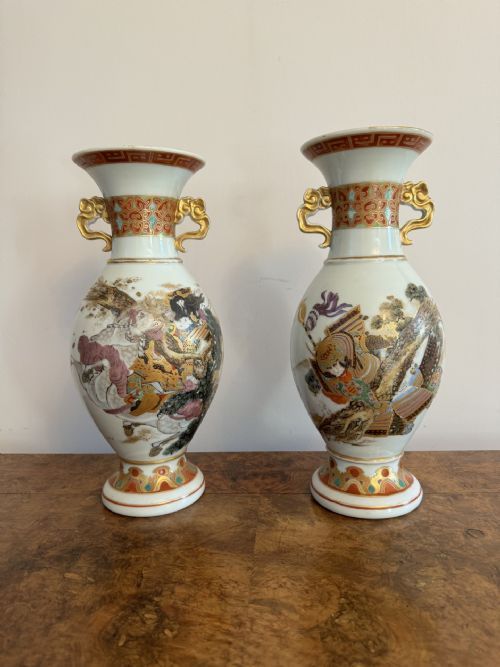
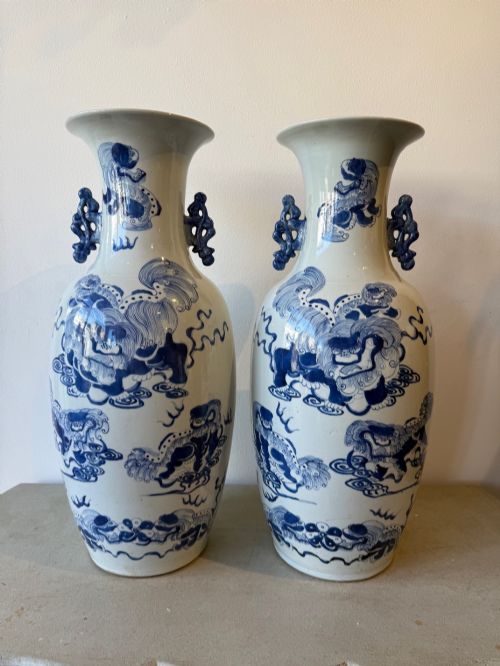
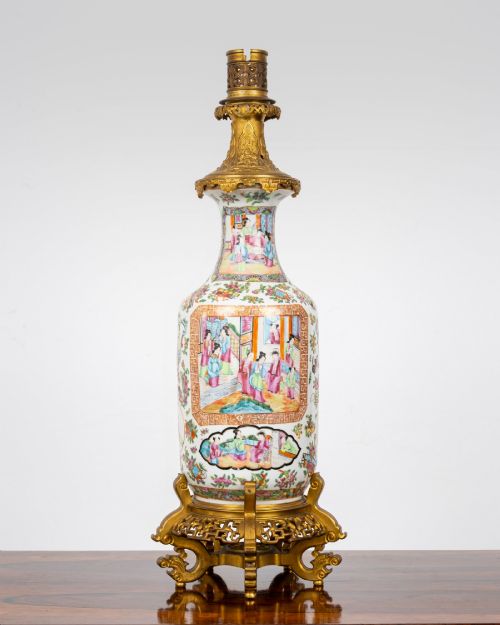
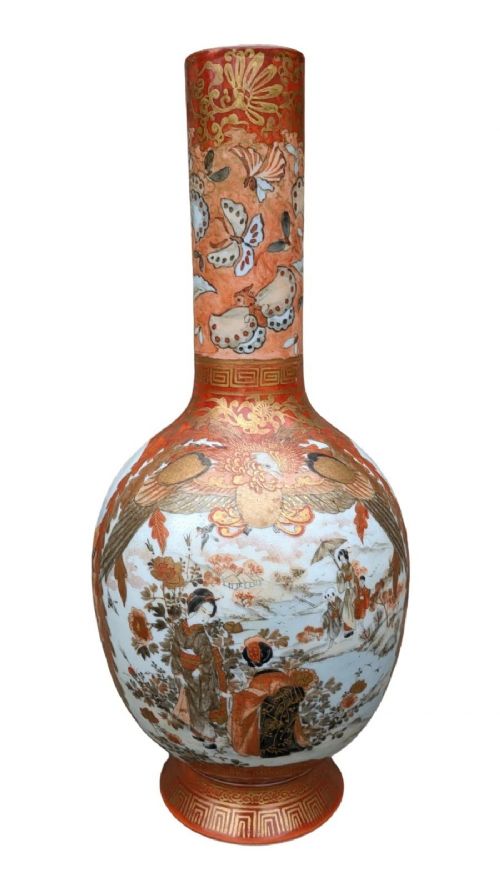
Buyers encountering this search phrase find both Chinese and Japanese creations, featuring distinct regional aesthetics such as blue and white painting, Imari palettes, and dense Satsuma enamelling. Many of these grand pieces served decorative purposes in stately interiors, while others have been adapted into table lamps or fitted with gilt bronze mounts.
The material presence of these vessels ranges from delicate cracked glazes to heavy ironstone and robust porcelain bodies, often accompanied by original hardwood stands. Whether shaped as a moon flask, a bottle vase, or an imposing floor vase, each example displays the ambition of its maker through grand proportions.
Distinctions in craftsmanship and execution
Quality reveals itself through the crispness of the hand-painted brushwork, the depth and brilliance of the enamel colours, and the purity of the porcelain body. Finer examples exhibit confident, fluid lines in complex motifs such as dragons, arhats, and floral scrolls, executed by skilled studio artists rather than workshop assistants.
The architectural balance of the vessel and the successful firing of massive forms without structural distortion separate masterworks from standard production pieces. Superior creations often retain original supporting elements like matched porcelain stands or period bronze mounts, preserving the integrity of the ensemble.
One recorded Meiji period vase depicts one thousand painted arhats alongside a writhing dragon, offering an extraordinary level of miniature detail.
Hicks and Meigh·Hotoda·Makuzu Kozan·Kato Sanhei
The Large Oriental Ceramic Vase Glossary
- Imari
- A style of Japanese porcelain decorated in underglaze blue, iron red, and gold, named after the port from which these wares were shipped. This palette developed during the Edo period and remained popular for export markets.
- Satsuma
- Earthenware pottery originating from Satsuma province in Japan, characterised by a finely crackled ivory glaze decorated with polychrome enamels and gilt. These pieces frequently depict dense figurative scenes and historical narratives.
- Famille Rose
- A major palette of Chinese ceramic glazes introduced in the Qing dynasty, distinguished by an opaque pink or rose enamel derived from colloidal gold. This palette allowed for subtle tonal gradations in floral and human subjects.
- Celadon
- A term for ceramics denoting a pale green jade-like glaze, achieved by firing small amounts of iron oxide in a reduction kiln. This ancient glaze technique emphasises the smooth sculptural contours of the underlying vessel.
- Double-Gourd
- A traditional bottle form consisting of a smaller bulb stacked atop a larger lower bulb, symbolizing prosperity and auspicious fortune in Chinese culture. This symmetrical shape requires expert throwing to maintain balance across both sections.
Large Oriental Ceramic Vase: Frequently Asked Questions
Where should I place a floor vase?
These tall vessels command open floor space, corners, or entrance halls where their scale can be appreciated without obstruction. They anchor a room effectively when positioned away from heavy foot traffic.
Ensure the placement protects the ceramic body from accidental impacts while allowing natural light to catch the glazed surfaces and gilt highlights.
Can converted lamp fittings be removed?
Many large vessels were fitted for electricity during the twentieth century, often utilising brass mounts secured through drilled or existing apertures. Reversing these alterations depends entirely on how the original ceramic body was modified.
Professional conservators can assess the mounting hardware to determine whether the lamp components can be safely detached without compromising the vessel.
What does a cracked glaze mean?
A crackled glaze, or crazing, is an intentional decorative effect where network fine lines form in the vitreous layer during cooling. This technique highlights the age and regional style of Chinese and Japanese ceramics.
It differs structurally from damage fractures, as the crackle pattern remains sealed beneath a smooth, stable surface.