
Large Oil on Canvas
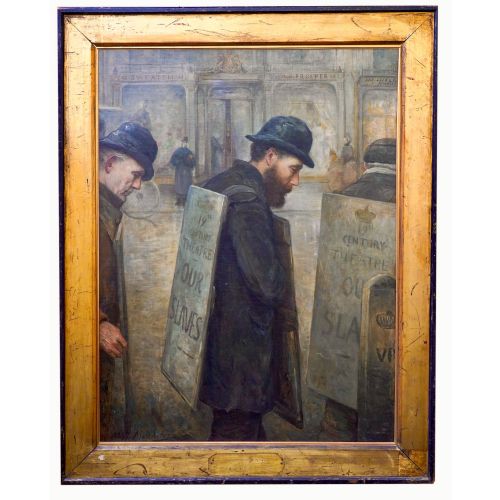
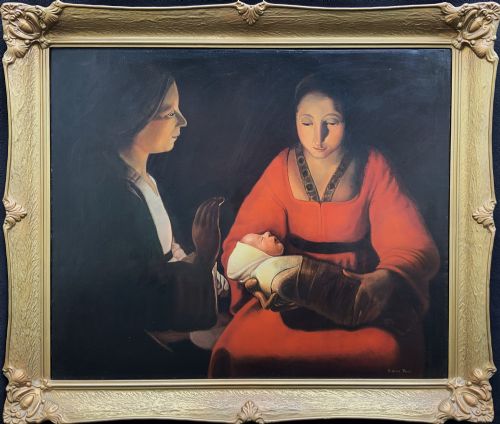
These large oil on canvas works bring scale, presence and rich historical narratives directly to a room.
Large Oil on Canvas
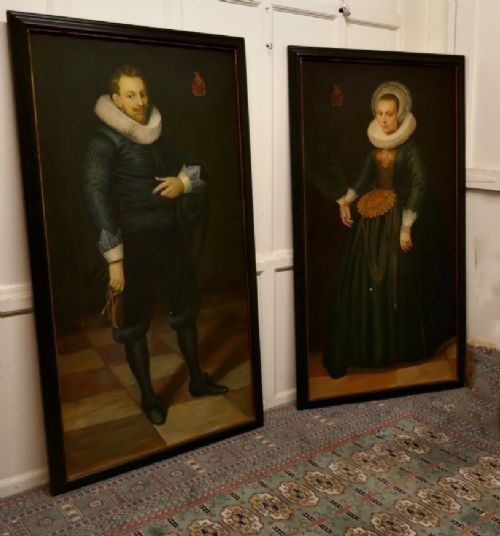
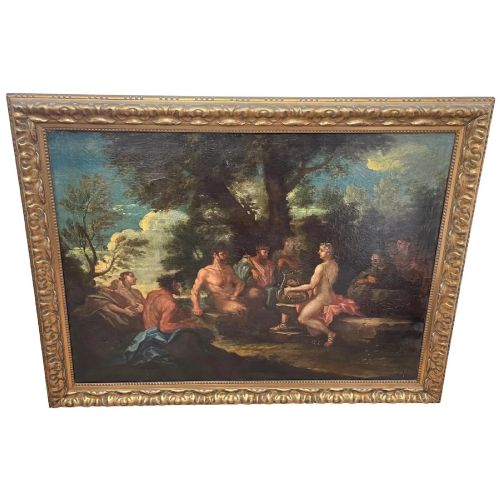
A large oil on canvas piece spans substantial wall space, bringing commanding presence to a room through traditional fine art. These works include sweeping landscapes, maritime views, mythological scenes and formal portraiture created across multiple centuries.
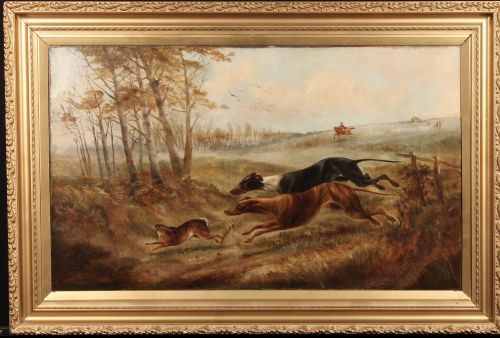
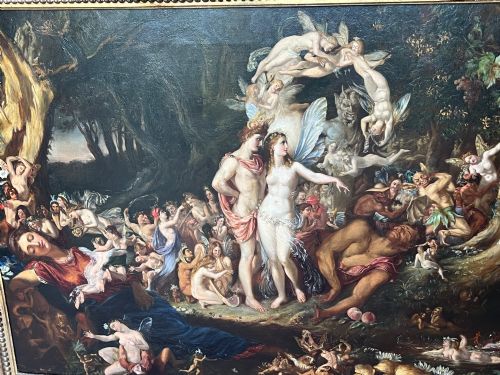
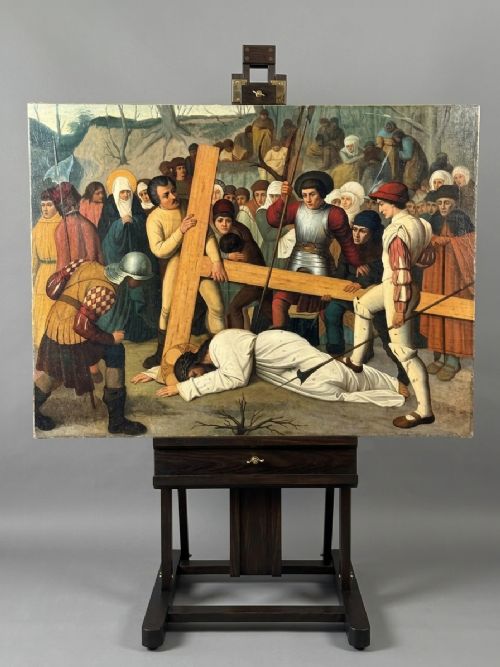
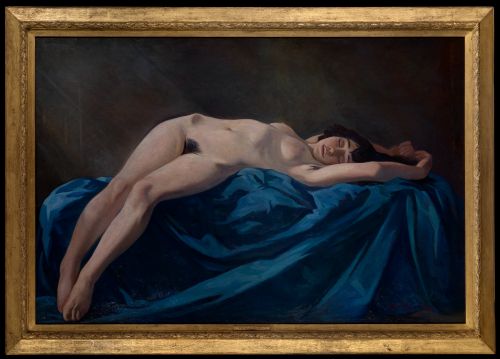
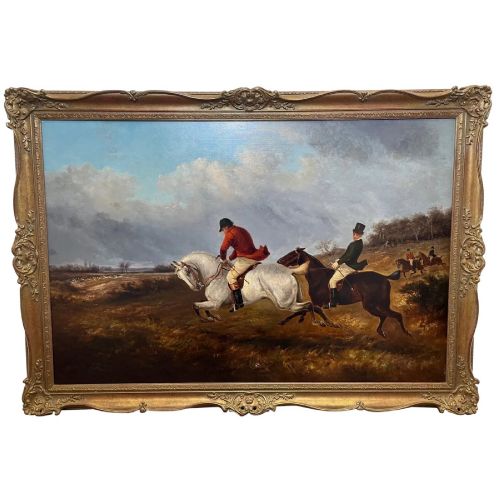
The selections encountered here range from 17th-century devotional compositions and 18th-century portraits to 19th-century genre paintings, Victorian sporting scenes and mid-century impressionist cityscapes. Both British and continental schools are widely represented across these formats.
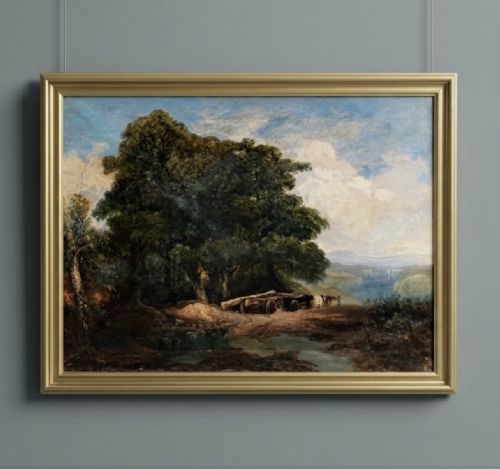
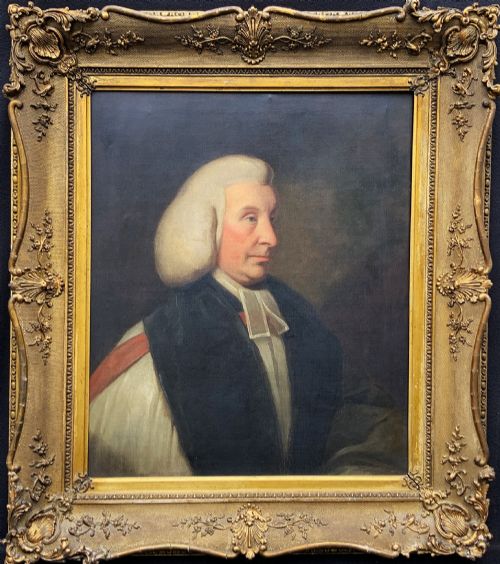
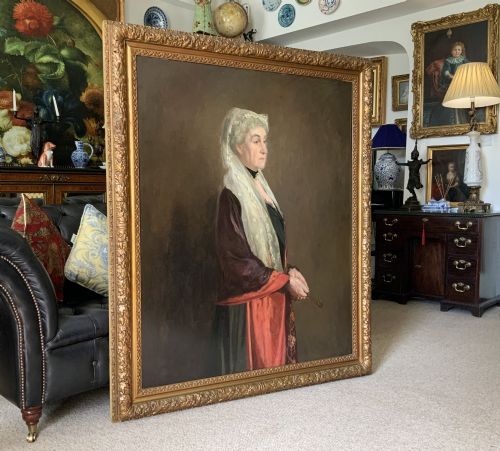
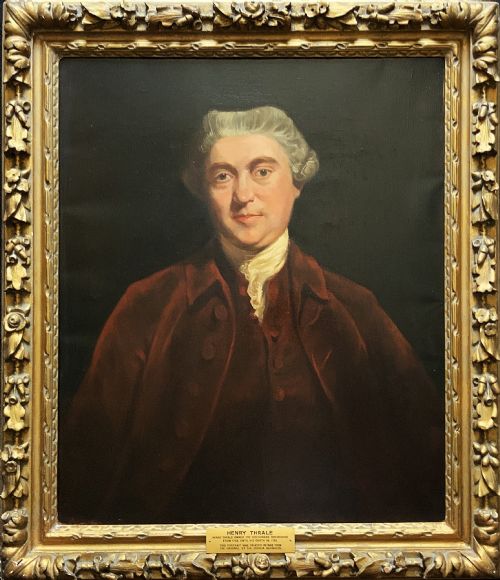
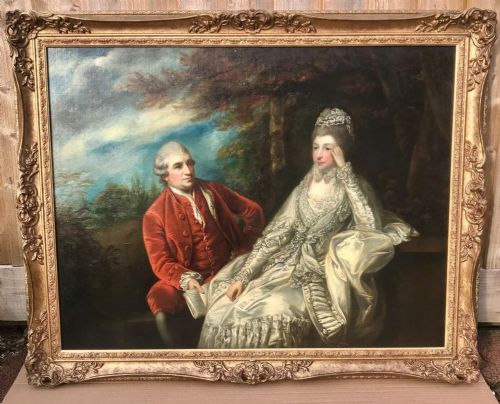
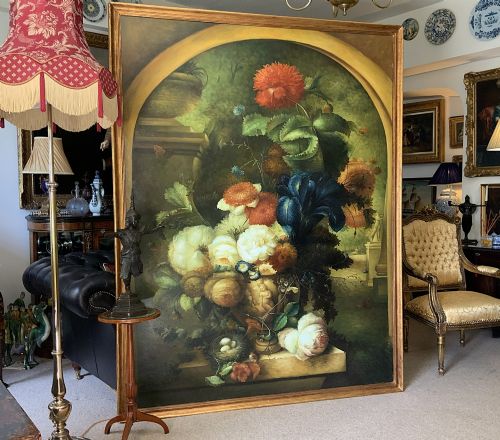
Buyers will frequently discover monumental portraits, robust floral still lifes and expansive pastoral views framed in original giltwood or simple wooden mouldings. These substantial paintings anchor an interior scheme and carry deep historical provenance.
How They Were Made
Artists built these compositions upon woven textile foundations using pigment bound in drying oils, allowing for rich colour blending and slow, deliberate layering. Wood stretchers provided structural tension for the fabric, while decorative frames in giltwood or carved timber completed the presentation.
The painting technique involved laying down preparatory grounds before applying translucent glazes and opaque impasto to achieve depth and texture. Guild framing methods utilised gesso and gold leaf to produce ornate borders that complemented the visual weight of the canvas.
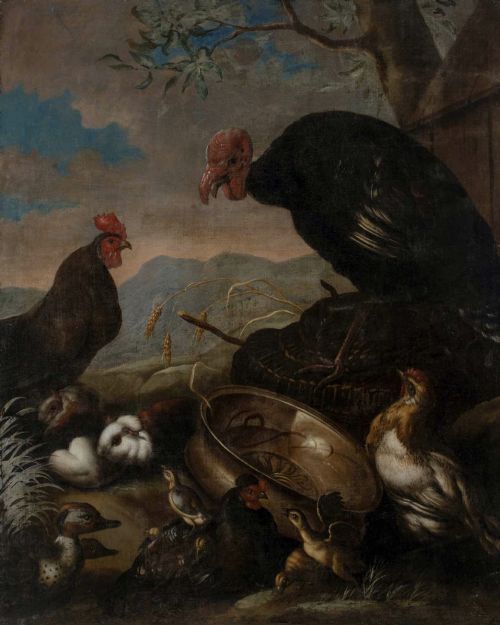
Several canvases feature unexpected companions, including peafowl wandering through country gardens and hunting dogs sharing the frame.
What Varies in Quality
Mastery of anatomy, perspective and light handling distinguishes the highest tier of historical painting from standard workshop production. Superior brushwork displays confident execution and subtle tonal gradation, whereas lesser examples show stiffness in figures and flat backgrounds.
The integrity of the original canvas, stability of the pigment layer and authenticity of the period frame heavily influence the standing of a piece. Works retaining their initial stretchers and unlined supports command greater appreciation among serious collectors.
Richard Sebastian Bond·Felix Stone Moscheles·Georges de La Tour·Cornelis Van Der Voort·Angelo Maria Crivelli·Sir Joshua Reynolds·Eric Robertson·Thomas Smythe·W.R. Waters·Konstantin Stoitzner·John Opie·Harold Knight·Erich Mercker·Robert Cleminson·William Mellor·William Calcott Knell·Robert Gallon·Michele Gordigiani·Giuseppe Palanti
The Large Oil on Canvas Glossary
- Impasto
- Paint applied thickly to a canvas, standing in relief and showing visible brush or palette knife marks. This technique adds tactile dimension and captures light dynamically across the surface.
- Giltwood
- Timber carved and coated with a thin layer of gold leaf or metallic powder. It provides a luminous, reflective border that enhances the colours within the painting.
- Provenance
- The documented history of ownership, exhibition and origin of an artwork. A clear chain of custody verifies authenticity and adds historical context.
- Genre painting
- Artistic depiction of scenes from everyday life, involving ordinary people engaged in common activities. These works offer social insight into past eras.
- Relining
- A conservation process where a deteriorated original canvas is attached to a fresh support fabric for structural reinforcement. This preserves fragile works against sagging and tearing.
Large Oil on Canvas: Frequently Asked Questions
How do I hang a heavy oil painting safely?
Heavy canvas works require secure wall fixings directly into studs or masonry using rated picture hooks and steel wire. Professional installation ensures the weight is distributed properly without straining the frame.
Position the centre of the canvas at eye level to achieve the best visual balance within your room. Keep large works away from direct heat sources and strong sunlight to protect the pigments.
How should I clean a vintage oil canvas?
Dust the surface gently with a soft, dry brush or feather duster to prevent particulate buildup on the paint layer. Avoid using water, household cleaners or chemical solvents on the delicate surface.
Professional conservators should handle deep cleaning or varnish removal to avoid damaging the original oil layers. Regular dusting is sufficient for routine maintenance in a domestic setting.
How do I identify the period of a canvas?
Examine the weave of the textile, the type of stretcher frame and the composition style to determine the era of execution. Older works often feature hand-carved wooden stretchers and darkened varnishes that accumulate over centuries.
Signatures, inscriptions on the reverse, and exhibition labels also provide definitive clues regarding dating. Comparing the subject matter with known historical movements helps narrow down the decade.
Are these paintings supplied with their original frames?
Many listings retain their period frames, such as ornate giltwood borders or simple timber mouldings that match the age of the artwork. Original framing complements the aesthetic and historical context of the piece.
Some works have been reframed later in their lifespan to suit changing interior tastes or for protective purposes. Checking the listing details confirms whether the frame is period-correct.