


British Academic Oil Painting
A british academic oil painting carries the rigorous draftsmanship and formal portraiture of institutional training from past centuries.
British Academic Oil Painting
A british academic oil painting typically presents structured portraiture, historical genre scenes, and figural studies rooted in formal art school traditions. Buyers encountering these works will find pieces spanning from the eighteenth century through to the mid-twentieth century.
The selection ranges from Regency and Victorian romanticism to Edwardian academic realism and post-war realism. Subjects frequently include notable historical figures, seated figures, and studio interiors rendered with meticulous attention to form and likeness.
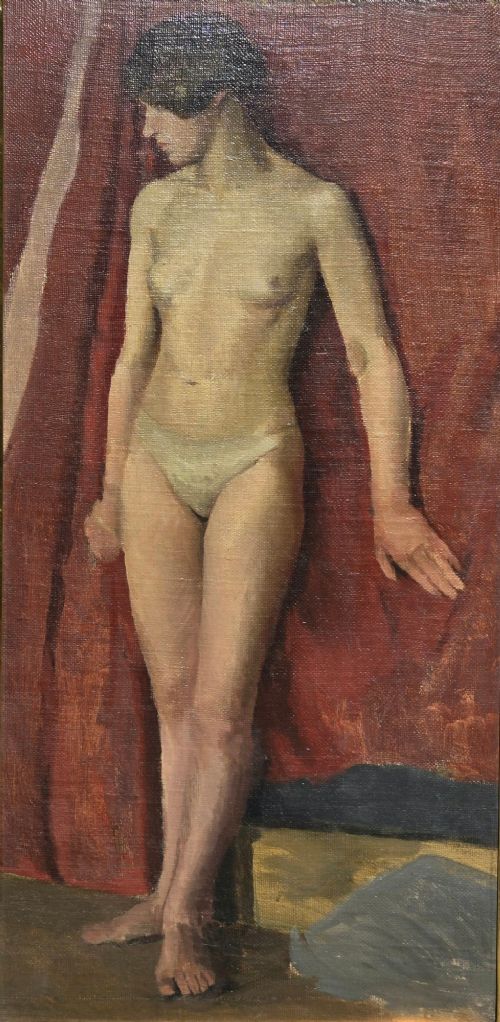
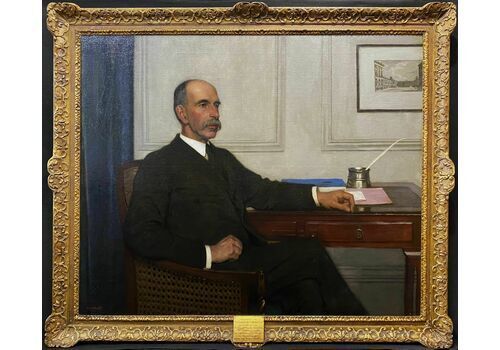
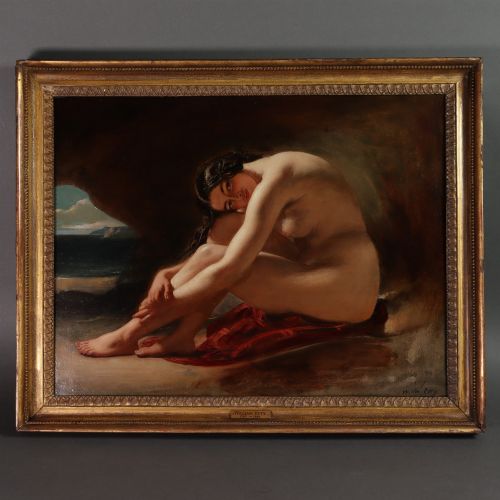
Institutional training is evident in the precise handling of the human figure, whether through a seated nude or a formal half-length portrait. Works originating from settings like the South Kensington Art School or the Royal Academy represent the core of this tradition.
Materials and technique
These works are executed primarily in oil paint applied to canvas, wood panels, or artist boards. The physical support is often housed within period gilt wood frames that complement the formal nature of the composition.
The technical approach relies on layered oil pigments to build depth in skin tones, drapery, and background interiors. Painters utilised traditional priming methods on canvas or panel to ensure long-term stability for detailed academic realism.
Several canvases capture artists pausing their models inside nineteenth-century studios, preserving the quiet dust of past academies.
Judging quality
Quality rests on the confidence of the brushwork and the precision of anatomical rendering within the composition. Masterful handling of light and shadow distinguishes works by established academicians from more routine student exercises.
The distinction between top-tier works and standard pieces depends on the psychological depth of the portraiture and the resolution of complex elements like hands, fabrics, and interior accessories.
Harold Knight RA·William Etty·Allan Douglas Davidson·Lance Calkin·Alfred Holst Tourrier·James Clark·William Robert Dickinson·George Hayter·Arthur Spooner·Henry William Pickersgill·Sir Samuel Luke Fildes RA·Rudolph Lehmann·Cowan Dobson·Frank Thomas Copnall·William Dring RA·Edward Penny·Adrian Bury·Frank Samuel Eastman
The British Academic Oil Painting Glossary
- Academic realisim
- A style of painting stemming from the standards and training of European art academies. It emphasises accurate anatomical drawing and smooth brushwork.
- Historical genre
- A category of painting depicting scenes from everyday life infused with historical or narrative significance. These compositions often include detailed period interiors and multiple figures.
- Oil on panel
- A painting technique where oil paint is applied directly to a flat wooden board rather than stretched canvas. This surface provides a rigid support favored in earlier academic practices.
- Gilt wood frame
- A wooden picture frame coated with a thin layer of gold leaf or gilt. These frames were customarily selected to match the formal tone of nineteenth-century portraiture.
British Academic Oil Painting: Frequently Asked Questions
What is a british academic oil painting?
These works are traditional paintings created by artists trained in formal institutions such as the Royal Academy or regional art schools. They prioritize anatomical accuracy, careful observation, and structured compositions.
The subjects usually encompass formal portraits of notable personages, historical narratives, and studio life. Each piece reflects the rigorous standards demanded of professional painters during the eighteenth, nineteenth, and early twentieth centuries.
How were these paintings displayed?
Academic paintings were traditionally created for institutional exhibition, public galleries, and grand domestic interiors. They served to commemorate prominent figures, intellectuals, and civic leaders.
Today, they suit traditional studies, libraries, and formal living spaces where their substantial gilt frames and historical subjects create a grounded, scholarly atmosphere.
How do I identify the period?
Dating relies on the stylistic markers of the sitter's clothing, the framing techniques, and the recorded dates of the artist. Victorian and Edwardian works often display distinct portrait conventions and framing profiles.
Inscriptions on the reverse of the canvas or panel, along with artist signatures and biographical records, help anchor the exact decade of production.
Who sat for these portraits?
The sitters include geologists, physicians, writers, editors, and military figures who shaped British society. These individuals were frequently painted to mark professional achievements or retirement from public life.
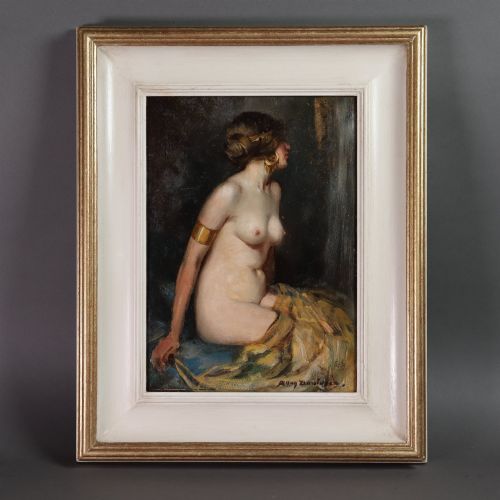
Alongside named historical personages, artists frequently painted anonymous studio models for figural studies and academic nudes.