


Antique Style Gentleman Artwork
When you search for antique style gentleman artwork, you find oil paintings, watercolours, and fine art portraits spanning multiple centuries.
Antique Style Gentleman Artwork
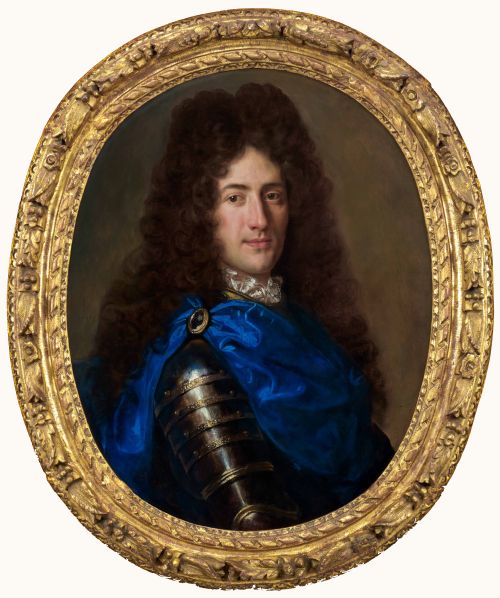
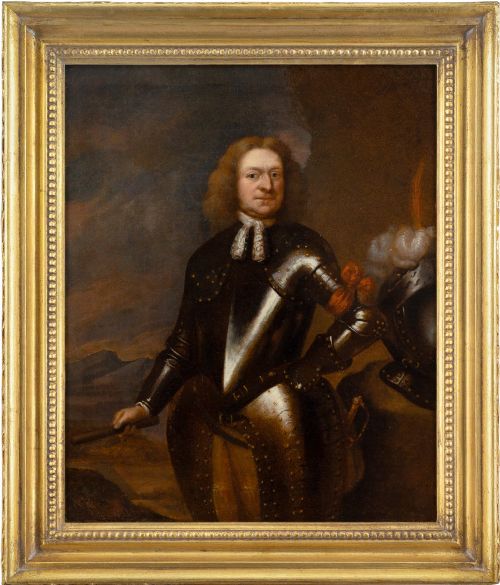
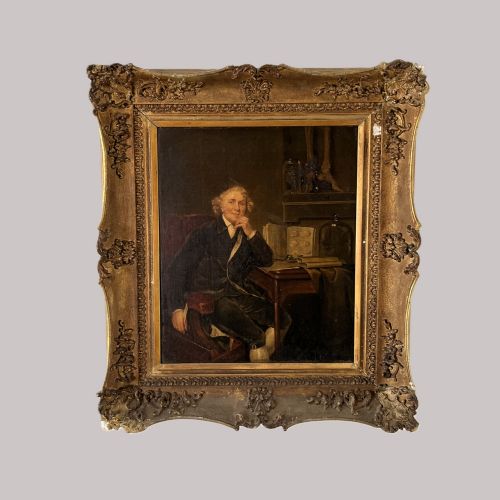
The antique style gentleman artwork category centres on historical portraiture, depicting male subjects from the seventeenth century onwards in oil paint and canvas. These works capture military figures, naval captains, aristocrats, and literary subjects across various British and European schools.
Buyers encounter oil paintings originating from the seventeenth, eighteenth, and nineteenth centuries, alongside later twentieth-century interpretations executed in earlier styles. Many pieces show subjects in elaborate attire such as ruffs, armour, or ceremonial robes.
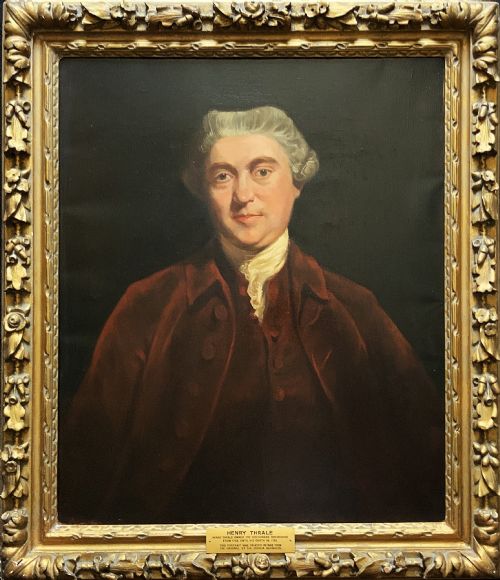
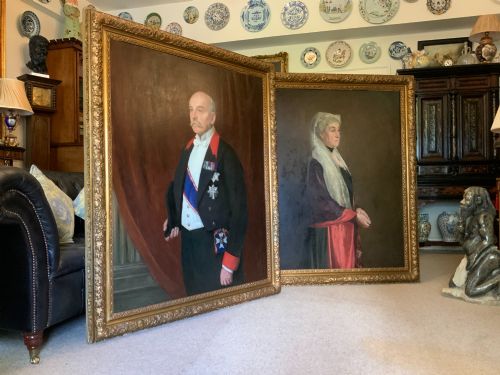
The selection includes original period works by named portraitists as well as later studies and copies after notable painters like Sir Joshua Reynolds and Hans Holbein. Wall art formats range from intimate watercolours to large oil paintings housed in giltwood frames.
Materials and construction
Canvas serves as the primary support for these oil paintings, stretched over wooden frames and layered with oil paint to build depth in clothing, skin tones, and background shadows. Some works utilise wooden panels or paper supports, particularly in watercolour or earlier panel paintings.
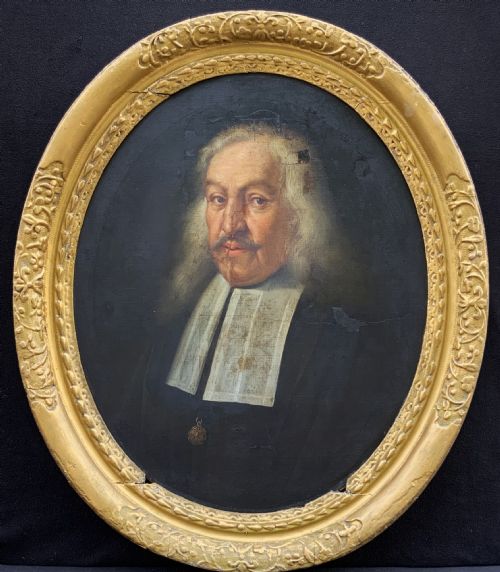
Frames play a structural and aesthetic role, with giltwood mouldings providing ornamental housing that often reflects the period of the artwork or subsequent nineteenth-century revivals.
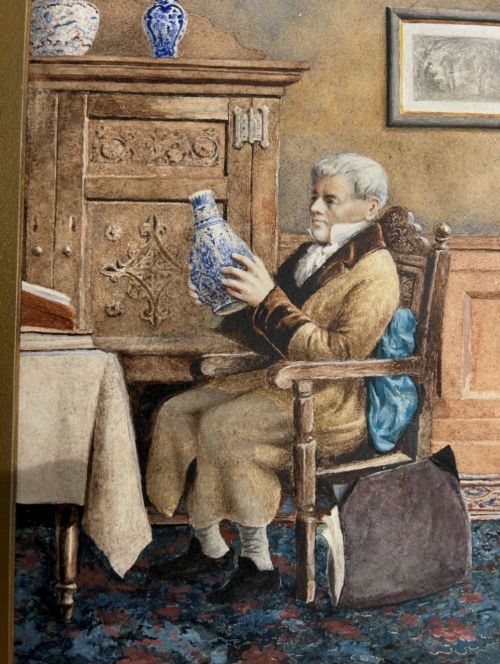
Subjects gaze out sternly in heavy armour while occasionally holding blue vases or soothing weeds.
Judging artistic merit and execution
Quality in these portraits rests upon the finesse of brushwork, particularly in the rendering of facial expressions, hands, and textile textures like lace, velvet, and armour. Stronger pieces demonstrate an understanding of light and shadow that gives the subject psychological presence.
The attribution to a recognised circle, school, or master elevates the standing of a canvas, while workshop participation or later copying introduces varying degrees of artistic competence.
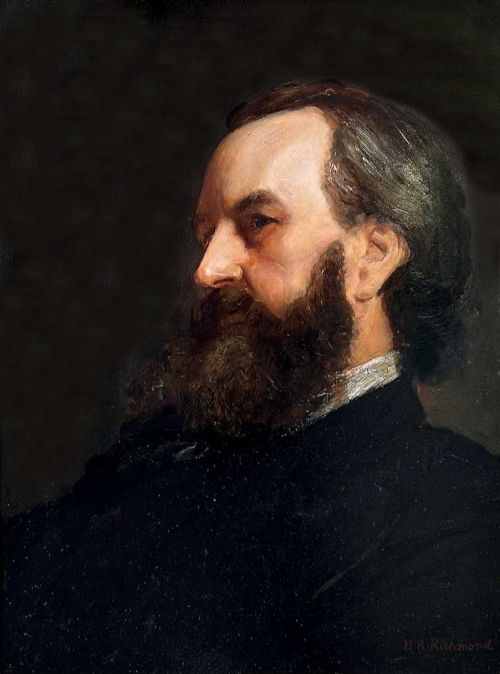
Sir Joshua Reynolds·Michael Dahl·John Opie·William Blake Richmond
The Antique Style Gentleman Artwork Glossary
- Old Master
- A term applied to European painters of high skill working before the nineteenth century, or to a painting by such an artist. These works often emerge from documented circles or schools of named masters.
- Circle of
- An attribution used when a painting shows the direct influence and style of a known master, likely created in their immediate studio environment. It denotes close association without confirming the master's own hand.
- Ruff
- A prominent pleated collar worn in European fashion during the sixteenth and seventeenth centuries. Its appearance in portraiture helps date the costume and subject.
- Giltwood
- Wood that has been coated with a thin layer of gold leaf or gilt powder, commonly utilised for ornate picture frames. The finish reflects period decorative trends.
Antique Style Gentleman Artwork: Frequently Asked Questions
How do I date a gentleman portrait?
Dating relies heavily on the clothing, hair styling, and framing methods visible in the artwork. Details such as armour, ruffs, or specific military uniforms provide precise chronological markers.
Secondary clues include the canvas type, stretcher construction, and any inscriptions or signatures recorded on the reverse of the painting.
What is an after-master painting?
An after-master painting is a later work created in homage to or as a study of a famous earlier portrait. Artists often copied celebrated images by painters like Sir Joshua Reynolds for study or decorative purposes.
These pieces capture the composition of the original while exhibiting the materials and pigments of the period in which the copy was made.
How should I hang oil portraits?
Oil paintings on canvas require stable wall environments away from direct sunlight and excessive humidity. Proper picture wire and wall fixings suited to the weight of the giltwood frame ensure secure placement.
Grouping several portraits together creates a traditional gallery wall effect that suits historical interiors.
What does attribution mean in art?
Attribution indicates the dealer or scholar's assessment of who created the work based on style, technique, and historical records. Terms like circle of or attributed to clarify the connection to a known artist.
This provides context on the workshop practices and artistic environment surrounding the creation of the piece.