
Large Oak Country Table
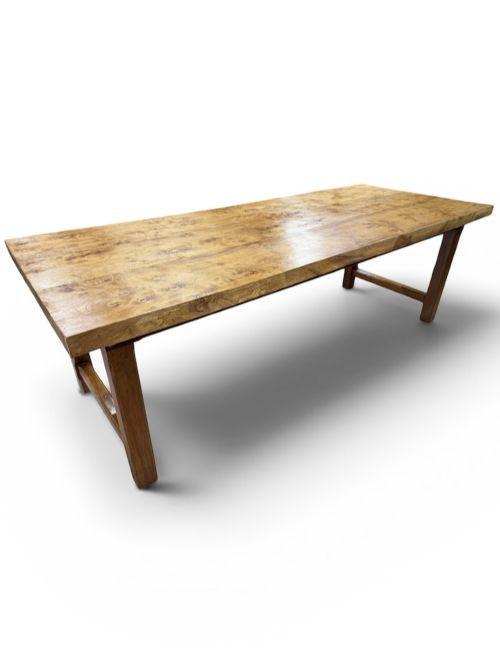
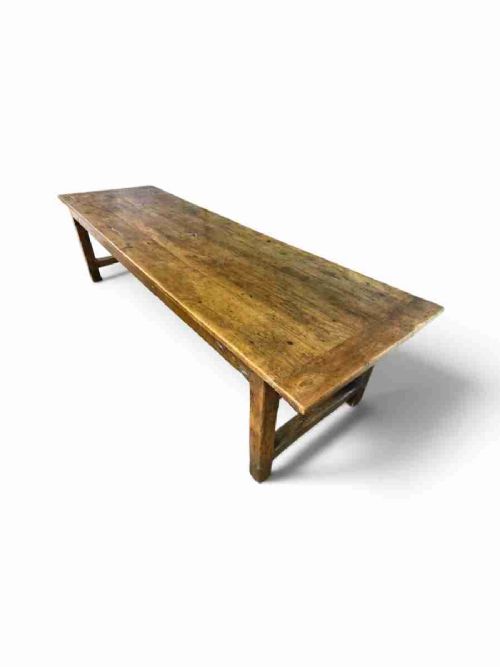
A large oak country table brings warmth and substance to a room, offering the generous proportions needed for gathering family and friends.
Large Oak Country Table
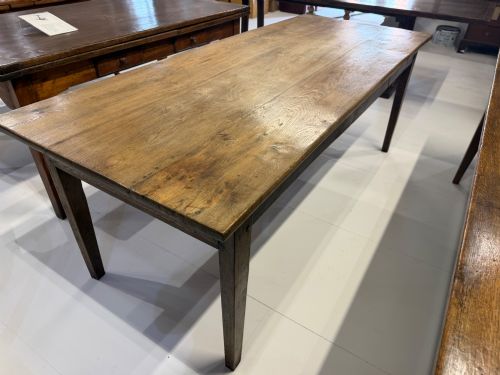
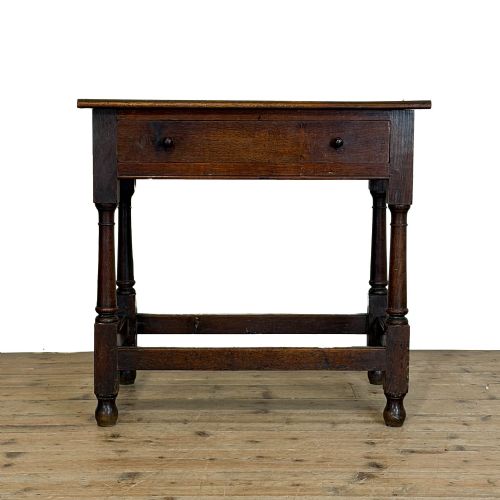
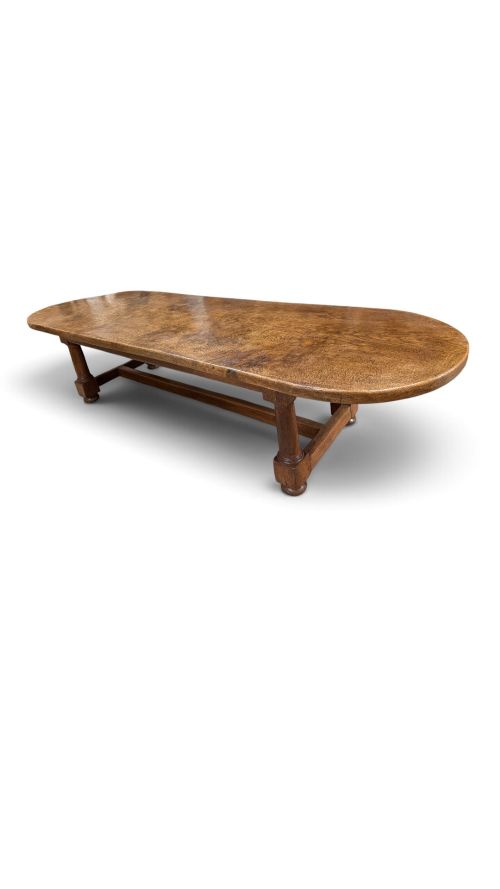
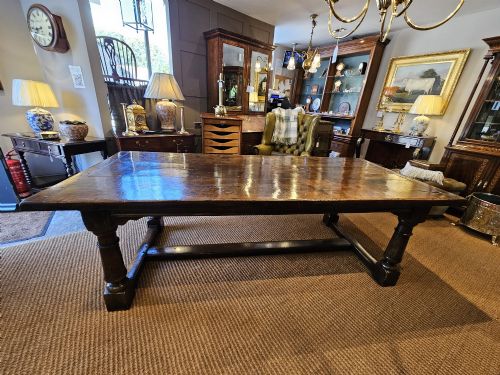
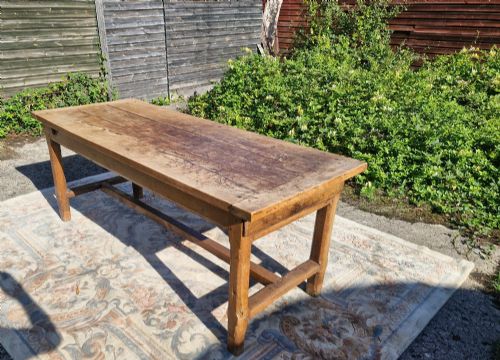
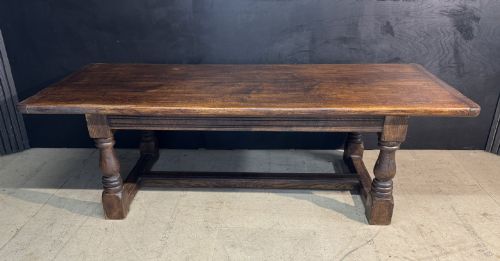
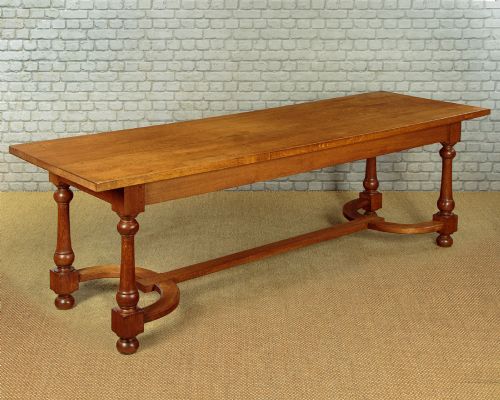
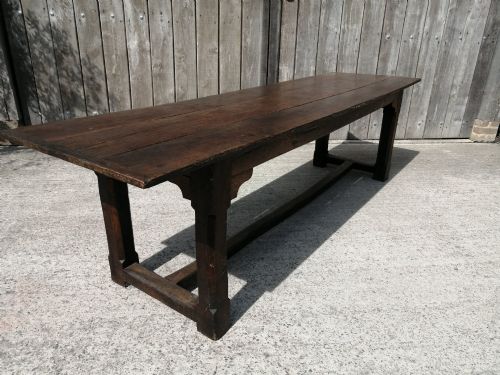
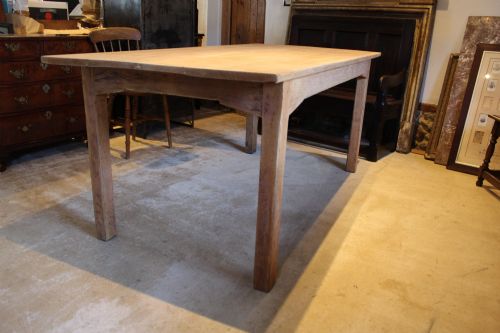
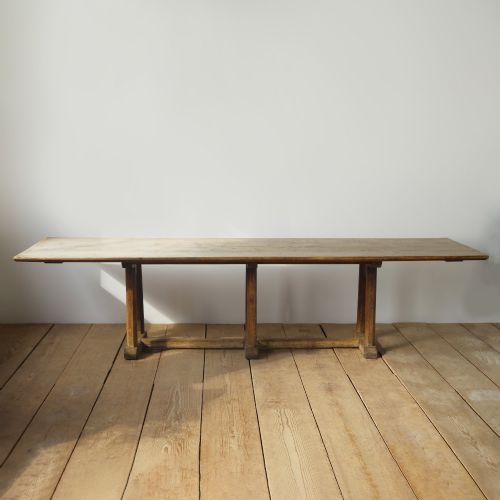
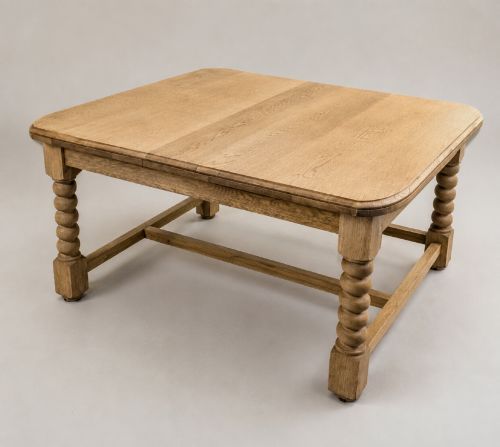
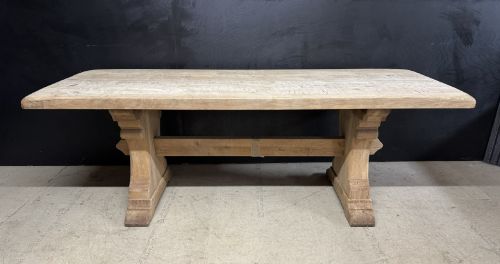
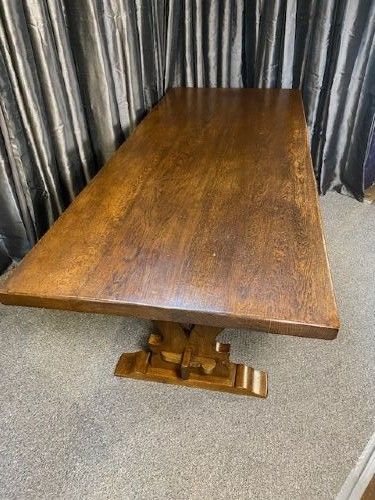
A large oak country table is a robust piece designed for heavy daily use, historically serving the needs of farmhouses, estates and kitchens. The versions most commonly encountered on this page span the seventeenth to the twentieth centuries, taking the form of refectory tables, gateleg tables and long farmhouse dining tables.
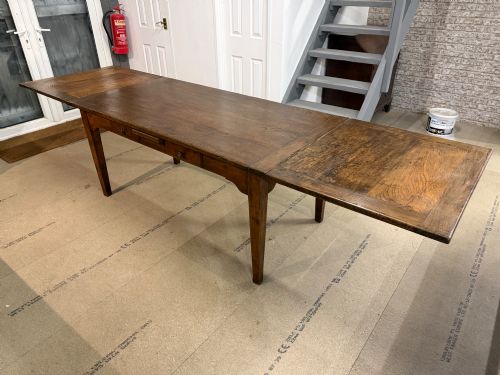
These tables typically feature substantial timber constructions, often built to seat eight, ten or more people for dining or estate work. Alongside classic refectory formats, buyers will find variations including drop-leaf designs, harvest tables and side servers originating from English, French, and Scottish traditions.
The aesthetic leans towards rustic farmhouse, French provincial and Georgian styles, reflecting the practical domestic architecture of their periods. Whether dating from the eighteenth century or the Jacobean Revival of the early twentieth century, each piece carries the distinct character of heavy wooden furniture built to endure.
How they were made
Makers relied primarily on solid oak, frequently paired with secondary woods such as elm, beech or pine for structural framing and secondary surfaces. Tops were often fashioned from thick single planks or twin planks of timber, joined carefully to withstand the movement of unseasoned wood over generations.
Construction techniques utilised pegged joints, sturdy stretcher bases and heavy turned or square legs to support the considerable weight of the top. Joinery was straightforward and utilitarian, designed for strength rather than delicate ornament, though occasional examples feature carved details or drawer enclosures.
Listings feature oak alongside elm, pine and beech across periods ranging from the seventeenth century through the 1930s.
What varies in quality
Quality in a large oak country table is defined by the selection of the primary timber and the integrity of the original construction. Tables featuring single-plank oak or elm tops command attention for their visual continuity and the maturity of the wood.
The proportion of the base relative to the top separates standard utility pieces from finer architectural examples. Original surface treatments, such as early wax finishes or untouched bleached patination, retain the historical character that collectors prize above later alterations.
The Large Oak Country Table Glossary
- Refectory table
- A long, narrow dining table traditionally used in monasteries and large halls, characterised by longitudinal stretchers running close to the floor. These tables form a substantial portion of the available oak inventory.
- Gateleg table
- A drop-leaf table with hinged flaps supported by swing-out legs that pivot like a gate. This design allowed tables to be folded down when not in active use.
- Plank top
- A table surface constructed from parallel boards joined lengthwise rather than veneered panels. Single-plank variations feature a single wide board across the entire width.
- Stretcher
- A horizontal wooden brace connecting the legs of a table to provide lateral stability. On country tables, these often show wear from the feet of diners over centuries.
- Pegged joinery
- A method of securing timber joints using wooden dowels or trunnels rather than metal nails. This traditional technique accommodates natural wood expansion.
Large Oak Country Table: Frequently Asked Questions
How do I seat eight people comfortably?
Look for refectory or farmhouse formats measuring at least seven to eight feet in length. These longer dimensions provide adequate leg clearance between the structural base supports.
Check the placement of the stretcher rails beneath the top to ensure diners can tuck their chairs in properly without obstruction.
Are these tables suitable for everyday dining?
These pieces were originally constructed for heavy daily domestic or agricultural labour, making them exceptionally durable for modern family life. Solid oak surfaces absorb daily wear gracefully and develop deeper patination over time.
Routine maintenance requires only gentle cleaning and occasional waxing to protect the historic timber from excessive drying.
What is the difference between refectory and harvest tables?
Refectory tables typically feature fixed tops supported by rigid underframes with low-running stretchers designed for communal dining halls. Harvest tables often incorporate drop leaves or lighter frames intended for seasonal agricultural use.
Both styles utilise sturdy timber construction but serve slightly different spatial and functional traditions.
How can I tell an eighteenth-century table from a later revival piece?
Examine the underside of the top and the joinery for hand-tooled marks, irregular peg placement and timber shrinkage consistent with age. Eighteenth-century examples show natural wear patterns and hand-planed surfaces that differ from twentieth-century revival pieces.
Secondary woods used in the framing often provide further clues regarding the regional origin and production period.