
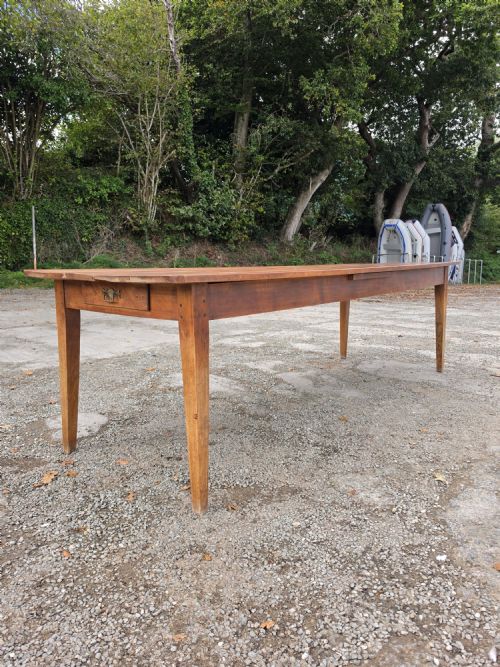
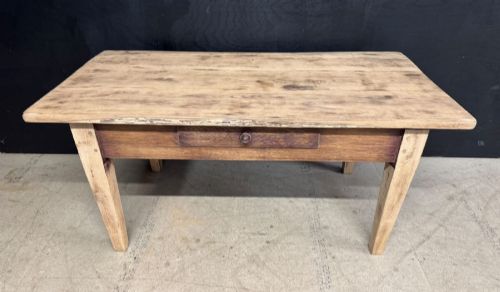
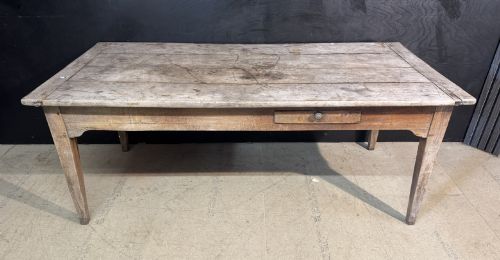
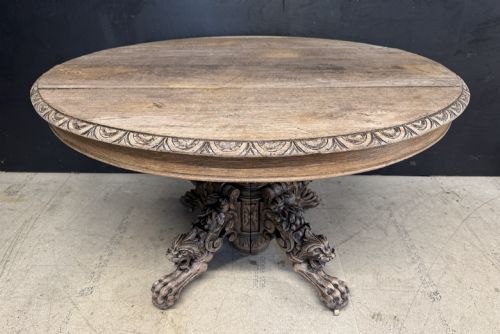
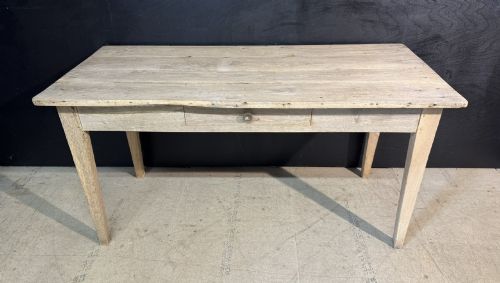
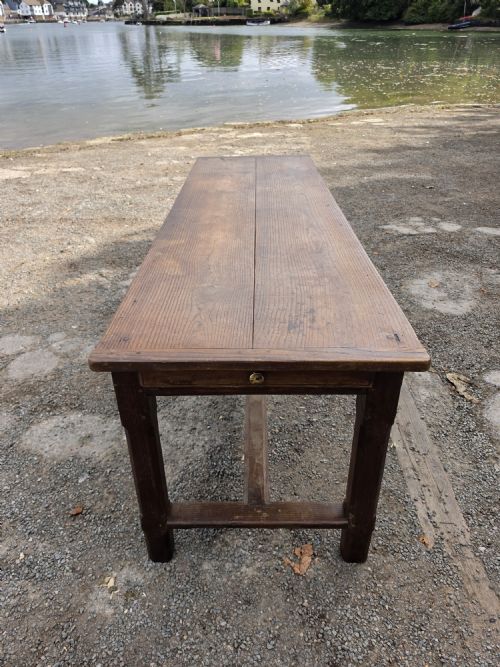
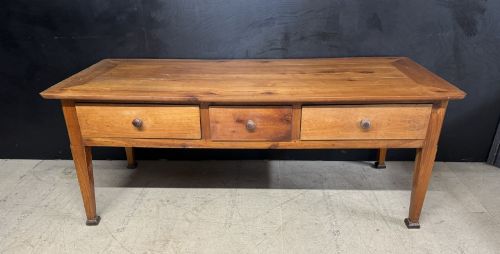
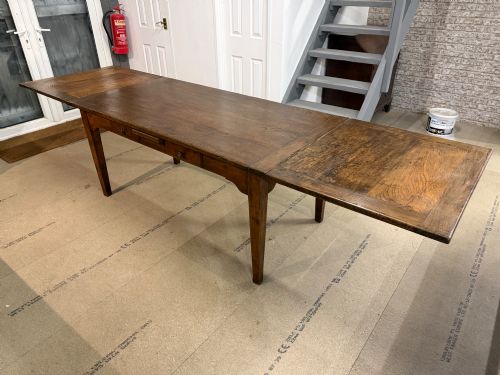
Rustic French Provincial Table
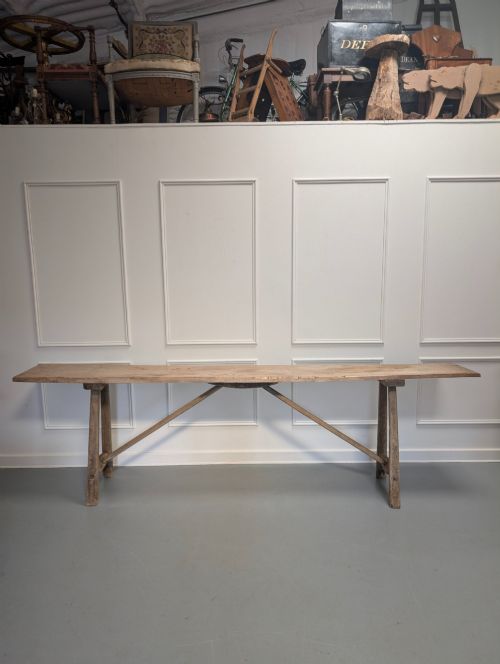
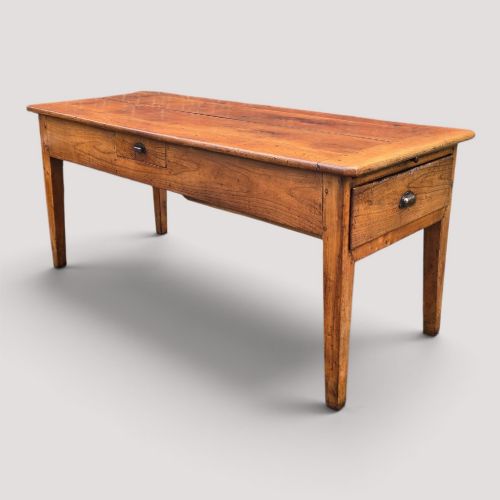
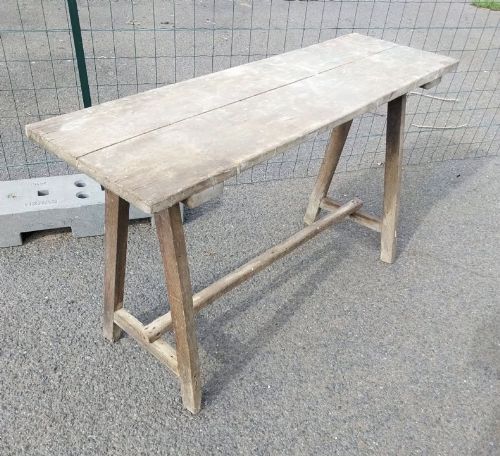
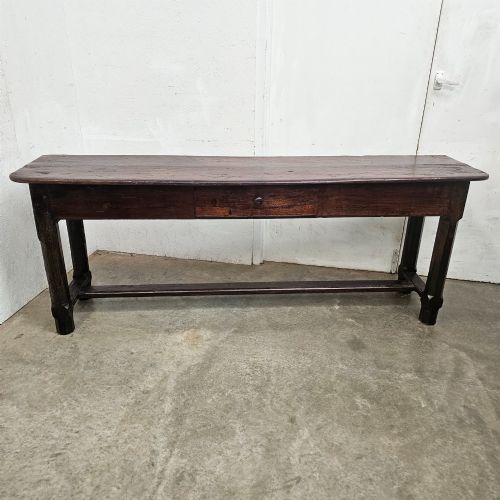
A rustic french provincial table brings practical utility and regional character into a room through honest timber construction.
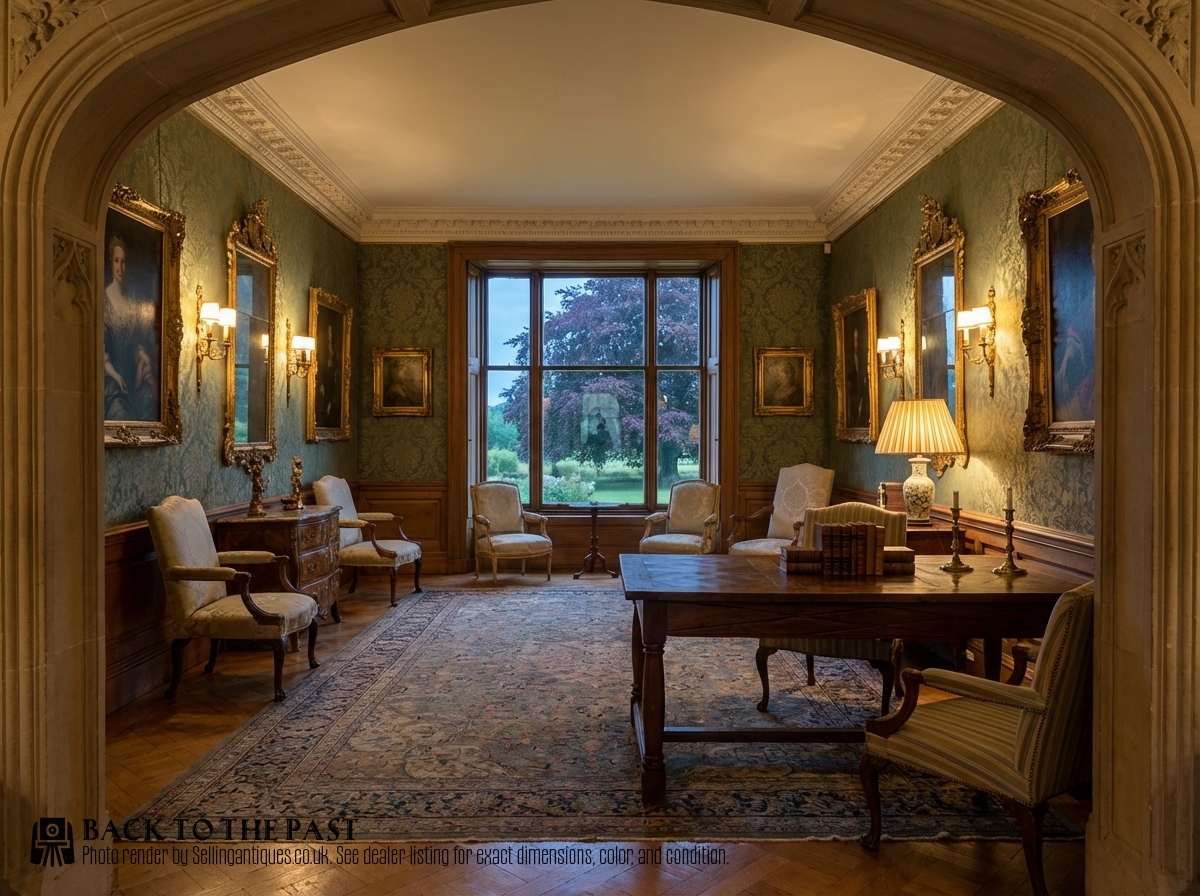
Rustic French Provincial Table
A rustic french provincial table is fundamentally a piece designed for everyday domestic labour, dining, or preparation in rural settings. Buyers searching this phrase look for functional furniture rooted in traditions of regional France, spanning from large dining surfaces to smaller work tables.
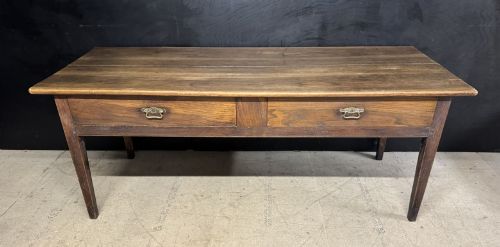
The pieces on this page are predominantly dining tables and farmhouse tables originating from the nineteenth century, alongside specific forms such as console tables, coffee tables, butchers blocks, and work tables. Oak, fruitwood, and pine appear regularly, reflecting the native timbers available to provincial makers.
Materials and Construction
Makers utilised solid regional timbers like oak, cherrywood, walnut, fruitwood, elm, and pine, often combining woods within a single piece such as a pine top set upon an oak base. These materials were selected for durability and local availability rather than decorative display.
Construction methods focus on utility, utilising thick boards for table tops and sturdy legs joined to endure heavy daily use. Iron brackets and fittings appear where structural reinforcement was necessary for work surfaces like butchers blocks and drapers tables.
One nineteenth-century chopping block stands proudly upon original gnarled legs.
Evaluating Quality
Quality rests in the integrity of the timber and the honesty of the construction, where boards show proper thickness and joinery remains solid without excessive modern intervention. A well-proportioned base supports the heavy top evenly, maintaining the balance intended by the maker.
The character of the surface timber dictates distinction, with patination earned through decades of genuine service rather than artificial ageing. Pieces retaining original scrubbed finishes, gnarled legs, or vernacular details demonstrate superior regional authenticity.
The Rustic French Provincial Table Glossary
- Refectory table
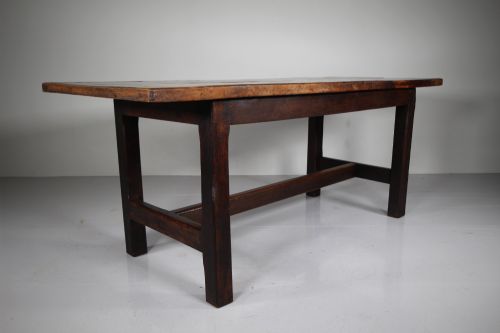
- A long, narrow dining table traditionally built for communal meals in monastic or large domestic settings. Examples listed feature substantial oak or cherry construction with stretcher bases.
- Vendange table
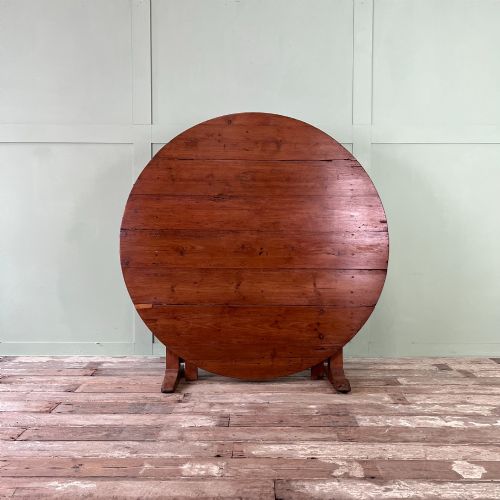
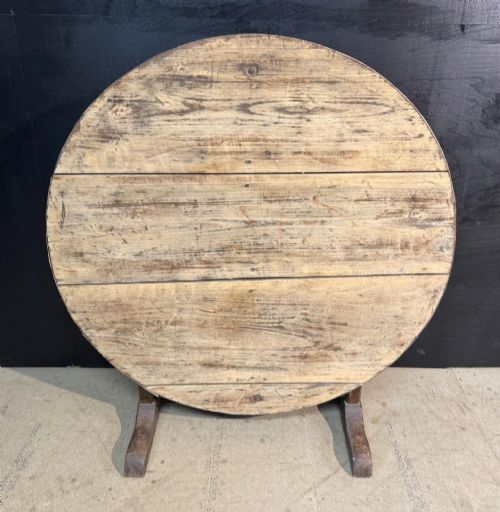
- A folding table historically utilised during the grape harvest in French vineyards. These feature clever folding mechanisms to allow easy storage between seasons.
- Patination
- The surface sheen and colour developed by timber over long periods of use and exposure to air. It serves as a visual indicator of age and handling.
- Drapers table
- A long work table originally designed for measuring and cutting fabric in mercer shops. They offer generous surface area and often incorporate lower tiers or drawers.
- Vernacular rural style
- Furniture design dictated by local traditions, available materials, and practical necessity rather than academic architectural rules. These objects prioritize function above stylistic convention.
Rustic French Provincial Table: Frequently Asked Questions
What is a rustic french provincial table?
A rustic french provincial table is a practical wooden surface made for use in regional French homes, kitchens, and workspaces.
These pieces range from large oak dining tables to smaller fruitwood side tables and elm chopping blocks.
How were these tables used originally?
They served as central surfaces for family meals, food preparation, laundry tasks, and trade work in provincial houses.
Heavier versions handled butchery and baking, while lighter console and drop-leaf tables accommodated general domestic life.
How do I live with a farmhouse table?
Living with a timber farmhouse table means accepting its practical nature and history of daily wear.
The robust construction of oak and pine allows these surfaces to handle everyday family use without delicate handling.
How can I tell the period of a table?
Dating relies on observing the timber types, joinery methods, and the style of the legs and base construction.
Eighteenth and nineteenth-century examples display hand-worked timber and vernacular forms distinct from later twentieth-century production.