



Antique Wood Pub Table
An antique wood pub table brings robust tavern character and enduring utility into a modern home.
Antique Wood Pub Table
An antique wood pub table serves as a sturdy social surface rooted in nineteenth-century tavern culture and domestic tradition. When exploring this selection, buyers encounter robust pub tables, tavern tables, and occasional tables built for daily use.
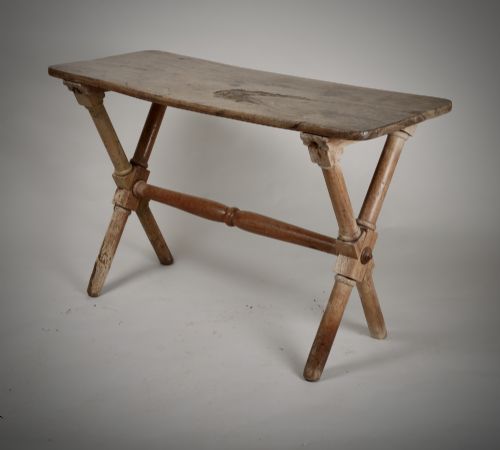
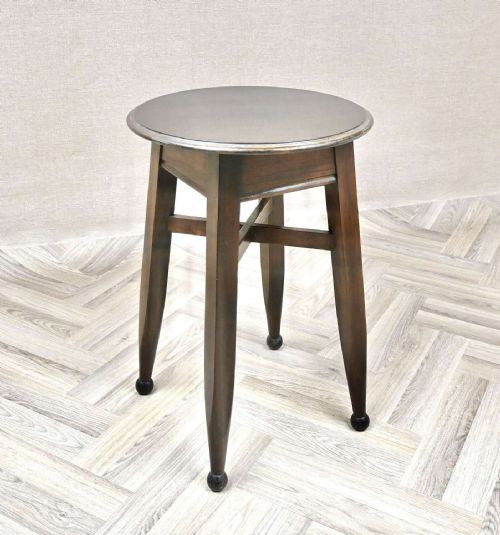
The assortment spans pieces from the nineteenth century, the Edwardian era, and nineteen thirty, drawing on rustic country, Victorian, and Arts and Crafts styles. Forms range from thick-topped tavern designs to scroll-work occasional pieces and X-leg formats.
Most examples combine timber tops with durable supports, reflecting the practical needs of historical public houses and rural interiors.
How these tables were made
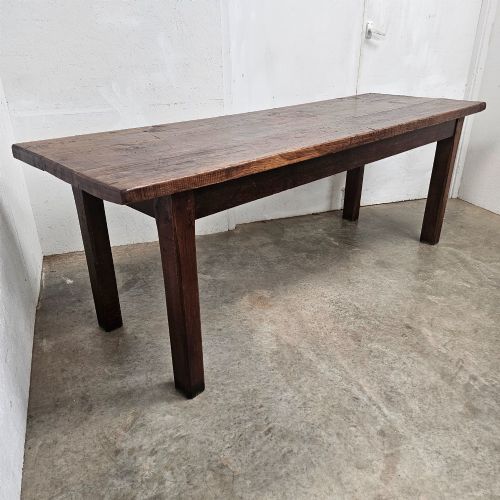
Maker construction relies on solid timbers such as oak, mahogany, pine, and stained hardwood paired with cast iron bases. Heavy wooden tops provide a durable surface designed to withstand heavy everyday handling.
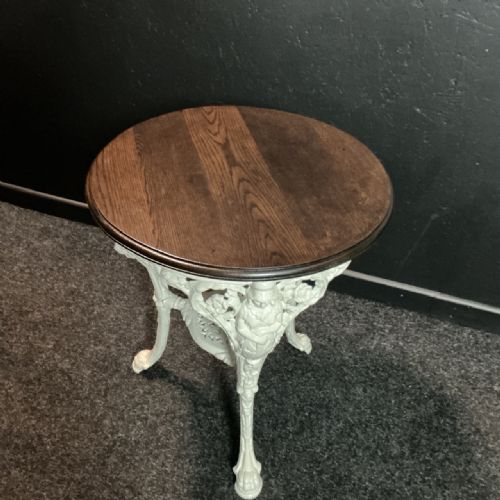
Cast iron components offer structural stability, frequently appearing in scrolling scroll-work bases and Britannia designs that anchor the heavier wooden tops securely.
Antique Wood Pub Table Retail Price Guide 2026
Typical asking prices for wood pub table among the pieces listed under this phrase on Sellingantiques today, from the lower quarter to the upper quarter. They describe what is for sale here now, not the wider market.
Listings feature items spanning the nineteenth century, the Edwardian period, and nineteen thirty, utilising oak, mahogany, pine, and cast iron.
What separates the best from the rest
Quality rests in the proportional balance between the timber top and the supporting iron or wooden base. Tables featuring thick, substantial wooden planks demonstrate superior structural integrity compared to thinner alternatives.
Refined detailing in cast iron scroll-work or well-executed joinery on X-leg frames distinguishes superior workshop production from utilitarian commercial output.
The Antique Wood Pub Table Glossary
- Tavern table
- A heavy wooden table historically utilised in public houses for drinking and dining. These pieces feature thick tops and robust wooden or iron frames.
- Britannia table
- A pub table style defined by a heavy cast iron pedestal base, frequently bearing patriotic or classical ornamentation. The design provides exceptional stability in crowded social spaces.
- Occasional table
- A smaller secondary table designed for flexible placement around a room. Victorian examples often incorporate decorative ironwork.
- X-leg
- A structural frame configuration where the supporting legs cross in an X shape. This geometry offers enhanced strength beneath heavy wooden tops.
- Arts and Crafts
- A design movement prioritising traditional craftsmanship and simple forms. Pieces from this period highlight natural wood grains and honest construction.
Antique Wood Pub Table: Frequently Asked Questions
Where were pub tables used historically?
Pub tables stood primarily in public houses, inns, and taverns where patrons gathered for social drinking and meals. Their robust construction handled the heavy demands of daily commercial hospitality.
Over time, these practical tables migrated into domestic settings, where their compact footprints and sturdy builds suited informal dining and occasional use.
How do I identify a nineteenth-century pub table?
Nineteenth-century examples typically display dense timbers like oak or mahogany alongside heavy cast iron bases. Look for authentic signs of age and wear within the grain and structural fixings.
Construction methods from this era rely on traditional joinery techniques and substantial materials rather than modern manufactured boards.
Can I use an antique pub table for dining?
Many smaller tavern and pub tables function effectively for casual daily dining or kitchen use. Their sturdy frames easily accommodate seated meals.
Buyers should check the overall height and knee clearance of specific pieces to ensure comfortable seating arrangements for regular use.