
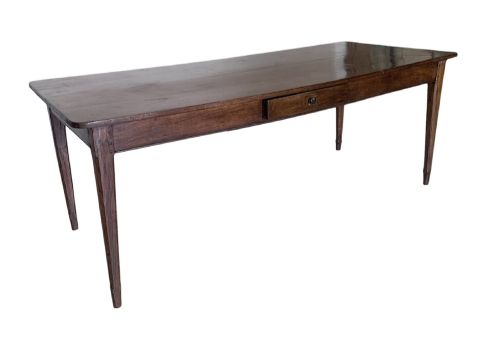
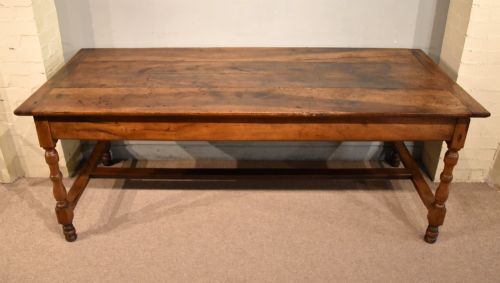
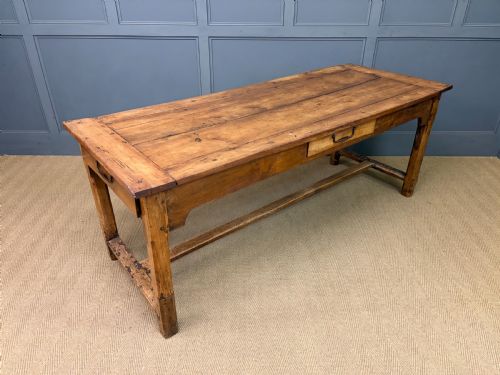
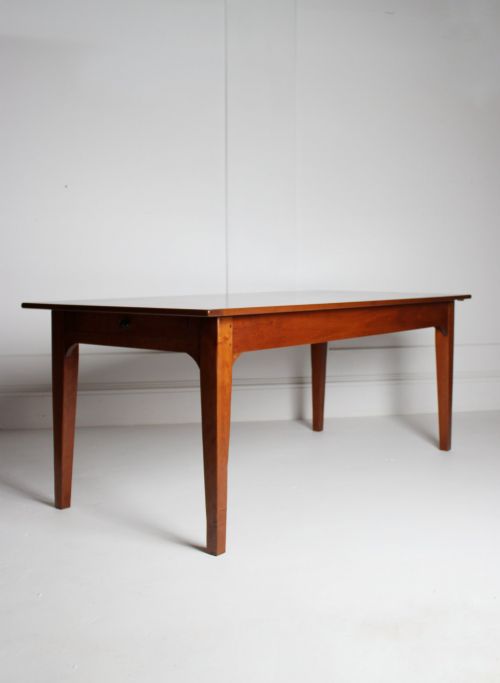

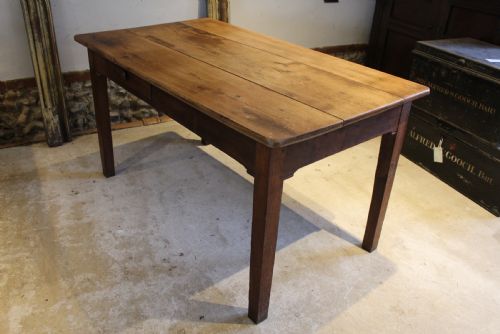


Brown Timber Kitchen Table
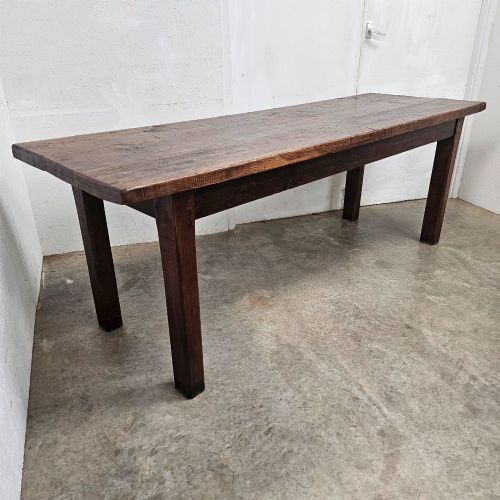
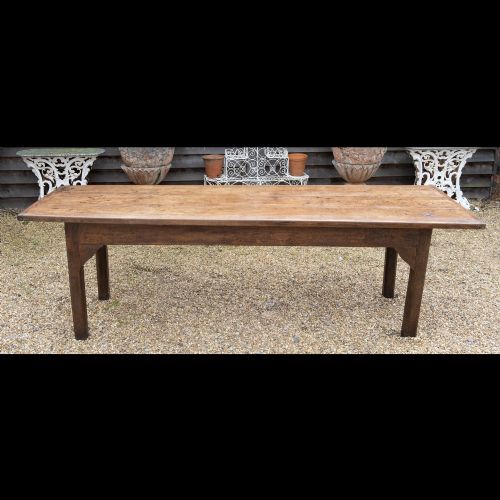
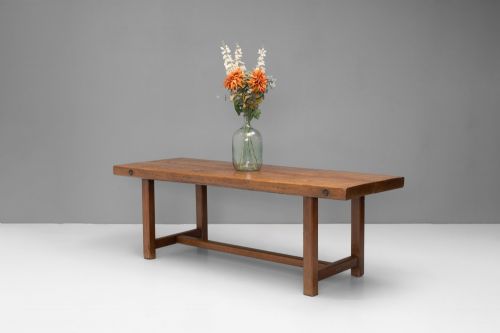
A brown timber kitchen table brings practical warmth and hard-wearing utility into the heart of any home, drawing on generations of domestic life.
Brown Timber Kitchen Table
A brown timber kitchen table serves as the central surface for daily food preparation and communal dining. When searching for a brown timber kitchen table, buyers encounter sturdy pieces built to endure heavy domestic use.
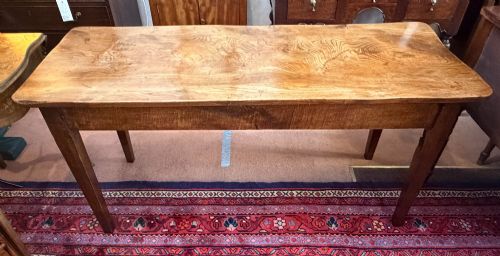
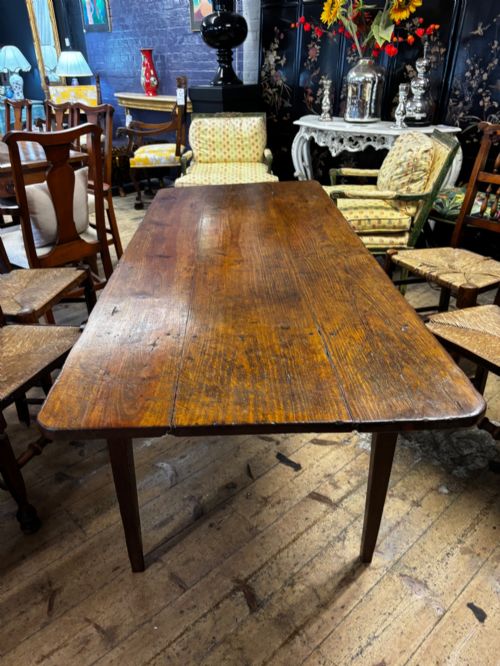
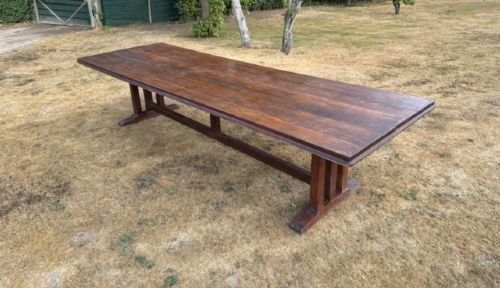
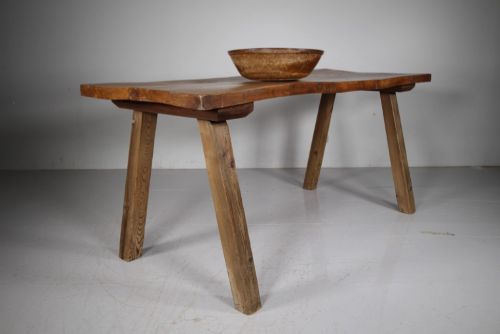
The selections span the nineteenth century through the Edwardian period, encompassing English and French regional designs. Forms include classic farmhouse tables, refectory tables, and robust workbenches featuring thick planks and straightforward legs.
Woods such as oak, pine, elm, and fruitwood dominate the construction, often showing decades of honest wear. These tables frequently appear with practical additions like side drawers or bread slides.
Materials and Construction Methods
Carpenters built these tables using solid domestic and imported hardwoods like oak, walnut, and elm, alongside utilitarian softwoods such as pine. Planks were joined with pegged mortise and tenon joints to withstand the rigours of daily work.
Workbenches and refectory tables incorporate heavy framing and iron or wooden vices, relying on sheer mass for stability. Surfaces were planed smooth by hand, leaving subtle tool marks that reveal the manual labour involved in their creation.
Several French artisans' workbenches still retain their original wooden vices, ready for heavy woodworking or kitchen rolling.
Factors That Distinguish Quality
Quality rests in the selection of timber and the integrity of the original construction rather than surface perfection. Tables fashioned from thick, single-board oak or dense fruitwood hold greater structural stability than multi-pieced softwoods.
Proportion and untouched patination elevate certain examples above standard utilitarian pieces. Retaining original hardware, such as wooden drawer pulls or iron vices, separates honest survivals from heavily restored items.
The Brown Timber Kitchen Table Glossary
- Refectory table
- A long, narrow dining table traditionally used in monastic refectories and later adopted for domestic kitchens. They often feature strong stretcher rails for added foot support.
- Bread slide
- A pull-out wooden board integrated beneath the tabletop. Bakers utilised this surface to cool loaves or prepare dough close to the oven.
- Plank top
- A table surface constructed from multiple parallel wooden boards joined edge to edge. Thicker planks indicate earlier and more robust construction.
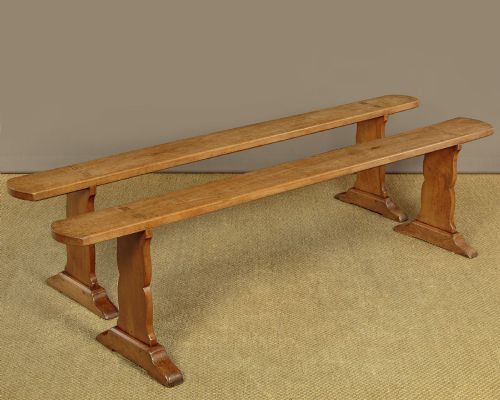
- Trestle table
- A table comprising two or more supports connected by a horizontal beam holding a loose or fixed top. This design allows for maximum legroom along the length.
- Primitive
- A descriptive term for furniture made without formal academic styling, prioritising function over ornamentation. These pieces rely on local materials and straightforward joinery.
Brown Timber Kitchen Table: Frequently Asked Questions
How do I clean a timber table?
Wipe the surface with a damp cloth and mild soap, avoiding harsh chemical sprays that strip the aged finish. Dry the wood immediately to prevent moisture rings.
Apply occasional coats of beeswax to nourish the timber and maintain a soft, protective sheen over the grain.
Can these tables be used daily?
Most of these tables were originally constructed for heavy kitchen work or large family meals. Their solid timber build handles normal daily use with ease.
Use coasters and mats to protect the aged surface from extreme heat and standing liquids during meals.
What woods were commonly utilised?
Joiners relied on locally available hardwoods like oak, elm, ash, and fruitwood for durability. Pine and beech also appeared frequently in regional and utilitarian workshop pieces.
Each timber species ages differently, developing distinct tones and wear patterns over decades of service.
How do I identify the period?
Examine the underside and joints for hand-cut marks, handmade nails, and timber shrinkage patterns. Machine-cut elements and standardised screws typically point towards later production dates.
Compare the leg turnings and stretcher designs with documented examples from the nineteenth and early twentieth centuries.