





Large Japanese Charger Dish
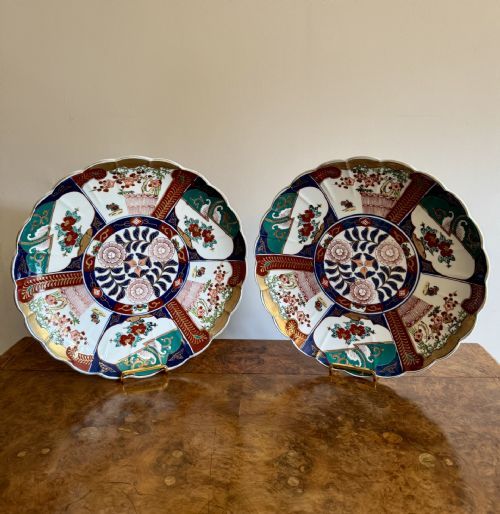
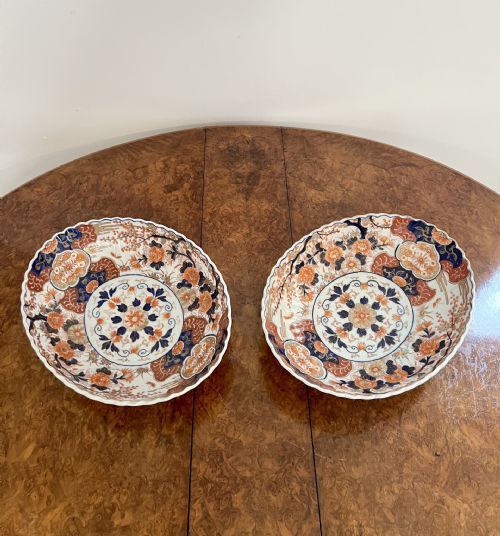
A large Japanese charger dish brings striking porcelain or cloisonne enamel into a room, offering deep traditional motifs from the Meiji and Edo periods.
Large Japanese Charger Dish
When you search for a large japanese charger dish, you encounter substantial circular ceramic plates or metal enamel vessels meant for display rather than dining. These pieces arrive from the Meiji period, Edo period, and nineteenth century, reflecting long traditions of East Asian craftsmanship.
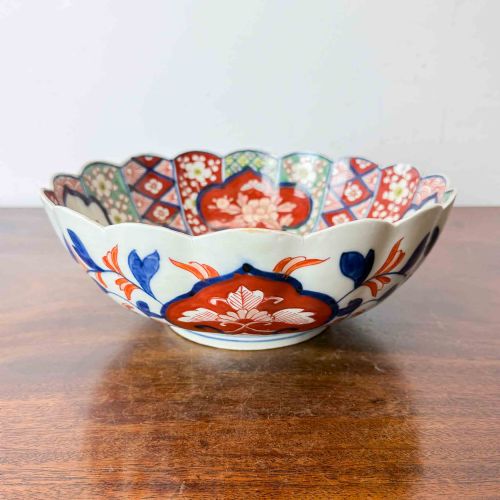
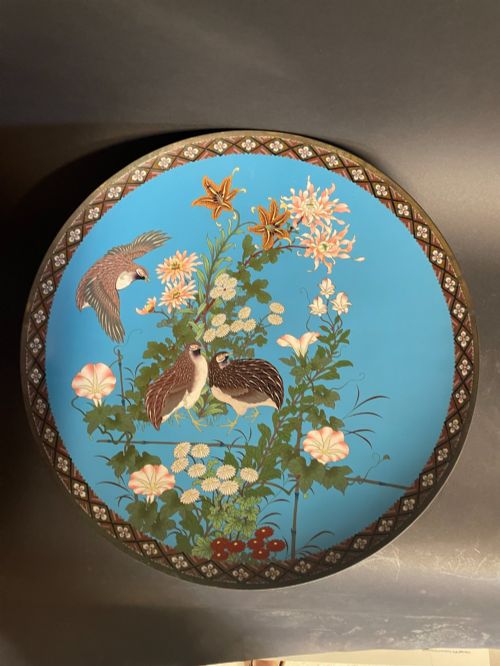
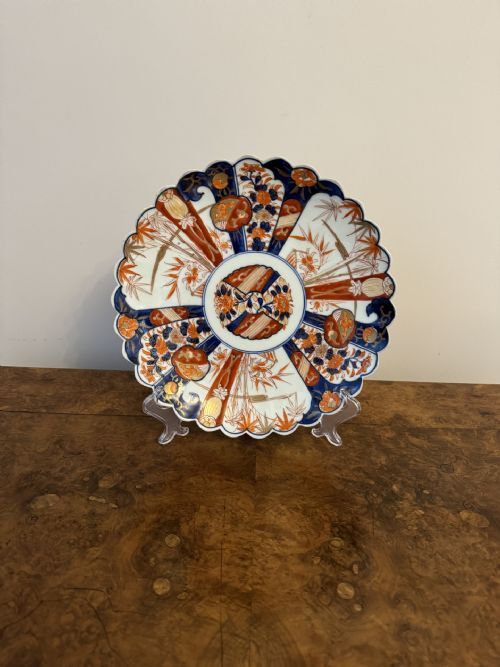
The most common examples on this page are Imari porcelain chargers featuring blue and white or iron-red and gilt decoration, alongside cloisonne enamel chargers decorated with birds, dragons, and landscapes. Forms range from standard circular chargers to scalloped edge bowls and square plates.
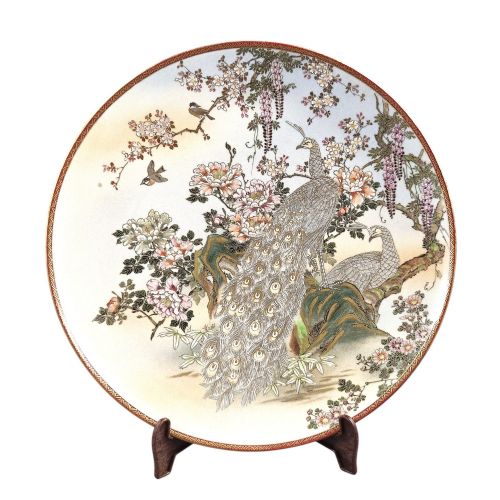
Originating primarily from Japanese kilns and workshops during the nineteenth and early twentieth centuries, these substantial decorative plates span styles such as Satsuma and Kutani alongside traditional Imari ware.
How they were made
Potters shaped porcelain clay on the wheel before applying underglaze blue and overglaze enamel colours, often incorporating gold leaf or gilt details into the painted designs. Kiln firing fixed the glaze and pigments, producing hard ceramic surfaces designed for endurance.
Cloisonne enamel dishes utilised copper or brass bases where thin metal wires formed distinct cells for colourful enamels, which were fired and polished smooth. Totai shippo examples introduced wirework over ceramic or earthenware cores to mimic natural textures like tree bark.
Several cloisonne dragons share display space with bewildered owls and distant views of Mount Fuji.
What varies in quality
The clarity and precision of hand-painted brushwork separate standard production wares from superior examples, particularly in the detailed rendering of figures, koi carp, and foliage. In cloisonne pieces, the fineness of the wirework and the depth of the enamel gloss determine the level of artistry.
The complexity of the composition dictates the visual success of the piece, with multi-layered designs depicting dragons, deities, or Mount Fuji requiring advanced technical skill. The crispness of the porcelain paste and the richness of the gilding further distinguish the upper tier of objects.
The Large Japanese Charger Dish Glossary
- Imari
- A style of Japanese porcelain featuring a palette of underglaze blue, iron red, and gilt. It originated in Arita and gained popularity across Europe during the Edo and Meiji periods.
- Cloisonne
- A decorative metalwork technique where thin wires are soldered to a base to form cells, which are then filled with enamel paste and fired. This method creates intricate pictorial designs on copper dishes.
- Satsuma
- A type of Japanese earthenware featuring a crackled ivory glaze decorated with polychrome enamels and gilding. Pieces often depict figurative scenes, flowers, and birds.
- Charger
- A large decorative plate intended for display on a wall or sideboard rather than for serving food. These substantial vessels measure significantly more than standard dining plates.
- Totai Shippo
- A specialised Japanese technique where cloisonne enamel is applied over a ceramic or porcelain body rather than traditional metal. This creates distinctive textured surfaces resembling tree bark.
Large Japanese Charger Dish: Frequently Asked Questions
How were large japanese charger dishes displayed?
These large plates were traditionally positioned on walls using wire hangers or displayed upright on wooden stands upon heavy furniture. Their substantial size and striking patterns made them focal points in nineteenth-century interiors.
Today, owners continue to place them on mantelpieces, sideboards, or mount them securely on walls to showcase the intricate enamel or porcelain decoration without risking surface damage from daily use.
What is the difference between imari and cloisonne?
Imari refers to Japanese porcelain fired with distinct blue, red, and gold pigments, relying entirely on painted ceramic techniques. Cloisonne involves metal vessels decorated with soldered wire compartments filled with coloured enamel.
While both share a penchant for elaborate pictorial subjects like dragons and landscapes, one is a ceramic art form and the other is a metalwork technique.
How do you date a meiji period charger?
Dating relies on stylistic markers, signature marks on the reverse, and the manufacturing materials recorded across the nineteenth and early twentieth centuries. The Meiji period spans from 1868 to 1912, a time of rapid artistic export.
Pieces from this era often exhibit highly intricate motifs, skilled enamelling, and specific potter or workshop signatures stamped or painted onto the base.
Are these dishes safe for food use?
These historical chargers are intended exclusively for decorative display rather than culinary service. The older glazes and enamel compositions may contain heavy elements unsuited for modern food contact.
Cleaning should be limited to gentle dusting with a dry cloth to preserve the fragile gilding, enamel, and ceramic bodies over time.