




Late 19th Century Charger
A late 19th century charger is a large decorative wall plate or display dish that brings rich colour and historic craftsmanship to any room.
Late 19th Century Charger
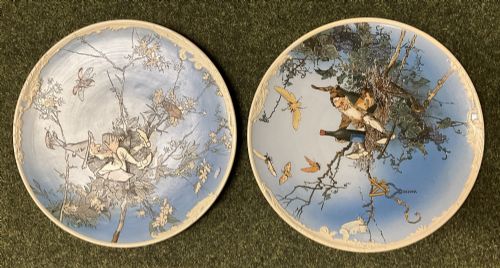
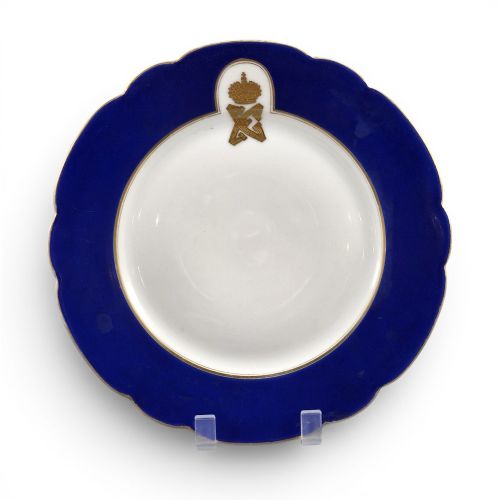
A late 19th century charger encompasses large decorative plates, wall plaques, and trays created across various global traditions during the Victorian era and the decades surrounding nineteen hundred. These substantial display pieces served primarily for interior decoration rather than dining, designed to command attention on walls, cabinets, or tables.
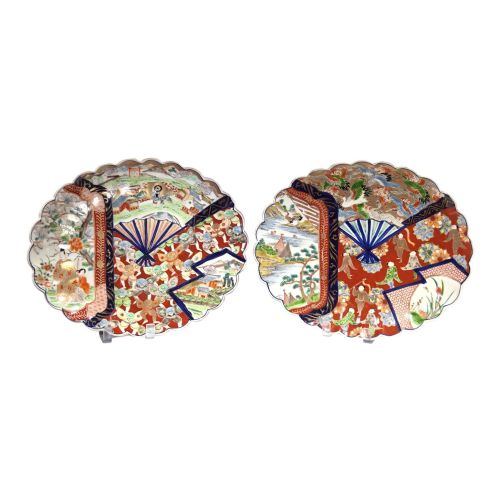
The selections available include Japanese Imari and cloisonné enamel works from the Meiji period alongside European porcelain from factories such as Vienna and Meissen. Chinese ceramic dishes and Indian brass shields also appear, reflecting the diverse stylistic influences popular during the late nineteenth century.
How they were made
Ceramic pieces utilise porcelain, stoneware, and earthenware bodies shaped into large plates and bowls, then hand-painted with detailed glazes, enamel, and occasional gold leaf. Japanese and European factories employed skilled artisans to execute intricate underglaze blue, famille rose palettes, and transfer-printed motifs.
Metalwork items rely on copper, brass, and silver plating formed into heavy chargers or trays, frequently decorated with engraved foliate patterns. Cloisonné examples feature delicate wire cells soldered to metal bases before filling with coloured enamel pastes and firing.
Listings feature ceramics, metalwork, and enamel across the nineteenth century, including Victorian, Meiji, and Qing periods.
What varies in quality
The distinction between standard production and exceptional work rests on the precision and complexity of the hand-painted or enamelled surface design. Superior examples display confident brushwork, vibrant glaze retention, and meticulous detailing without blurring or firing flaws.
Material selection and decorative depth separate basic utility items from true cabinet pieces. Heavy gauge metalwork with crisp engraving and porcelain featuring fine reticulation or factory marks indicate higher standards of period execution.
Vienna Porcelain Manufactory·Meissen Porcelain Manufactory·Mettlach
The Late 19th Century Charger Glossary
- Charger
- A large decorative plate or dish intended for display on a wall or sideboard rather than for serving food at table. These pieces often measure significantly wider than standard dining plates.
- Cloisonne
- A decorative metalwork technique where thin wire partitions are attached to a metal base to create compartments filled with enamel paste. The surface is subsequently fired and polished smooth.
- Imari
- A style of Japanese porcelain featuring distinctive underglaze blue and iron red designs, frequently accented with gold. This ware gained immense popularity in Europe during the nineteenth century.
- Reticulated
- Describes ceramic work featuring an openwork or pierced pattern cut through the body of the dish before firing. This technique demonstrates high technical skill in porcelain manufacturing.
- Celadon
- A type of ceramic glaze known for its jade-green or grey-green colour, produced by iron oxide in the reduction kiln. Longquan celadons represent traditional Chinese examples of this finish.
Late 19th Century Charger: Frequently Asked Questions
How were late 19th century chargers displayed?
These large decorative plates were commonly hung on walls using specialist wire hangers or stood upright on sideboards and cabinets to showcase their intricate designs.
Their substantial size made them focal points in Victorian interiors, often paired with decorative brackets or displayed in dedicated display cabinets.
How do you identify a Meiji period Japanese charger?
Meiji period chargers typically display characteristic Japanese motifs such as dragons, koi fish, or birds set against detailed cloisonné enamel or hand-painted ceramic surfaces. These pieces date from the reign of Emperor Meiji between eighteen sixty-eight and nineteen twelve.
Craftsmen during this era produced both traditional blue and white wares and vibrant multi-coloured cloisonne trays for international export markets.
Can these metal chargers be polished safely?
Brass, copper, and silver plated metal chargers require gentle dusting and minimal cleaning to preserve their historic surface patination. Aggressive chemical polishes can strip away desirable age characteristics and thin silver layers.
Specialist conservation care ensures the engraved foliate patterns and original metal finishes remain intact without causing abrasion to the antique surface.