
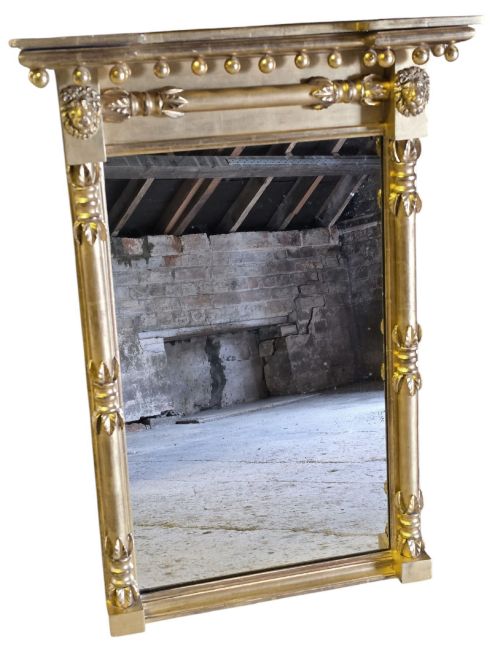
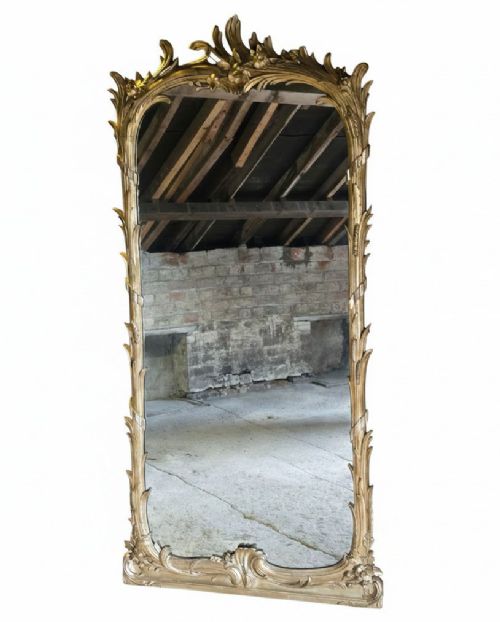
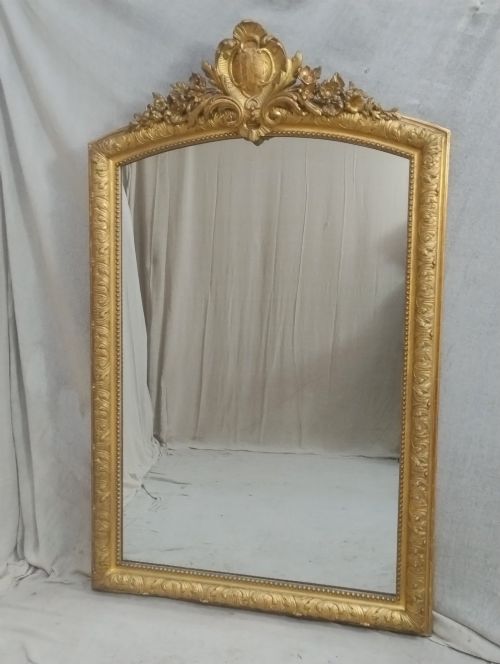
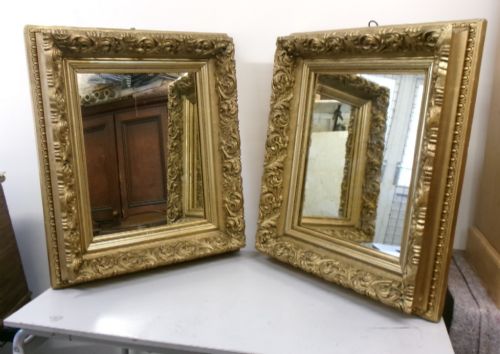

Large Gilt Pier Mirror
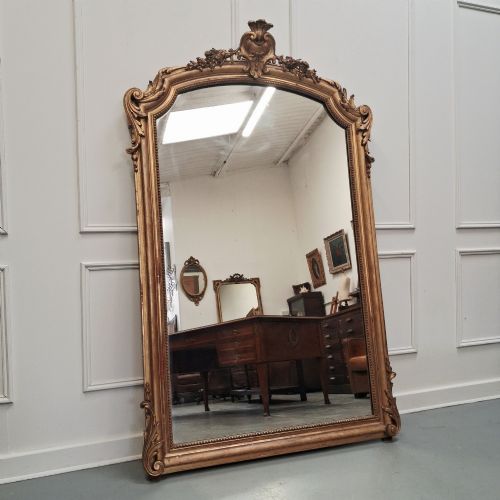
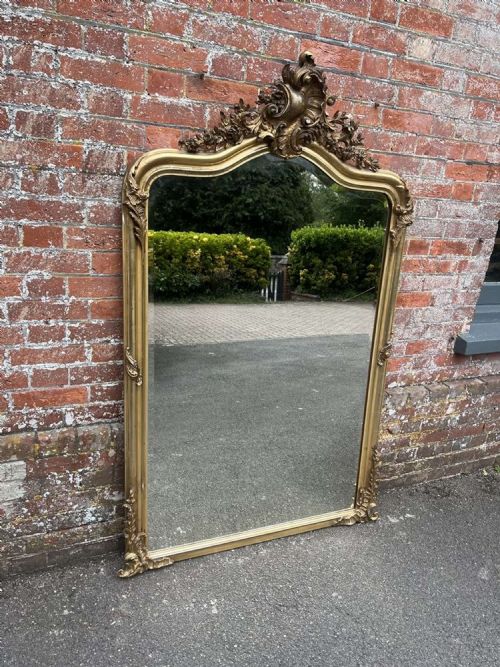
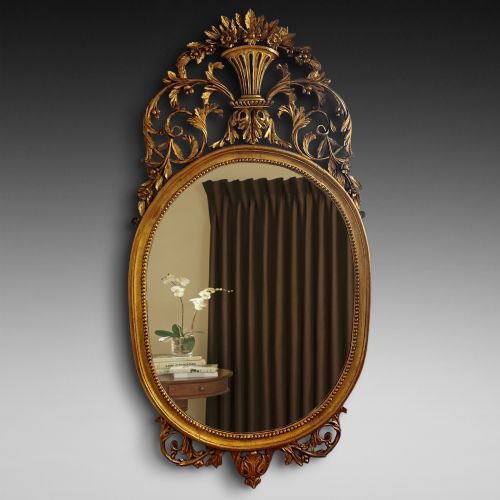
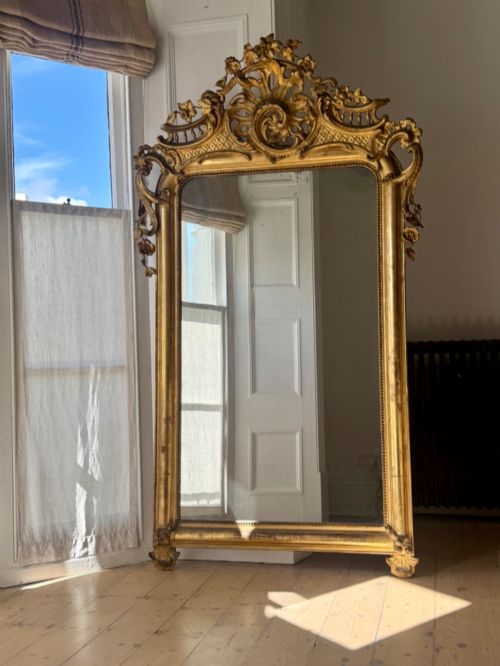
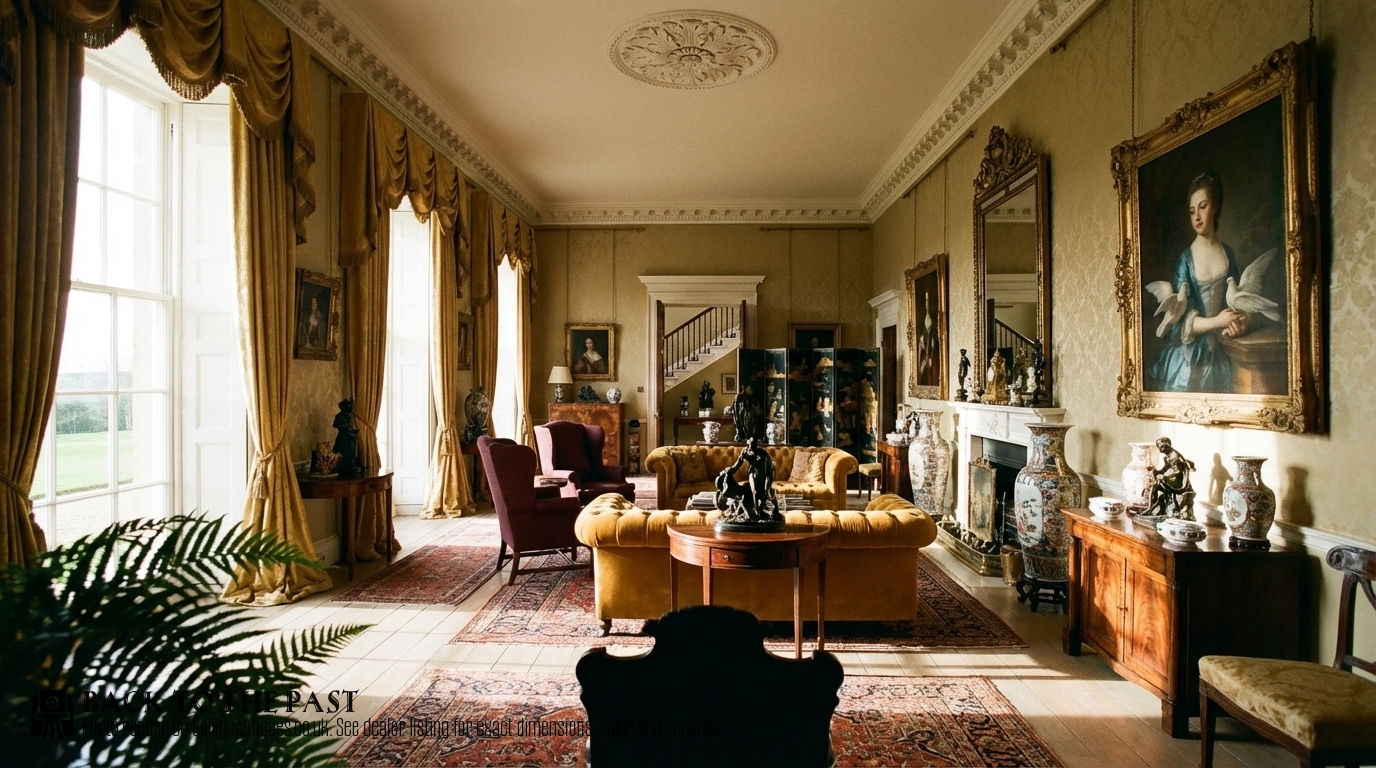
A large gilt pier mirror brings architectural presence and reflected light to a tall wall space between windows.
Large Gilt Pier Mirror
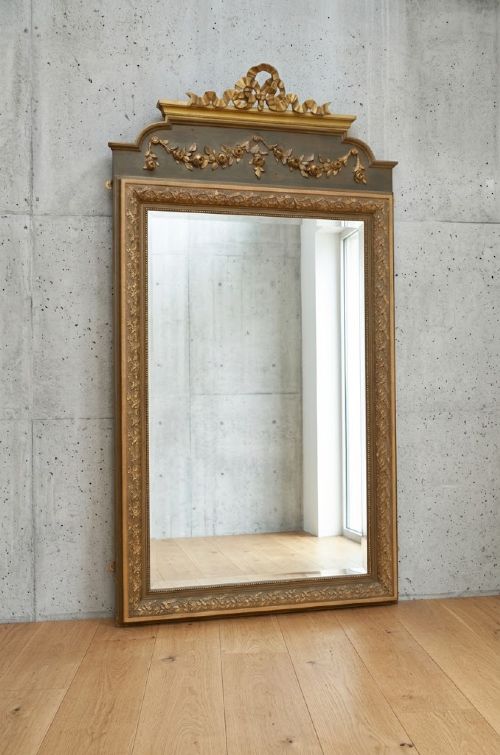
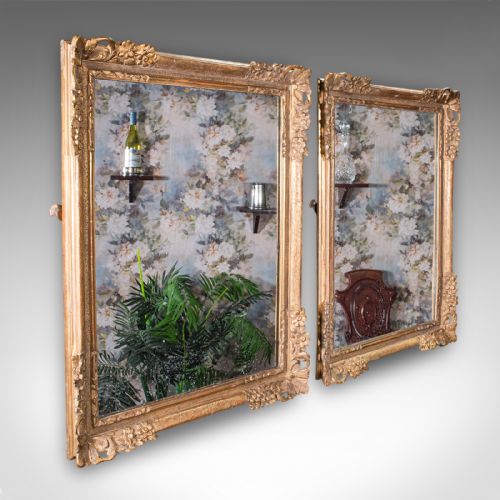
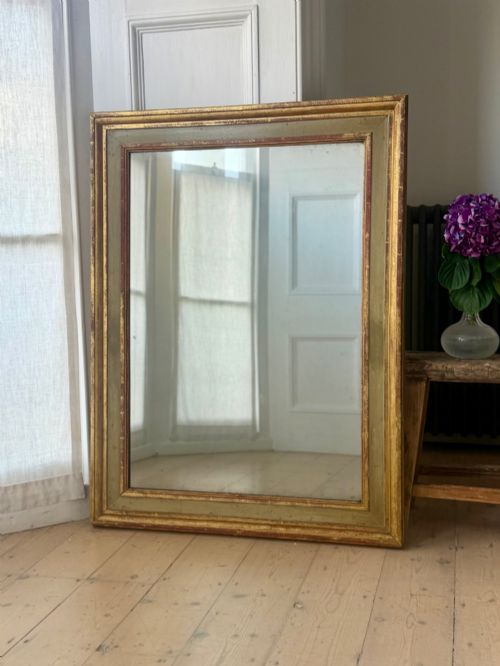
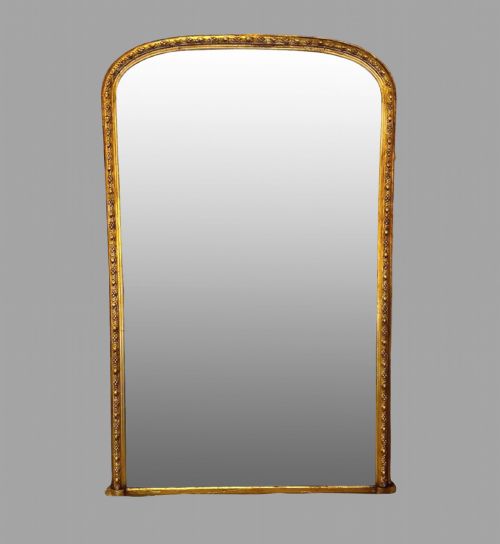
A large gilt pier mirror is a tall wall-hanging looking-glass designed specifically for the narrow expanse of wall between two windows, known traditionally as the pier. These statement furnishings anchor formal interiors by drawing natural light deep into the room while adding vertical proportion to the architecture. The selection spans the 18th, 19th, and early 20th centuries, taking in Georgian, Regency, Victorian, and French chateau styles.
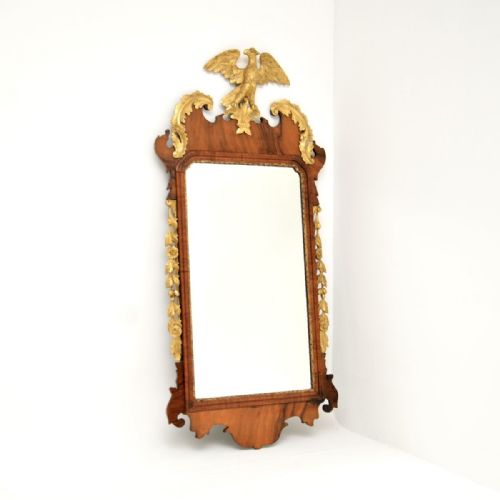
The most common examples encountered here date from the 19th century, particularly the middle decades of the Victorian era and the Regency period. Many originate from French workshops, featuring carved wood and gesso frames with arched or shaped tops, sometimes accompanied by painted details or ribbon crests. English versions from the Georgian era often utilise mahogany with parcel-gilt highlights or classical fretwork frames.
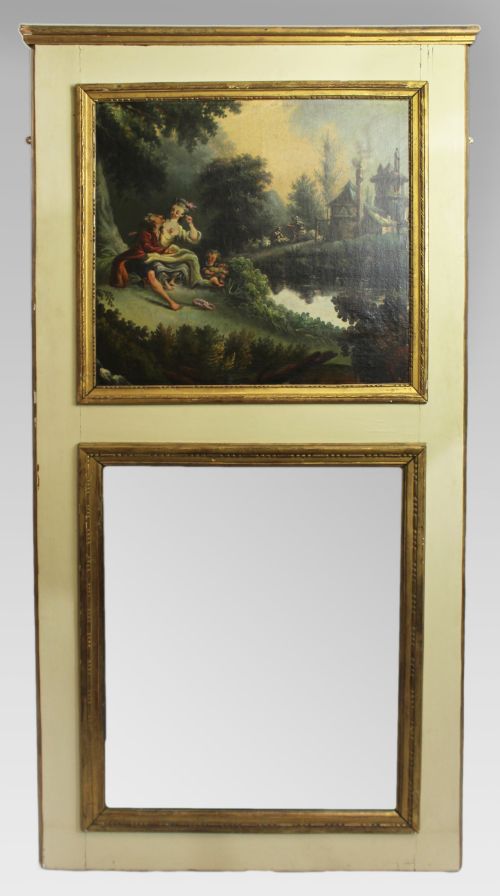
Makers and designers from the archive include historic figures such as William Kent, John Belchier, and the firm Nosotti. Regional variations range from English walnut and mahogany pier glasses to ornate Italian giltwood and French trumeau mirrors incorporating pastoral oil paintings or verre eglomise panels.
How they were made
Frames are constructed from solid timber such as pine, mahogany, or walnut, overlaid with a layer of gesso, which is a mixture of plaster and glue used to build up crisp relief ornament. Artisans then apply gold leaf, water gilding, or paint directly to the prepared surface, sometimes incorporating silvered elements or contrasting black finishes.
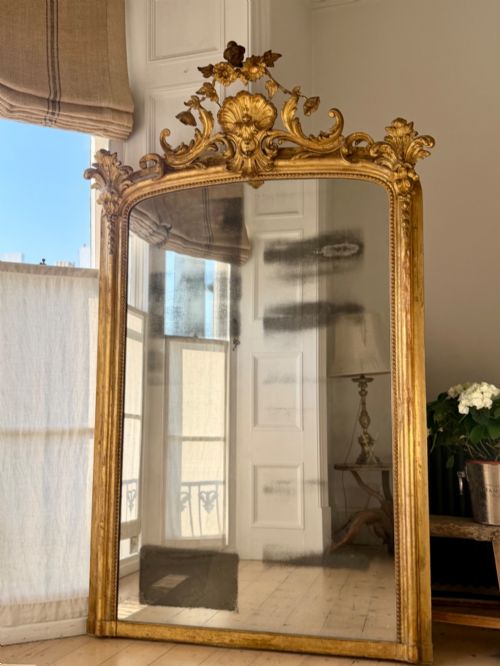
Mirror plates in older pieces consist of heavy glass containing tin and mercury amalgam, which creates a characteristic dark, speckled patina known as foxing over time. Later 19th-century and Edwardian examples often utilise standard silvered mirror glass within crisply carved frames.
Decorative embellishments involve intricate hand carving on wood and gesso, producing scrolling acanthus leaves, classical mouldings, and figural crests. Structural joints are typically secured with traditional joinery methods suited to supporting the considerable weight of tall vertical glass plates.
Materials recorded in the archive include original mercury glass, gesso, gold leaf, and walnut frames.
What varies in quality
The refinement of the hand-carved gesso ornamentation dictates the visual depth and crispness of the frame. Superior examples display sharply defined foliage and motifs without the softening caused by excessive layers of later overpainting or poor restoration.
The condition and originality of the mirror plate itself strongly influence character and desirability. Retaining the original mercury glass with authentic foxing spots provides a depth of reflection that modern replacement plates lack.
Proportion and structural integrity matter greatly in tall formats, where the harmony between the wooden frame and the glass plate governs the overall aesthetic impact. High-grade pieces maintain solid timber construction behind the gilding, ensuring stability across large surface areas.
The Large Gilt Pier Mirror Glossary
- Giltwood
- Wood that has been covered with a thin layer of gold leaf or gold dust. This finish gives the frame its luminous metallic sheen.
- Gesso
- A dense plaster mixture applied to wooden frame foundations to create a smooth surface for carving and gilding. It allows for intricate, raised decorative details.
- Mercury glass
- Early mirror glass produced using a tin and mercury backing technique. This process yields a dark, atmospheric reflection often marked by age spots known as foxing.
- Verre eglomise
- A cold decoration technique where designs are painted and gilded on the reverse side of glass panels. It appears frequently in upper sections of Regency pier mirrors.
- Trumeau
- A decorative architectural wall mirror incorporating a painted panel or artwork directly above the glass plate. These French pieces combine reflection with pictorial art.
- Parcel-gilt
- Woodwork that is only partially gilded, leaving portions of the natural timber grain visible as a contrast. This technique highlights specific carved details on mahogany or walnut frames.
Large Gilt Pier Mirror: Frequently Asked Questions
Where should I hang a pier mirror?
These mirrors suit narrow expanses of wall between windows or above low console tables and marble fireplaces. Their vertical proportions draw the eye upward and amplify natural light within principal rooms.
Ensure the wall construction supports substantial weight, as large antique frames combined with heavy glass plates require robust fixings to hang securely.
Are antique mirror plates always original?
Many surviving examples retain their original mercury glass plates, which display charming imperfections and soft, dark foxing. However, centuries of use mean some pieces have received replacement glass during past restorations.
Examining the depth of the reflection and the character of the glass helps determine whether the plate dates from the same period as the frame.
How do I identify a Regency pier mirror?
Regency pieces often feature architectural elements such as reeded columns, ball-stud friezes, and classical motifs derived from ancient Greek and Roman design. They frequently incorporate verre eglomise panels above the main glass plate.
The woodwork typically leans towards mahogany with parcel-gilt accents, or bright giltwood frames designed to maximise reflected light in early 19th-century interiors.
How do I care for antique gilding?
Dust the carved frame gently using a soft, dry brush to prevent accumulation in the recesses of the gesso relief work. Avoid liquid cleaning products, ammonia, or commercial polishes, which can strip fragile gold leaf.
Keep the mirror away from direct sunlight and damp environments to protect both the wooden substrate and the delicate metallic surfaces.