
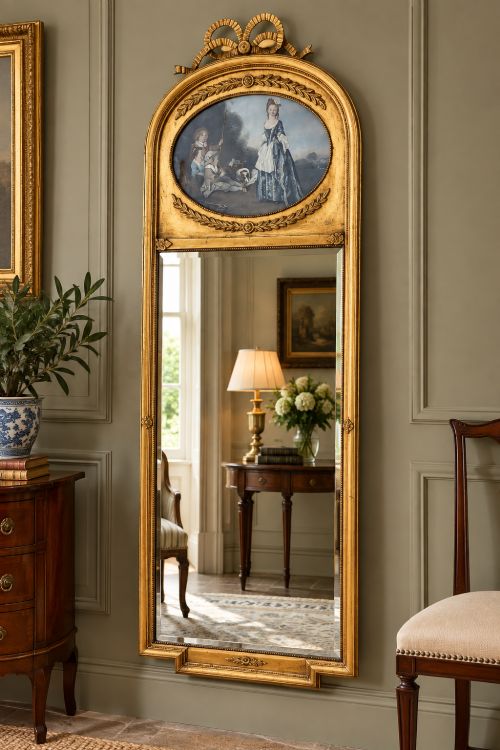
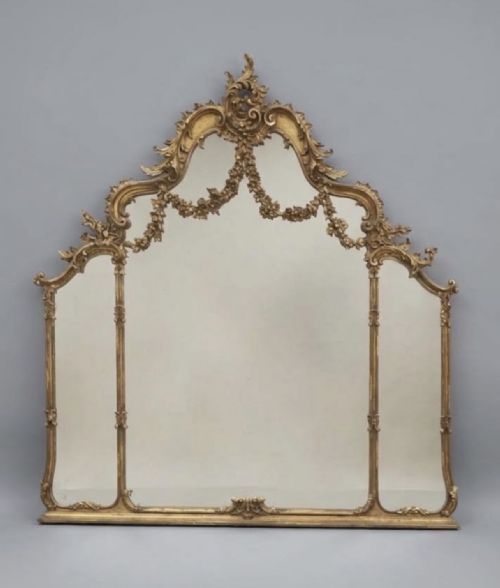
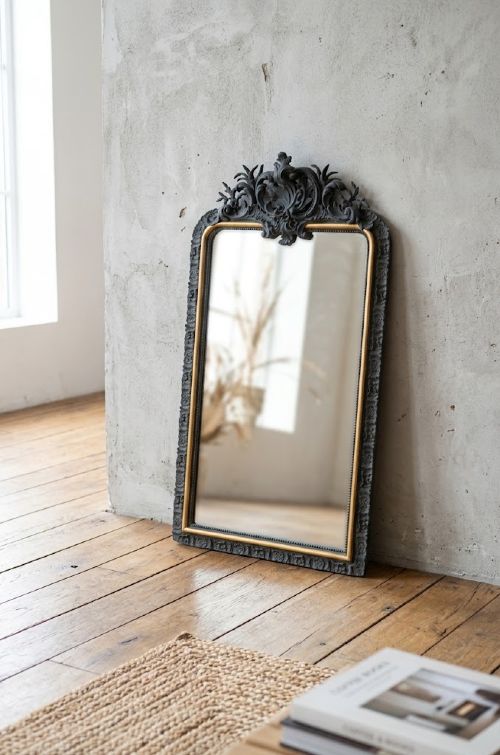
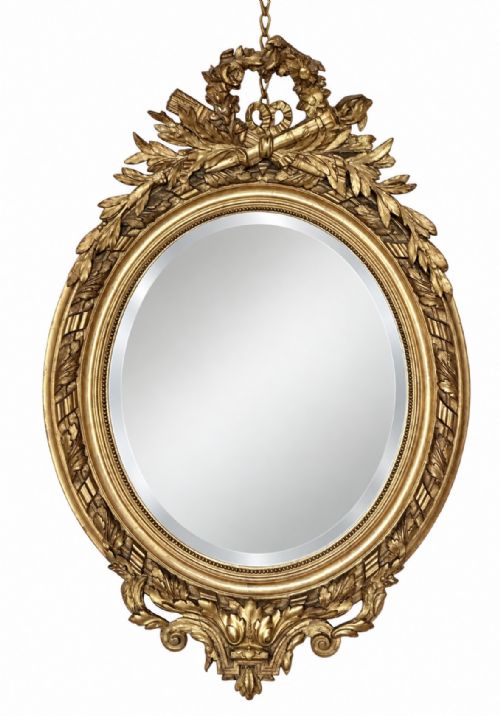
Giltwood Crest Mirror
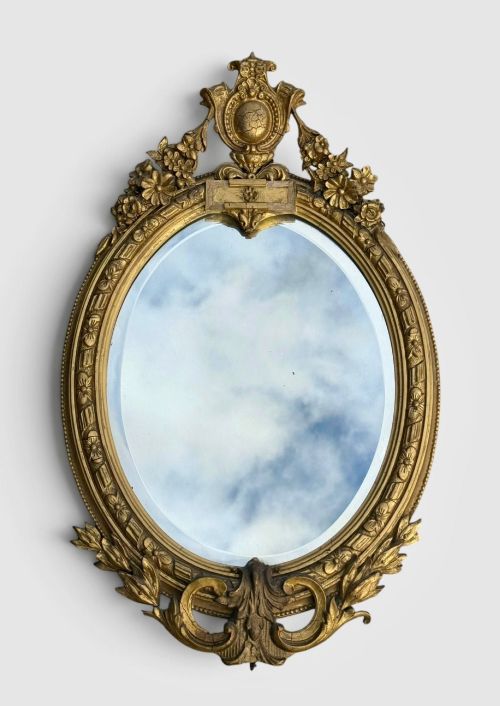
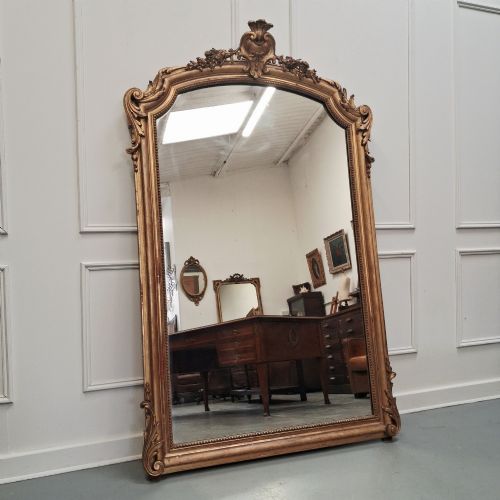
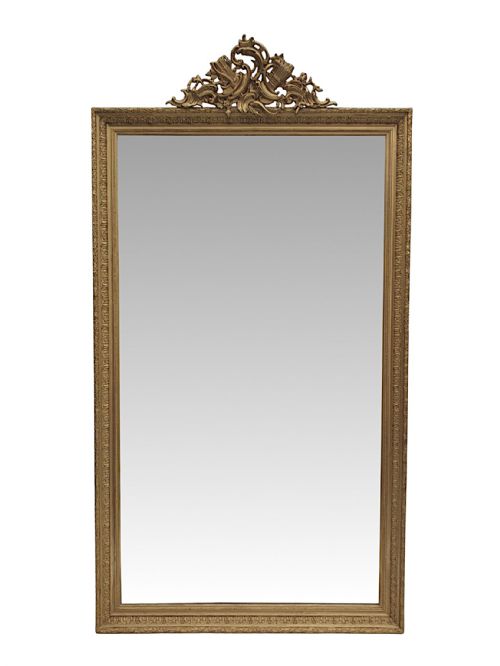
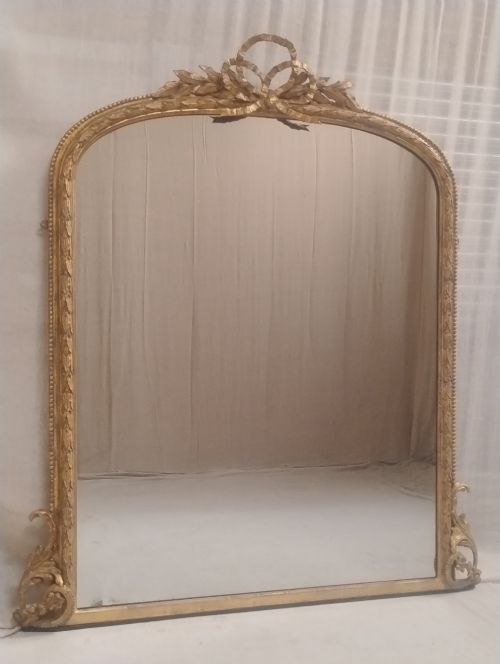
A giltwood crest mirror brings architectural presence and reflected light to a room through carved ornamentation.
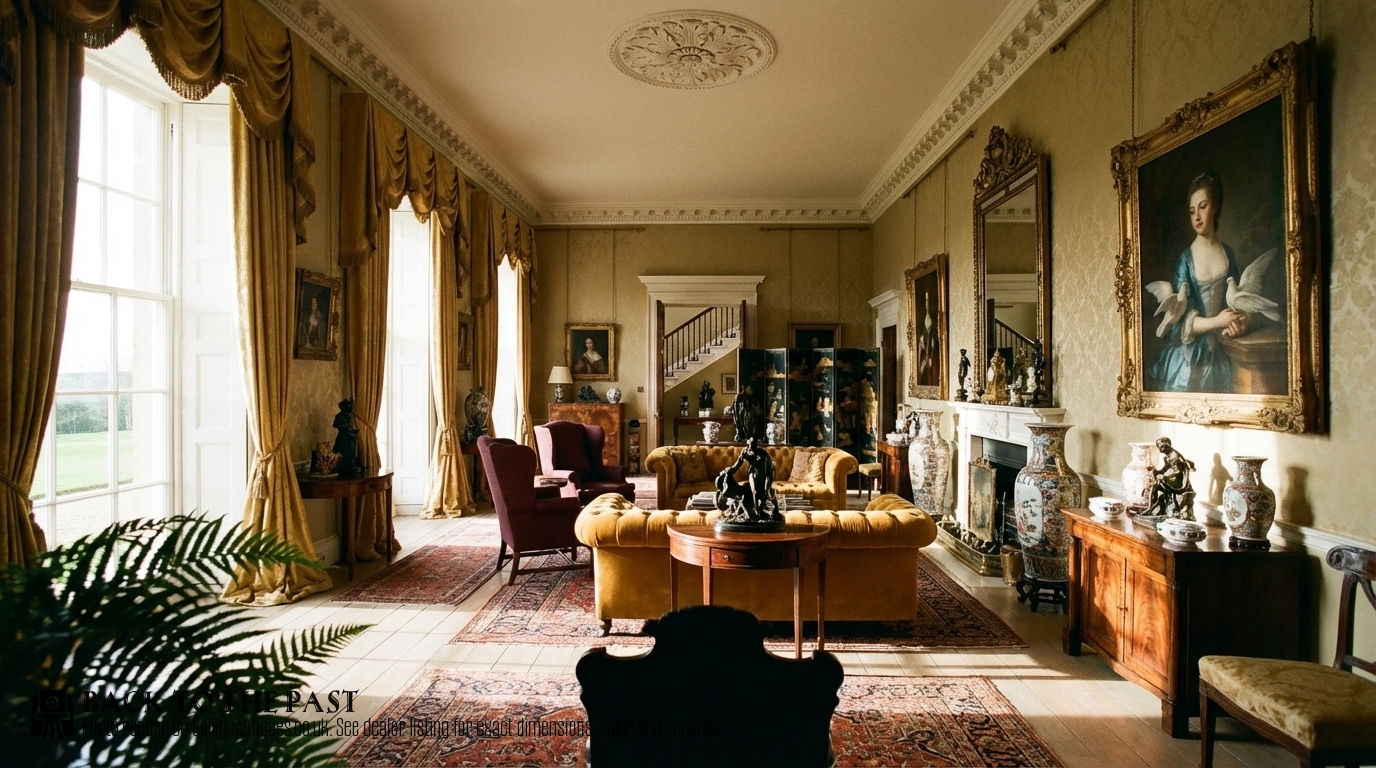
Giltwood Crest Mirror
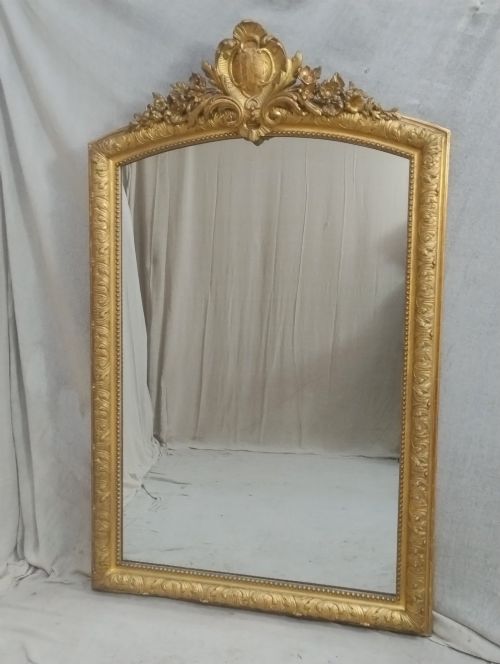
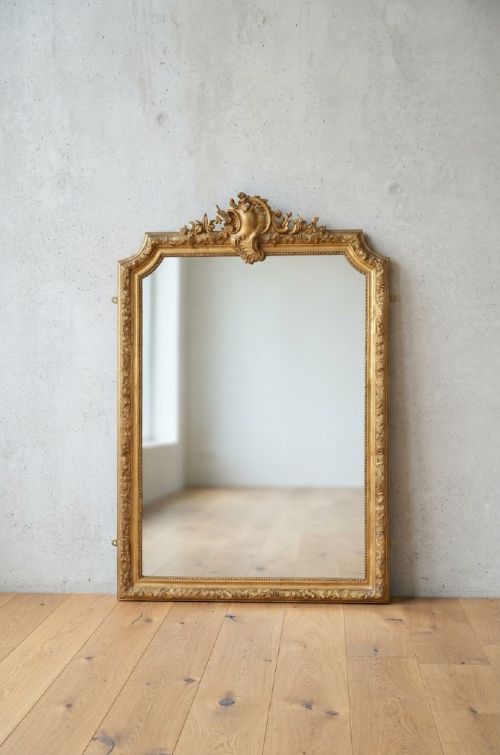
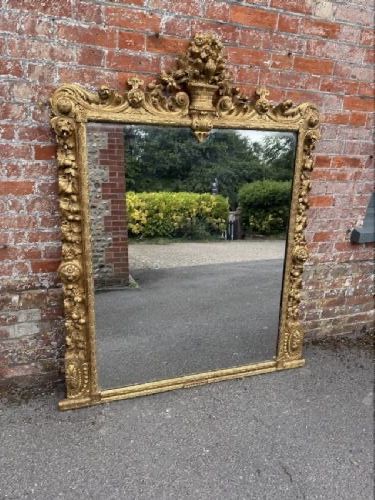
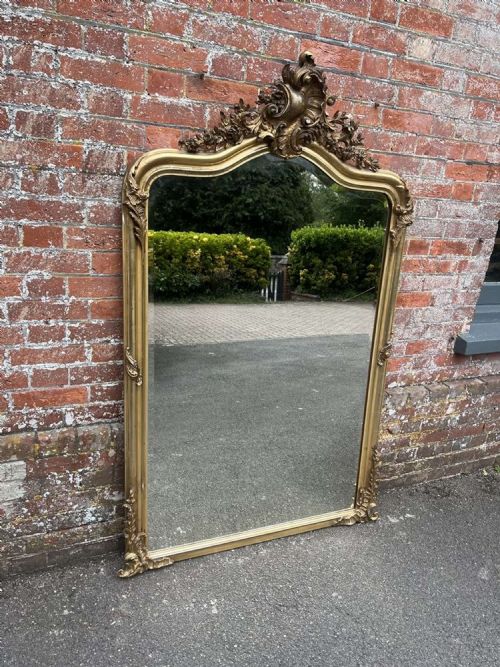
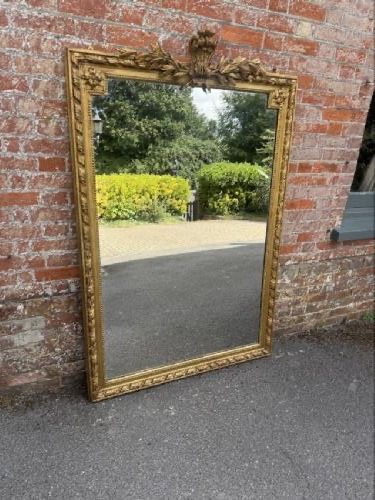
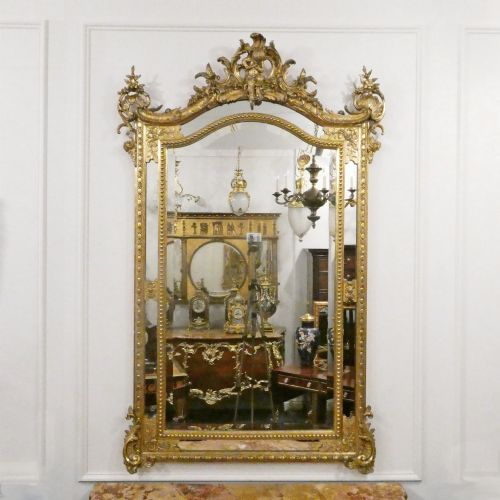
When you search for a giltwood crest mirror, you are looking at large wall mirrors, overmantels, and pier mirrors defined by prominent decorative crests. These ornamental frames feature birds, eagles, urns, and masks atop the glass, drawing the eye upward.
The versions you are most likely to meet on this page originate from the eighteenth and nineteenth centuries, spanning Georgian, Regency, and Victorian periods. French influences from Louis XV and Louis XVI styles also appear frequently among the listings.
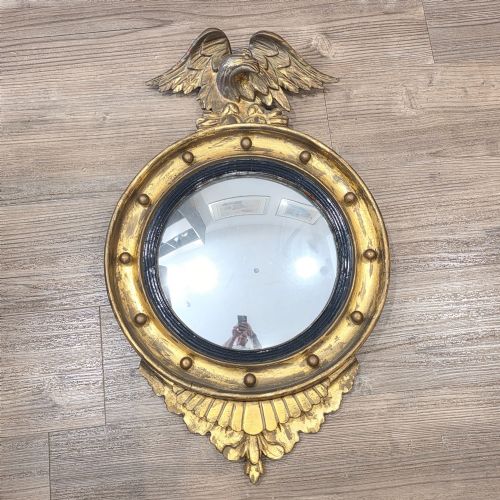
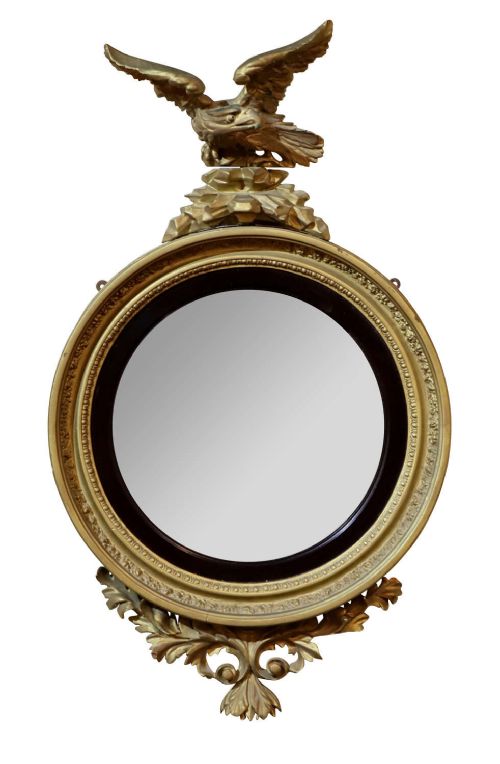
Forms range from circular convex plates with spread eagle surmounts to tall rectangular overmantel pieces and grand pier mirrors designed to sit between windows. Each format utilises the reflective glass to brighten interior spaces while displaying elaborate woodwork.
How they were made
Carved wooden foundations of pine, softwoods, or hardwoods provide the structural support for these frames. Artisans shaped these timbers by hand before applying secondary layers of detail.
Gesso, a mixture of chalk and glue, was built up over the wood to create smooth surfaces for intricate relief carving. This plaster-like ground allowed craftsmen to model fine floral motifs, scrolls, and crests with sharp definition.
Gold leaf or liquid gold was applied over the prepared gesso and bole layers to achieve a brilliant metallic sheen. Ebonised wood and parcel-gilt variations also appear, contrasting dark painted finishes with highlighted golden details.
Look closely at the top of the frames to spot carved spread eagles, prancing deer, and curious Ho-Ho birds keeping watch over the glass.
What varies in quality
The depth and crispness of the carved ornamentation separate standard examples from finer pieces. Superior frames display undercut foliage and sharply modelled crests rather than flat, moulded composition details.
The preservation of the original gold leaf and the character of the mirror plate itself dictate the overall merit of the object. Original mercury plates or early glass showing light foxing retain more authenticity than modern replacement mirrors.
The structural integrity of the crest joint where the top ornament meets the main frame indicates the level of original craftsmanship. Sound joinery ensures the heavy wooden and gesso superstructure remains securely fixed over centuries.
The Giltwood Crest Mirror Glossary
- Giltwood
- Wood that has been coated with gold leaf or gold paint. This finish creates a luminous metallic appearance across the carved frame.
- Gesso
- A paste made from chalk, gypsum, and glue used as a base for gilding and relief ornamentation. It allows carvers to achieve fine detail before applying gold leaf.
- Convex mirror
- A circular mirror glass curved outward to provide a wide, distorted panoramic reflection of the room. These pieces often feature eagle or deer crests.
- Overmantel mirror
- A large horizontal mirror designed to hang specifically above a fireplace mantelpiece. They frequently incorporate shaped tops and elaborate crests.
- Pier mirror
- A tall, narrow mirror made to hang on the wall space between two windows. They often sit above matching console tables or pier tables.
Giltwood Crest Mirror: Frequently Asked Questions
Where should I hang a giltwood crest mirror?
These mirrors work best above a fireplace mantelpiece or centered on a primary wall in a principal room. Their height and decorative crests demand ample wall space to be fully appreciated.
Ensure the wall fixings are robust enough to support the substantial weight of carved wood and glass. Positioning the glass opposite a window also helps maximise the natural light reflected into the space.
What is a convex mirror used for?
Convex mirrors were historically placed in drawing rooms to allow homeowners to monitor activity across the entire space from a single vantage point. The curved glass gathers light from a wide angle to brighten darker corners.
These pieces typically feature prominent animal crests such as eagles or deer and add a distinct focal point to an interior scheme.
How can I tell if the mirror glass is original?
Original mirror glass often exhibits subtle imperfections, slight waviness, and soft grey spots known as foxing caused by age. Mercury plates from the nineteenth century display a distinctive deep, liquid reflection.
Modern replacement glass appears entirely flat, uniform, and clear without any natural distortion or historical ageing marks.