
Large Gilt Framed Artwork
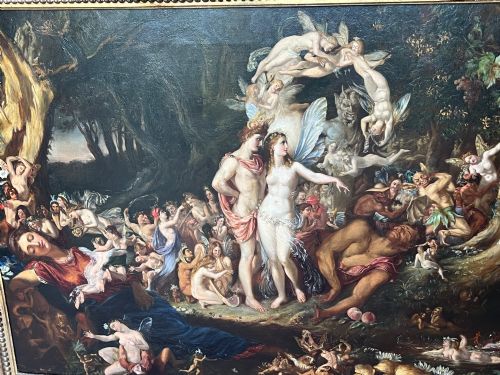
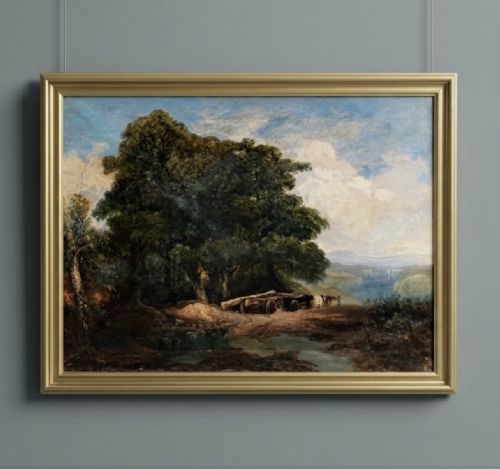
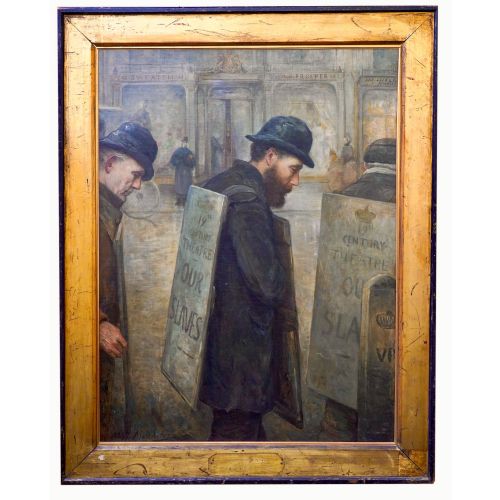
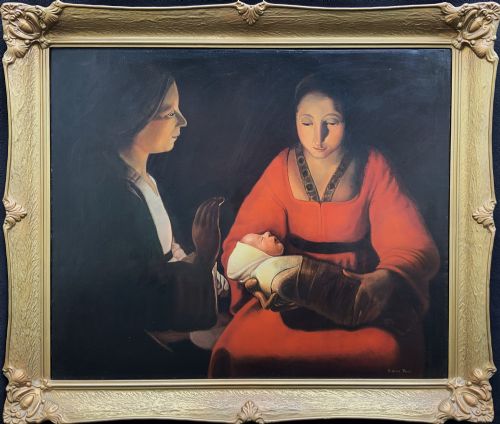
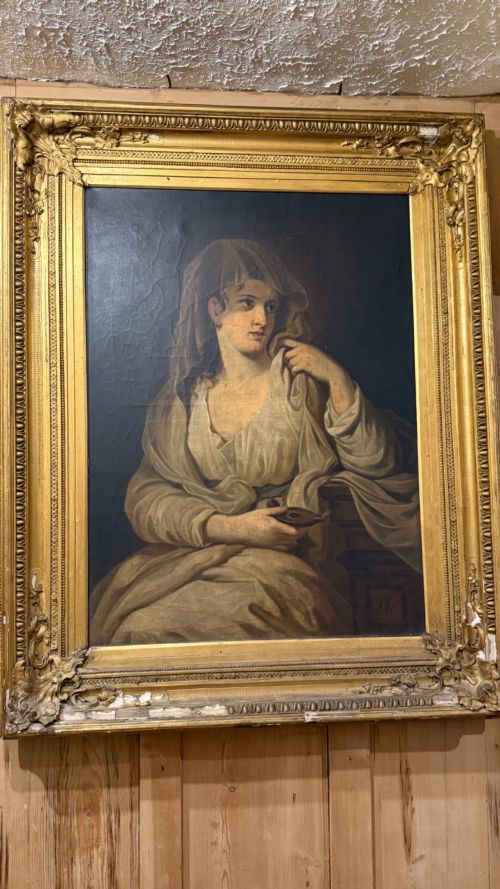
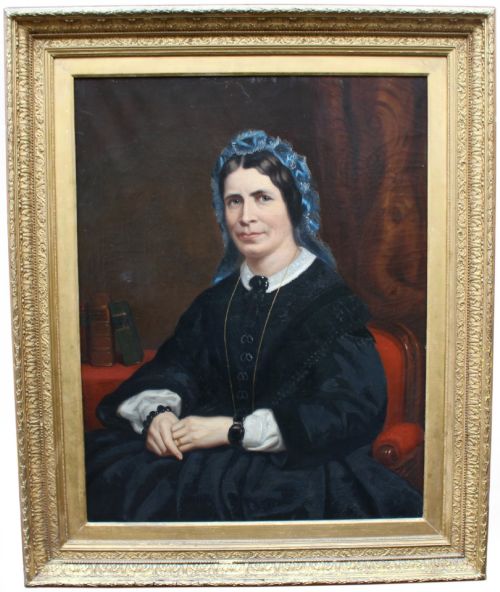
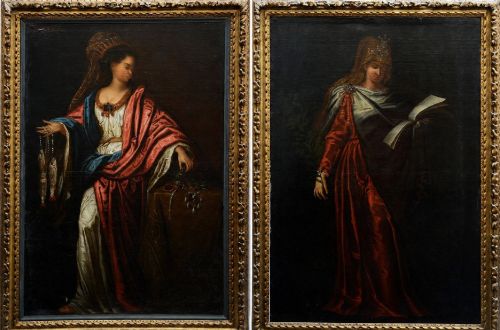
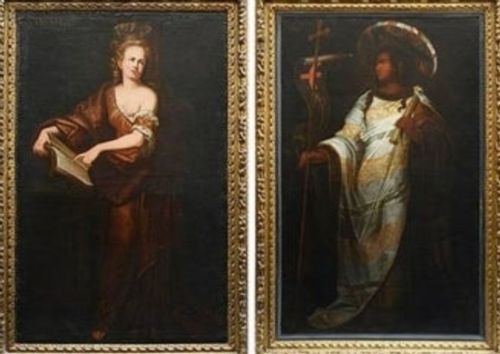
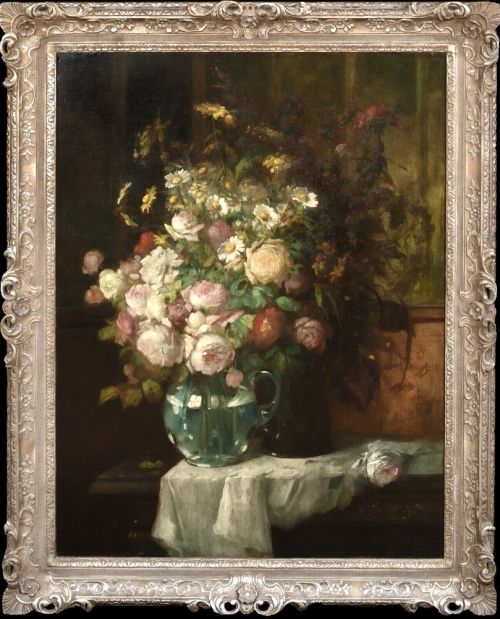
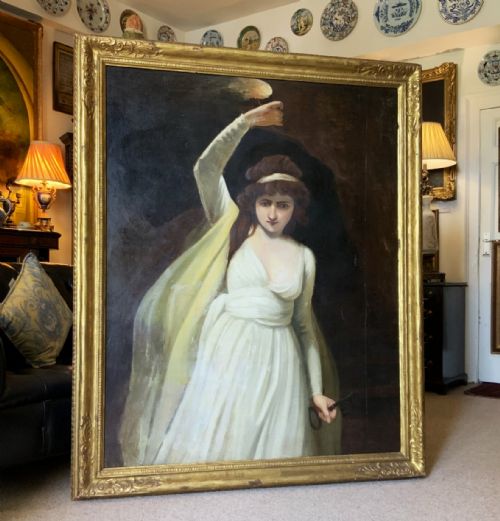
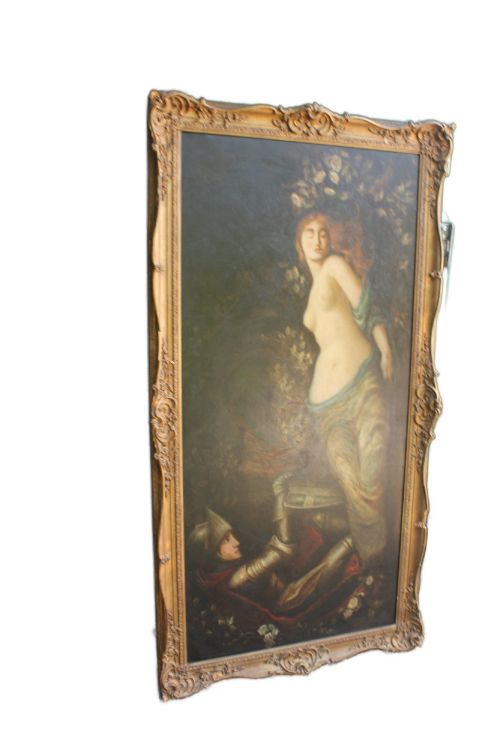
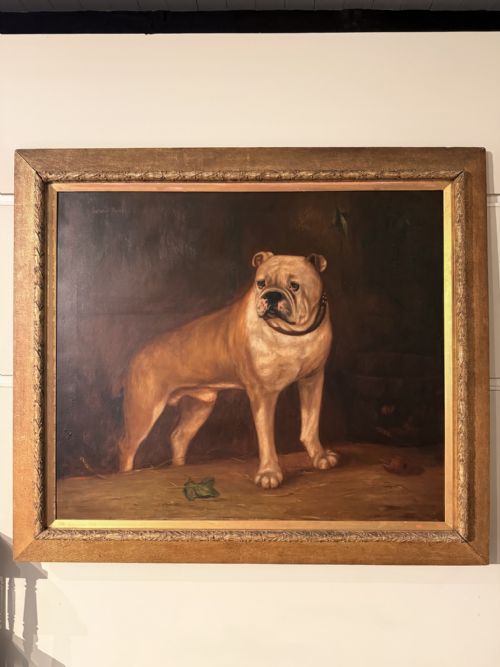
Large gilt framed artwork brings together substantial canvases and ornate surrounds, offering historical portraits and romantic landscapes designed to dominate a room.
Large Gilt Framed Artwork
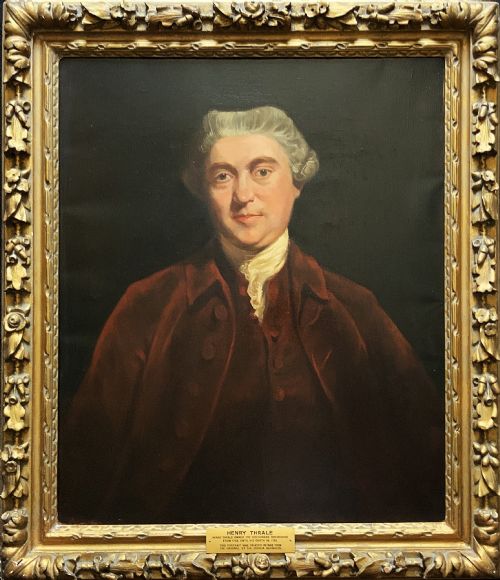
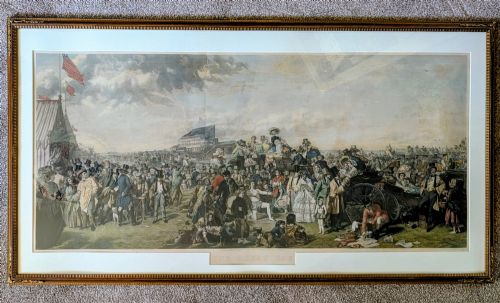
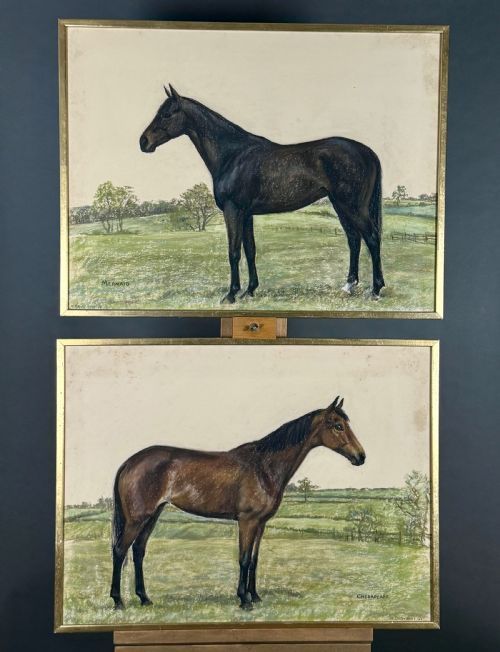
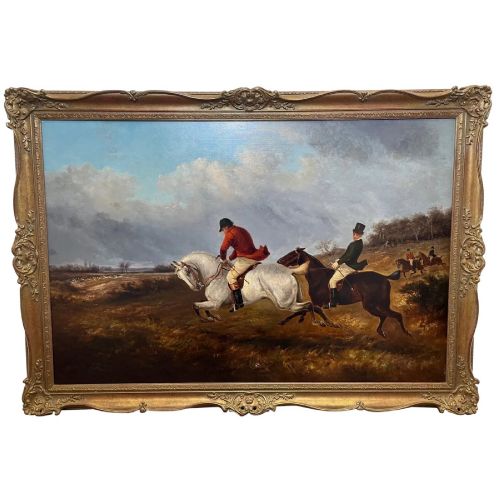
Large gilt framed artwork encompasses heavy oil paintings, pastels on paper, and framed prints dating from the eighteenth century through to the mid-twentieth century. These pieces frequently take the form of monumental historical portraits, sporting scenes, and expansive landscapes.
Buyers encounter Victorian genre paintings, Georgian portraits, and continental impressionist views within this selection. Many pieces retain their original gilded wood and gesso frames, which provide substantial architectural weight to the artwork.
Materials and construction
Painters typically applied oil onto woven canvas or wood panels, occasionally building thick textures or delicate glazes. Pastels and gouache on paper also appear, protected beneath glass.
Surrounds consist of carved wood or moulded gesso finished with fine layers of metallic leaf. Linen slips frequently separate the painted surface from the outer gilded moulding.
Several horses depicted in these nineteenth-century sporting scenes appear to possess expressions of mild surprise regarding their gallop.
Quality factors
The sophistication of the brushwork and the anatomical accuracy of figures or animals distinguish accomplished artist works from standard decorative pieces. Original matched framing enhances the integrity of the object significantly.
The depth and preservation of the gilded surface dictate the visual impact of the surround, where heavy losses to the moulded gesso reduce the historic value.
Richard Sebastian Bond·Felix Stone Moscheles·Sir Joshua Reynolds·Thomas Smythe·John Opie RA·Harold Knight RA·Alexandre Le Bihan·William Henry Mander
The Large Gilt Framed Artwork Glossary
- Gesso
- A plaster mixture applied to wood frames before gilding to create smooth surfaces for intricate moulding. This material hardens over time and forms the base for relief decoration.
- Oil on Canvas
- Pigment mixed with drying oils applied to woven fabric stretched over a wooden frame. This medium allows for rich blending and deep colour saturation.
- Linen Slip
- A fabric-covered inner border placed between the oil painting and the main gilt frame. It provides a neutral optical buffer for the composition.
- Impressionism
- A style focusing on light and transient effects rather than fine detail. Artists working in this manner use visible brush strokes to capture atmosphere.
- Genre Painting
- Depictions of aspects of everyday life by traditional painters. These scenes often feature figures engaged in domestic or historical narratives.
Large Gilt Framed Artwork: Frequently Asked Questions
How do I hang a heavy gilt framed piece?
Substantial frames require secure wall anchors fixed directly into masonry or wooden studs to support the combined weight of canvas and wood. Professional picture hangers utilise heavy-duty brass wire and rated wall hooks.
Ensuring the hanging hardware on the reverse is tightly secured prevents strain on the original wooden mitres during display.
Are these frames original to the paintings?
Many period artworks retain their contemporary surrounds, displaying matching wear and construction techniques consistent with the era of creation. Gilded mouldings were frequently selected by artists or early owners to complement the tonal palette of the canvas.
Close inspection of the rebate and fixings reveals whether a frame has been paired with a painting at a later date.
How should I clean a gilded frame?
Dust accumulates within the intricate recesses of moulded gesso and requires gentle removal using a soft dry brush. Moisture must be avoided entirely to prevent lifting the delicate metallic leaf from the wooden substrate.
Professional conservators should handle repairs to chipped ornamentation rather than attempting home touch-ups.
What subjects are most common?
Equestrian scenes, rural landscapes, and historical portraits dominate the larger formats produced during the nineteenth century. These grand compositions were originally commissioned to furnish substantial country houses and civic spaces.
Still life flower paintings and continental cityscapes also feature prominently among mid-century examples.