


Antique Sacred Art Portrait
An antique sacred art portrait brings centuries of devotion, masterly brushwork and profound spiritual presence directly into a room.
Antique Sacred Art Portrait
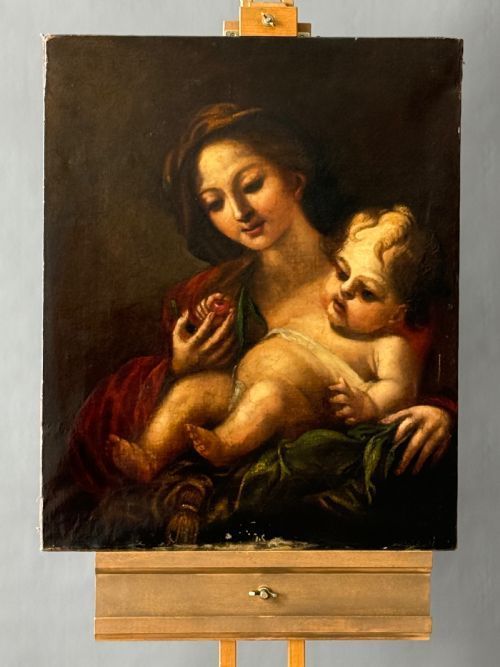
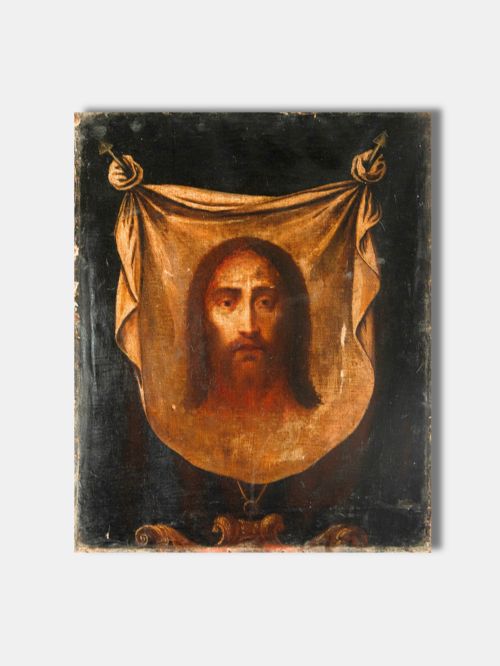
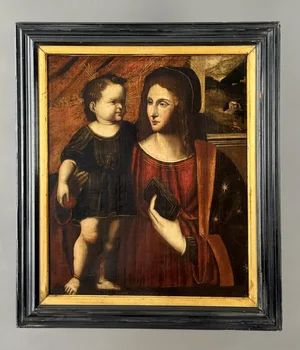
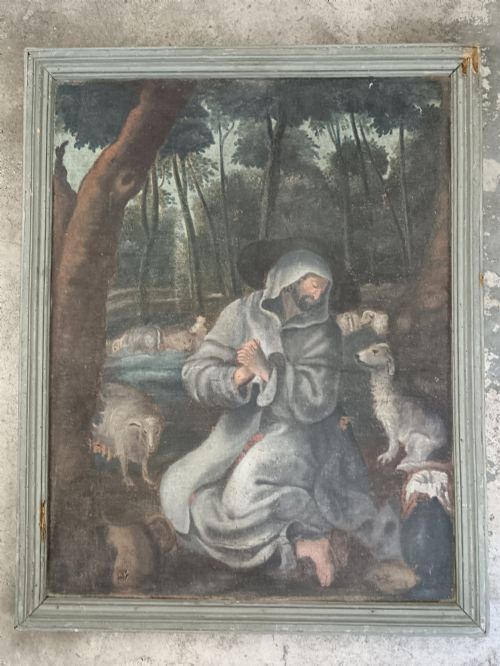
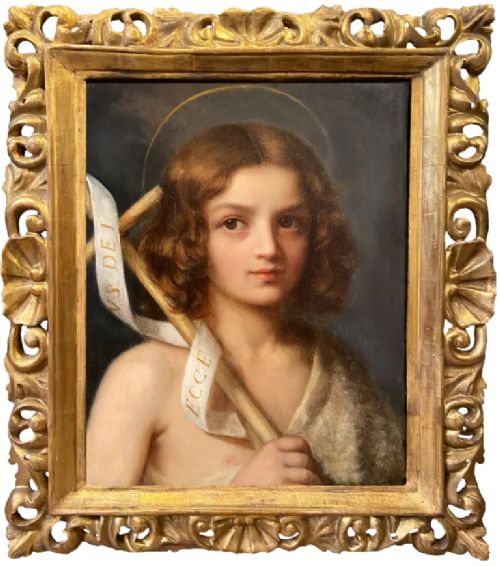
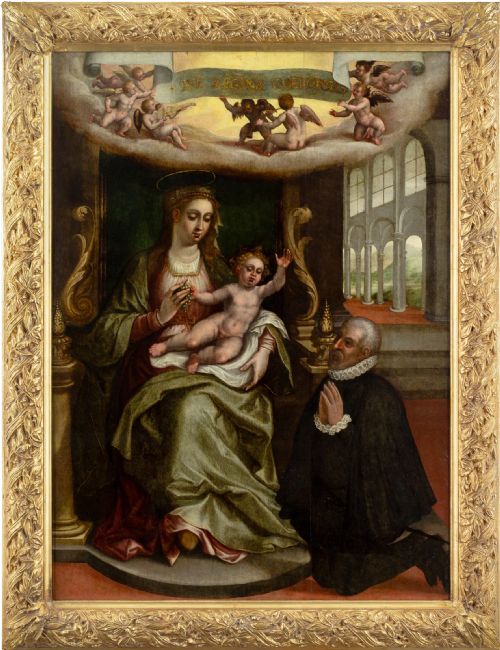
When you search for an antique sacred art portrait, you encounter devotional depictions of religious figures rendered across several centuries. These works include representations of the Virgin and Child, holy families and individual saints.
The most common examples on this page are oil paintings on canvas executed by European schools from the sixteenth to the nineteenth centuries. You also find patinated bronze busts and smaller wooden panels depicting sacred subjects.
Originating largely from Italian, Spanish and Central European traditions, these works range from grand gallery pieces to smaller devotional images intended for private contemplation.
Materials and construction
These works rely on traditional supports of stretched canvas and solid wood panels, providing stable surfaces for intricate oil paint layers. Artists applied rich pigments alongside gold leaf and giltwood framing to elevate the visual reverence of the subject.
Italian and Spanish Baroque traditions dominate the pictorial works, alongside Renaissance revival pieces and Central European school portraits.
Distinctions in quality
Quality rests in the anatomical precision of the figures, the subtlety of facial expression and the handling of light across drapery. Masterly works demonstrate confident brushwork and emotional resonance, whereas lesser pieces reveal stiffness in form and timid application.
The distinction also lies in the provenance and execution, separating studio creations and circle works from later school copies. Original surface preservation and the integrity of the canvas or panel further determine the standing of each piece.
Miguel Barroso·Francesco Solimena·Costantino Frixione·George Minne·Juan Ruiz Soriano·Ambrious Benson·Guido Reni·Girolamo Dai Libri·Raphael·Bernardino Luini
The Antique Sacred Art Portrait Glossary
- Oil on Canvas
- Pigments bound in a drying oil medium applied to a woven fabric support. This combination allows for rich blending and enduring flexibility.
- Pentimento
- An alteration in a painting evidenced by visible traces of previous brushstrokes beneath the final layer. It proves the artist reworked the composition during creation.
- Giltwood
- Wood that has been coated with a thin layer of gold leaf or powder. It provides ornate, reflective framing for sacred canvases.
- Old Master
- A European artist of high skill working before the nineteenth century. These painters established foundational styles for religious portraiture.
- Patinated Bronze
- A copper alloy sculpture treated to produce a specific surface sheen and colour over time. This finish protects the metal and adds visual depth.
Antique Sacred Art Portrait: Frequently Asked Questions
How do I identify the age of an oil painting?
Age is determined by examining the canvas weave, the composition of the stretcher bars, and the natural craquelure of the oil paint.
Closer inspection of the pigments and preparation layers often reveals materials specific to seventeenth or eighteenth-century workshops.
What is a school attribution in a title?
A school attribution indicates that a work was produced by followers or students within a specific regional tradition rather than the master himself.
These pieces reflect the prevailing style and technique of masters such as Raphael or Guido Reni.
How should I care for an antique canvas?
Keep religious canvases away from direct sunlight, extreme temperature fluctuations, and high humidity to prevent cracking and warping.
Dust the surface gently with a soft, dry brush and avoid using liquid cleaners on the paint layer.
What does a pentimento reveal to a buyer?
A pentimento shows where the artist changed their mind and painted over an initial compositional element as the work progressed.
This alteration confirms the authenticity of a hand-painted historical canvas over a later mechanical reproduction.
Where were these devotional portraits originally displayed?
Many of these works hung in private chapels, domestic prayer spaces, or Italian and Spanish churches to inspire daily contemplation.
Smaller panels and canvases were particularly suited for private prayer within the home.