


19th Century Hunting Painting
A 19th century hunting painting captures the speed, dogs and riders of the field.
19th Century Hunting Painting
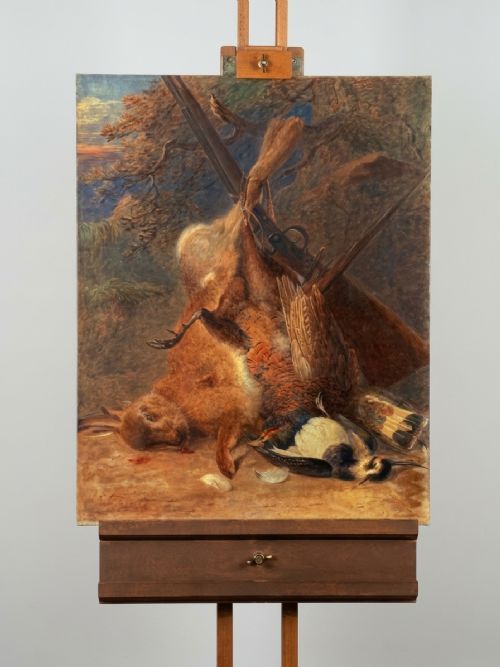
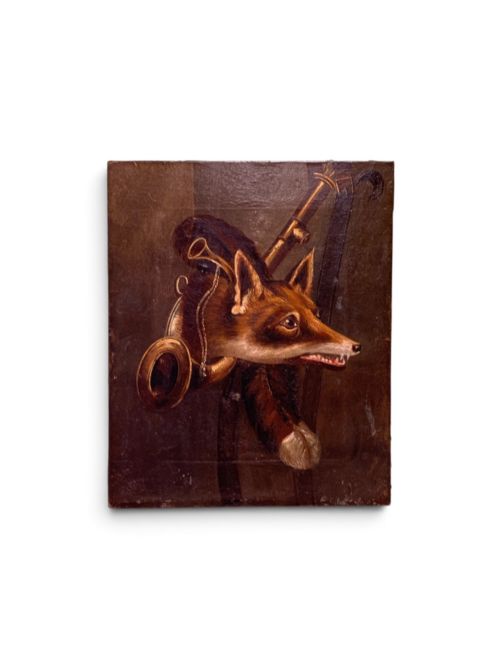
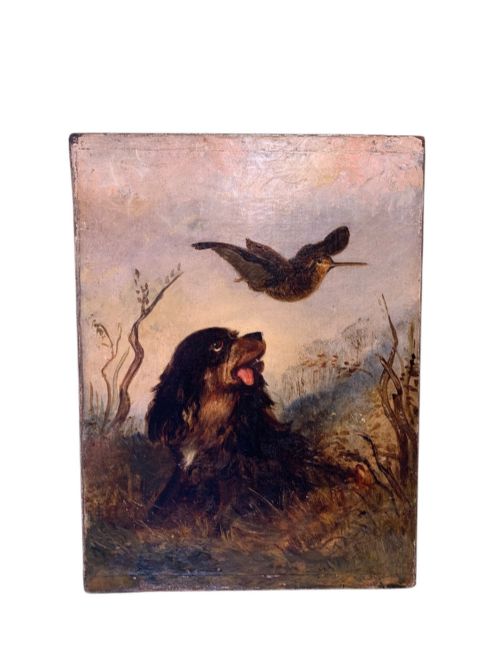
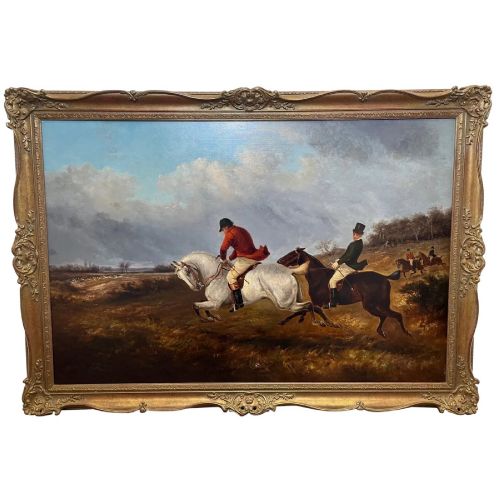
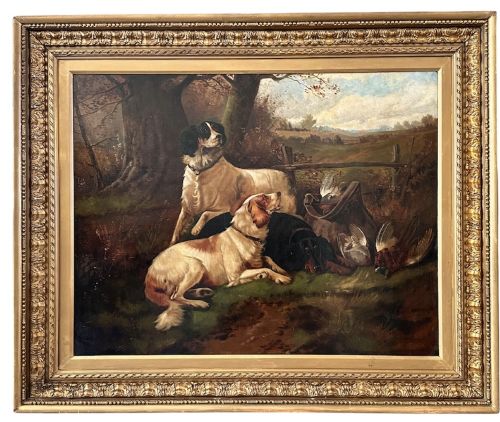
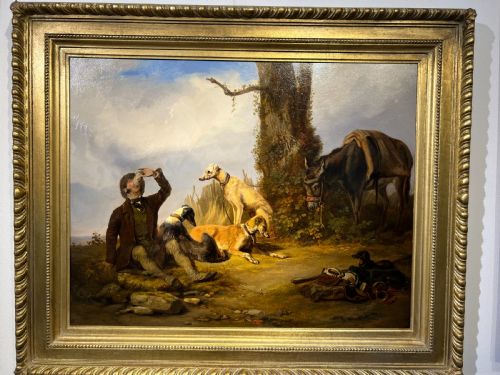
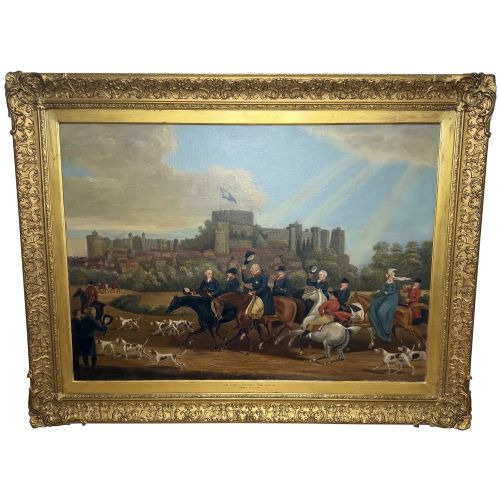
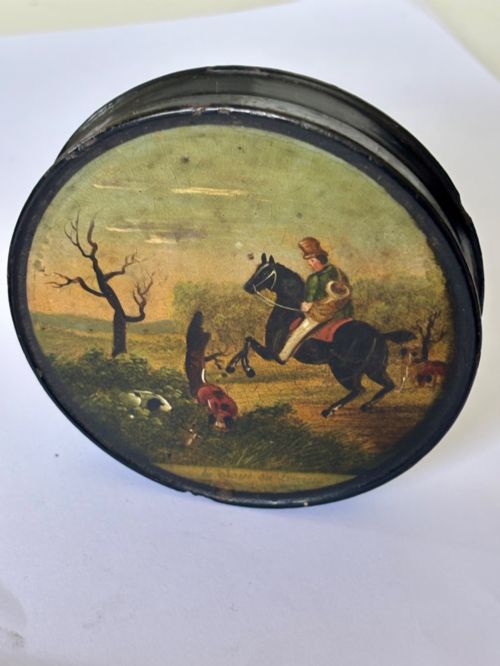
A 19th century hunting painting records the animals, riders and landscapes of the sport across the Victorian era. These works depict hounds in full cry, mounted riders taking fences, and gun dogs resting beside game.
Canvases range from intimate studies of individual pointers and bloodhounds to large-scale depictions of organised meets and the aftermath of the chase. The selection includes watercolors on paper as well as oils on canvas and wood panel.
Materials and Techniques
Artists painted primarily in oil on stretched canvas or wooden panels, utilising oil paint to build deep layers of fur, horse muscle and autumn foliage. Watercolours on paper appear frequently for lighter, more fluid studies of countryside pursuits.
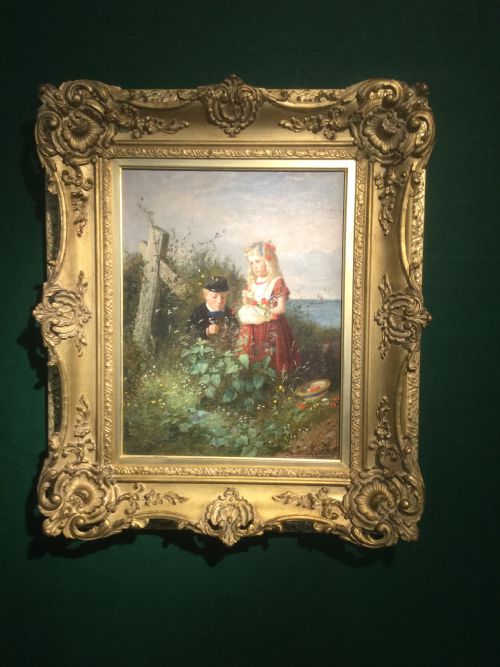
Many works incorporate heavy giltwood framing, complementing the traditional subject matter. Support materials such as artist palettes occasionally serve as the canvas itself for direct portraiture of hounds.
19th Century Hunting Painting Retail Price Guide 2026
Typical asking prices for 19th century hunting painting among the pieces listed under this phrase on Sellingantiques today, from the lower quarter to the upper quarter. They describe what is for sale here now, not the wider market.
Listings feature oil on canvas, watercolour, and oil on wood panel across the nineteenth century.
Markers of Distinction
Anatomical precision and the depiction of movement separate standard works from superior examples. The rendering of horses in mid-gallop and the alert posture of hunting dogs require a skilled hand.
Compositional depth and the atmospheric rendering of winter snow or woodland light elevate a canvas. Signed pieces by recognised sporting artists demonstrate superior provenance.
George Sydney Shepherd·Thomas Smythe·Michelangelo Meucci·John Sargent Noble·Sir Edwin Henry Landseer·John Sherrin·John Frederick Herring Senior·Benjamin Blake·Thomas Hicks·Samuel Raven·George Armfield·Colin Graeme Roe·Charles Faulkner·Fannie Moody·Robert Cleminson·John Frederick Herring Jnr·Henri Schouten·Henry Alken·Bernard Foster·Richard Ansdell·John F Taylor·C Cantelo·Charles Hunt·WHS·Alfred Steinacker
The 19th Century Hunting Painting Glossary
- Full Cry
- The point in a hunt when the hounds are actively pursuing the quarry and baying together. This stage is frequently depicted in mid-century canvases.
- Stirrup Cup
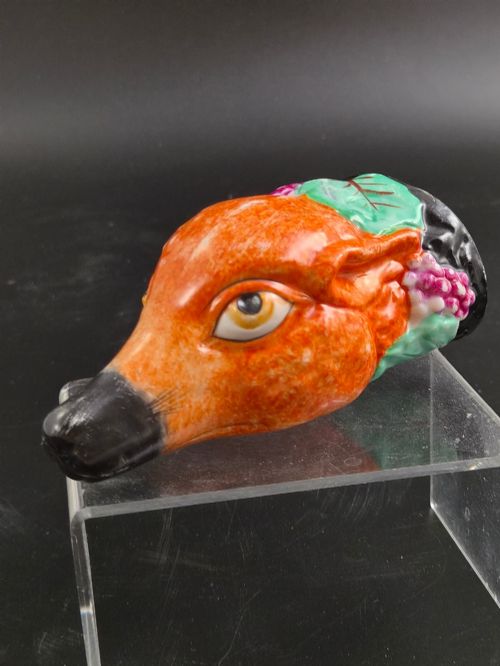
- A parting drink offered to riders before a hunt departs. Ceramic vessels associated with this ritual also appear in collections.
- Still Life
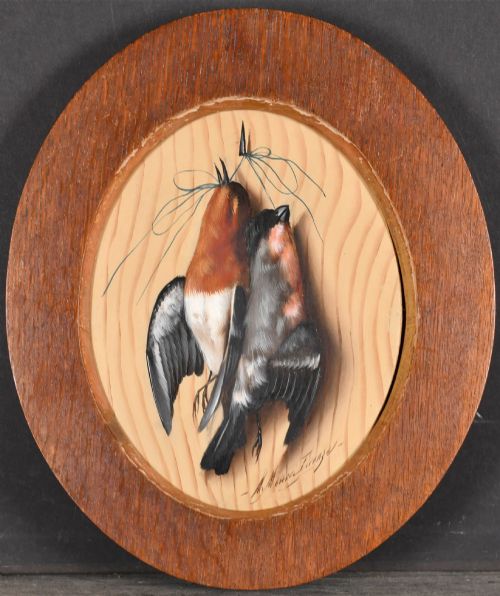
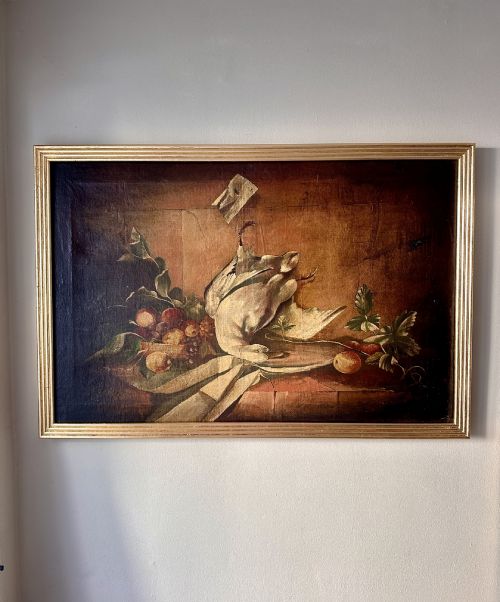
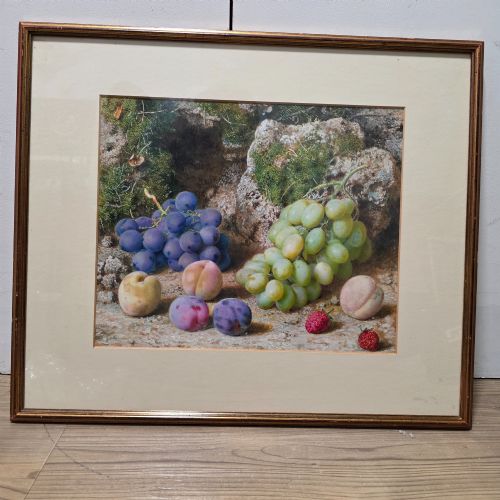
- A painting focusing on inanimate objects, often featuring dead game birds, hares and fruit in these sporting contexts.
- Reverse Painting on Glass
- A technique where the image is applied to the rear of a glass panel to be viewed from the front, seen in equestrian scenes.
- Giltwood
- Wood carved and covered with a thin layer of gold leaf, commonly used for framing Victorian artworks.
19th Century Hunting Painting: Frequently Asked Questions
What subjects appear in these paintings?
These works display fox hounds, gun dogs, horses and riders across rural landscapes. Scenes often capture the meet, the chase, or resting animals with game.
Still life compositions featuring hares, birds and fruit also recur within the genre.
How do I date a hunting painting?
Dating relies on recorded artist lifespans, costume details of the riders, and stylistic markers of the Victorian period. Clothing and tack styles shifted noticeably between the Regency era and the late nineteenth century.
Signatures, dates inscribed on the canvas reverse, and framing materials offer further chronological clues.
Where should I hang these works?
Traditional sporting art suits libraries, studies and dining rooms with period decoration. They pair effectively with wood panelling and leather furnishings.
Direct sunlight should be avoided to protect oil pigments and works on paper from fading.
What is the difference between oil and watercolour works?
Oil paintings on canvas or wood provide rich textures and deep colour layering suitable for large, dramatic scenes of hounds in action. Watercolours on paper offer a lighter, more immediate impression of the countryside.
Both mediums were utilised extensively by sporting artists of the period.