

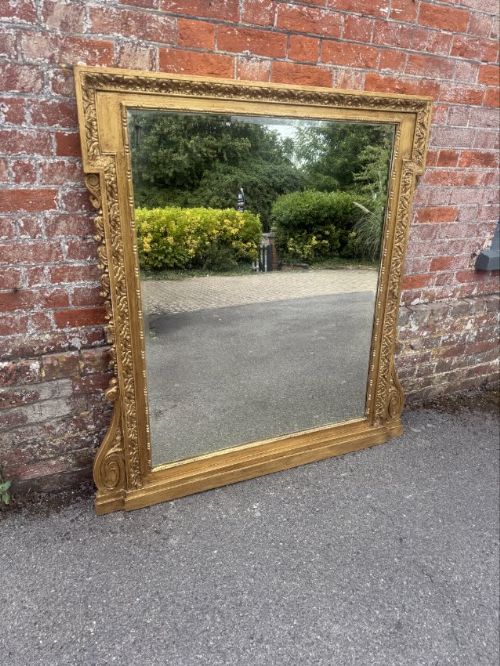
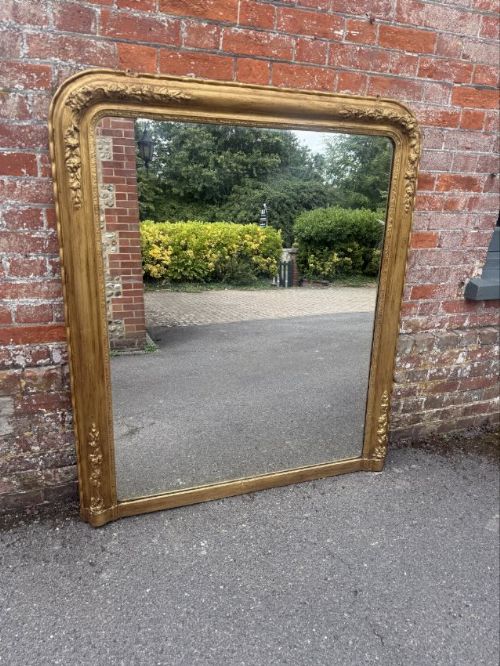
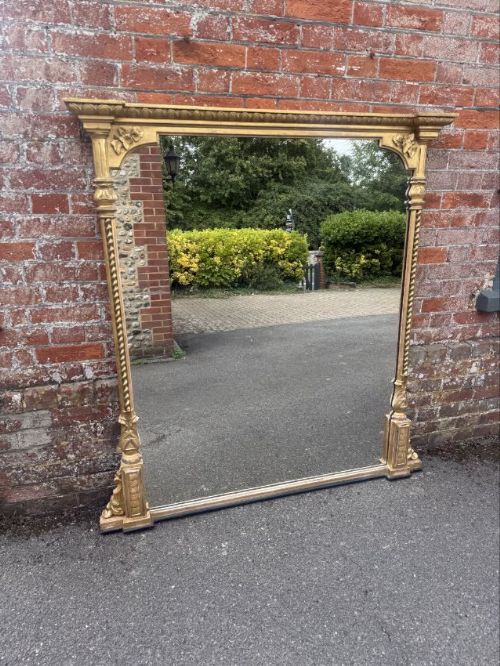
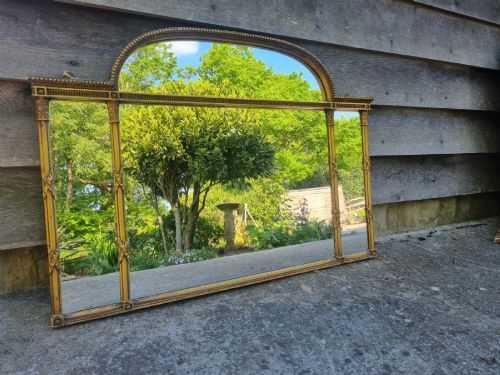
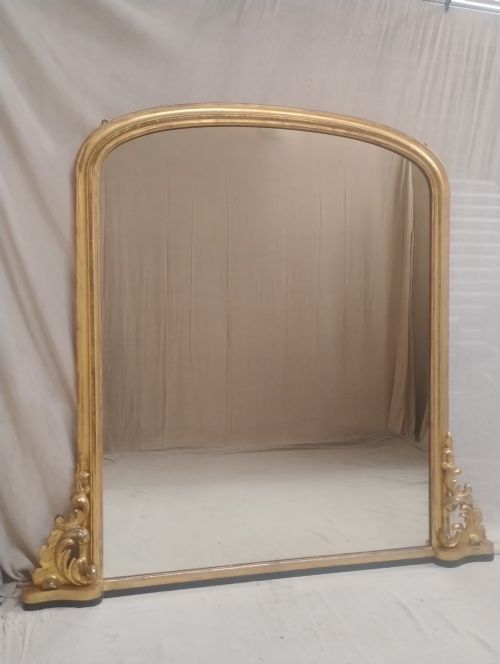
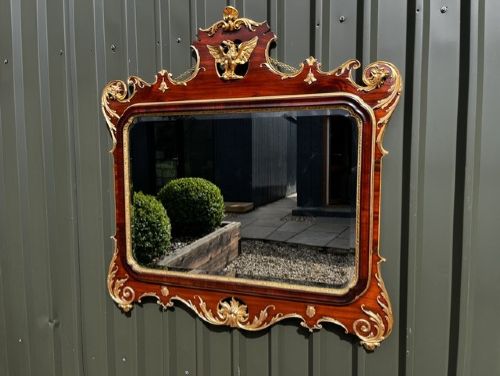
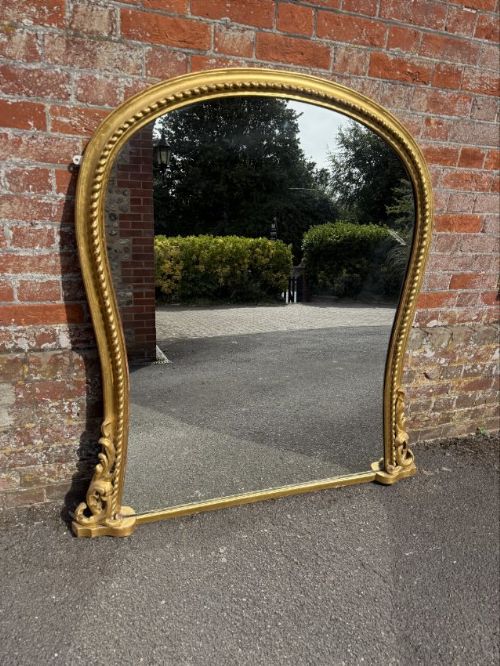
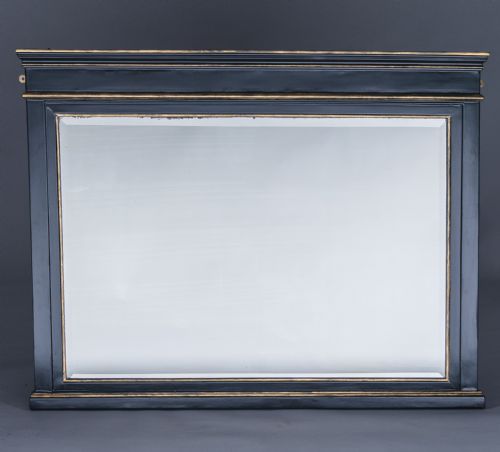
Large Gilt Chimney Mirror
A large gilt chimney mirror brings scale and reflection to a principal hearth, rooted in nineteenth-century English craftsmanship.
Large Gilt Chimney Mirror
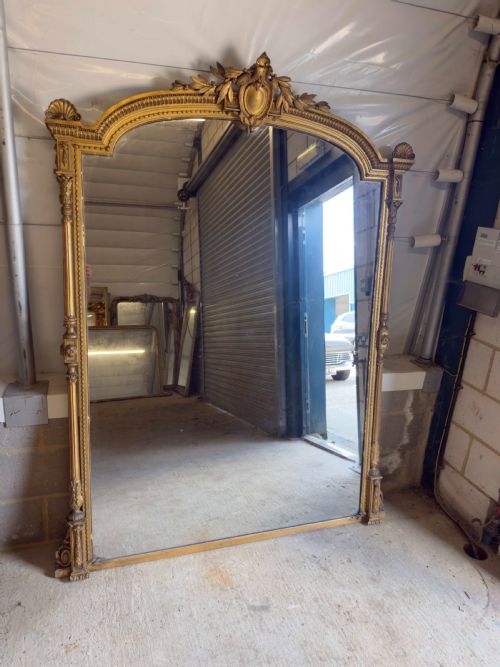
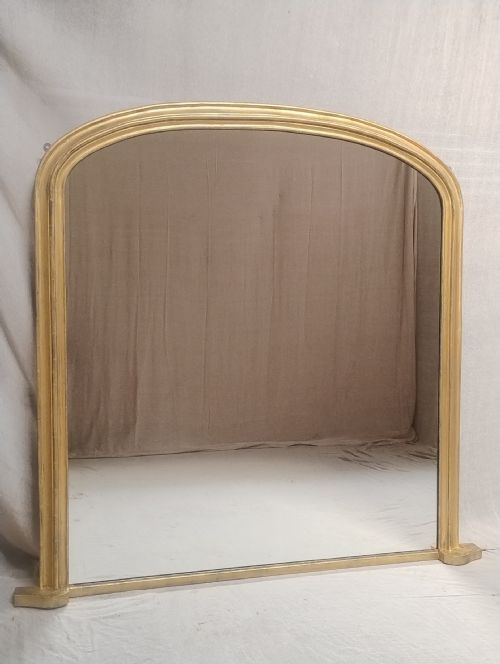
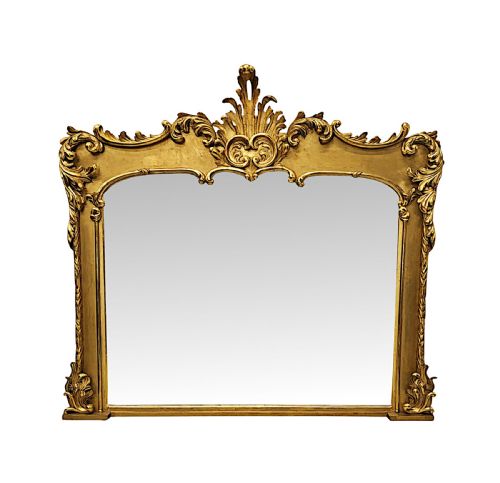
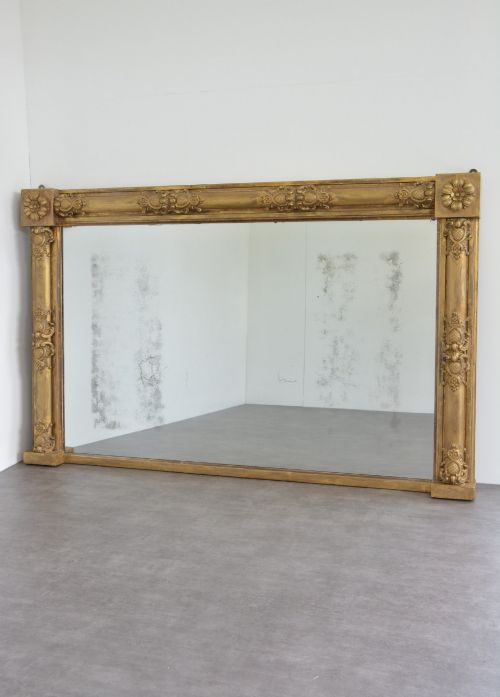
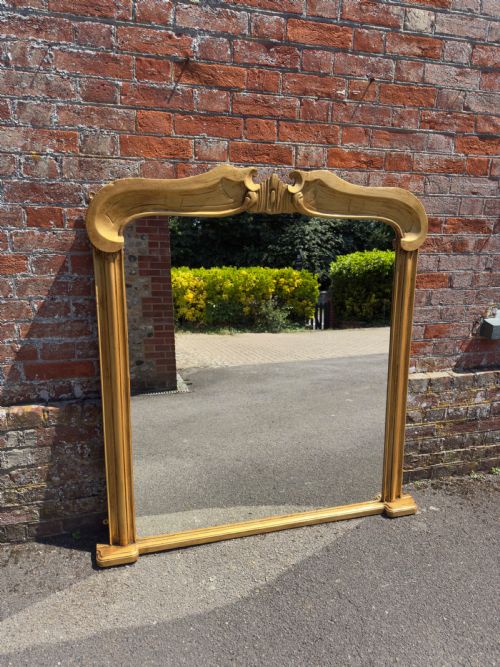
A large gilt chimney mirror sits above a fireplace mantel, designed to reflect light and fill the expanse of a grand wall. These pieces are predominantly represented by nineteenth-century overmantel mirrors from English workshops, spanning Regency and Victorian periods.
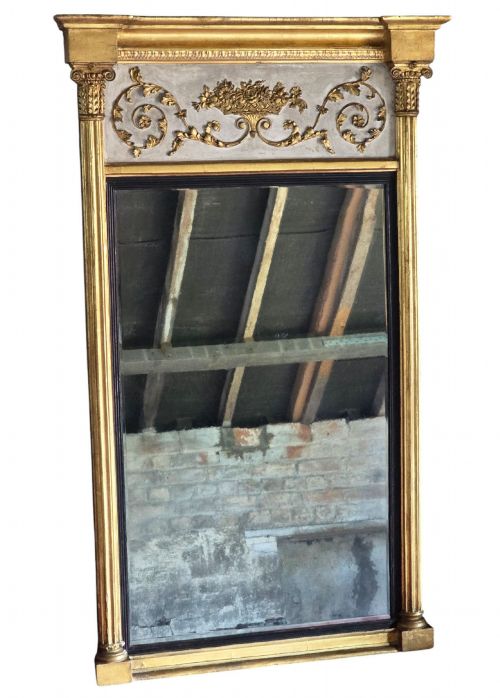
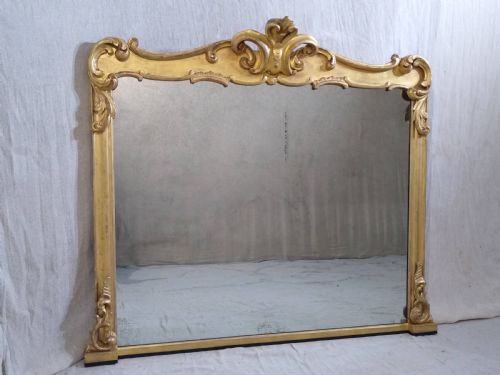
The forms vary from arched tops and shaped frames to rectangular proportions, frequently echoing Neoclassical, Rococo, or Chippendale styles. Buyers encounter monumental wall pier mirrors and trumeau designs built for high ceilings and substantial principal rooms.
How they were made
Carved wood provides the structural framework for these mirrors, often layered with gesso to create smooth surfaces and intricate relief decoration. Gold leaf and giltwood finishes impart the bright metallic sheen characteristic of the period, sometimes supplemented by composition mouldings.
Glass plates are set within the frames, occasionally displaying light foxing or age spots from decades of atmospheric exposure. Frames incorporate architectural details such as rope twist motifs, ribbed columns, and applied neoclassical ornaments.
Large Gilt Chimney Mirror Retail Price Guide 2026
Typical asking prices for large gilt chimney mirror among the pieces listed under this phrase on Sellingantiques today, from the lower quarter to the upper quarter. They describe what is for sale here now, not the wider market.
Certain Irish country house mirrors include carved squirrels and Ho Ho birds peering out from the gilt woodwork.
What varies in quality
The precision of the carved wood and gesso ornamentation dictates the refinement of the piece, with crisp, hand-modelled details outperforming simpler moulded compositions. Original gilding and untouched surfaces hold greater integrity than later repainted or heavily restored finishes.
Structural heft and the retention of original mirror glass with natural age variations distinguish superior examples from standard production. The integration of period-appropriate elements, such as rococo scrolls or neoclassical panels, separates standard mirrors from exceptional statements.
The Large Gilt Chimney Mirror Glossary
- Gesso
- A plaster-like mixture applied to carved wood frames to provide a smooth base for gilding. It is built up in layers and often moulded into ornamental details.
- Giltwood
- Timber that has been coated with gold leaf or metal leaf. This material defines the bright, reflective surfaces of traditional chimney mirrors.
- Overmantel mirror
- A large mirror specifically proportioned to hang on the wall directly above a fireplace mantel. These pieces often feature horizontal or arched formats.
- Foxing
- The natural age-related spotting or discoloration that develops on old mirror glass. It appears as small dark patches within the reflective surface.
- Trumeau
- A decorative mirror fitted into a wall panel or positioned above a mantel, often incorporating painted panels or carved wood motifs above the glass.
Large Gilt Chimney Mirror: Frequently Asked Questions
Where should a large chimney mirror be hung?
These pieces are traditionally positioned centrally above a fireplace mantel to anchor the room's proportions and reflect natural daylight. Their scale makes them suitable as a primary focal point on high walls.
Ensure the wall construction and fixings can support the substantial weight of carved wood, gesso, and glass.
How do I identify a nineteenth-century overmantel mirror?
Examine the construction methods behind the frame, looking for hand-carved wood beneath gesso layers and traditional joinery. Period pieces often feature distinct styles such as Regency, Victorian, or Neoclassical.
Original mirror glass may show slight distortion and foxing, which points to period manufacture rather than modern production.
Can these mirrors be cleaned safely?
Dust the carved wood and gesso frame gently with a dry, soft brush to protect the delicate gilt surface from abrasion. Avoid commercial chemical sprays that can strip historic finishes.
Clean the mirror glass sparingly with a mild solution on a cloth, ensuring moisture does not seep behind the frame edges.