

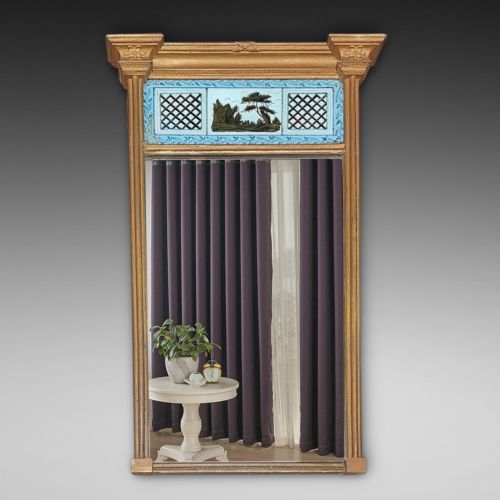
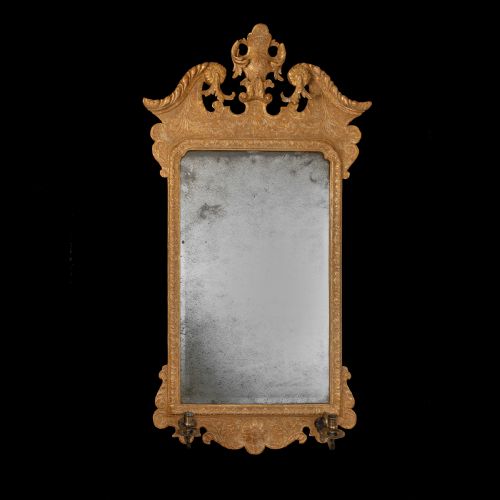
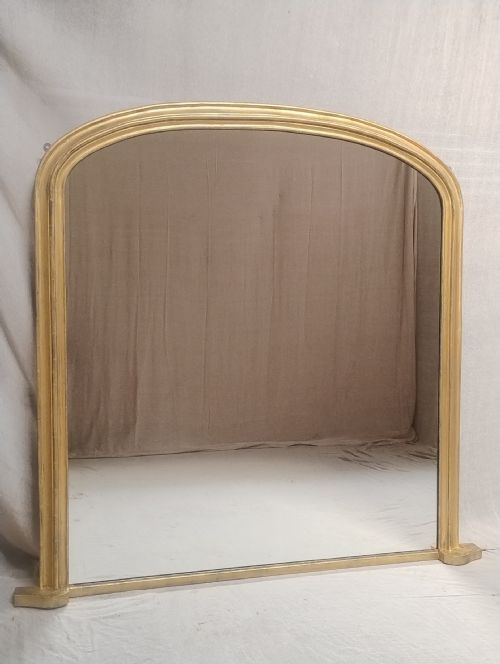


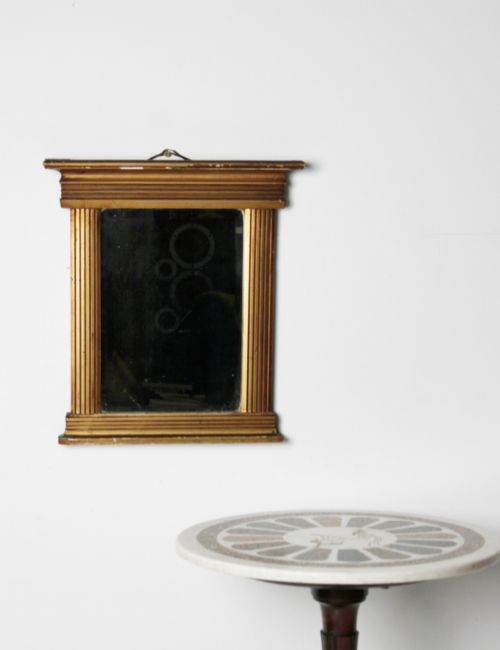


Gilded Architectural Wall Mirror
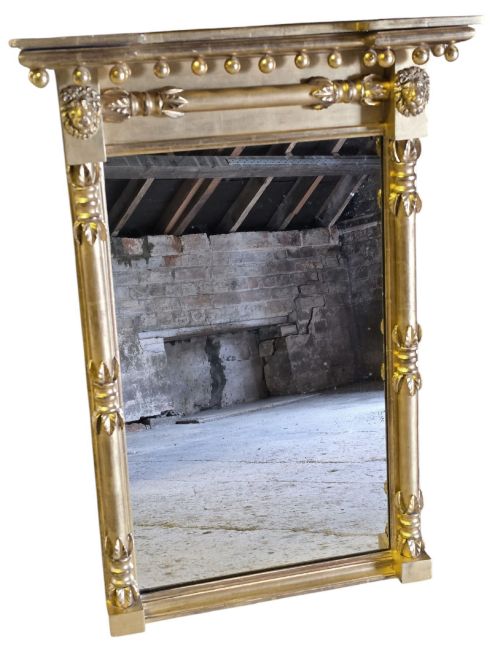
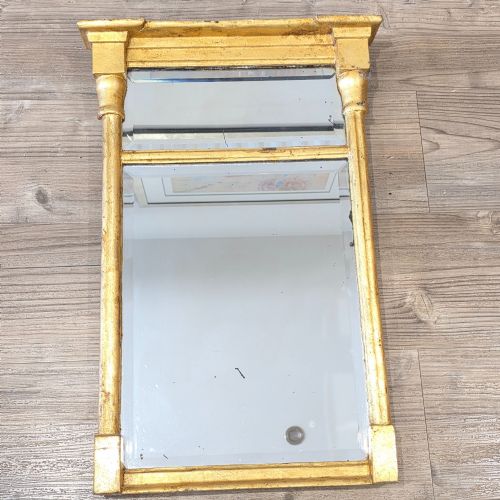
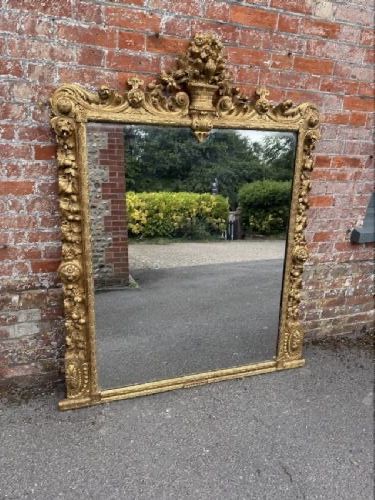
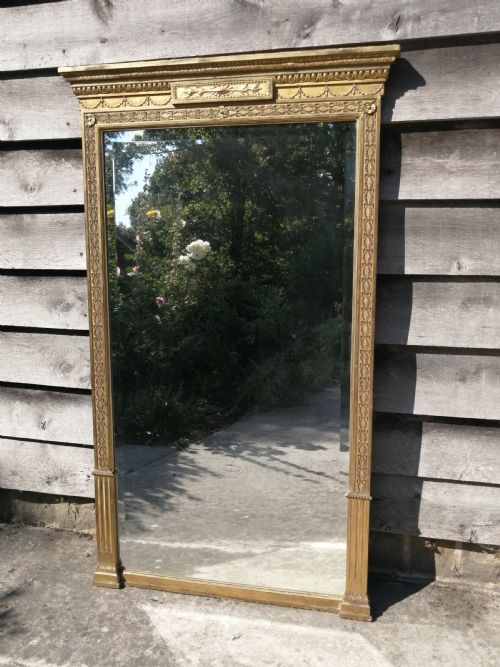
These gilded architectural wall mirror examples bring grand proportions and bright reflection into a room.

Gilded Architectural Wall Mirror
A gilded architectural wall mirror serves to open up a space by bouncing natural light around a room while adding significant visual weight to a wall. Buyers searching for a gilded architectural wall mirror will encounter pieces designed to command attention above a fireplace or between tall windows.
The selection here leans heavily towards nineteenth century examples, with overmantel mirrors and pier mirrors dominating the offerings. Pieces range from compact Regency pier mirrors to monumental overmantel frames spanning several feet in width.
Origins stretch across English, French, and Italian workshops, covering periods from the eighteenth century George II era through to the Edwardian period. Overmantel mirrors generally present wide horizontal formats, whereas pier mirrors offer taller, narrower proportions suited for specific architectural gaps.
Judging Quality
Quality rests heavily on the depth and crispness of the hand-carved wood elements compared to heavily moulded composition ornament. Superior examples retain their original gilding and mirror plates, showing harmonious proportions that suit grand architectural settings.
The integrity of the structural joinery dictates stability in large overmantel formats, while the precision of neoclassical or rococo details separates standard production from exceptional pieces. Finer mirrors display careful attention to surface texture, where the underlying gesso supports light-catching gold leaf without blurring the carved contours.
Several mirrors arrive with centuries of domestic history locked inside their foxed glass, having quietly watched generations tidy their cravats.
Nosotti's
The Gilded Architectural Wall Mirror Glossary
- Overmantel Mirror
- A large horizontal mirror designed specifically to hang above a fireplace mantelpiece. These pieces often feature arched tops or elaborate crestings.
- Pier Mirror
- A tall, narrow mirror made to hang on the wall space between two windows. They frequently incorporate candle sconces or decorative panels below the main glass.
- Gesso
- A plaster-like mixture applied to wood frames to create a smooth surface for gilding. Skilled artisans carved intricate relief details directly into this hardened layer.
- Verre Eglomise
- A cold decoration technique involving painting and applying gold leaf on the reverse side of glass. This method produced decorative panels often seen above Regency mirror plates.
- Parcel Gilt
- A finish where only specific carved portions of a wooden or painted frame receive gold leafing. This technique highlights particular decorative motifs against a dark or painted ground.
Gilded Architectural Wall Mirror: Frequently Asked Questions
Where should I hang a large overmantel mirror?
These large horizontal mirrors anchor a room best when centered directly above a fireplace mantelpiece. Their proportions reflect surrounding space and draw light deep into the interior.
Ensure the wall fixings engage securely with structural studs or masonry, given the considerable weight of carved wood and gesso frames.
How do I identify a Regency pier mirror?
Regency pier mirrors typically feature tall, vertical formats designed to fit the narrow wall space between windows. They often incorporate reeded frames, giltwood construction, and occasionally verre eglomise glass panels.
Examine the backboards and construction joints to confirm the early nineteenth century period manufacture.
What is the difference between an overmantel and a pier mirror?
Overmantel mirrors stretch horizontally to match the wide span of a fireplace mantel, whereas pier mirrors run vertically to fit narrow wall spaces between architectural openings. Both types utilise heavy gilding to catch and multiply ambient light.
Scale and placement dictate their traditional use within period interiors.
Should I clean original mirror glass?
Original mirror glass frequently displays foxing, dark spots, and silvering wear that serve as important indicators of age and authenticity. Cleaning should be limited to gentle dusting rather than aggressive polishing that might strip remaining historical surfaces.
Treat the delicate giltwood frames with equal care, avoiding liquid cleaners near the gesso and gold leaf.