





Victorian Architectural Mirror
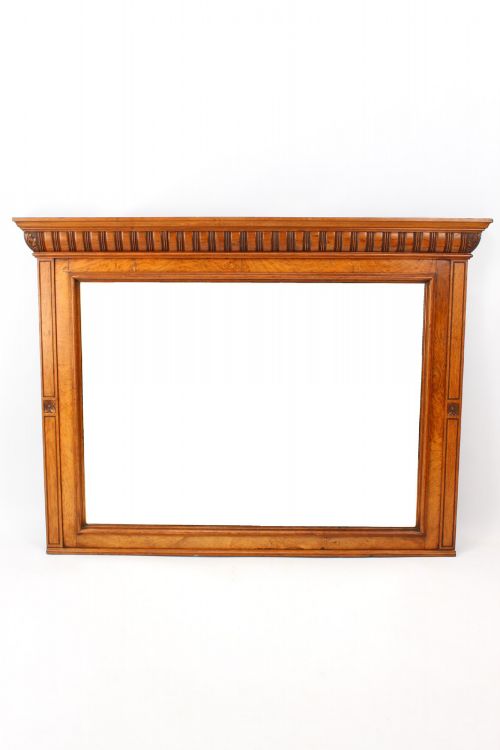
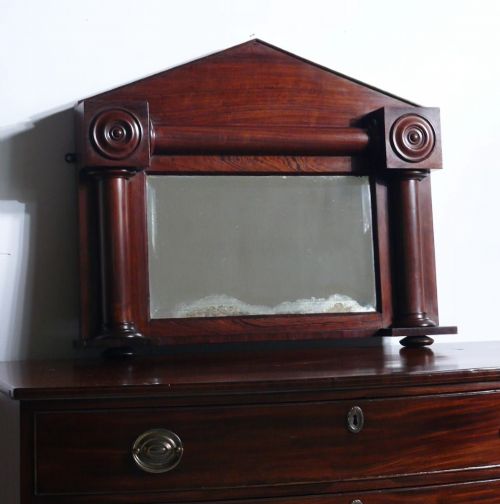
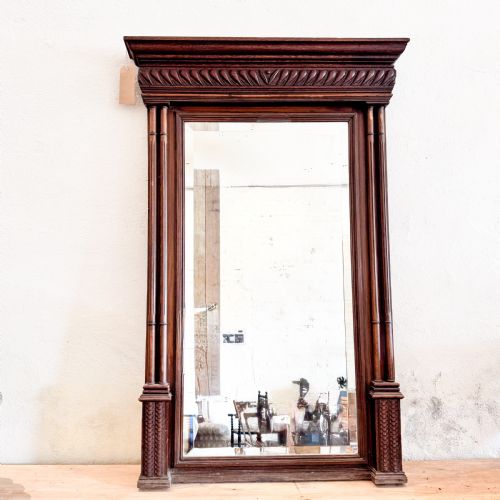
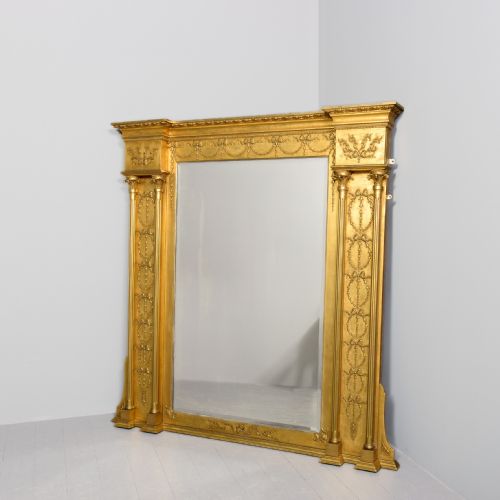
A victorian architectural mirror brings grand scale and classical proportion into a room, framed in carved wood, gesso and gleaming gilt.
Victorian Architectural Mirror
A victorian architectural mirror anchors a room through imposing scale and structural framing drawn from classical building traditions. Buyers searching for a victorian architectural mirror encounter grand overmantels, tall pier glasses and substantial wall pieces designed to dominate a chimney breast or hallway.
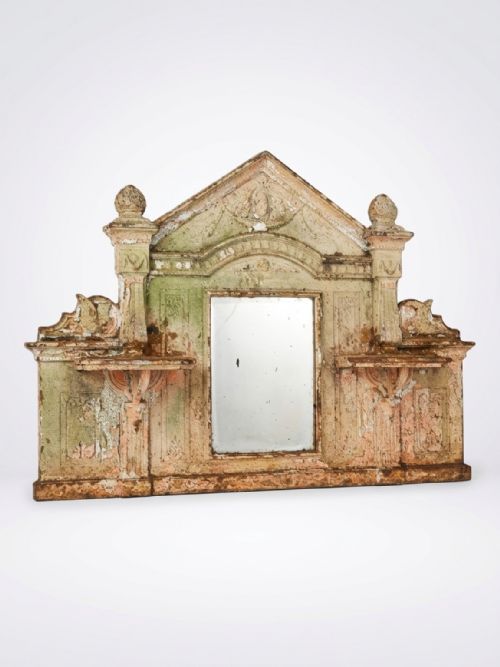
The dominant forms on this page are large overmantel mirrors and wall mirrors shaped by nineteenth-century revival styles. Makers translated monumental stone and masonry vocabulary into wooden frames enriched with columns, pediments and arched tops.
Pieces span the nineteenth century, with specific dates clustering around the decades of the eighteen-fifties through the eighteen-eighties. Oak, walnut, mahogany and ebonised wood provide solid foundations for elaborate carved decoration.
Materials and Construction
Carved wood provides the primary structural framework for these large mirrors, utilising native and imported timbers including oak, walnut, mahogany and rosewood. Craftsmen built deep carcasses to support heavy glass plates and elaborate decorative mouldings.
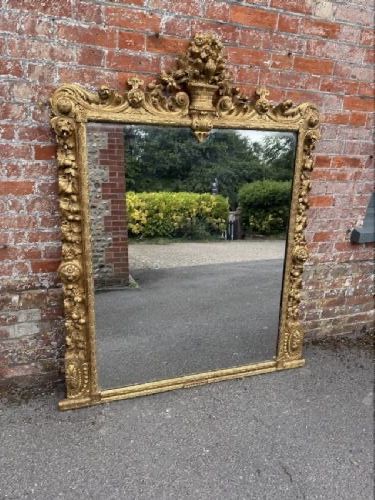
Gesso and giltwood layers applied over carved wooden bases create the brilliant reflective surfaces seen on many examples. Gold leaf or paint finishes are then meticulously applied to enrich the architectural details and mouldings.
Mirror glass plates are fitted within sturdy rebates, sometimes accompanied by original backing boards and column supports. Structural joinery must be robust to bear the considerable weight of tall vertical glasses and heavy wooden frames.
Victorian Architectural Mirror Retail Price Guide 2026
Typical asking prices for victorian architectural mirror among the pieces listed under this phrase on Sellingantiques today, from the lower quarter to the upper quarter. They describe what is for sale here now, not the wider market.
Current listings demonstrate a strong presence of nineteenth-century overmantel mirrors utilising giltwood, gesso and carved oak.
Evaluating Quality
Depth and crispness of the carved ornament distinguish superior frames from simpler commercial output. Hand-carved wooden details and finely modelled gesso show sharp relief and careful proportion rather than soft, mass-produced uniformity.
The integrity of the gilding and surface finish determines the visual impact of the piece. Hand-applied gold leaf retains a warm, complex metallic lustre compared to flat modern metallic paints.
Originality of components, including the mirror glass itself and the structural wooden backing, dictates historical value. Retaining the original heavy glass plate with natural ageing adds integrity to the piece.
The Victorian Architectural Mirror Glossary
- Overmantel mirror
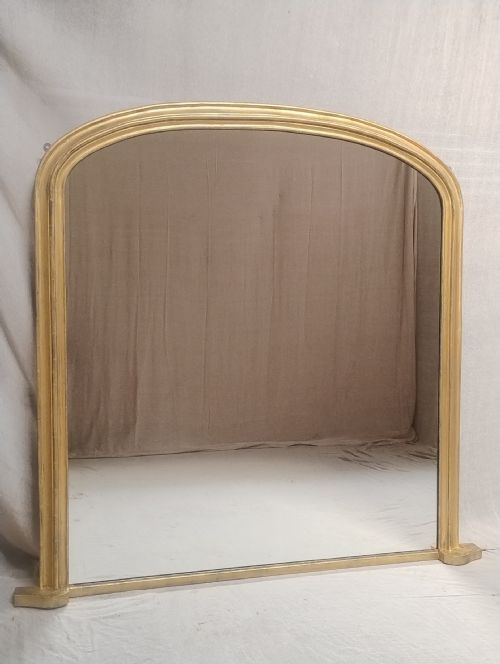
- A large mirror specifically designed to hang on the wall directly above a fireplace mantelpiece. These pieces often feature wide horizontal proportions or arched tops.
- Gesso
- A plaster-like mixture applied to wood frames and carved or moulded into intricate decorative reliefs before gilding. It provides a smooth base for gold leaf.
- Giltwood
- Timber carved and subsequently covered with thin sheets of gold leaf or metallic powder. This technique creates a rich, reflective golden surface.
- Pier mirror
- A tall, narrow mirror designed to hang on the wall space between two windows, often placed above a pier table or console.
- Ebonised
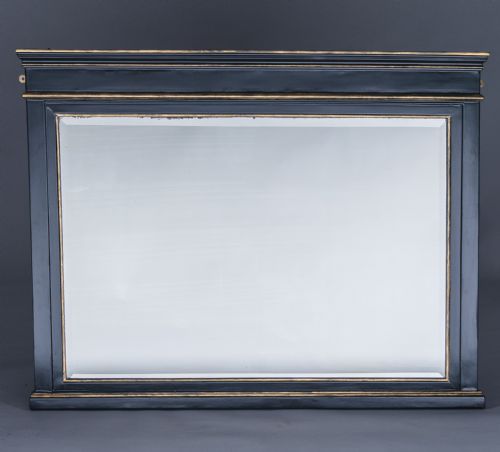
- Wood treated with chemical stains or black finish to imitate expensive ebony. The dark surface provides strong contrast when combined with gilt highlights.
- Pediment
- A classical architectural gable element placed above the mirror frame. It introduces triangular or segmental roof-like forms to the top of the glass.
Victorian Architectural Mirror: Frequently Asked Questions
Where should I hang a large overmantel mirror?
These large mirrors traditionally hang directly above a fireplace mantelpiece to reflect light and anchor the hearth visually.
They also work effectively on main living room walls where their architectural proportions can command the space.
Are the mirror plates original?
Many nineteenth-century pieces retain their original glass plates, which often display subtle foxing, minor speckling or gentle distortions.
Original glass adds historical depth, whereas replaced glass offers a clearer, brighter reflection.
How do I support the heavy weight?
Due to their substantial wooden frames and thick glass, these mirrors require secure wall fixings anchored directly into structural studs or masonry.
Professional installation using heavy-duty mirror brackets ensures the piece remains safely supported.
What architectural styles are represented?
The listings feature Neoclassical, Gothic Revival, Rococo Revival and French Empire influences.
These styles draw on historical design vocabulary, incorporating columns, pediments and ornate mouldings.