

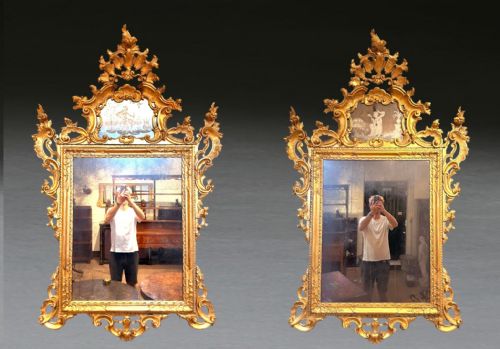
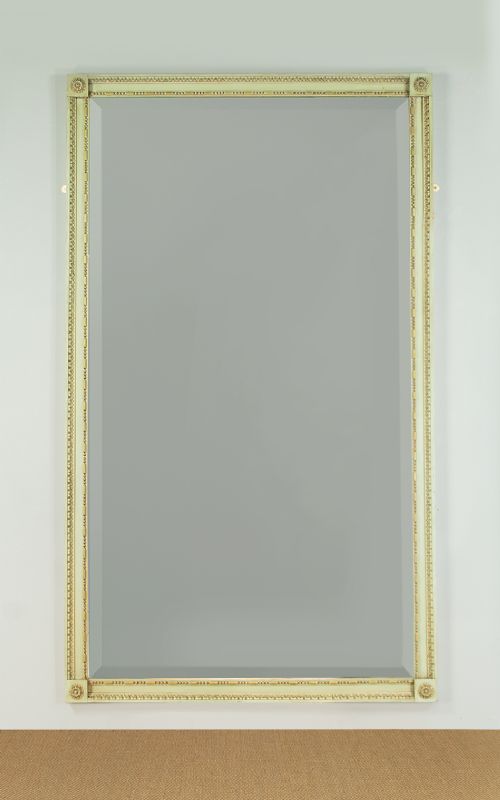
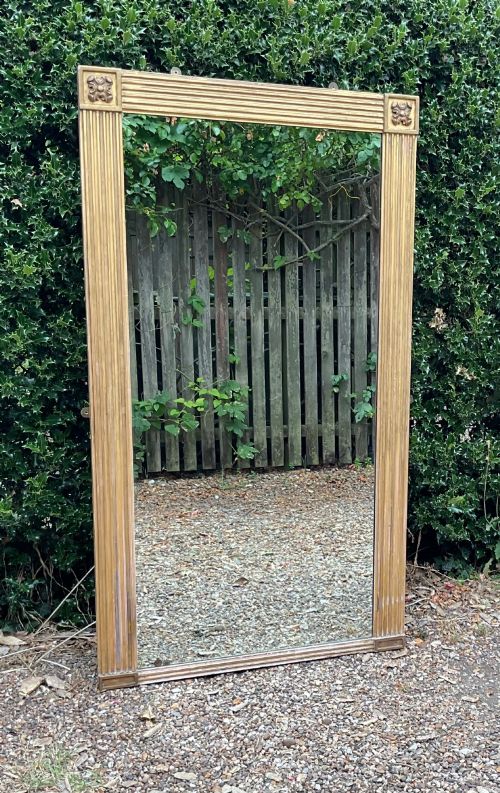
Large Gilded Pier Glass
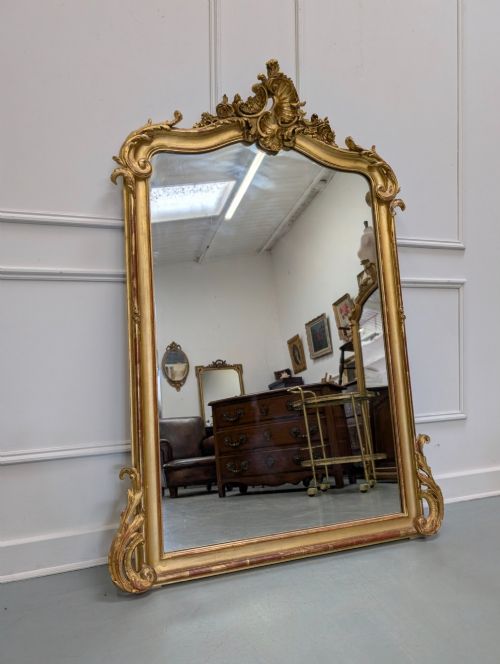
A large gilded pier glass brings towering scale and brilliant reflectivity to a room, filling wall spaces between windows with period grandeur.
Large Gilded Pier Glass
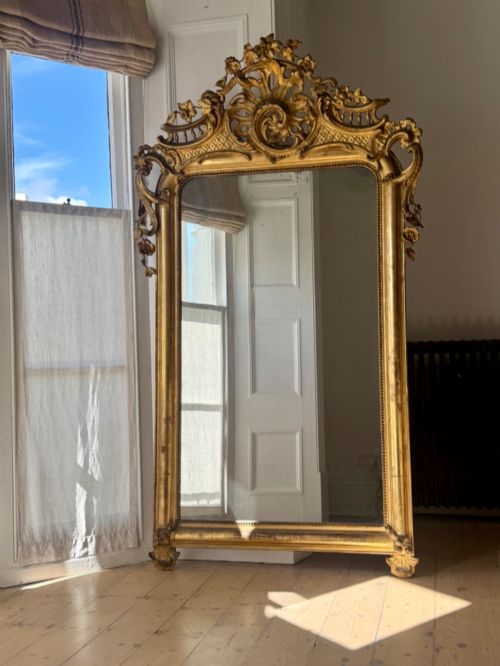
A large gilded pier glass is a tall, imposing wall mirror designed specifically to hang on the narrow wall space, or pier, between two windows. These statement pieces anchor a room with their vertical presence, reflecting natural light deep into the interior space.
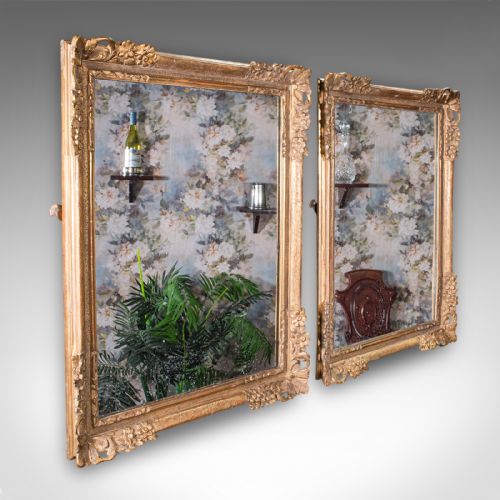
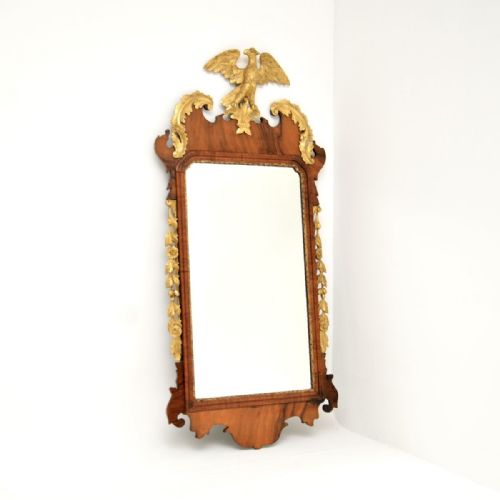
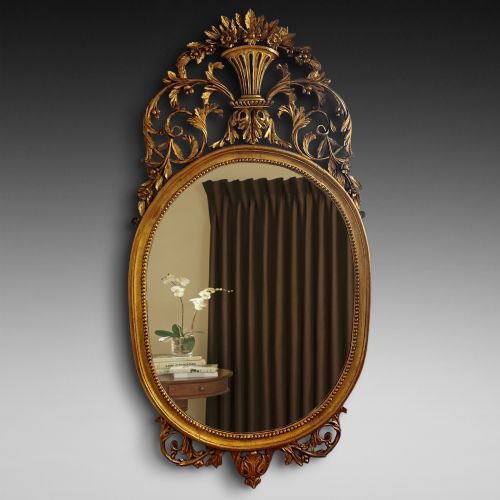
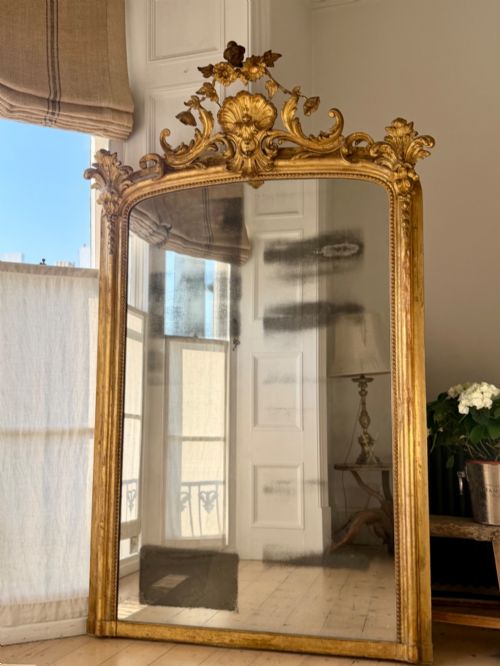
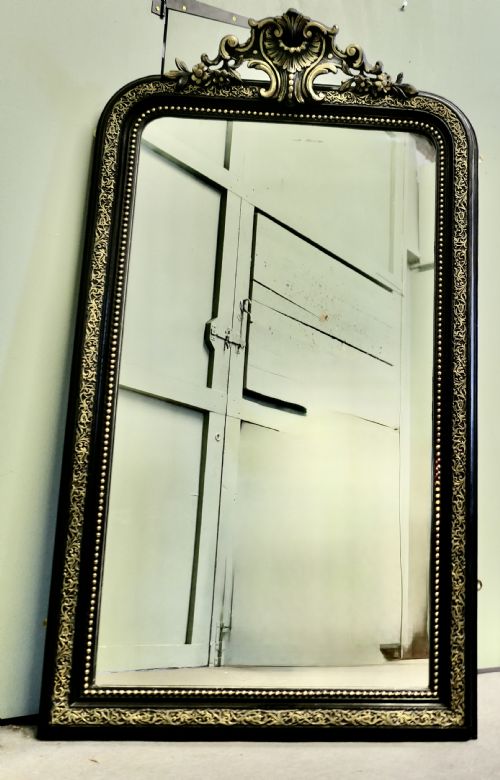
The selections available span multiple centuries and regional aesthetics, stretching from Georgian and Regency forms to ornate French Rococo Revival and Neoclassical designs. Buyers frequently encounter nineteenth-century examples alongside eighteenth-century French plates and elaborate Victorian interpretations.
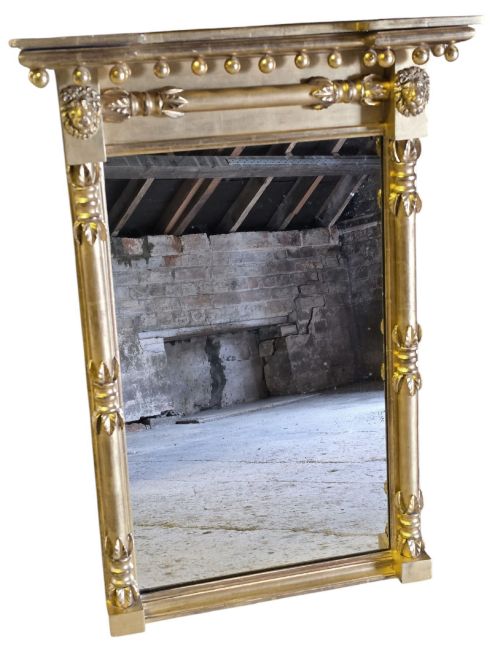
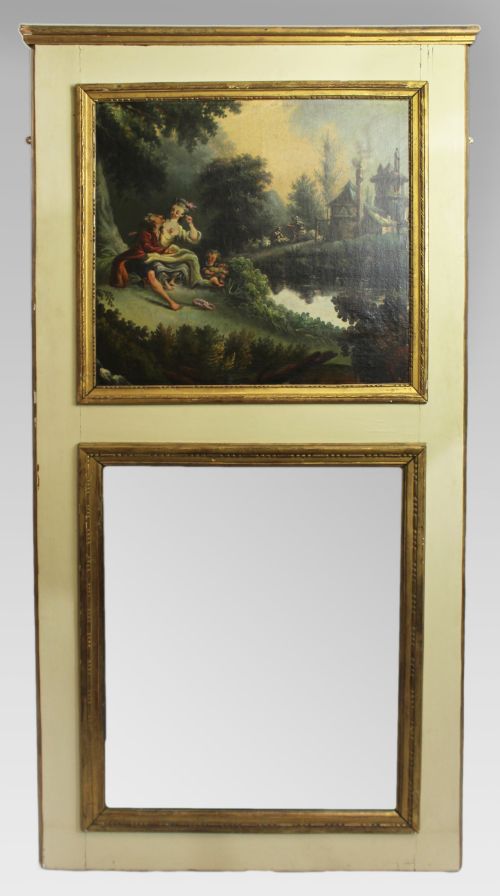
Makers often shaped these mirrors to serve dual purposes as hall mirrors, overmantles, or dressing mirrors, incorporating decorative elements such as lion masks, verre eglomise panels, and pastoral oil paintings.
Materials and construction
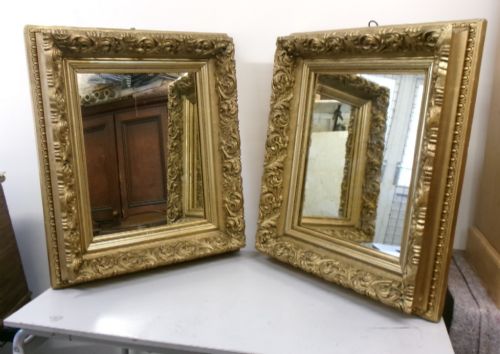
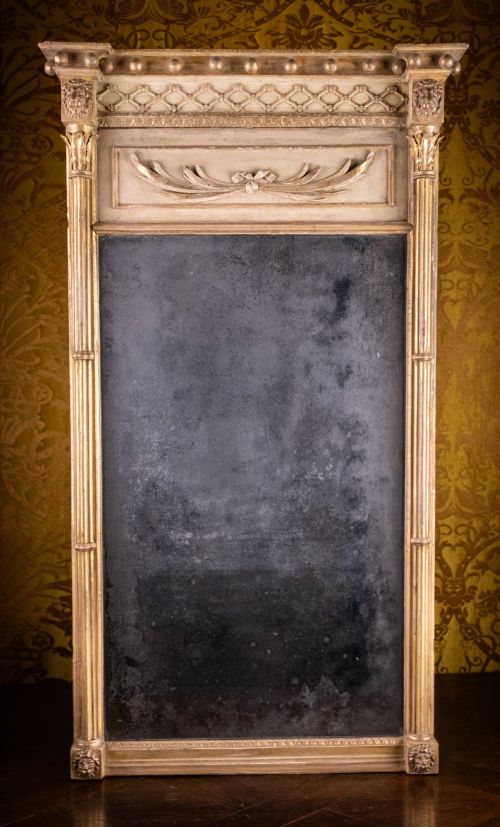
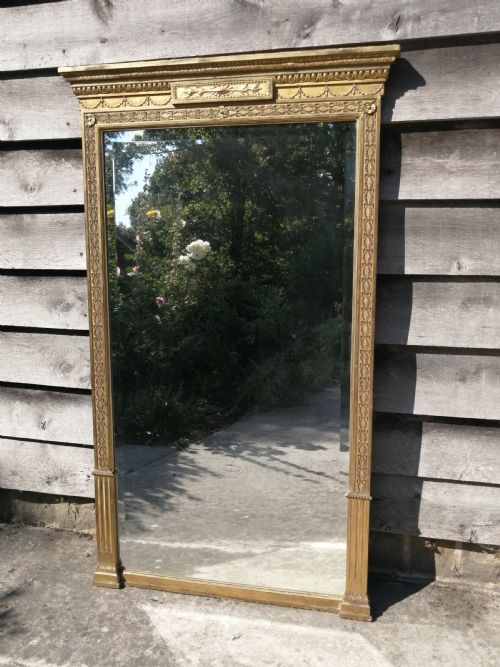
Craftsmen built the structural frames primarily from wood, applying layers of gesso to create smooth surfaces suitable for intricate carving and gilding. Artisans then coated the frames in gold leaf, silver gilt, or paint to achieve a brilliant metallic sheen.
Glaziers set original mirror plates into the frames, frequently utilising mercury glass or early mirror plates that develop distinctive foxing and ageing over time. Some iterations incorporate composition ornaments moulded and applied directly to the wooden structure to accelerate decorative detailing.
The styles represented include Regency, Rococo Revival, Neoclassical, and French Empire, spanning the eighteenth and nineteenth centuries.
Distinctions in quality
Quality resides in the crispness of the hand-carved wooden details against moulded composition ornaments, where deeper undercut foliage and sharper relief indicate superior craftsmanship. The preservation of the original gilded surface, rather than later overpainting, dictates the integrity of the piece.
The character of the mirror plate itself establishes distinction, as genuine period mercury glass with natural foxing carries historical depth that plain modern glass lacks. Heavy, substantial frame construction using solid mahogany, pine, or giltwood ensures structural stability for these towering vertical mirrors.
The Large Gilded Pier Glass Glossary
- Pier glass
- A tall mirror designed to fit on the wall space between two windows. These mirrors maximise light reflection in domestic interiors.
- Giltwood
- Wood that has been coated with thin sheets of gold leaf. This material defines the luxurious finish of classical frames.
- Gesso
- A plaster mixture applied to wood frames to create a smooth base for gilding. Artisans carve fine decorative details directly into this hardened layer.
- Mercury glass
- An early type of mirror made by pouring a mercury-and-tin amalgam behind glass. It produces a dark, reflective mirror plate that frequently develops foxing.
- Verre eglomise
- A cold decoration technique where artists apply gilding and painting to the reverse side of glass. This method creates decorative panels often seen above the primary mirror plate.
Large Gilded Pier Glass: Frequently Asked Questions
Where should I hang a pier glass?
Historically, these mirrors hung on the narrow wall between two windows to bounce daylight back into dark rooms. Today, they work equally well above console tables, in hallways, or as statement overmantles.
Because of their substantial height and weight, they require secure anchoring directly into wall studs to support the heavy wooden frame safely.
What is foxed glass?
Foxing refers to the dark spots, speckles, and mottled ageing that develop on older mirror plates over decades. This natural oxidation occurs behind the glass surface.
Collectors prize genuine mercury glass with light foxing because it proves the age and authenticity of the mirror plate.
How do I identify a Regency pier glass?
Regency mirrors frequently feature classical motifs such as reeded columns, ball-detail cornices, and applied brass or wooden ornaments. They often incorporate architectural symmetry inspired by ancient Greece and Rome.
Painted wood finishes, lion masks, and verre eglomise panels also appear regularly within this specific nineteenth-century group.
Are these mirrors heavy?
These pieces possess considerable weight due to their tall wooden frames, thick gesso layers, and large glass plates. Professional installation using appropriate wall fixings is essential for safety.
The heft of the frame generally serves as an indicator of solid timber construction rather than lightweight modern substitutes.